

Expert Review Author Byline
httpsmrtruckcomwdhhtm This comprehensive comparison and guide are brought to you by the expert team at MrTruckcom with over 20 years of hands on experience in truck and heavy towing testing Our in depth knowledge of trailer hitches towing dynamics and safety standards ensures authoritative and trustworthy advice for both novice and seasoned tower communities underlining our commitment to Expertise Experience Authoritativeness and Trustworthiness E E A T
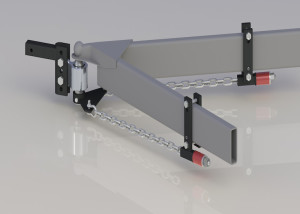

Comparison of Andersen No Sway Weight Distribution Hitch vs Traditional Spring Bar Hitch
Choosing the right hitch is vital for ensuring safe and efficient towing The Andersen No Sway hitch utilizes a unique friction cone sway control mechanism combined with a lightweight aluminum rack of approximately 60 lbs minimizing sway while distributing weight evenly This design delivers better control and safety while being easier to install and maintain In contrast traditional spring bar hitches rely on heavy duty steel trunnion or round spring bars weighing over 100 lbs employing a mechanical spring bar system to manage sway and weight distribution This section explores the specific safety features associated with each type as well as their effectiveness in real world towing scenarios that include tongue weight capacities of around 1400 lbs and gross trailer weights up to 14000 lbs For detailed analysis and comprehensive towing test results visit MrTruck Weight Distribution Hitch Guide Testing Hub
Detailed Comparison Table Traditional Spring Bar Hitch vs Andersen No Sway Weight Distribution Hitch
Safety Features
Andersen No Sway Weight Distribution Hitch
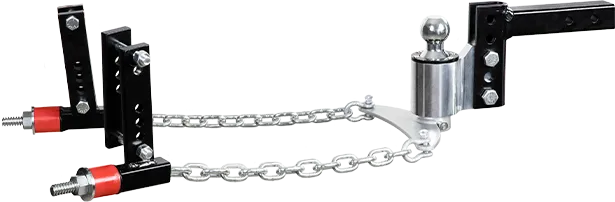

Traditional Spring Bar Hitches
Traditional weight distribution hitches typically use rigid steel spring bars and friction points to control sway These components often exceeding 100 lbs provide durability and stability for heavier trailers but can be cumbersome to adjust While these hitches have been reliable for decades they usually require more frequent tuning and maintenance to maintain sway control performance Over time wear on friction surfaces and lubrication needs can diminish the effectiveness of sway prevention
Effectiveness in Trailer Sway Control Friction Cone Sway Control vs Spring Bars
Andersen No Sway Weight Distribution Hitch
When it comes to controlling trailer sway the Andersen No Sway hitch excels due to its patented friction cone sway control design This mechanism applies a smooth consistent dampening force that automatically adjusts to sway forces providing superior control with less manual intervention Rated for trailers with a gross trailer weight rating GTWR up to 14000 lbs and tongue weight up to 1400 lbs Andersen users report stable towing even on winding roads and under variable load conditions feeling a marked improvement over traditional sway systems
Traditional Spring Bar Hitches
Traditional spring bar hitches offer strong sway control primarily through mechanical resistance provided by their steel bars They are especially effective for heavy trailers delivering firmer sway restraint but sometimes at the expense of a rougher towing feel Effectiveness depends highly on proper setup including tongue weight and load distribution While these hitches provide solid stability some users note the need for frequent retuning and maintenance to retain optimal sway control performance compared to friction based systems
User Experiences Traditional Spring Bar Hitch vs Andersen No Sway Weight Distribution Hitch
Andersen No Sway Weight Distribution Hitch
User satisfaction with the Andersen No Sway hitch is notably high particularly because of its simplified setup process and lower weight Many users praise its friction cone sway control mechanism that reduces sway without complex adjustments or constant maintenance Its design allows for easier backing up of trailers without risking damage to components Overall users report enhanced peace of mind and confidence when towing especially in windy or challenging conditions
Traditional Spring Bar Hitches
Traditional hitches continue to be widely favored for their ruggedness and effectiveness under heavy loads However many users describe the installation and maintenance process as more complex with a learning curve involved in properly setting tension and sway resistance While providing a solid locked in feel the spring bar hitches may restrict backing up and require greasing schedules to prevent wear which can be disadvantages for some users
What Are Weight Distribution Hitches and How Do They Improve Trailer Stability
Weight distribution hitches are specialized towing devices designed to distribute the weight of a trailer across the axles of a tow vehicle The primary benefit of these hitches is their ability to prevent the rear end of the towing vehicle from sagging and to keep the trailer level This leveling reduces the likelihood of sway and enhances stability making for safer towing experiences
Understanding the underlying mechanics of how weight distribution impacts lateral stability is essential for optimizing towing safety and performance
Studying Weight Distribution and Hitch Dynamics on Trailer Stability
how trailer load and hitch length affect lateral stability and articulation 2 to assess the impact of low cost SLKA on sway suppression and 3 to validate existing
CTC dynamic models Studying the Effects of Weight Distribution on Car Trailer Dynamics Experimental and Theoretical Investigation O Habahbeh 2026
How Does a Weight Distribution Hitch Work to Control Trailer Sway
Weight distribution hitches work by transferring some of the trailers weight to the front axle of the tow vehicle This is achieved through a system of levers and tensioned chains that create a more even weight distribution When properly set up the hitch reduces trailer sway and improves traction especially during turns or sudden stops Understanding the mechanics of this technology including friction cone sway control vs spring bars is essential for maximizing its benefits on the road
What Types of Weight Distribution Hitches Are Used for Pickup Trucks and Trailers
There are several types of weight distribution hitches available for pickup trucks and trailers including
- Friction Sway Control Hitches Utilize friction to limit side to side movement as seen in the Andersen No Sway weight distribution hitch
- Variable Rate Spring Bar Hitches Use spring bars that adjust to varying loads offering better stability
- Dual Cam Sway Control Hitches Employ a dual cam system to manage sway effectively while distributing weight
Understanding the distinctions between these types helps in selecting the most appropriate option for different towing scenarios
How Does the Andersen No Sway Weight Distribution Hitch Compare to Traditional Spring Bar Hitches
The Andersen No Sway hitch significantly differentiates itself from traditional spring bar hitches through its unique friction cone sway control design and lightweight aluminum rack construction While traditional hitches rely on heavy steel spring bars that can be cumbersome and require regular tuning and maintenance the Andersen hitch offers a streamlined experience with less hassle Users often report that the No Sway design creates a more intuitive towing experience with enhanced stability and less setup time
What Are the Key Differences Between Friction Cone Sway Control vs Spring Bars Technology
Friction sway control systems like those found in the Andersen No Sway weight distribution hitch focus on preventing sway smoothly when it occurs creating a stable and comfortable towing experience In contrast spring bar technology used in traditional hitches works to improve weight distribution mechanically but can fall short in seamless sway prevention sometimes producing a harsher ride Understanding these differences is crucial when selecting a hitch for specific towing needs and preferences
What Are the Advantages and Disadvantages of Andersen No Sway Weight Distribution Hitch vs Spring Bar Hitches
Advantages of Andersen No Sway Hitches
- Enhanced Sway Control The friction cone design significantly reduces sway with anti friction dampening mechanics
- Simplicity Easier and faster to install and maintain compared to traditional hitches
- Lower Weight Approximately 60 lbs aluminum rack vs 100+ lbs steel setups improves fuel economy and handling
- Back Up Flexibility Allows easier backing up without spring bar damage risk
Disadvantages of Andersen No Sway Hitches
- Cost Higher upfront cost than some traditional spring bar options
- Compatibility May not fit all vehicle and trailer combinations without adapters
Advantages of Traditional Spring Bar Hitches
- Stability Under Heavy Loads Preferred by many for heavier trailers due to robust steel spring bars
- Reliable Performance Long established technology known for safety and durability
- Lower Initial Cost Often less expensive than specialized friction cone hitches
Disadvantages of Traditional Spring Bar Hitches
- Complexity More challenging to install adjust and maintain with lubrication requirements
- Heavier Weight Adds significant weight 100+ lbs to the towing setup
- Restricted Movement Limited ability to back up trailers without damaging bars
- Less Effective Sway Control Compared to friction cone sway control systems can be less smooth and responsive
How to Install and Maintain Andersen No Sway and Traditional Weight Distribution Hitches
Installing and maintaining weight distribution hitches requires some basic mechanical skills and knowledge to ensure safety and proper function Both types typically follow similar installation processes involving attaching the hitch to the vehicles receiver and setting up the spring bars or friction elements but Andersen No Sway hitches often save time with fewer adjustments and no grease points
What Are the Step by Step Installation Processes for Each Hitch Type
- Align the Hitch Position the hitch in the vehicles receiver
- Secure the Chain or Bar For the Andersen No Sway hitch attach the friction cone elements according to manufacturers instructions For traditional spring bar hitches securely fasten the steel spring bars and tension chains
- Check Height Adjustment Ensure the trailer is level when connected to the hitch
- Tighten All Connections Double check all bolts and connections for security
Maintaining weight distribution hitches involves inspecting components regularly for wear and ensuring that all connections remain intact and secure
What Maintenance Tips Enhance Longevity and Performance of Weight Distribution Hitches
- Regular Inspections Check for any signs of wear rust or loose components
- Lubrication Traditional spring bar hitches require lubrication of friction points Andersen No Sway hitches generally do not require grease
- Adjustment Checks Ensure weight distribution settings are correct after changing the load or towing conditions
What Do Users Say Andersen No Sway Weight Distribution Hitch Reviews and Trailer Sway Control Experiences
User feedback on the Andersen No Sway weight distribution hitch has been overwhelmingly positive with many praising its user friendly design and effectiveness in reducing sway during travel
How Do Pickup Truck and Trailer Owners Rate Andersen No Sway Weight Distribution Hitches
Many users highlight several key features in their reviews
- Ease of Installation Most find the installation process straightforward and quicker due to simpler adjustment
- Improved Stability Numerous users have commented on the enhanced stability during towing especially in windy or hilly conditions
- Overall Satisfaction A common theme includes recommendation because of ease of use lightweight design and noticeable handling improvements
Understanding user perspectives helps potential buyers make informed decisions about choosing a weight distribution hitch
What Common Feedback Exists About Traditional Spring Bar Hitch Performance

Frequently Asked Questions FAQ
What is the main difference between traditional spring bar hitch vs Andersen No Sway
The main difference lies in the sway control mechanism���traditional hitches use heavy steel spring bars with friction points whereas the Andersen No Sway weight distribution hitch uses a lightweight aluminum rack paired with a friction cone sway control system that provides smoother more responsive sway dampening
Does friction cone sway control outperform spring bars
Friction cone sway control generally provides more consistent and automatic sway dampening with less manual adjustment and maintenance compared to spring bars which rely on mechanical tension and can require frequent tuning
Is Andersen No Sway weight distribution hitch suitable for all trailers
Andersen No Sway hitches have tongue weight capacities up to approximately 1400 lbs and are suitable for most medium to heavy trailers but vehicle and trailer compatibility should always be confirmed before purchase
Does installation time differ between Andersen No Sway and traditional spring bars
Yes Andersen No Sway hitches typically have faster and simpler setup due to fewer adjustment points and no grease requirements resulting in shorter hookup times compared to traditional spring bar hitches
Which hitch is better for backing up trailers
Andersen No Sway hitches allow for greater backing up freedom without risking damage to sway control components whereas traditional spring bar hitches limit backing up movement due to rigid bar placement
Key Takeaways
- The Andersen No Sway weight distribution hitch features a lightweight ~60 lbs aluminum rack with friction cone sway control mechanics offering efficient low maintenance sway reduction for trailers up to 14000 lbs GTWR and 1400 lbs tongue weight
- Traditional spring bar hitches are heavier ~100+ lbs and rely on sturdy steel spring bars to provide sway control often requiring more maintenance and adjustment
- Friction cone sway control systems outperform spring bars in ease of use responsiveness and backing up flexibility
- Users report high satisfaction with Andersen No Sway hitches for improved stability and simplified installation while traditional spring bar hitches remain favored for heavy duty applications despite their complexity
- Choosing between these hitch types depends on factors such as trailer weight towing preferences maintenance willingness and cost considerations
- For authoritative towing advice and detailed testing results MrTruck Weight Distribution Hitch Guide Testing Hub remains an essential resource
Comments
comments

