


#image_Geny Torsion
When it comes to towing with pickup trucks and trailers, choosing the right hitch is paramount for safety and performance. Among the various options available, the Gen-Y Adjustable Hitches, specifically the Torsion-Flex, present a compelling alternative to the more traditional drop hitches. This review aims to provide insights into the safety features, performance differences, and unique design characteristics of these hitch types. Understanding these hitches will help users select the best option based on their towing needs and preferences. Throughout this article, we will explore essential topics including safety features, towing flexibility, performance differences, and installation insights, culminating in a comparison of the Torsion-Flex technology and its traditional counterpart.
Safety Features:
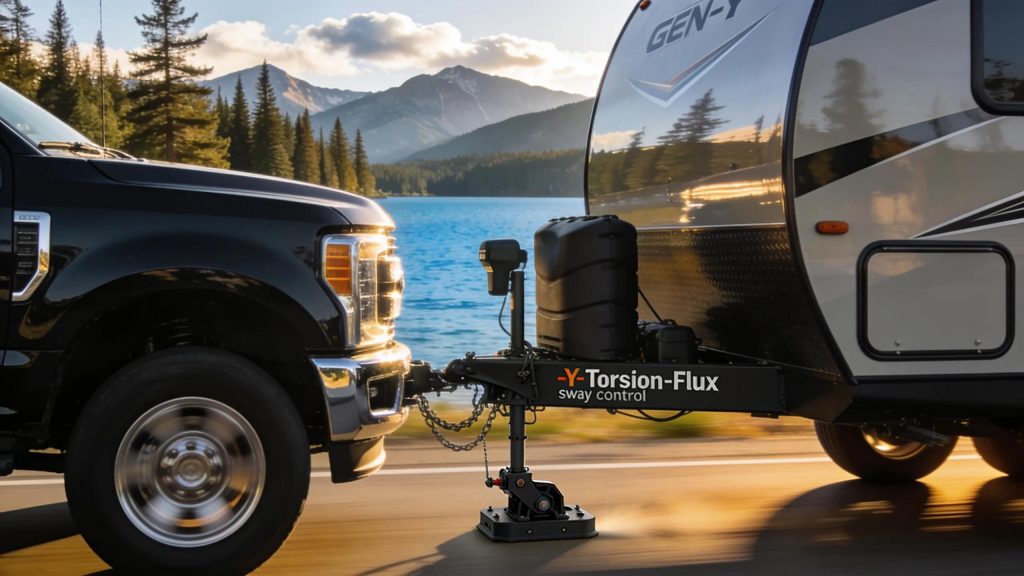
Safety is a fundamental aspect of towing, and both the Torsion-Flex and traditional drop hitches come equipped with distinctive safety features. The Gen-Y Torsion-Flex Hitch integrates a built-in torsion system that enhances shock absorption, providing a smoother ride and reducing driver fatigue. This system excels in minimizing the impact of road shocks on both the tow vehicle and the trailer. Furthermore, the Torsion-Flex Hitch includes a gauge for monitoring tongue weight, ensuring optimal weight distribution for increased stability during towing.
In contrast, traditional drop hitches, while reliable, typically lack advanced shock absorption capabilities. This can lead to a harsher ride and increased wear on the vehicle and trailer over time. Comparing these safety features illustrates the Torsion-Flex’s advantage in facilitating a safer towing experience.
Towing Flexibility:
Towing flexibility is critical for accommodating different trailer designs and heights. The Gen-Y Torsion-Flex Hitch is adjustable, allowing users to tailor the height to fit various trailer configurations, which is particularly beneficial for users who frequently switch between different trailers. Its design enables a proper trailer attitude, which is crucial for safe handling.
On the other hand, traditional drop hitches offer limited height adjustment, often leading to improper vehicle-trailer alignment. Users may find themselves needing additional accessories to compensate for height discrepancies. As such, the Torsion-Flex Hitch stands out for its versatility, making it a preferred choice among diverse towing needs.
Performance Differences:
#image_Geny Adjustable Hitch
When evaluating performance under load and in various towing conditions, the differences between the Torsion-Flex and traditional drop hitches become apparent. The Torsion-Flex design provides superior ride quality, particularly when handling heavy loads. Users commonly report reduced driver fatigue due to the enhanced shock absorption that the torsion system offers.
Conversely, traditional drop hitches may result in a less comfortable driving experience, particularly when towing heavier trailers. The structural limitations of these hitches often lead to pronounced jolts during transport, which can become uncomfortable over extended trips. Consequently, performance becomes a decisive factor for those who frequently tow substantial loads or travel long distances.
This table summarizes the inherent differences in features and benefits between the two hitch types, underscoring the Torsion-Flex’s design advantages.
Key Features:
The key features of the Gen-Y Torsion-Flex Hitch include a unique torsion system designed to absorb shocks and improve ride comfort, adjustable height settings to accommodate different trailer heights, and durable construction that supports heavy loads. These features collectively enhance the towing experience, making the Torsion-Flex Hitch an optimal choice for various applications.
In comparison, traditional drop hitches come with straightforward design characteristics. They typically include a solid frame but lack the adjustability and advanced features that enhance ride safety and comfort. The difference in feature sets highlights the advancements represented by the Torsion-Flex Hitch, aligning it with modern towing needs.
Design Characteristics:
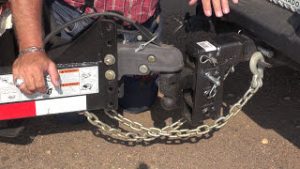
Examining the design characteristics of both hitch types reveals a significant contrast in construction and functionality. The Torsion-Flex Hitch is constructed with heavy-duty materials that ensure durability and longevity. This hitch employs a single pin adjustment mechanism, simplifying the modification process.
In contrast, traditional drop hitches often utilize fixed connection points, which restrict height adjustments and can complicate compatibility with various trailers. This limitation underscores the Torsion-Flex design’s advanced engineering, which is better suited to meet the challenges of diverse towing environments.
Performance Benefits:

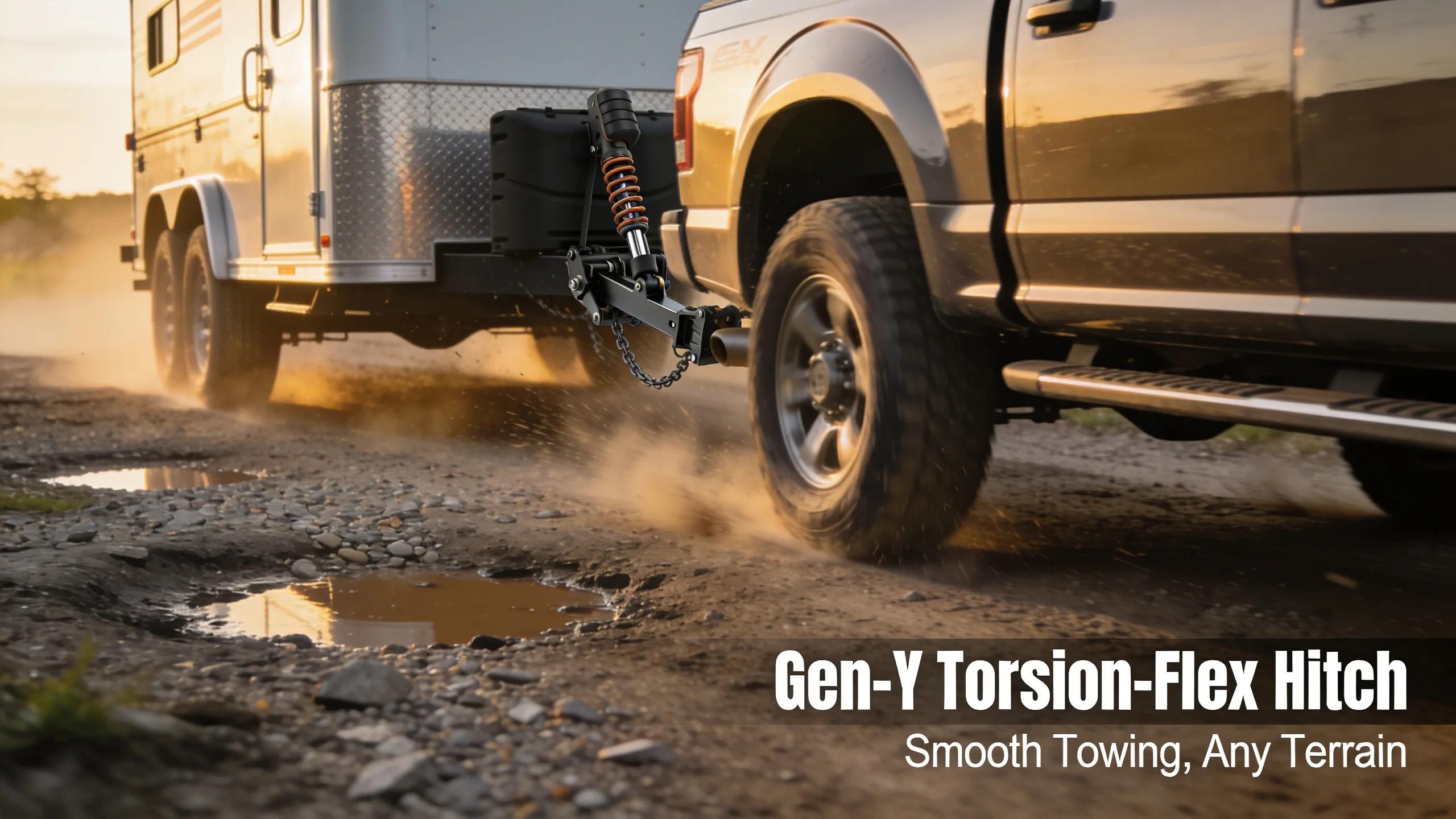
Both hitch designs offer distinct performance benefits, especially concerning ride quality and efficiency during towing. The Torsion-Flex Hitch enhances ride quality through its shock-absorbing features, leading to improved stability and control when navigating uneven surfaces or inclement weather.
Additionally, improved efficiency in various trailer types comes from the optimized weight distribution provided by the Torsion-Flex design. This results in confident handling and reduced wear on both the vehicle and trailer. Meanwhile, traditional drop hitches may struggle to provide the same level of stability and comfort, particularly in challenging towing scenarios.
Specific Use Cases:
Specific scenarios point to clear advantages for the Torsion-Flex Hitch over traditional drop hitches. For instance, users towing heavier horse trailers benefit significantly from the shock-absorbing technology that minimizes the transfer of road vibrations. This makes for a much safer and more comfortable experience for both the vehicle occupants and the animals being transported.
Conversely, traditional drop hitches may fall short in this context, as the lack of advanced absorption technology can lead to a bumpy ride, increasing the risk of stress on the trailer and its contents. Thus, selecting the appropriate hitch based on specific use cases ensures optimal towing performance.
How Does the Torsion Flex Technology Enhance Towing Flexibility and Sway Control?
The Torsion Flex technology functions by absorbing vertical shocks generated during transit, thereby providing superior sway control. This technology not only enhances ride quality but also contributes to safer braking and stability by maintaining proper alignment between the tow vehicle and trailer. By reducing lateral movement, the Torsion-Flex minimizes the risk of sway, making it a safer choice for transporting heavier loads.
What Are the Main Characteristics of Traditional Drop Hitches for Trailer Compatibility?
Traditional drop hitches are characterized by fixed connection points that can limit height adjustments, making them less versatile for various trailer types. Their straightforward construction is typically robust; however, their inability to adapt to different towing scenarios may result in improper alignment and decreased towing effectiveness. This rigid design restricts optimal weight distribution, potentially compromising safety and performance.
How Do Gen-Y Adjustable Hitches Compare in Performance and Use Cases?
When comparing the performance of Gen-Y adjustable hitches to traditional drop hitches, a comprehensive analysis reveals a superior operational capacity for the Torsion-Flex system. Users often praise the enhanced comfort and control that Gen-Y hitches provide, particularly in high-demand towing situations. The Torsion-Flex adjusts effectively to varying trailer heights, ensuring stability across different loads, whereas traditional options may not accommodate such diversity without additional components.
Which Hitch Offers Better Safety and Comfort for Pickup Truck Towing?
In terms of safety and comfort, the Gen-Y Torsion-Flex Hitch clearly outperforms traditional drop hitches. The incorporation of a torsion system elevates the safety features, supporting better weight management and driving dynamics. This design leads to a notably smoother driving experience, resulting in decreased driver fatigue. Comparatively, traditional drop hitches, due to their rigid design, may compromise comfort, especially during extended towing periods.
What Are the Best Hitch Options for Horse Trailers and Specialized Trailer Types?
For horse trailers and specialized trailers, the Gen-Y Torsion-Flex Hitch emerges as the optimal choice due to its adaptability and superior shock absorption. Ensuring a smooth ride is essential for the safety of pets, and this technology facilitates that by mitigating road impacts. Traditional drop hitches may not suffice in providing the same level of comfort and safety for specialized uses, which can lead to increased stress on both the tow vehicle and the trailer’s contents.
What Should You Know About Installing and Maintaining Gen-Y Adjustable Hitches?
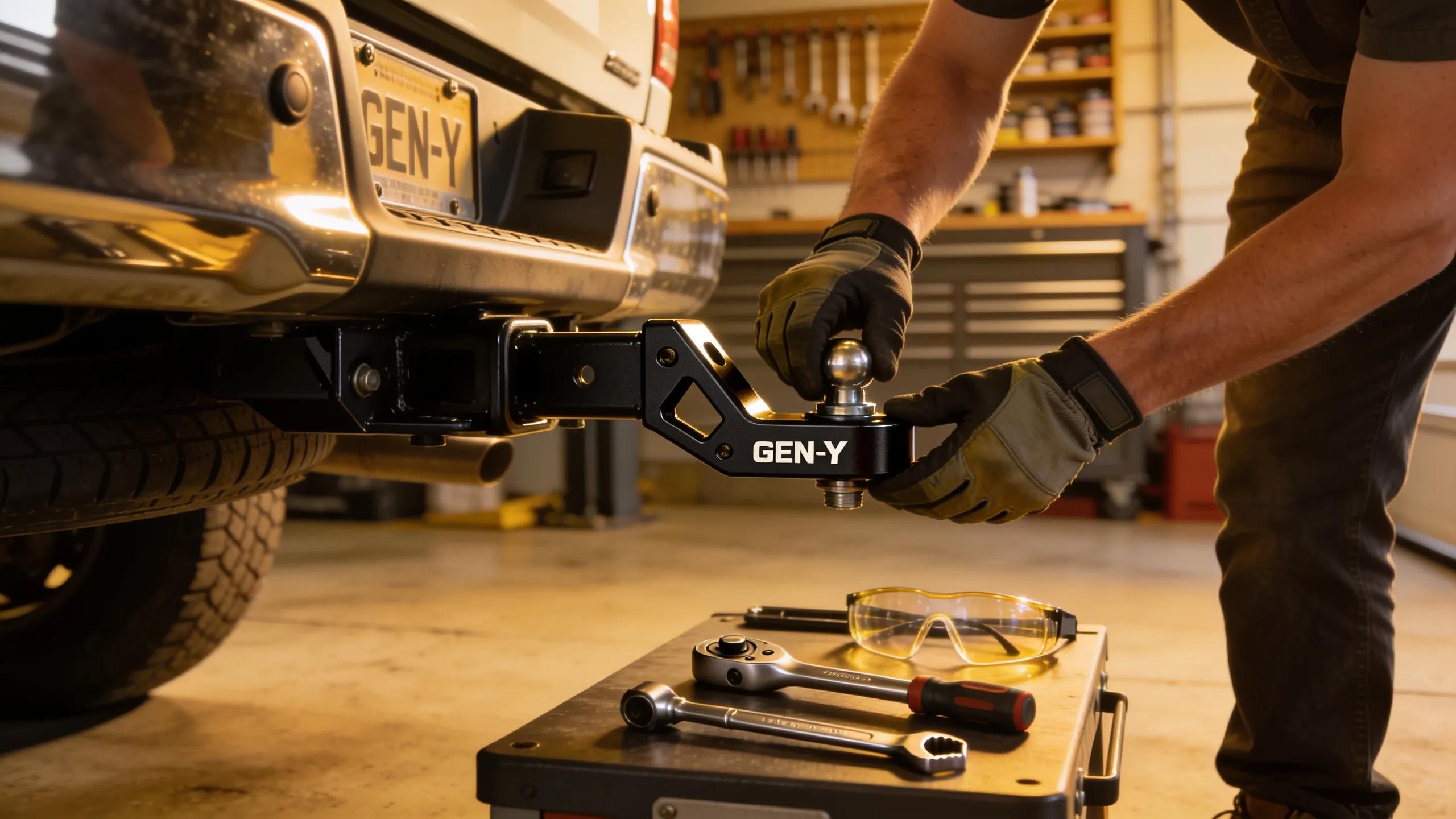
Installing and maintaining Gen-Y adjustable hitches can be straightforward, with clear instructions provided for users. The Torsion-Flex hitch is designed for easy installation, typically requiring no special tools. Routine maintenance practices, like checking the torsion system and ensuring all connections are secure, can extend the life and performance of these hitches significantly, setting them apart from traditional alternatives.
How Easy Is It to Install the Torsion-Flex vs. Traditional Drop Hitch?
In terms of installation complexity, both hitch types are generally accessible for the average user. The Torsion-Flex Hitch typically employs a user-friendly setup process with straightforward visual aids to guide installation. However, users report that adjusting height and alignment is noticeably easier with the Torsion-Flex due to its design features. Traditional drop hitches may require more attention to detail during installation, particularly concerning height adjustments.
What Maintenance Practices Extend the Life and Performance of Adjustable Hitches?
For adjustable hitches, routine inspections are imperative to maintain optimal functionality. Key practices include:
- Regular Checks: Routinely examine the hitch for signs of wear or damage.
- Lubrication: Ensure moving parts are well-lubricated to prevent corrosion.
- Tightening Connections: Regularly tighten bolts and check connection points to ensure stability during towing.
These practices help extend the lifespan and efficiency of both Torsion-Flex and traditional hitches, emphasizing the importance of maintenance.
What Are the Answers to Common Questions About Gen-Y Adjustable Trailer Hitches?
Several common inquiries arise regarding Gen-Y adjustable trailer hitches, particularly surrounding their functionality and benefits. Users often want to know about load capacities, compatibility with various trailers, and maintenance requirements. Addressing these questions ensures users have all the information necessary to maximize their towing experience safely.
What Advantages Does the Gen-Y Torsion Flex Hitch Have Over Traditional Drop Hitches?
The Gen-Y Torsion-Flex Hitch offers several notable advantages over traditional drop hitches. Its advanced design provides enhanced safety through effective weight distribution and shock absorption. Additionally, the flexibility in height adjustment and improved ride quality cater to a wide range of towing needs. These factors make it a preferred choice for users who prioritize both safety and comfort in their towing experiences.
How Do Adjustable Trailer Hitches Work to Improve Towing Safety and Flexibility?
Adjustable trailer hitches work by promoting optimal weight distribution and providing flexibility for different trailer heights. This adaptability enhances overall towing safety by ensuring that the trailer remains level, thereby minimizing sway during transit. Such mechanisms offer a significant advantage, particularly when navigating rough terrains or when varying loads are involved.
Comments
comments

