

Gooseneck vs. 5th Wheel Hitches: Heavy Towing Differences, Capacities & Setup Guide for Pickup Trucks
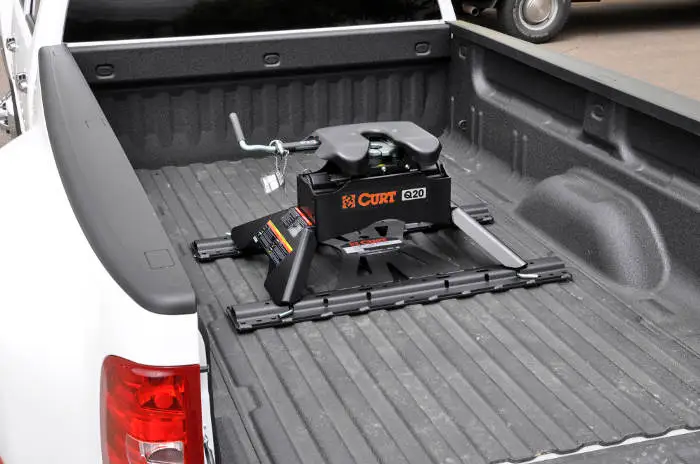
#image_5th wheel
When it comes to towing heavy loads, selecting the right hitch is crucial for trailering safety and performance. Gooseneck and 5th wheel hitches are both popular choices among towing enthusiasts, each offering unique advantages and specifications. This article aims to clarify the differences between gooseneck and 5th wheel hitches, including their capacities, setup procedures, and best uses. By understanding these distinctions, you can make an informed decision that aligns with your towing needs and vehicle capabilities.
In the following sections, we will explore the critical differences between these hitch types, their stability and handling characteristics, and practical installation guides. Additionally, we will provide insights into payload considerations and which hitch is best for specific applications, ensuring that your towing experience is both safe and effective.MrTruck.com
Differences Between Gooseneck and 5th Wheel Hitches for Heavy Towing
Understanding the differences between gooseneck and 5th wheel hitches is vital for any vehicle owner looking to tow. Each type has its unique features that cater to different towing needs, making it essential to choose the right one based on your specific circumstances.
Connection Type:
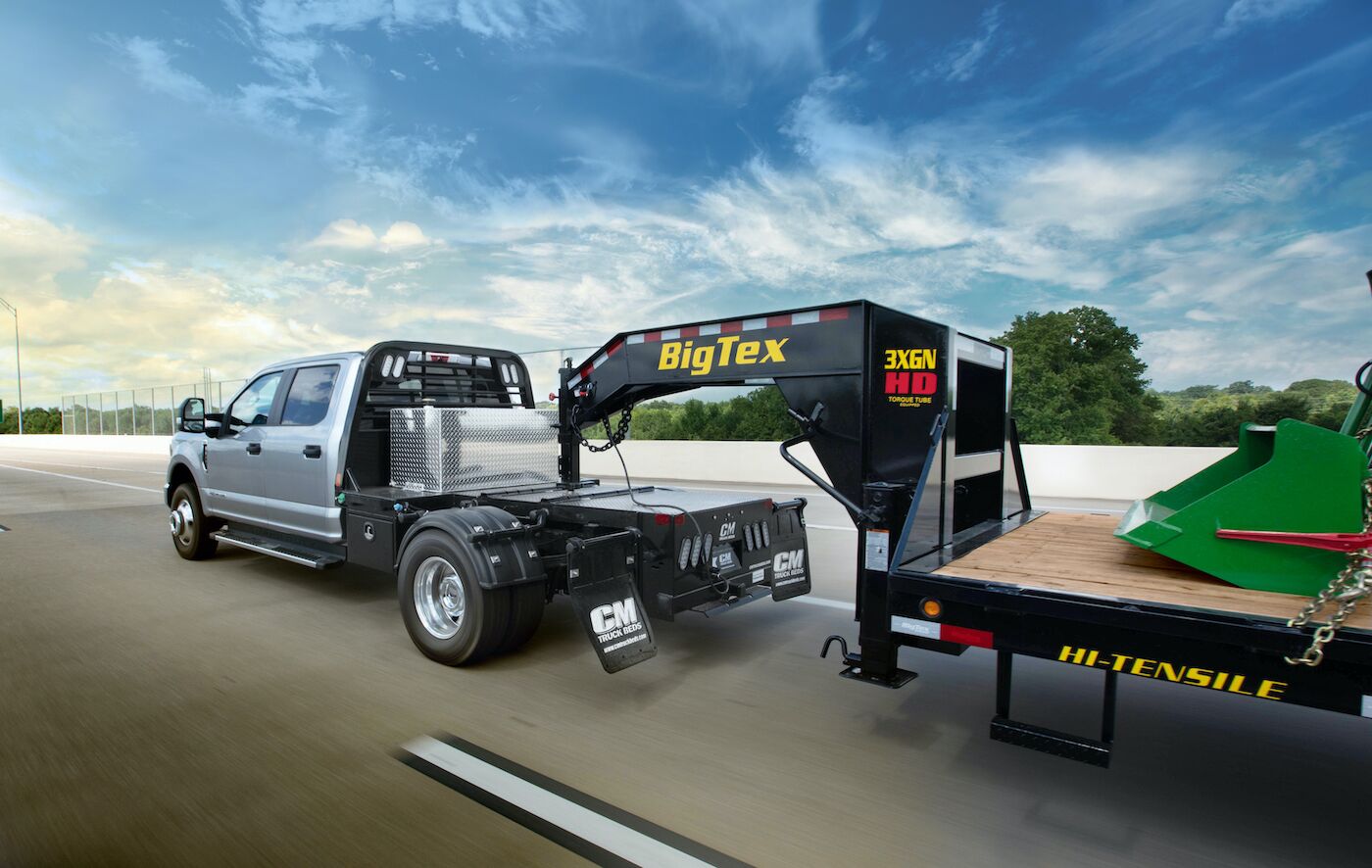
#image_gooseneck trailer
Gooseneck hitches utilize a ball connection system, which allows for greater flexibility and maneuverability. This configuration typically features a rounded hitch ball mounted in the truck bed, enabling easy attachment and detachment of trailers. In contrast, 5th wheel hitches employ a kingpin and plate connection, which creates a stable hitching point over the axle, offering enhanced stability during towing. This type generally requires more exact alignment during setup but provides superior stability for heavy trailers.
Common Uses:
Gooseneck hitches are often preferred for heavy-duty transport scenarios, such as hauling large livestock trailers, equipment, or trailers with substantial weight. Their design supports generally higher weight capacities and is thus suitable for more demanding towing tasks. On the other hand, 5th wheel hitches are frequently used with recreational vehicles (RVs) and travel trailers, providing a secure fit that enhances safety and comfort during road trips.
Bed Space and Access:
One significant advantage of gooseneck hitches is how they affect truck bed usability. When not in use, the gooseneck ball can be removed, allowing for full access to the truck bed area. This feature makes them appealing for users who need a functional bed for other purposes. Conversely, 5th wheel hitches occupy more space in the truck bed due to their design, which can limit accessibility and redistribution of loads.
Towing Capacity:
Pickup truck towing a 5th wheel travel trailer with the kingpin hitch visible in the
In general, gooseneck trailers boast higher towing capacities compared to 5th wheel trailers, particularly for heavier loads. Goosenecks support heavier loads due to their structural design and hitch placement, allowing for better weight distribution across the vehicle. This makes them ideal for individuals who frequently tow large trailers for hauling equipment or livestock. On the flip side, 5th wheel hitches can support lighter loads, making them suitable for recreational uses like RV towing, where stability and ease of operation are prioritized.
Stability and Handling:
Stability is a crucial consideration when towing. Gooseneck hitches typically provide more control in handling due to their placement over the rear axle, ensuring that the trailer remains stable in various driving conditions. Many users report that gooseneck setups offer better maneuverability on tight corners. Meanwhile, 5th wheel hitches excel in stability when towing lighter loads, particularly on highways, where their lower center of gravity contributes to a smoother towing experience.
Research into vehicle dynamics highlights how specific hitch designs influence trailer behavior and sway control during highway transit.
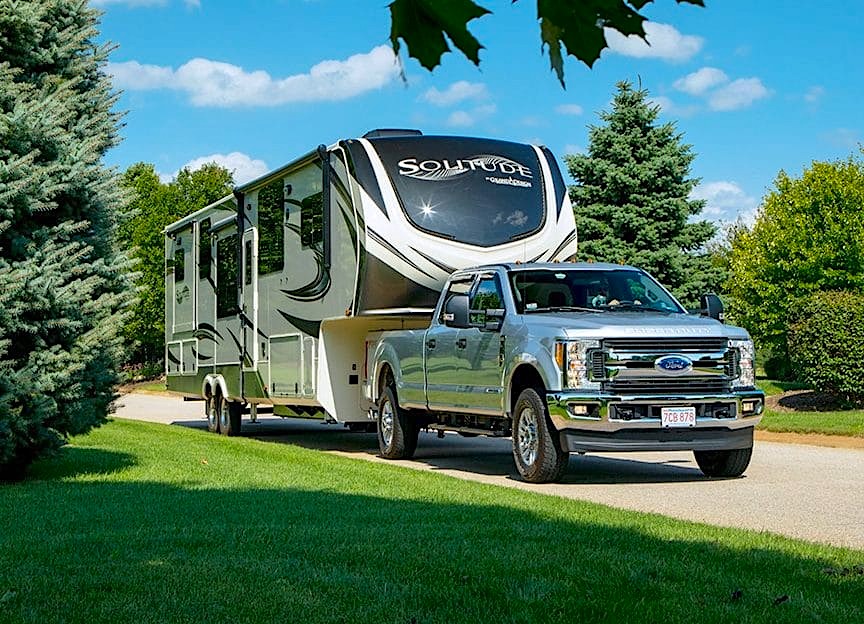
#image_5th wheel-RV
5th Wheel Hitch Sway Damping and Performance Analysis Results validate the understanding that 5thwheel trailers, at 20% pin weight generally have substantially better sway damping than conventional trailers. Tests at 10% pin weight show trailer sway damping is substantially reduced, but still is well above minimum industry accepted standards. Much of the improved sway damping for 5thwheel trailers can be attributed to the forward hitch location and not just the higher hitch loads that are typically used. Sway Stability of 5TH Wheel RV Trailers, 2012
Installation and Setup:
Installation procedures vary significantly between gooseneck and 5th wheel hitches. Gooseneck hitches are often more straightforward to install and require fewer modifications to the truck bed. In contrast, 5th wheel hitches may necessitate specific truck bed alterations, such as reinforced strength at mounting points, to accommodate their additional weight. As such, understanding installation requirements for each hitch is key for effective setup.
Payload Considerations:
Payload capacity is essential for safe towing. Gooseneck hitches impact truck payload ratings by distributing weight more effectively across the truck’s frame, allowing for higher overall towing limits. Conversely, 5th wheel hitches require careful monitoring of pin weight to avoid exceeding payload capacities. Users should also consider the overall configuration of their vehicles to ensure compatibility with their chosen hitch style.
Choosing the Right Hitch:
Selecting the right hitch depends on a range of factors, including intended use and compatibility with your truck. If you primarily tow heavy equipment or livestock, a gooseneck hitch may be the best option due to its higher limits and flexible design. However, if you’re looking to tow an RV or travel trailer, a 5th wheel hitch could be more suited for your needs, offering stability and user-friendly functionality. Understanding your specific towing needs is crucial in making an educated decision.
What Are Gooseneck and 5th Wheel Hitches? Key Differences Explained
Gooseneck and 5th wheel hitches serve distinct purposes within the world of heavy towing. A gooseneck hitch is designed to connect a trailer via a ball-and-socket mechanism situated in the truck bed. This allows for a more agile and capable towing experience, especially suited to heavy-duty applications. Conversely, a 5th wheel hitch uses a kingpin system to affix a trailer over the truck’s rear axle, creating a stable connection that enhances safety, especially for lighter loads or travel trailers. Understanding these fundamental differences can help truck owners make more informed choices about their towing capabilities.
How Does Hitch Placement Affect Towing Performance?
The placement of your hitch significantly impacts towing performance and safety. A properly positioned hitch enhances weight distribution, leading to improved vehicle handling and reduced risk of swaying or instability during towing. Gooseneck hitches generally allow placements that optimize load balance, whereas the location of 5th wheel hitches calls for precise alignment, ensuring trailers follow the truck’s path seamlessly. The position significantly contributes to how well vehicles manage towing dynamics.
Which Vehicles and Trailers Are Compatible with Each Hitch Type?
Compatibility is vital in towing operations. Certain truck models are designed to work best with either gooseneck or 5th wheel hitches depending on underlying structural support and hitch configurations. Gooseneck hitches often require trucks with sufficient bed length to enable proper attachment and operation. Conversely, 5th wheel hitches tend to be more suitable for a wider range of lightweight and medium-duty trailers, including RVs. Understanding the specifics of your vehicular setup, including payload and structural integrity, will allow for better matching of hitches.
What Are the Towing Capacities of Gooseneck vs. 5th Wheel Hitches?
When comparing the towing capacities of gooseneck and 5th wheel hitches, it typically emerges that goosenecks can tow heavier loads than their 5th wheel counterparts. This stems from technological design differences where goosenecks often withstand greater stress. Additionally, the requirements of regulations and safety standards signify that users should remain mindful of load capacities. By incorporating the proper calculations and safety checks, trailers can be towed effectively without compromising performance.
How Do Heavy-Duty Towing Capacities Compare Between Hitch Types?
Heavy-duty towing typically requires hitches that can endure intense pressure and stress. Gooseneck hitches, with their robust engineering, cater specifically to users needing higher limits for transporting machinery or livestock. On the other hand, while 5th wheel hitches provide adequate support for lighter operations, they may not accommodate the same weight thresholds. Understanding these distinctions ensures users are fully equipped to make educated decisions aligned with their towing pursuits. MrTruck Accessory sales
What Recent Industry Towing Capacity Standards Affect Hitch Choice?
Industry towing capacity standards are continuously evolving, and it’s crucial for towing enthusiasts to stay updated on recent regulations. These standards dictate the maximum allowable towing limits based on vehicle specifications. Changes may arise based on advancements in manufacturing or safety insights. Staying informed about these updates will ensure compliance with safety regulations and optimal towing practices, ultimately influencing your choice of hitch.
How to Install and Set Up Gooseneck and 5th Wheel Hitches?
Installation of hitch in truck bed with tools and parts arranged
Effective installation and setup of towing hitches depend on specific steps and precautions. For gooseneck hitches, it often involves measuring and drilling into the truck bed, securing the hitch, and checking alignment to guarantee a stable fit. On the other hand, 5th wheel installations can be more demanding, often requiring modifications to the truck itself to enable secure fitting. By prioritizing safety checks and adhering to manufacturer guidelines, users can ensure that hitches are set up correctly for effective towing.
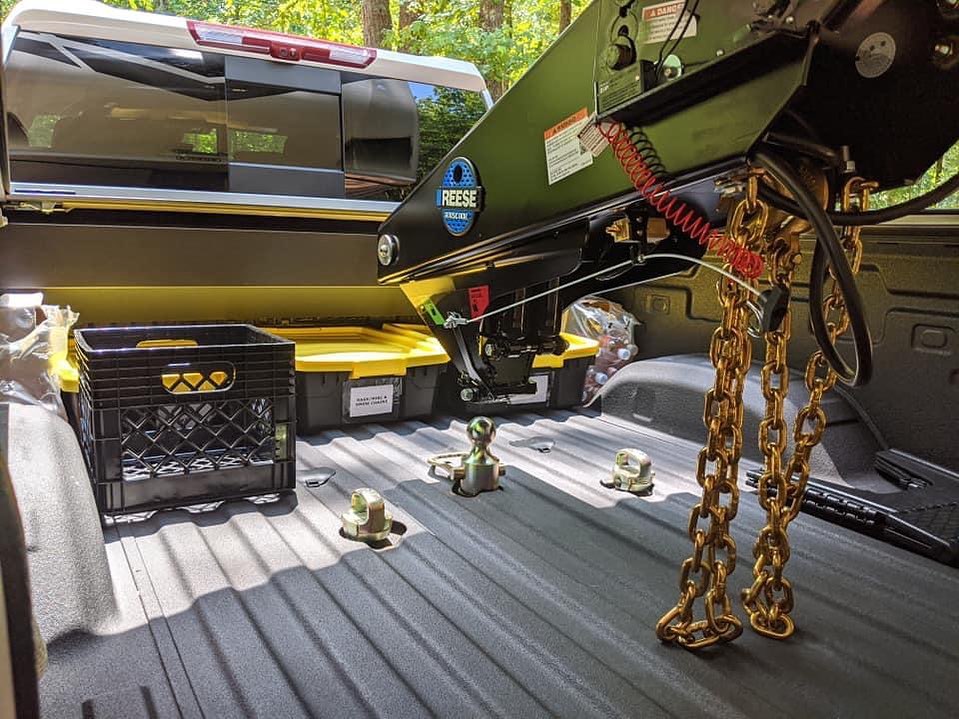
#image_gooseneck
What Are the Step-by-Step Installation Procedures for Gooseneck Hitches?
Gather Tools: Essential tools include a drill, socket set, wrench, and level.
Position the Hitch: Identify the correct placement of the ball mount in the truck bed based on the type of trailer to be towed.
Mark and Drill Holes: Use the hitch base as a template to mark holes, then carefully drill into the truck bed.
Secure the Hitch: Insert bolts through the drilled holes and tighten them, ensuring no movement can occur.
Final Inspection: Confirm alignment and secure any loose parts before use.
How Does 5th Wheel Hitch Installation Differ and What Truck Bed Modifications Are Needed?
Select Hitch Location: Identify the best position over the truck’s rear axle for optimal weight distribution.
Drill and Reinforcement: Drill into the truck bed where the mount holes will be, often requiring the installation of a mounting plate for reinforcement.
Attach Kingpin Plate: Affix the kingpin plate, ensuring proper fitment by checking for level alignment. Secure Wiring: Connect any necessary light wiring for trailer brake signals and lights during towing. Check Alignment and Load: Ensure that everything is correctly aligned and safe before towing to avoid accidents.
What Safety Tips and Maintenance Practices Should Towing Enthusiasts Follow?
Safety is paramount when it comes to towing with a gooseneck or 5th wheel hitch. Regular maintenance and safety checks can significantly reduce the risk of accidents during towing.
How to Ensure Safe Towing with Gooseneck and 5th Wheel Hitches?
Inspect Before Use: Always check the hitch components for wear and secure connections prior to each use.
Monitor Weight: Adhere to specified towing weights and ensure proper distribution of loads to prevent swaying. Conduct Brake Checks: Ensure that trailer brakes function accurately by testing before journeying. Stay Within Speed Limits: Abide by local speed limits, especially in hazardous conditions that impact trailer handling.
Plan Routes: Anticipate your route, accounting for height restrictions and tight curves where applicable.
What Maintenance Routines Extend Hitch Lifespan and Performance? Regular Cleaning: Clean hitch and connection points periodically to prevent corrosion. Lubrication: Apply appropriate lubricants to moving parts to ensure smooth operation and longevity.
Inspection for Wear: Regularly inspect for wear, particularly at bolt connections and contact points.
Replacement of Damaged Parts: Immediately replace any damaged components to maintain safety during towing. Document Maintenance: Keep records of maintenance checks to monitor the condition over time. By adhering to these guidelines, towing enthusiasts can maximize both the longevity and performance of their gooseneck and 5th wheel hitches, enhancing their overall towing experience.
For more pickup truck, trailer, and towing accessory reviews, visit MrTruck.com.
(Bio) MrTruck, Kent Sundling: First 32 years on the farm, moved to the big city to sell trucks to save the farm AD (after the divorce) sold pickup trucks for 10 years in Denver. Last 26 years I review trucks, trailers and towing accessories in horse magazines, Farm Journal, Fence Post and on RFD TV
Comments
comments

