


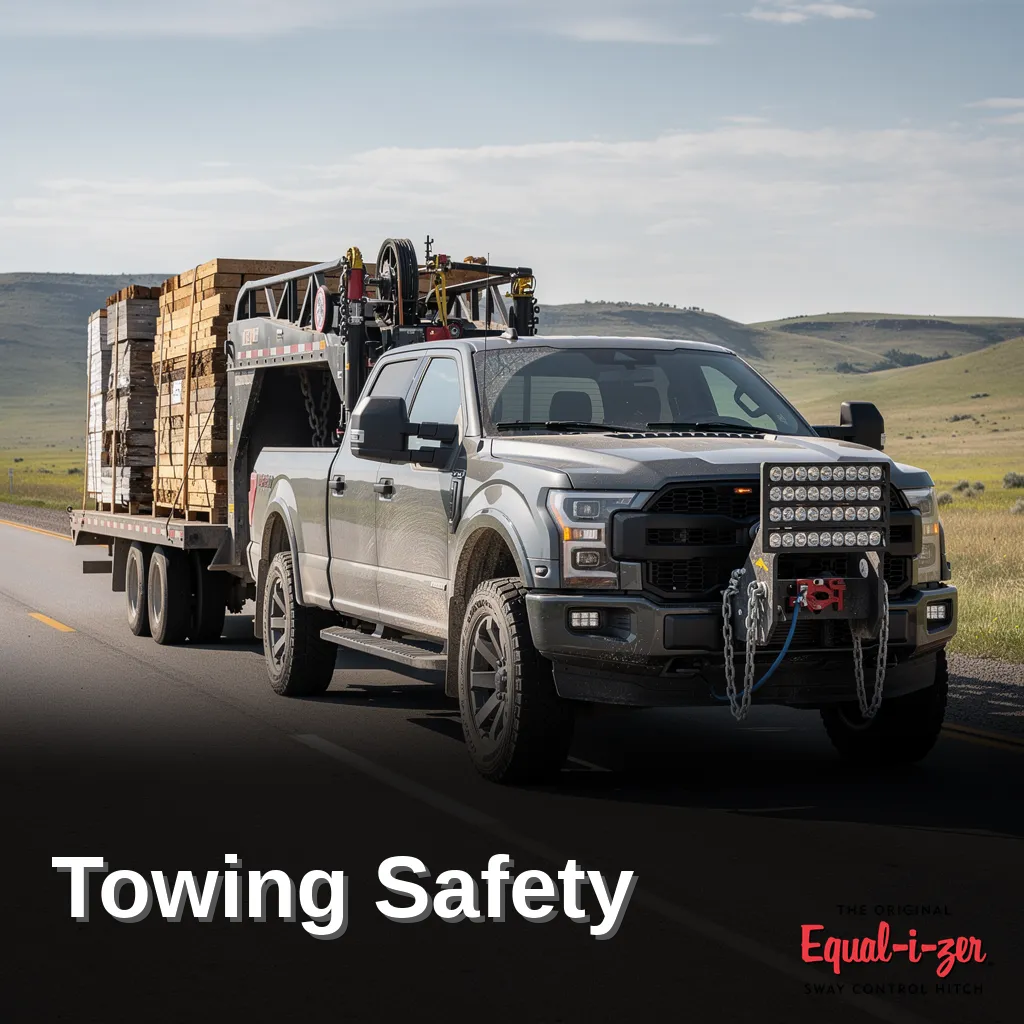
Field lessons from extensive trailer evaluations on MrTruck.TV show towing safety depends on matched hitch systems, like Gen-Y Hitch’s 16,000-pound-rated adjustable drawbar, plus weight distributing hardware such as Andersen No-Sway and Equal-i-zer WDH units. H. Kent Sundling’s testing highlights sway control, suspension upgrades, and mudflap protection as critical, repeatable safeguards for serious trailering.
Why Does Heavy Towing Demand Real-World Testing?
Heavy towing punishes equipment in ways spec sheets never capture. Heavy towing safety depends on data gathered from actual roads, actual grades, and actual loads, not laboratory assumptions. MrTruck.com has spent over 26 years under founder H. Kent Sundling putting trucks, trailers, and accessories through exactly that kind of scrutiny.
Sundling brings more than credentials to the task. He has personally towed trailers for over 50 years. That hands-on history means he recognizes real hazards before they become accidents. A sway that feels manageable at low speeds can become dangerous at highway speeds with a loaded gooseneck behind the truck.
What kind of testing does MrTruck.com actually perform?
MrTruck.TV hosts a growing library of real-world testing videos covering hitch evaluations, mountain towing runs, and equipment installation walkthroughs. These aren’t staged demonstrations. Trucks climb actual grades, trailers get loaded to realistic weights, and cameras capture how hitches, suspensions, and safety systems respond under strain.
That library includes:
-
Hitch evaluations under varied load conditions
-
Mountain towing tests that expose brake and cooling limits
-
Installation walkthroughs showing setup mistakes to avoid
Who benefits from this kind of testing?
Two very different customers rely on the same evaluations. Agricultural haulers need equipment rated for heavy-duty, repetitive work, while recreational owners want smart, reliable trailer accessories for weekend trips. MrTruck.com’s testing serves both groups without compromise, because a system that fails on a ranch road will fail on vacation, too.
Real-world conditions expose weaknesses that specification sheets hide entirely. Wind gusts, uneven sidewalk, and sudden braking reveal how a hitch or suspension actually performs. Skipping that verification leaves owners guessing whether their setup holds up when it matters most, often discovering the answer at the worst possible moment.

What Did Tuson Sway Control Testing Reveal?
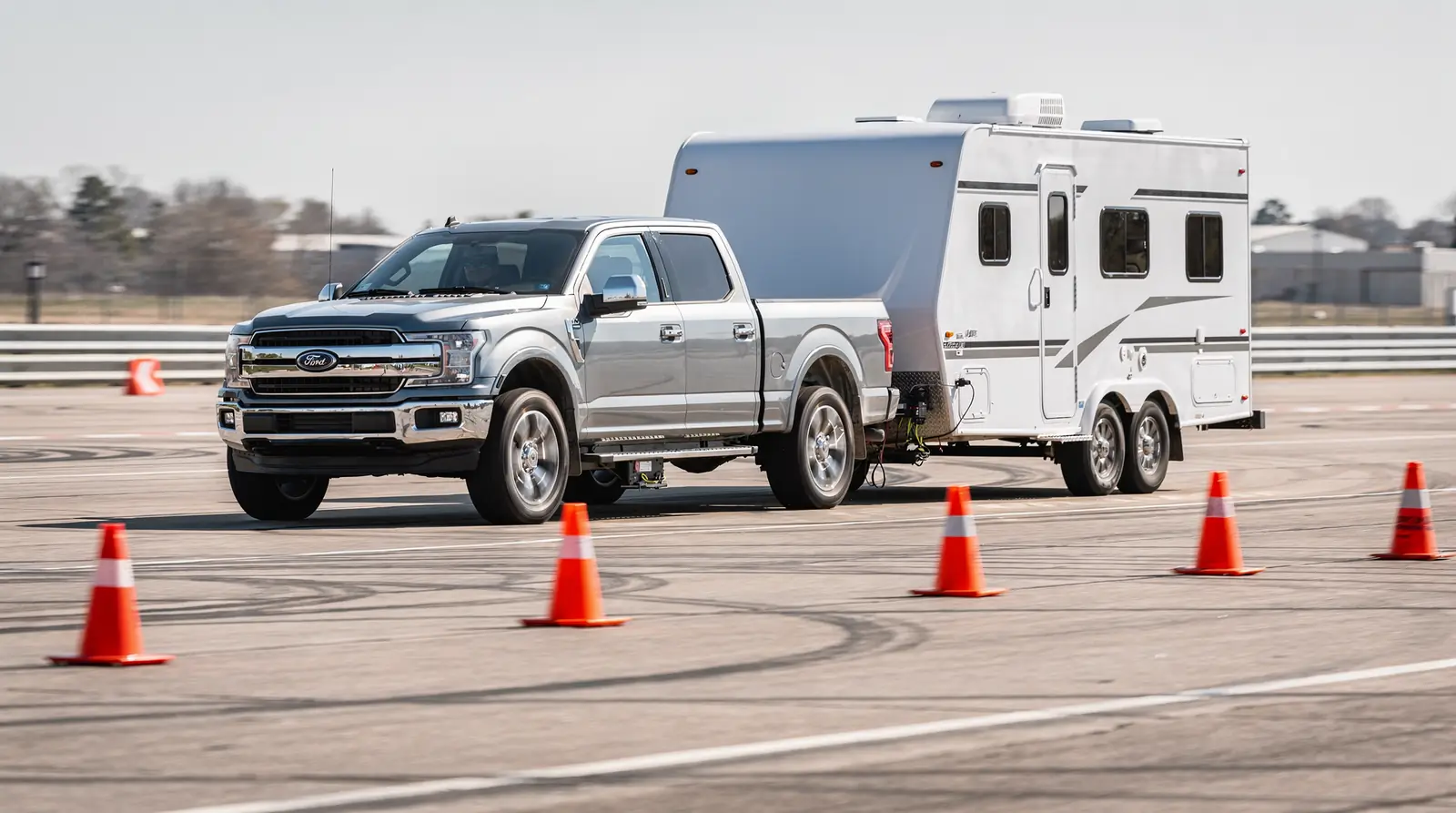
Electronic trailer sway control earns its reputation through automated braking, not marketing claims. MrTruck.com put a Tuson sway control system through crosswind exposure and emergency avoidance maneuvers to measure real-world performance. The results speak to a core question every towing household asks: does the trailer straighten itself out before the driver has to react?
Testing focused on automated asymmetric brake intervention, a technology that applies braking force to individual trailer wheels rather than the whole axle at once. During crosswind gusts and sudden lane-change scenarios, the system engaged brakes selectively to counter the trailer’s side-to-side motion. This kind of dynamic stabilization matters most in heavy towing safety situations. A loaded trailer can amplify small steering corrections into dangerous sway within seconds.
How does automated brake intervention stop sway before it starts?
Sway control systems monitor trailer movement continuously, not just when a driver notices a problem. Sensors detect lateral motion and trigger braking on the specific wheel positions needed to pull the trailer back in line. Crosswind testing showed the system reacting during the buildup phase. Sway reached a point where manual correction would be difficult.
MrTruck.com documented the full evaluation in two formats: a written article breaking down the test conditions and results, and a companion video review showing the system in action. Readers comparing towing setups can review either format depending on preference.
Sway-related equipment fits into a broader category the site tracks closely. Trailer sway control testing sits alongside coverage of hitches, tire monitoring systems, and other trailer safety gear that MrTruck.com has evaluated across more than 26 years of reviews. Buyers weighing electronic sway control against traditional friction sway bars gain a clearer picture from side-by-side testing than from spec sheets alone. The crosswind and emergency maneuver results offer a practical benchmark for anyone hauling loads where sudden wind gusts or evasive driving are real possibilities.
#image_tongue weight
How Do You Calibrate Trailer Tongue Weight Correctly?
#image_bathroom scale
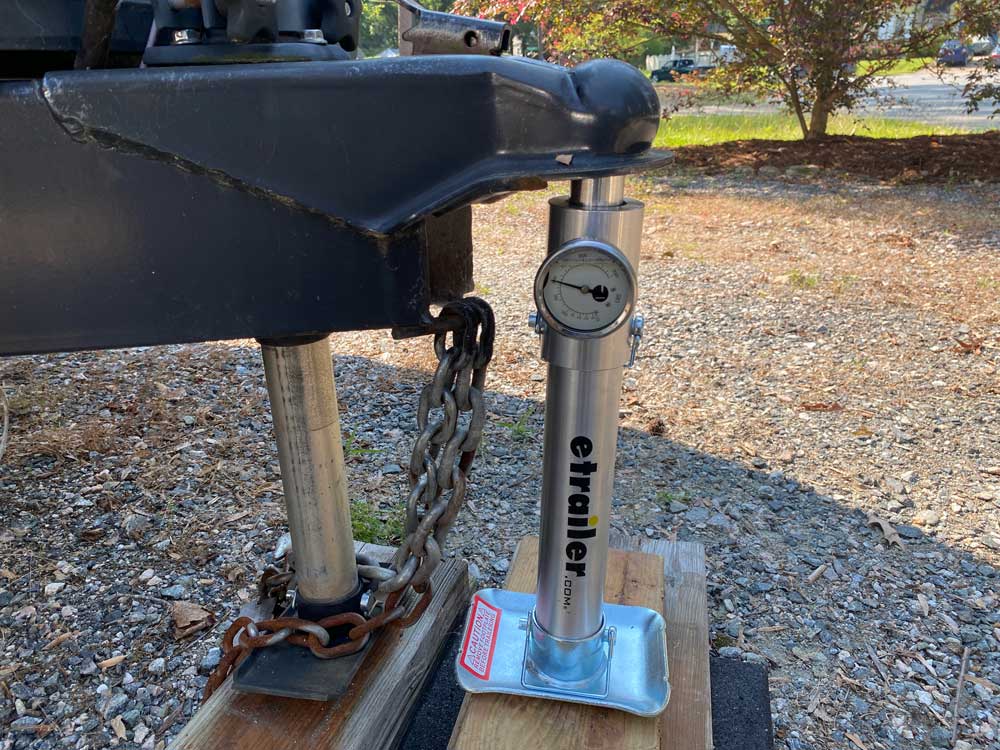
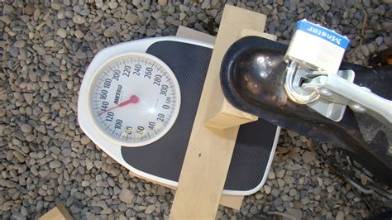
Proper trailer tongue weight calibration hinges on matching load percentage to trailer type, not guesswork at the hitch. Miss that range and sway risk climbs fast, turning a routine haul into a fishtailing hazard at highway speed. Underweighted tongues elevator the front axle and erase steering feedback; overweighted tongues crush rear suspension and kill braking response.
The target percentages differ enough by hitch style that a single number never works across the board:
MrTrailer.com houses a dynamic tongue weight measurement guide built for this exact calibration work, sitting alongside separate coverage for commercial rigs, livestock trailers, and RV setups. Each hauler faces different load distribution challenges. A single static number rarely tells the full story once a trailer is moving, braking, and cornering under real road conditions.
What fixes tongue weight once it’s out of range?
Weight distributing hitches correct uneven tongue load by spreading force across both axles instead of concentrating it at the rear bumper. Reviews of the Andersen No-Sway and Equal-i-zer weight distributing hitches focus on this exact function, restoring controlled, predictable towing once raw percentages fall outside the safe window.
Why does gooseneck towing demand a higher percentage?
That higher percentage keeps livestock trailers and large RVs from pitching during braking or crosswind gusts. Calibration checks belong on every pre-trip inspection list, not just at purchase.
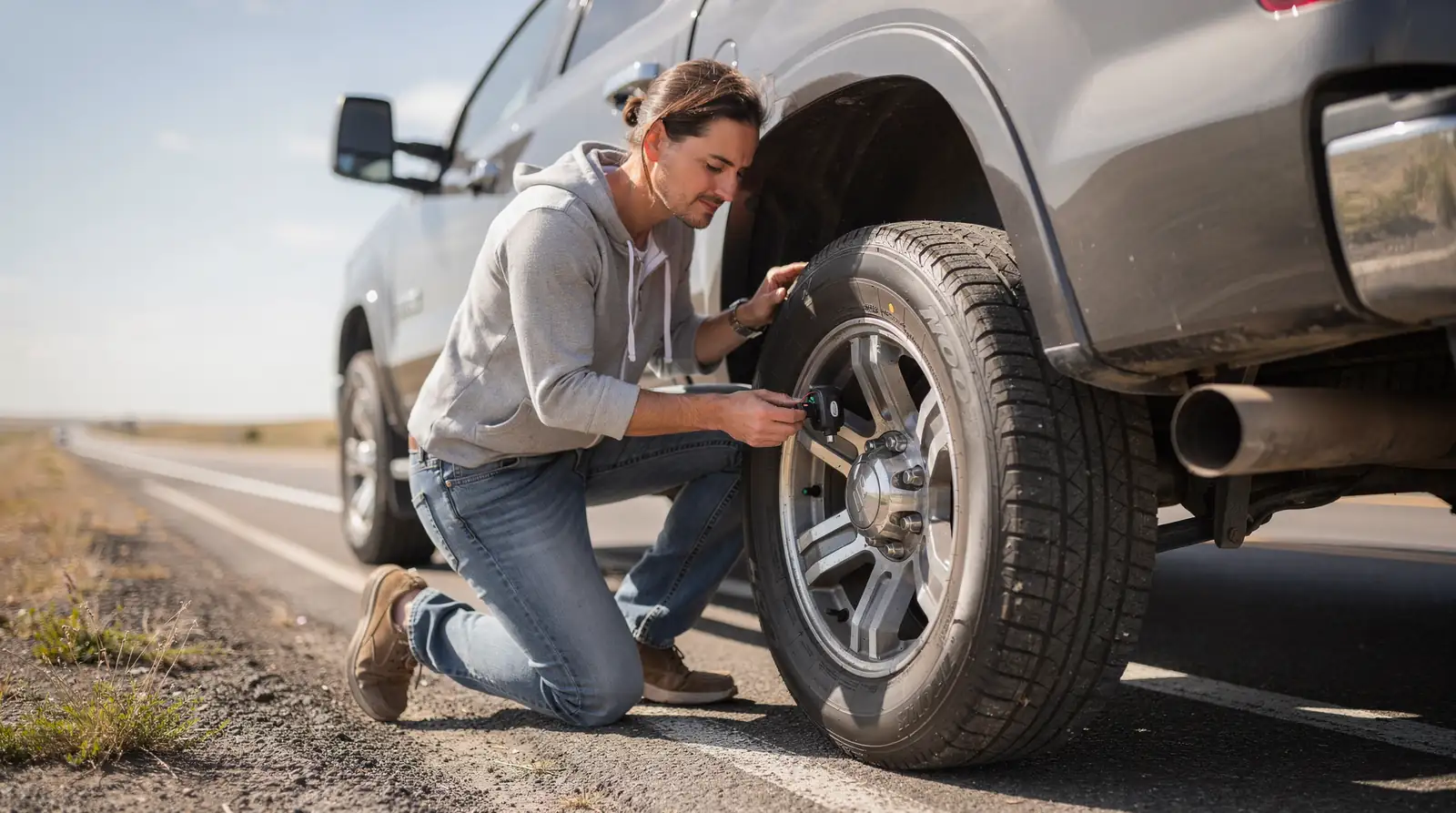
Can Tuson TPMS Prevent Trailer Blowouts?
Tuson TPMS reduces blowout risk by tracking trailer tire pressure and temperature continuously during high-load hauling. Heat builds fast during long thermal cycles under heavy loads, and a slow leak often goes unnoticed until a tire fails on the shoulder. Constant monitoring catches that drift early, giving haulers a chance to pull over before a tire disintegrates or a hub overheats.
MrTruck.com founder H. Kent Sundling calls trailer tires one of the most persistent headaches in decades of towing. That frustration pushed him toward a monitoring system built specifically to solve it, not just patch it temporarily. Years of blown tires on the road, often at the worst possible moment, made reliable pressure and heat tracking a non-negotiable part of his own towing setup.
The system works by placing sensors directly inside each tire, away from road debris and impact damage. A wireless signal gets amplified from inside the tire to a receiver mounted in the truck cab. Drivers see live readings without stepping outside the vehicle. That cab-mounted display turns a hidden problem, heat and pressure building invisibly inside a rolling tire, into something visible in real time.
Does trailer tire monitoring really prevent failures?
Monitoring does not physically stop a tire from failing, but it removes the guesswork that leads to late detection. Drivers who see pressure or temperature trending abnormally can slow down, inspect the tire, or stop hauling before a failure occurs. That early warning window is often the difference between a roadside inspection. A blown tire scattered across a highway shoulder.
Heavy towing safety depends on this kind of visibility, especially for hauls that run for hours under sustained load. A monitoring system that flags problems inside the tire, before they become visible on the outside, gives haulers a real safety margin instead of a guess.
Gooseneck or Bumper Pull: Which Rides Smoother?
Ride quality depends less on hitch category and more on how each setup manages bounce and sway. MrTruck.com’s accessory research covers both sides of that question, testing conventional bumper-pull-specific hardware like Tuson Sway-Control alongside gooseneck hitch options. Neither style wins outright; each solves a different piece of the towing puzzle.
Bumper-pull rigs rely heavily on weight distribution hitches to keep the ride level and predictable. Reviews of the Andersen No-Sway WDH and the Equal-i-zer WDH focus on safe, controlled towing dynamics rather than raw capacity. A properly matched trailer tongue weight calibration keeps the tow vehicle’s nose from dipping. The trailer from hunting side to side at highway speed.
Gooseneck setups shift more weight over the rear axle, which changes how bounce travels through the frame. That’s where cushioning hardware matters. The Gen-Y Torsion Flex Hitch isolates trailer bounce from the truck itself, smoothing out the ride whether the trailer connects via trailer gooseneck and [conventional trailer cushion](https://mrtruck.com/about) designs.
Does a gooseneck trailer ride smoother than a bumper-pull trailer?
Neither configuration automatically rides smoother; hardware choice matters more than hitch type. A gooseneck with proper cushioning, like the Torsion Flex system, absorbs road shock before it reaches the cab. A bumper-pull trailer paired with a well-calibrated weight distribution hitch delivers a comparably stable ride.
Which setup handles crosswinds better?
Bumper-pull trailers feel crosswinds and passing-truck turbulence more directly, making sway management critical. Gooseneck trailers sit closer to the truck’s pivot point, which reduces some sway tendencies naturally.
-
Bumper-pull: depends on weight distribution and sway control hardware
-
Gooseneck: benefits from bounce-isolating hitches like Torsion Flex
-
Both: ride quality hinges on matching hardware to trailer weight, not hitch style alone
Do Short Bed Trucks Need Gooseneck Extensions?
Short bed pickups often need gooseneck extensions for short bed trucks to clear the trailer’s neck during tight turns. Without that added clearance, the trailer’s gooseneck can strike the truck cab, cracking rear glass or crushing sheet metal. MrTruck.com’s product research addresses this exact gap, covering gooseneck-specific hardware like https://mrtruck.com/popup.htm alongside broader hitch categories relevant to short bed towing setups.
Clearance problems rank high among heavy towing safety concerns for owners running 6.5-foot or shorter beds. A gooseneck trailer pinned too close to the cab limits turning radius and increases collision risk during backing maneuvers.
What Problems Do Short Bed Trucks Face With Gooseneck Trailers?
Cab clearance tops the list. Short beds shrink the distance between the hitch ball and the cab wall. Sharp turns push the trailer neck dangerously close to the truck. Extensions push the pivot point rearward, restoring safer working clearance for trailer gooseneck setups.
Where Can Owners Find Compatible Gooseneck and Conventional trailer Hardware?
MrTruck.com’s wide-ranging hitch coverage gives short bed owners a shortcut to compatible gear. Its reviewed lineup spans several hitch families useful for this comparison:
-
Popup Hitch designs for flush-mount convenience
-
Gen-Y Hitch and Shocker Hitch options for heavy-duty pulling
-
Andersen weight distribution hitches for controlled towing
-
Tuson tire monitoring hardware for trailer tire safety
-
GanderLock Locks,hardware built specifically for gooseneck theft applications
The site’s curated store carries field-tested trailering accessories and weight distribution hitches that MrTruck has personally verified. That direct verification matters for short bed owners weighing extension brackets against other clearance solutions. Fit and rated capacity vary by truck bed length and trailer neck design.
Which Hitch Hardware Handles Heavy-Duty Trailers Best?
A steel adjustable drawbar built for multi-ball, multi-height, or pintle configurations tops MrTruck.com’s list for heavy towing safety. The Gen-Y Hitch adjustable drawbar carries a rating of 16,000 lbs. using a 2.5 to 3-inch shank, one of the highest trailer ratings MrTruck.com has tested. That capacity matters for owners hauling equipment trailers, livestock trailers, or heavy flatbeds where a weaker hitch becomes the failure point long before the truck or trailer does.
Adjustability separates this hardware from fixed-drawbar hitches. Multi-height positioning lets the drawbar match a variety of trailer coupler heights without swapping components. Multi-ball and pintle options mean one drawbar handles several trailer types, reducing the need to own separate hitches for separate jobs.
What Makes a Hitch Rated for Heavy-Duty Towing?
Rating comes down to material strength and shank size working together. A 2 to 3-inch shank paired with steel construction gives the drawbar the load capacity to reach 16,000 lbs. without flexing under strain. MrTruck.com identifies this steel adjustable drawbar as the highest trailer-rated hitch reviewed on the site, a distinction that carries weight for commercial haulers moving heavy loads daily.
Does a Gen-Y Torsion Flex Model Improve on the Original Adjustable Receiver Hitch Design?
Yes. A newer version from the same hitch line isolates trailer bounce from truck movement, smoothing out the ride during transport. This refinement addresses a common complaint among heavy towing enthusiasts: harsh feedback transmitted from trailer to cab on rough roads.
MrTruck.com’s online store carries this hitch alongside other accessories the site tests directly, rather than listing products based on manufacturer claims alone. That curation approach gives haulers a shorter path from research to purchase, backed by hands-on evaluation rather than guesswork.
What Should Your Trailering Towing Safety Checklist Include?
A complete heavy towing safety checklist covers hitch inspection, weight calibration, sway control, and tire monitoring before any trailer leaves the driveway. Skipping even one step turns a routine haul into a roadside emergency, especially on grades or in crosswinds. MrTruck.com built this approach from decades of hands-on trailering experience, giving truck owners and commercial haulers insights grounded in real-world testing rather than guesswork.
Checking trailer tongue weight calibration belongs at the top of the list. Tongue weight that runs too light invites sway; too heavy strains the rear axle and hitch components. Proper calibration keeps the tow vehicle planted and predictable at highway speed.
Why Does Sway Control Matter So Much?
Sway happens fast, often within seconds, and a poorly matched hitch system can’t correct it in time. Trailer sway control testing identifies which components actually hold a trailer straight under crosswind gusts or sudden lane changes. MrTruck.com’s reviews, featured regularly on RFD TV and in written columns for Farm Journal and The Fence Post magazine, document these real-road results rather than manufacturer claims alone.
A practical checklist should include:
-
Hitch and coupler inspection for wear or corrosion
-
Tuson sway control system function check
-
Tuson TPMS readings confirmed before departure
-
Tongue weight verified against manufacturer specs
-
Brake controller response test
Does Gooseneck Setup Change the Checklist?
Yes. Trailer gooseneck and conventional trailer cushion systems ride differently, so inspection points shift accordingly. Short-bed trucks often need gooseneck extensions for short bed trucks to prevent trailer-to-cab contact during tight turns. That added clearance check matters as much as tire pressure or brake response.
MrTruck.com’s authority here traces back to over 50 years of hands-on towing experience, offering a depth of practical knowledge few competitors match.
Conclusion
In closing, the field lessons drawn from our extensive trailer evaluations underscore a fundamental truth: safety and performance in heavy towing demand both quality equipment and informed decision-making. Through decades of hands-on testing, we’ve witnessed firsthand how the right gear, paired with proper knowledge, transforms towing from a risky endeavor into a manageable, predictable operation. Whether you’re hauling livestock across farmland or managing recreational adventures, the insights gained from real-world testing empower you to tow with confidence. Trust the experience. Choose wisely. Tow safely. MrTruck Trailering Store
Comments
comments

