


A loaded horse trailer pushing through a crosswind, a fifth-wheel RV dropping into a tight campground, or a flatbed headed down a rough ranch road will expose a bad hitch decision quickly. In the gooseneck vs fifth wheel question, neither hitch is automatically better. The right one is the hitch your trailer was built to use, your truck can safely carry, and your real-world towing job demands.
Both systems place trailer weight over or just ahead of the rear axle, which makes them far more stable than a bumper-pull trailer at comparable weights. That is why serious RVers, livestock haulers, equipment operators, and working truck owners rely on them. But the connection hardware, bed clearance, ride characteristics, and day-to-day convenience are not the same.
Gooseneck vs Fifth Wheel: The Basic Difference
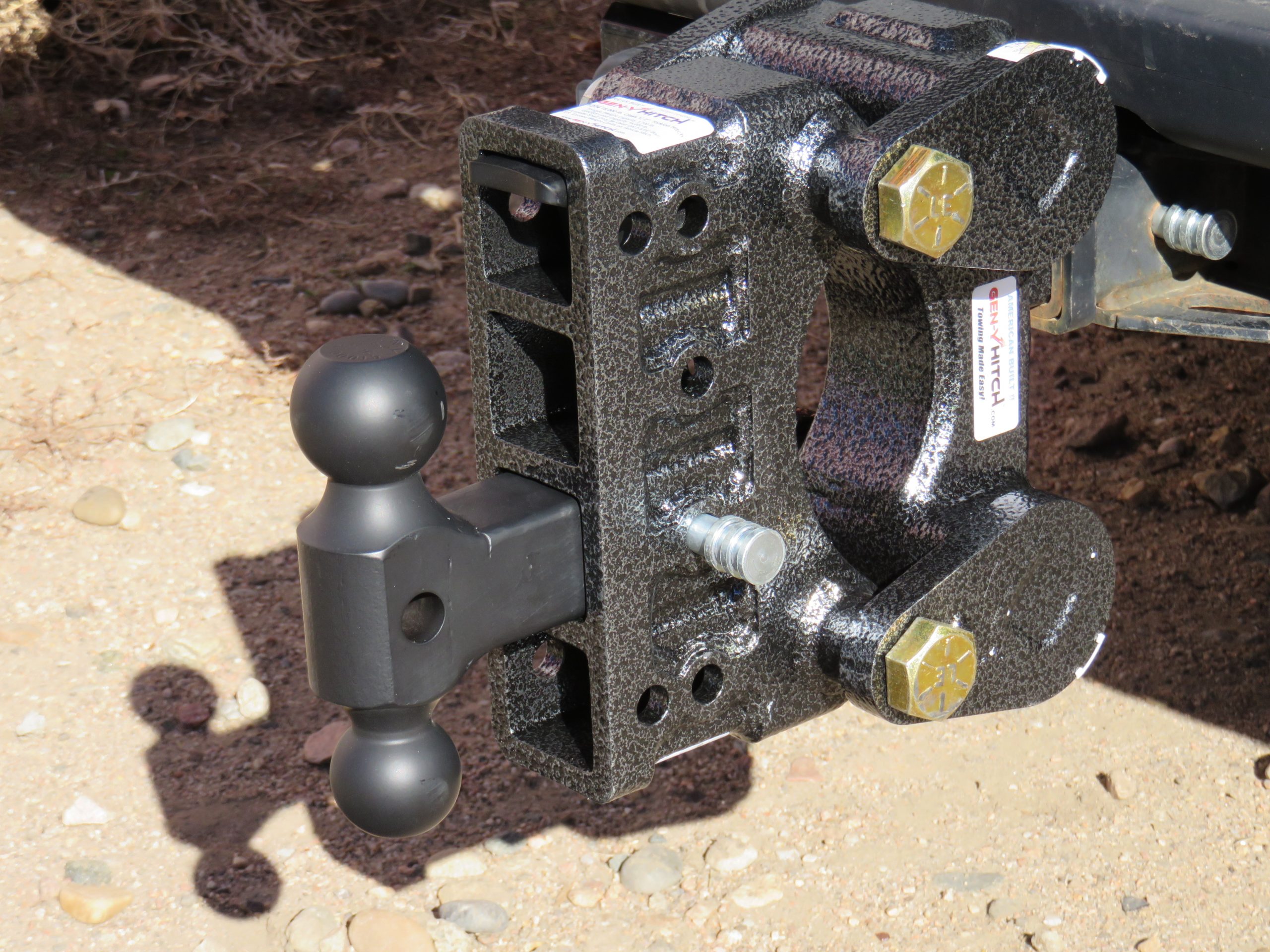
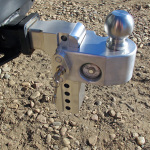
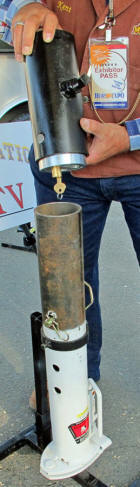
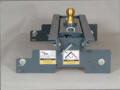
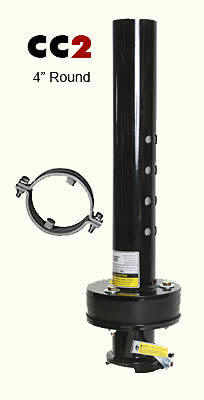
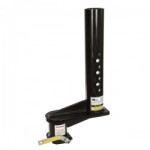
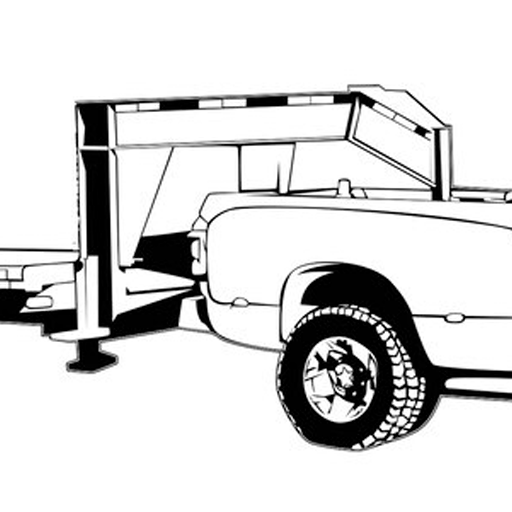
A gooseneck trailer connects to a hitch ball mounted in the truck bed. The trailer has a round coupler at the end of its neck that drops over that ball and locks in place. Many truck owners prefer an under-bed ball system because, with the ball removed, the bed is nearly clear for hay, tools, feed, or other cargo.
A fifth-wheel trailer uses a kingpin and a large, plate-style hitch mounted in the bed. The kingpin slides into the hitch jaws, while the plate supports the trailer’s front section. This is the standard arrangement on most conventional fifth-wheel RVs, and it remains a strong choice for long-distance travel and larger recreational trailers.
The first rule is simple: do not choose a hitch first and hope the trailer can be adapted later. Buy the truck-side hitch that matches the trailer coupler or kingpin arrangement. Conversions exist, but they can change height, clearance, handling, warranty coverage, and the load path through the trailer frame. They deserve careful review, not a quick parts-counter decision.
Trailer Type Usually Makes the Decision
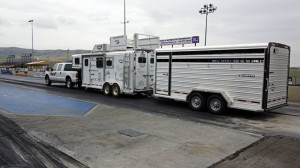
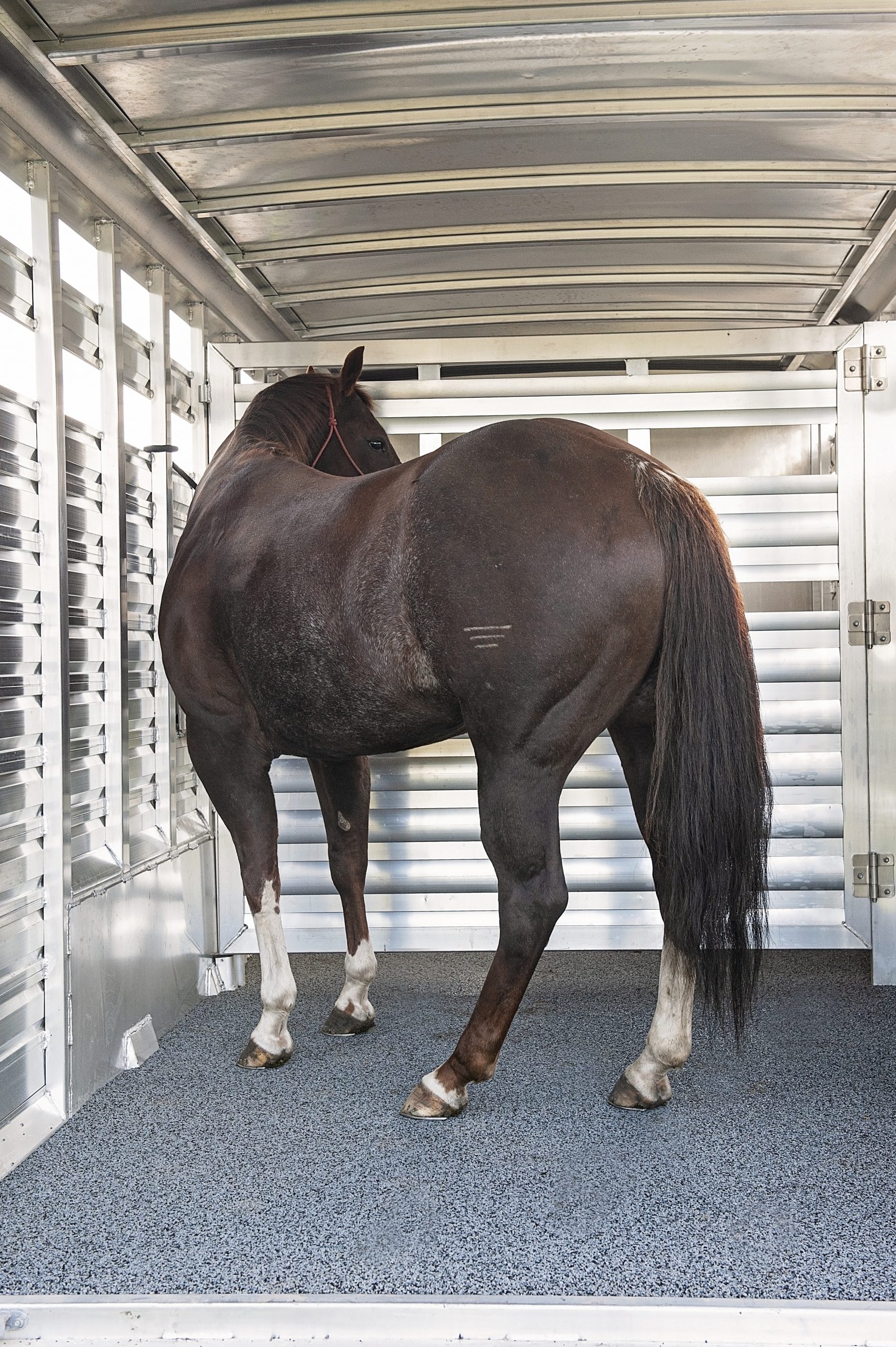
Goosenecks dominate the working-trailer world. Livestock trailers, horse trailers, flatbeds, car haulers, dump trailers, and equipment trailers commonly use a gooseneck coupler. The design is simple, strong, and practical for an owner who uses the truck bed between towing jobs.
Fifth-wheel hitches are most common with RVs. A purpose-built fifth-wheel trailer offers a tall front overhang with substantial living space, and its kingpin connection is designed around the fifth-wheel hitch plate. For many RV owners, that is all the answer needed.
There are exceptions. Some horse trailers have living quarters and use fifth-wheel-style connections, while some RV owners convert a fifth wheel to a gooseneck-style coupler. The trailer manufacturer, frame design, and approved conversion equipment matter more than what a neighbor uses. If a trailer maker does not approve a particular conversion, take that seriously.
Ride and Handling: Small Differences Matter on Long Trips
Both hitch styles put the pivot point in the bed instead of behind the bumper. That improves control, reduces leverage on the truck, and makes heavy trailers feel more settled. A properly loaded gooseneck or fifth wheel should track straight without the nervous sway associated with an overloaded or poorly balanced bumper pull.
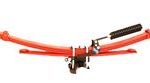
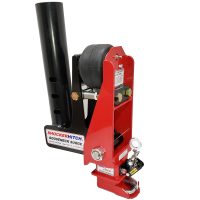
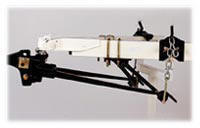
A fifth-wheel hitch has a broad plate that supports and pivots under the trailer’s kingpin. Many RV owners find this connection refined and predictable, especially with a quality hitch, correctly adjusted jaws, and a well-matched truck. The tradeoff is size and weight. A conventional fifth-wheel hitch can take up a large portion of the bed and may require two people or a lifting method to remove.
A gooseneck ball is compact, fast to access, and usually leaves more usable bed space. The connection can be noisier or more prone to chucking if the coupler is worn, dry, poorly adjusted, or paired with a stiff trailer. That does not make goosenecks rough by nature. A properly maintained coupler, correct trailer loading, and suitable tire pressures make a major difference.
For either setup, do not expect hitch hardware to cure a truck that is over payload, overloaded on the rear axle, or riding on marginal tires. A heavy trailer can feel stable until an emergency lane change, steep downhill grade, or wet road proves otherwise.
Turning Clearance Is Where Short-Bed Trucks Get Expensive
Short-bed pickups demand a real clearance check before you buy. The concern is the front corner of the trailer contacting the truck cab during a sharp turn. It can happen with either a gooseneck or fifth wheel, and it happens fastest in uneven ground, tight fuel islands, backing situations, and campsites where the truck and trailer are not on the same plane.
With a fifth wheel, a sliding hitch can provide extra cab clearance for certain trailers. Some fifth-wheel trailers use a rotating pin box, but it must be compatible with the hitch and trailer frame. Do not assume a fixed hitch, offset pin box, or a claimed clearance number makes every short-bed combination safe.
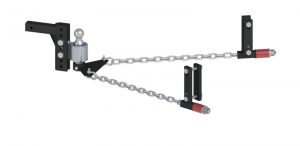
Gooseneck owners may look at offset balls or couplers to gain space. Those can help, but moving the pivot point changes loading and clearance geometry. Verify the hitch rating, ball rating, trailer coupler rating, bed clearance, and manufacturer guidance. A few inches on paper can disappear when the truck drops into a dip while the trailer rides high.
Measure before spending money. Check the distance from cab to hitch point, trailer nose shape, trailer width, bed rail clearance, and the turning angle your work or travel actually requires. A long-bed truck remains the simplest answer for many heavy fifth-wheel and gooseneck combinations.
Payload Is More Than a Tow Rating
This is where many otherwise capable pickups get pushed beyond their limits. A trailer’s loaded pin weight or tongue weight lands in the truck bed. Fifth-wheel RVs commonly place roughly 20% to 25% of loaded trailer weight on the truck, though actual numbers vary. Gooseneck trailers often fall around 15% to 25%, depending on axle placement and cargo location.
A 16,000-pound trailer with 20% hitch weight puts about 3,200 pounds on the truck before adding passengers, fuel, tools, auxiliary tanks, a hitch, dogs, and everything else that comes along. That number must fit the truck’s payload rating, rear axle rating, tire ratings, and hitch rating. The advertised maximum tow rating alone is not enough.
Weigh the truck and trailer when loaded for a normal trip or workday. That means water, propane, tack, feed, equipment, luggage, and passengers included. Scale tickets settle arguments much faster than brochures do.
Installation and Bed Use
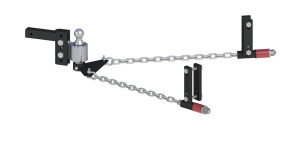
Gooseneck systems are usually the cleaner choice for a truck that works during the week. An under-bed hitch leaves only a ball, safety-chain anchors, and possibly a center cover visible when the ball is removed. That makes it easier to load plywood, pallets, gravel, or ranch supplies without working around a large hitch assembly.
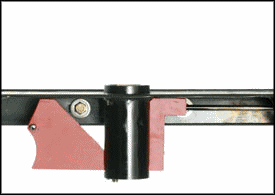
Fifth-wheel hitches can use above-bed rails, factory puck systems, or an under-bed mounting arrangement. The puck-style approach is popular because the hitch can be removed when not towing, leaving a flatter bed. Still, the hitch itself is bulky and heavy compared with a gooseneck ball.
Installation quality matters. The hitch must be rated for the intended trailer, mounted with the correct hardware, and installed according to the truck and hitch manufacturer instructions. Avoid improvised mounting, damaged bed supports, loose fasteners, and mismatched components. This is not an accessory where close enough is good enough.
Which Hitch Should You Choose?
Choose a gooseneck if you pull livestock, equipment, flatbed, or working trailers and need the bed clear when the trailer is unhooked. It is also a practical fit for owners who value a simple connection and regularly move between towing and truck-bed work.
Choose a fifth wheel if you own a conventional fifth-wheel RV or want the coupling system that trailer was engineered around. For full-time RV use, a quality fifth-wheel hitch and a properly matched long-bed truck remain a proven combination.
The better question is not which hitch is stronger. Properly rated examples of both are built for serious loads. Ask which trailer you will tow, how much pin weight the loaded trailer places on the truck, whether your bed length provides safe clearance, and how often you need the truck bed for other work.
Before every trip, inspect the coupler or kingpin, hitch jaws or ball latch, safety chains, breakaway cable, electrical connection, tire condition, and trailer brakes. Then make a slow pull test before leaving the lot. The hitch that works best is the one that is correctly matched, correctly installed, and checked every time.
For proven towing equipment and straight answers from people who understand heavy trailer work, visit the MrTruck store and choose gear that earns its place between your truck and trailer.