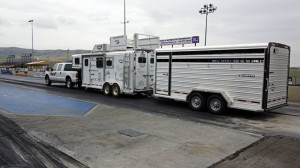

A truck that feels fine unloaded can get sloppy in a hurry once you hook up a camper, horse trailer, or equipment hauler. That is where shock absorbers for towing make a real difference. They do not increase your legal tow rating, but they can tighten body control, reduce porpoising, and help your truck stay more settled when the trailer starts pushing and pulling over rough pavement.
Too many owners chase the wrong fix. They see rear sag and assume shocks are the answer, when sag is often a spring, air assist, or weight distribution issue. Shocks control motion. Springs carry weight. If you mix those two jobs together, you usually spend money twice.
What shock absorbers for towing actually do
When you tow, your truck deals with more than just extra weight. The trailer adds repeated inputs through the hitch – expansion joints, bridge transitions, dips, crosswinds, and quick steering corrections. Weak factory shocks let the truck bounce, wallow, or keep moving after the road disturbance is over. That extra motion hurts control and driver confidence.
Good shock absorbers for towing help calm that motion down. You feel less hobby-horsing over uneven roads, less side-to-side roll in curves and ramps, and less rear-end kick when the trailer hits broken pavement. The truck feels more planted, which matters even more with tall RVs, loaded stock trailers, and heavier bumper-pull setups.
That said, shocks are not magic. If the trailer is loaded wrong, tongue weight is off, tires are underinflated, or the hitch setup is poor, better shocks will not cover up those mistakes. Towing stability always starts with proper trailer balance and the right hitch system.
Signs your truck needs better shocks for towing
You usually feel bad shocks before you see them. If the rear of the truck keeps bouncing after a dip, if the front end feels light and unsettled with a trailer attached, or if the truck leans too much in curves, the shocks may be past their best.
Another common sign is porpoising – that fore-and-aft rocking motion that gets old fast on concrete highways. With a travel trailer or cargo trailer, worn shocks can make the whole combination feel busy and tiring, even when the load is within spec. If your truck has over 40,000 to 60,000 miles and tows regularly, the factory shocks may simply be worn out.
Leaking fluid is an obvious sign, but not the only one. Plenty of shocks lose control gradually without ever dripping. If your truck has become less composed over time, especially with a trailer behind it, that matters.
Choosing shock absorbers for towing by truck use
The right shock depends on how your truck is used when it is not towing. That is where many buyers get sideways. A ranch truck that is loaded most of the week needs something different from a half-ton daily driver that tows a camper six weekends a year.
For daily drivers that tow on weekends
If your pickup spends most of its time empty, a quality gas shock with firm but not punishing valving is usually the best choice. You want better control than stock, especially with a trailer attached, but not a ride so stiff that the truck feels harsh on every commute. This is where monotube shocks often make sense because they react quickly and hold up well under repeated use.
For heavy towing and rough roads
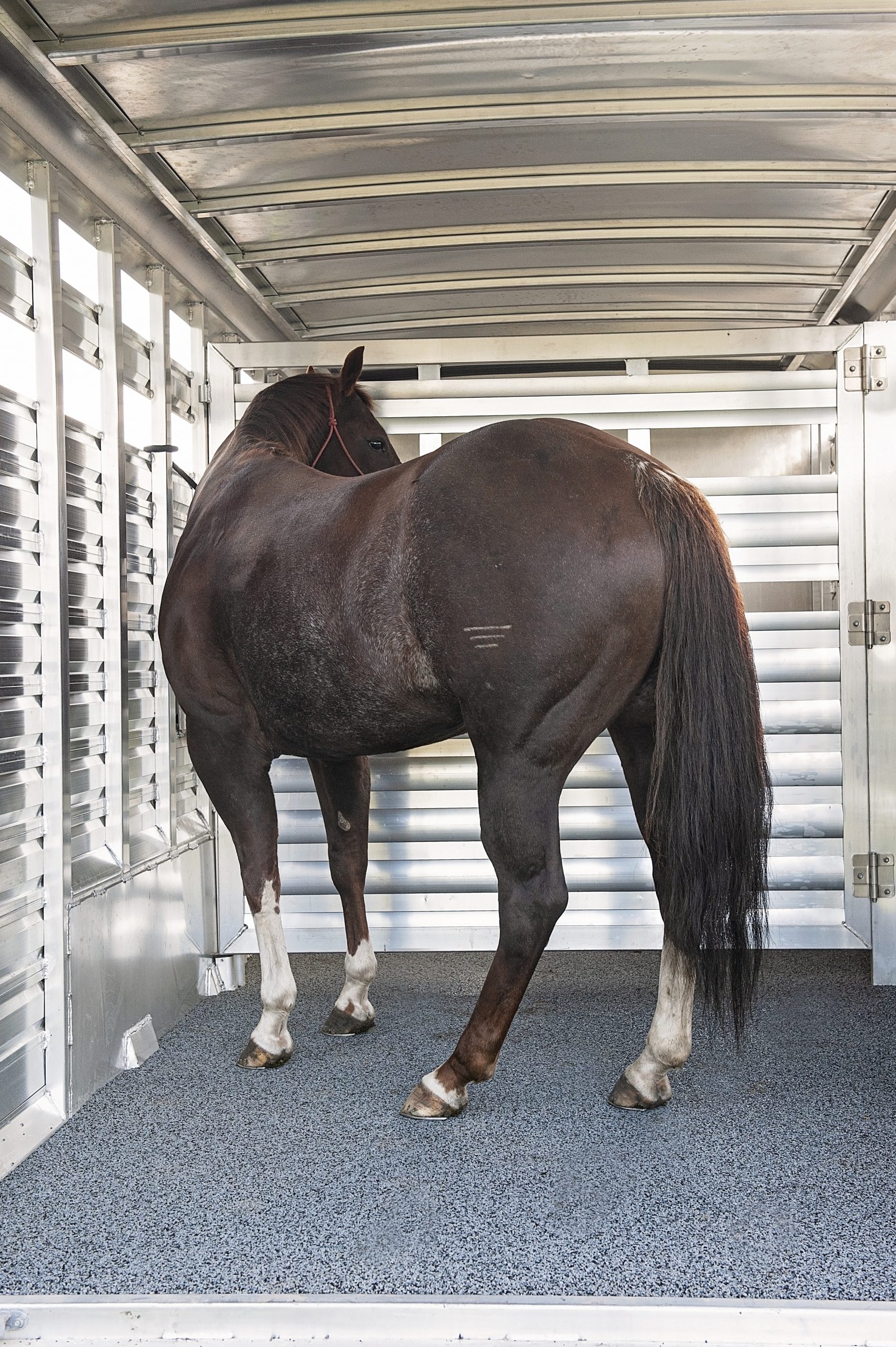
If you pull a larger fifth-wheel, horse trailer, or work trailer regularly, stronger damping matters more. A truck that sees long miles, rough pavement, and higher hitch loads benefits from shocks built for heat control and repeated movement. Heavier-duty monotube designs usually do better here than softer factory replacements.
For older trucks with added weight
If the truck carries a toolbox, auxiliary fuel tank, bed gear, or constant cargo, it may need shocks tuned for that extra load. The goal is not the stiffest ride possible. The goal is control without beating up the driver. On an older 3/4-ton or 1-ton, the wrong shock can make an already firm truck feel worse unloaded.
Monotube vs twin-tube for towing
This is one of the more useful comparisons because construction affects how a shock behaves under load.
Monotube shocks generally offer quicker response, better heat dissipation, and more consistent damping when towing for long stretches. That makes them a strong choice for owners who tow often or carry heavier trailers. They also tend to feel firmer and more controlled.
Twin-tube shocks are often less expensive and can ride a little softer when the truck is empty. For light-duty towing, they can work fine. But if you are trying to improve control with a serious trailer behind the truck, monotube shocks usually have the edge.
There is a trade-off. Some drivers prefer the softer empty-truck ride of a twin-tube design, especially on half-tons. Others would rather accept a slightly firmer ride for better towing manners. It depends on how often the trailer is hooked up and how sensitive you are to unloaded ride quality.
Shocks are not a fix for sag
This point needs to be clear. Shock absorbers for towing do not hold your truck up. If the rear squats too much when you hitch up, you may need a weight distribution hitch, helper springs, air bags, or upgraded rear springs depending on the truck and trailer.
A lot of owners install heavy-duty shocks expecting the rear to sit higher. That is not their job. Yes, some shocks can reduce the sloppy motion that comes with rear squat, but they do not restore lost suspension capacity. If your headlights point at the trees and steering feels vague, address the load support problem first.
The best towing setup often combines both. Use the right hitch and load support to level the truck, then use quality shocks to control motion. That is how you get a setup that feels safer and less tiring.
How shock absorbers affect sway and control
Good shocks can help reduce the truck motions that feed trailer sway, but they are not a substitute for sway control. If your trailer is prone to wagging in crosswinds or when passed by semis, start with tongue weight, tire pressure, trailer loading, and hitch setup.
Where shocks help is in keeping the tow vehicle from getting loose and delayed in its reactions. A truck with worn shocks can feel disconnected, and that delay can make trailer movement feel worse. Better shocks sharpen the truck side of the equation. That matters, especially in emergency lane changes, downhill curves, and rough interstate sections.
If you tow a bumper-pull trailer, this improvement is usually more noticeable than with a properly matched fifth-wheel, because bumper-pull setups put more leverage on the rear of the truck.
When premium shocks are worth the money
Not every truck needs the most expensive shock on the shelf. But there are situations where stepping up pays off.
If you tow long distances in the West, drive mountain grades, run washboard county roads, or pull a heavy trailer several times a month, premium shocks usually earn their keep. Heat is the enemy of shock performance, and better-built shocks resist fade when they are working hard.
On the other hand, if your truck tows a moderate trailer a few times a season and mostly runs local roads, a solid mid-range shock can be enough. The smart buy is the one that matches your real use, not the one with the most aggressive marketing.
Installation and setup matter
Even the best shocks will disappoint if the rest of the suspension is worn out. Bad bushings, tired springs, worn steering components, and old tires can all make a towing rig feel unstable. It is smart to look at the whole package before blaming one part.
After installing shocks, give the truck a few trips before making a final judgment. Some setups feel dramatically better right away. Others show their value on the highway with the trailer attached, where less bounce and better control reduce driver fatigue over several hours.
Also remember that front shocks matter too. Owners often focus on the rear because that is where the tongue weight hits, but the front of the truck needs control to maintain steering feel and braking stability.
The best approach to shock absorbers for towing
If you want the short version, buy shocks based on how often you tow, how heavy the trailer is, and how you use the truck when it is not towing. For most serious towing owners, a quality monotube shock is a smart place to start. For lighter-duty use, a well-made twin-tube or moderate gas shock may be enough.
Just keep the job straight. Shocks control bounce, roll, and unwanted movement. They do not replace spring capacity, proper hitch setup, or correct trailer loading. Get those pieces right, and good shocks can make your truck feel more stable, more predictable, and a lot less tiring on the road.
If you need proven towing parts and real-world guidance, visit our store at https://Store.MrTruck.com. The right suspension upgrade should solve a towing problem, not just add another box to the garage.