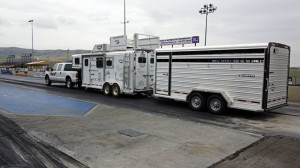


A truck can have plenty of factory splash guards and still sandblast the front of a trailer. That is why the best mud flaps for towing are not always the ones hanging behind the rear tires. The right setup has to control rocks, water, tire spray, and road grit in the open space between truck and trailer, especially when the weather turns ugly or the road surface turns loose.
For a daily driver that occasionally pulls a utility trailer, standard heavy-duty flaps may be enough. For a fifth-wheel, horse trailer, travel trailer, boat, or expensive enclosed trailer, a hitch-mounted towing flap system is usually the better answer. It puts protection where the problem starts: directly behind the truck, across the full width of the tow vehicle.
Why Ordinary Mud Flaps Fall Short When Towing
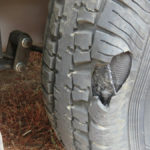
Factory flaps are designed mainly to keep the truck cleaner. They can reduce spray along the rocker panels, but most do not extend low enough or wide enough to protect a trailer sitting several feet behind the rear axle. Wide all-terrain tires make the problem worse. They throw rocks and water far beyond the outside edge of a narrow factory guard.
Towing changes the airflow, too. A trailer creates a low-pressure area behind the truck that can pull road spray upward and forward. That is why the front cap of an RV or the paint on a horse trailer can get peppered even though the truck has mud flaps installed.
The goal is not to drag a giant sheet of rubber on the pavement. It is to interrupt the path of debris before it reaches the trailer. That requires enough width, enough drop below the hitch area, and enough ground clearance to handle driveways, dips, and uneven campsites.
Best Mud Flaps for Towing by Trailer Type
Hitch-mounted systems are the best overall choice
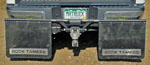
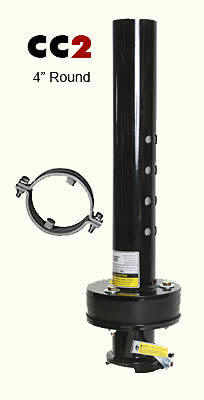
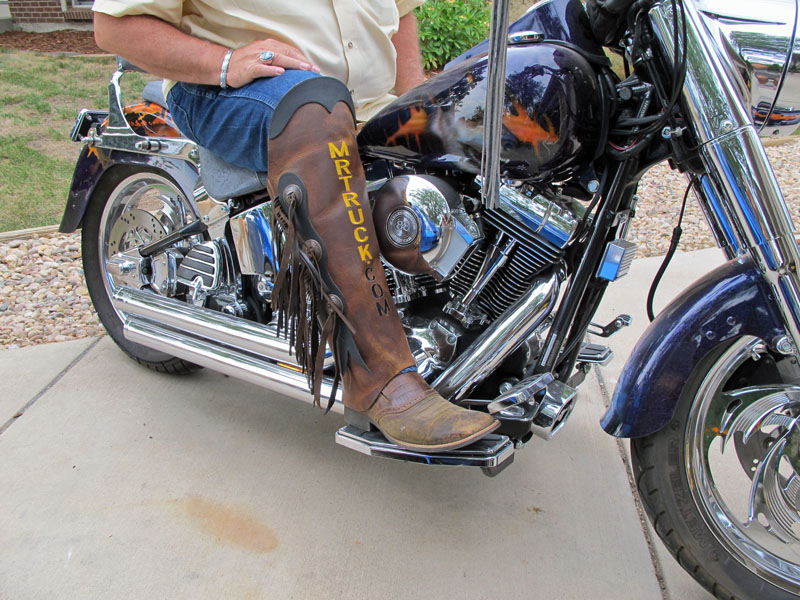
For serious towing, a hitch-mounted system such as Rock Tamers is the strongest all-around choice. These systems mount to the ball mount or shank area and span the rear of the truck, placing the flaps much closer to the trailer than wheel-mounted guards. That makes a real difference on gravel roads, wet highways, and long interstate runs behind dual rear wheels or oversized tires.
The advantage is adjustability. A properly set system can be trimmed or positioned to match the truck’s width and ride height. The flaps should cover the tire track without hanging so low that they strike the pavement when entering a fuel station, boat ramp, or uneven ranch road.
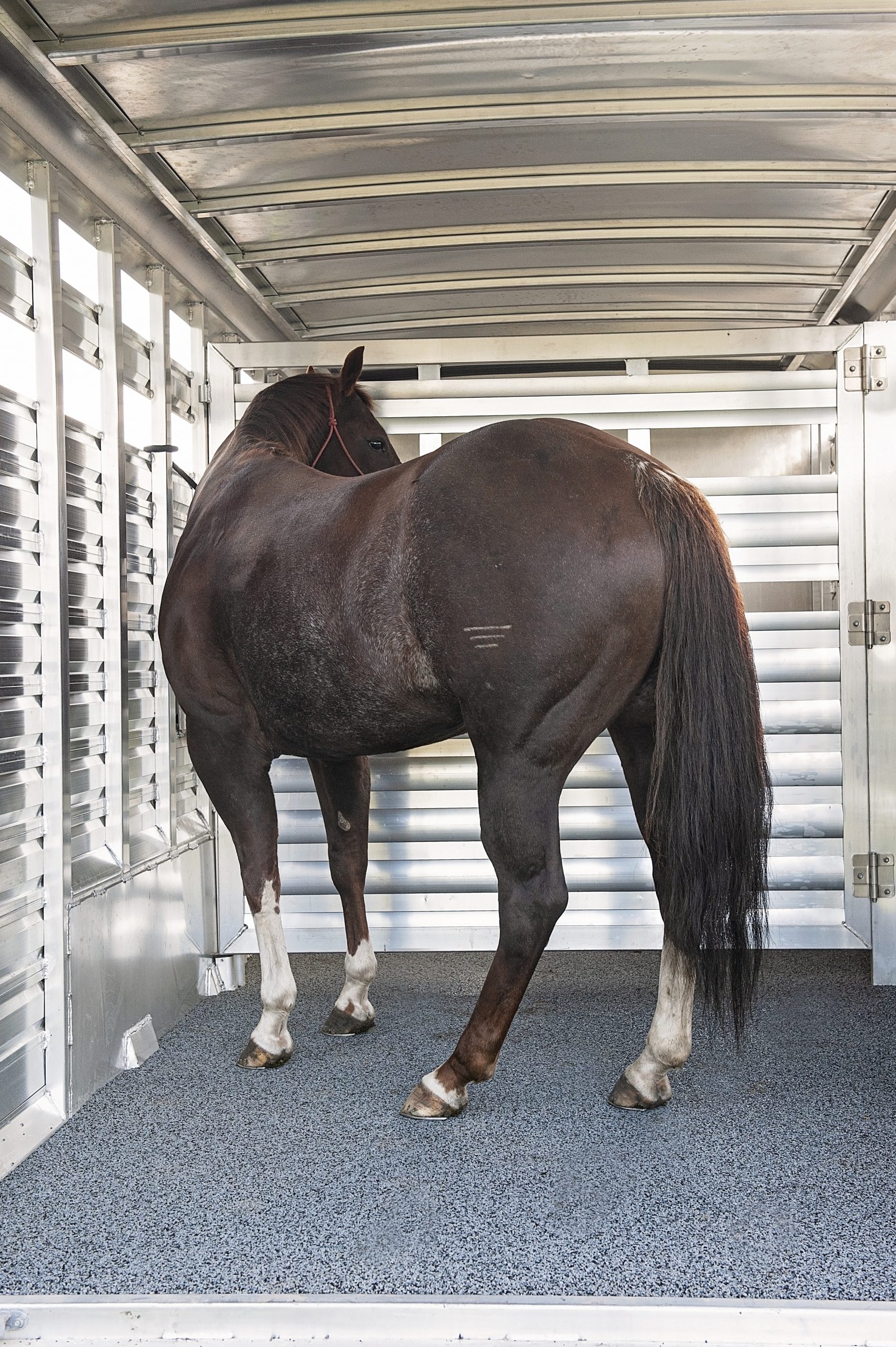
Hitch-mounted flaps are particularly worthwhile for travel trailers, fifth-wheels, enclosed cargo trailers, and horse trailers with a painted or polished front. They also make sense for boat owners who regularly tow on roads treated with sand, salt, or winter de-icer. They cost more than basic mud flaps, but replacing chipped paint, cracked marker lights, or a damaged trailer front costs more too.
Heavy-duty wheel-mounted flaps are a practical budget option
A quality set of molded or rubber wheel-mounted mud flaps is a sensible option if you tow lighter trailers or want protection for both the truck and trailer without adding hardware to the hitch. Look for a thick, flexible material that will not crack in cold weather and a design sized for your actual tire width.
WeatherTech-style molded guards are clean-looking and vehicle-specific, making them a good fit for stock-height pickups used on paved roads. Larger rubber flaps with reinforced mounting plates are better for work trucks, gravel roads, farm use, and wider tires. The trade-off is simple: wheel-mounted flaps protect the truck well, but they cannot fully cover the broad spray pattern coming off the rear tires.
If your trailer’s front wall already shows stone chips, standard wheel flaps alone are probably not enough. Add trailer-front protection or move up to a hitch-mounted system.
Full-width rubber flaps suit work trucks and rough roads
A full-width rear flap mounted below the truck bed is an old-school solution that still works well on some towing rigs. It is especially useful for flatbeds, service bodies, and work trucks that spend time on dirt, gravel, or construction access roads. A wide rubber barrier can knock down a lot of debris before it reaches the trailer.
However, fitment matters. On a pickup with a receiver hitch, spare tire, exhaust, parking sensors, and a trailer plug, installation can become more involved. Full-width flaps also need enough clearance from the trailer tongue and jack during sharp turns. They are effective, but they are not as adjustable or easy to remove as a hitch-mounted setup.
How Low Should Towing Mud Flaps Hang?
This is where many owners get it wrong. Longer is not automatically better. A flap that drags can fold under, catch on a steep driveway, tear loose, or throw debris in an unpredictable direction. It can also become a nuisance when backing into a campsite or crossing a crowned road.
As a starting point, set the bottom edge several inches above the pavement with the truck loaded as it normally is for towing. Then check it again with the trailer connected. Tongue weight, cargo, passengers, and a loaded truck bed can all lower the rear suspension enough to change the clearance.
You also want the flaps wide enough to cover the tire tracks. On a stock-width half-ton pickup, that may mean extending slightly beyond the tire sidewalls. On a heavy-duty truck with wide aftermarket wheels, dually fenders, or aggressive off-road tires, a narrow flap system leaves the most vulnerable area uncovered.
Clearance Matters More With Weight Distribution Hitches
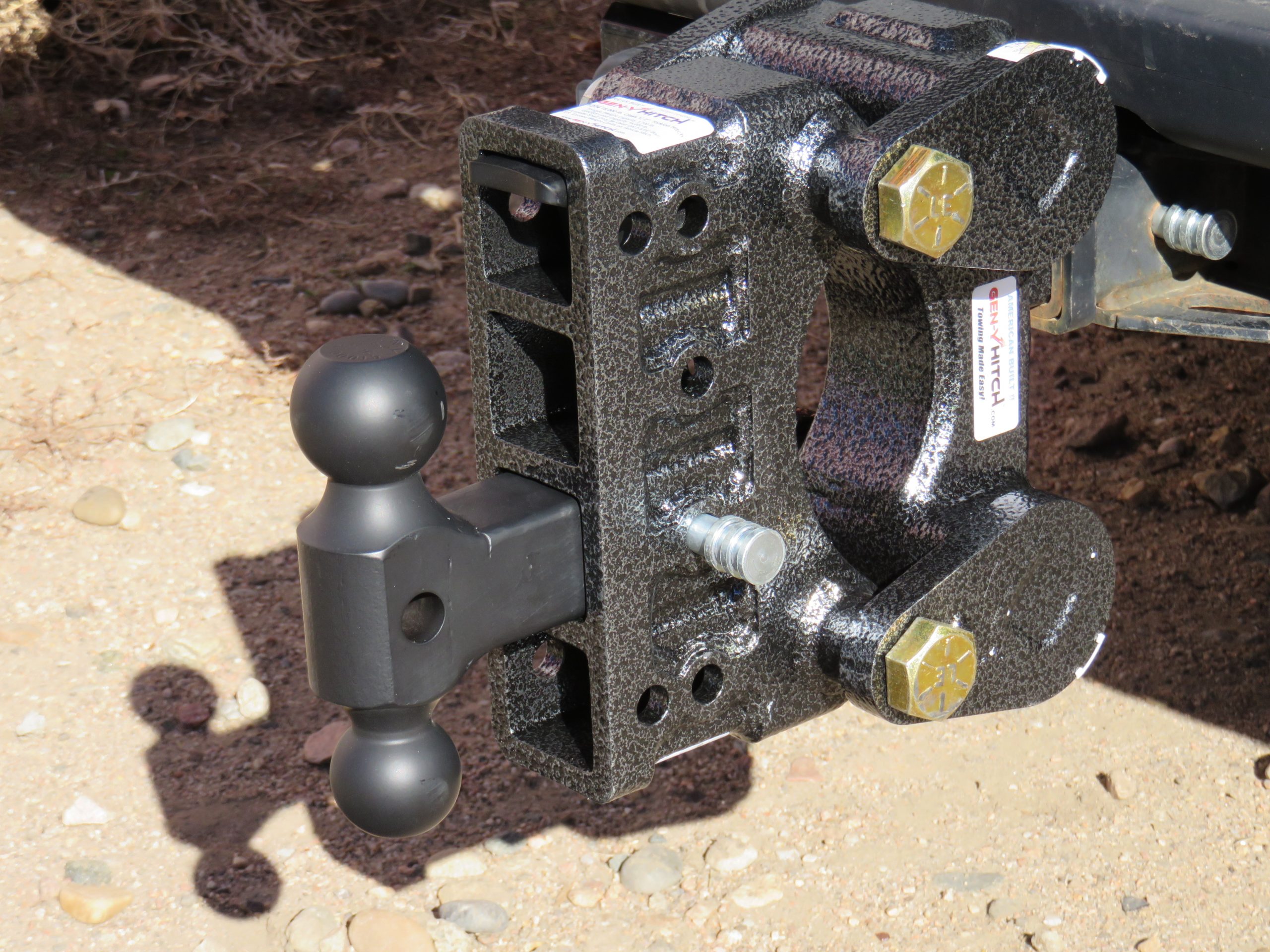
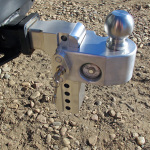
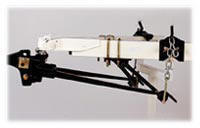
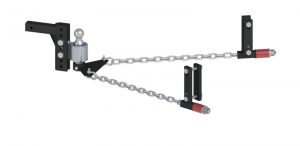
If you tow with a weight distribution hitch, do not assume every hitch-mounted mud flap system will fit without adjustment. Spring bars, sway-control components, frame brackets, and a deep-drop ball mount all occupy space around the receiver. The flaps must not interfere with hitch articulation or contact the trailer frame during a tight turn.
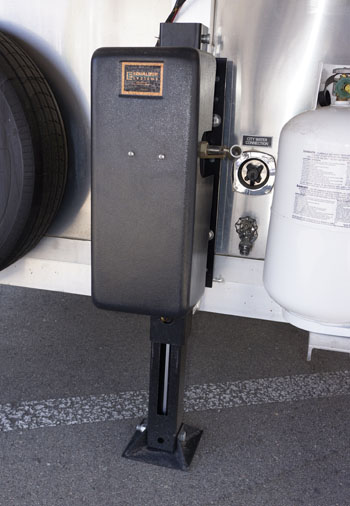
Before buying, measure the distance from the receiver to the trailer tongue, note the width of your ball mount, and consider how far the trailer jack and propane tray sit from the truck. Fifth-wheel and gooseneck owners have a different setup altogether. Since the trailer connects in the bed, wheel-mounted flaps or a rear-bed flap arrangement may be more practical than a receiver-mounted system.
Do a slow, controlled turning check after installation. Turn sharply in both directions on level ground, then inspect the flaps, hitch, safety chains, electrical cord, and breakaway cable. Nothing should bind, rub, or pull tight.
Material and Hardware Are Not Small Details
Rubber flaps remain the best choice for hard use because they flex when they contact obstacles. Thick rubber handles gravel well and is less likely to shatter in winter conditions. Molded thermoplastic flaps look more integrated on late-model pickups and resist fading, but they may not offer the same broad coverage as a heavy rubber towing system.
Pay attention to brackets and fasteners. Stainless hardware and powder-coated brackets hold up better around road salt and boat ramps. Cheap hardware is often the first part to fail, leaving a flap hanging crooked or coming loose at highway speed. Recheck all fasteners after the first few towing trips, then include them in your regular trailer walk-around.
Our Straight Answer on the Best Setup
For the owner protecting an RV, horse trailer, enclosed trailer, or boat, the best mud flap setup is a quality adjustable hitch-mounted system paired with properly sized wheel-mounted flaps. The wheel flaps protect the truck’s lower body, while the hitch-mounted flaps stop the debris that would otherwise reach the trailer.
If you tow only a small utility trailer on paved roads, heavy-duty vehicle-specific flaps may be all you need. If you run gravel roads, oversized tires, or a high-value trailer, do not economize on coverage. The first season of reduced chips, cleaner trailer fronts, and less road spray will make the decision easy.
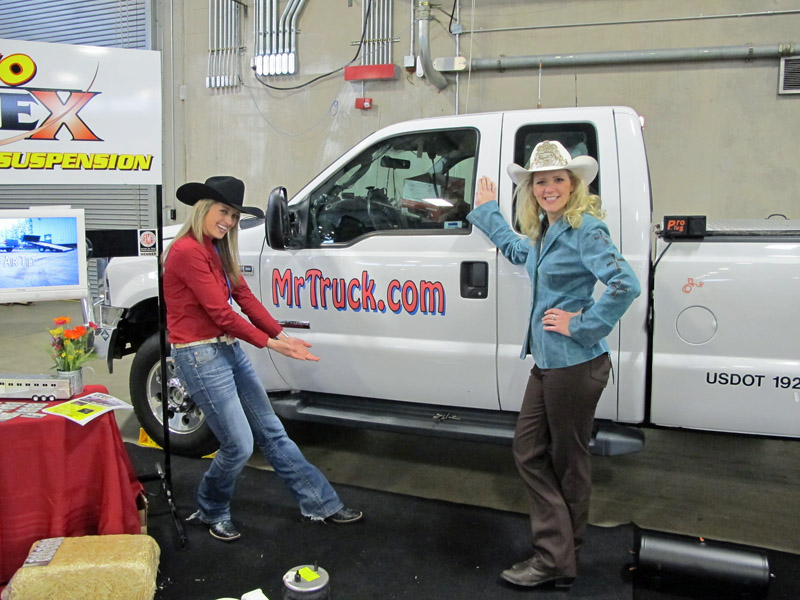
Choose for the roads you actually travel, set the clearance with the trailer loaded, and inspect the system before every long haul. For proven towing protection and gear selected by people who understand trailers, visit the MrTruck store.