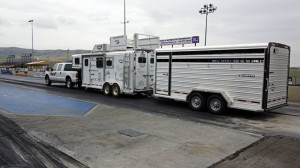



A shiny trailer on a dealer lot can fool a lot of buyers. Fresh aluminum skin, nice graphics, and a roomy dressing room look great until you load two horses, hit a crosswind, and find out the trailer tows nose-high, rides harsh, or has weak hardware where it counts. That is why horse trailer reviews matter – not for brochure talk, but for the real-world details that affect safety, horse comfort, and how your truck handles the load.
Most shoppers start with brand names and floorplans. That makes sense, but it is only part of the job. A good review should tell you how the trailer is built under the skin, how it behaves on the road, and what kind of truck setup it really needs. If you are hauling valuable animals, that matters more than polished trim and fancy lighting.
What good horse trailer reviews actually look at
The first thing worth reviewing is structure. Steel trailers can be strong and cost less up front, but they need better rust prevention and more owner attention over time. Aluminum trailers are popular for lower weight and corrosion resistance, but not all aluminum construction is equal. Frame design, weld quality, wall thickness, and reinforcement around stress points matter more than the sales pitch about material alone.
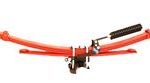
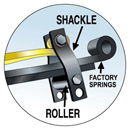
Axles, brakes, and suspension deserve just as much attention. A horse trailer is not just carrying dead weight. Horses shift, lean, and react to bumps, so the suspension has to manage live cargo. Torsion axles can improve ride quality in many setups, while leaf spring systems may be simpler and cheaper to service. Neither is automatically best every time. It depends on trailer size, road conditions, and how often you haul.
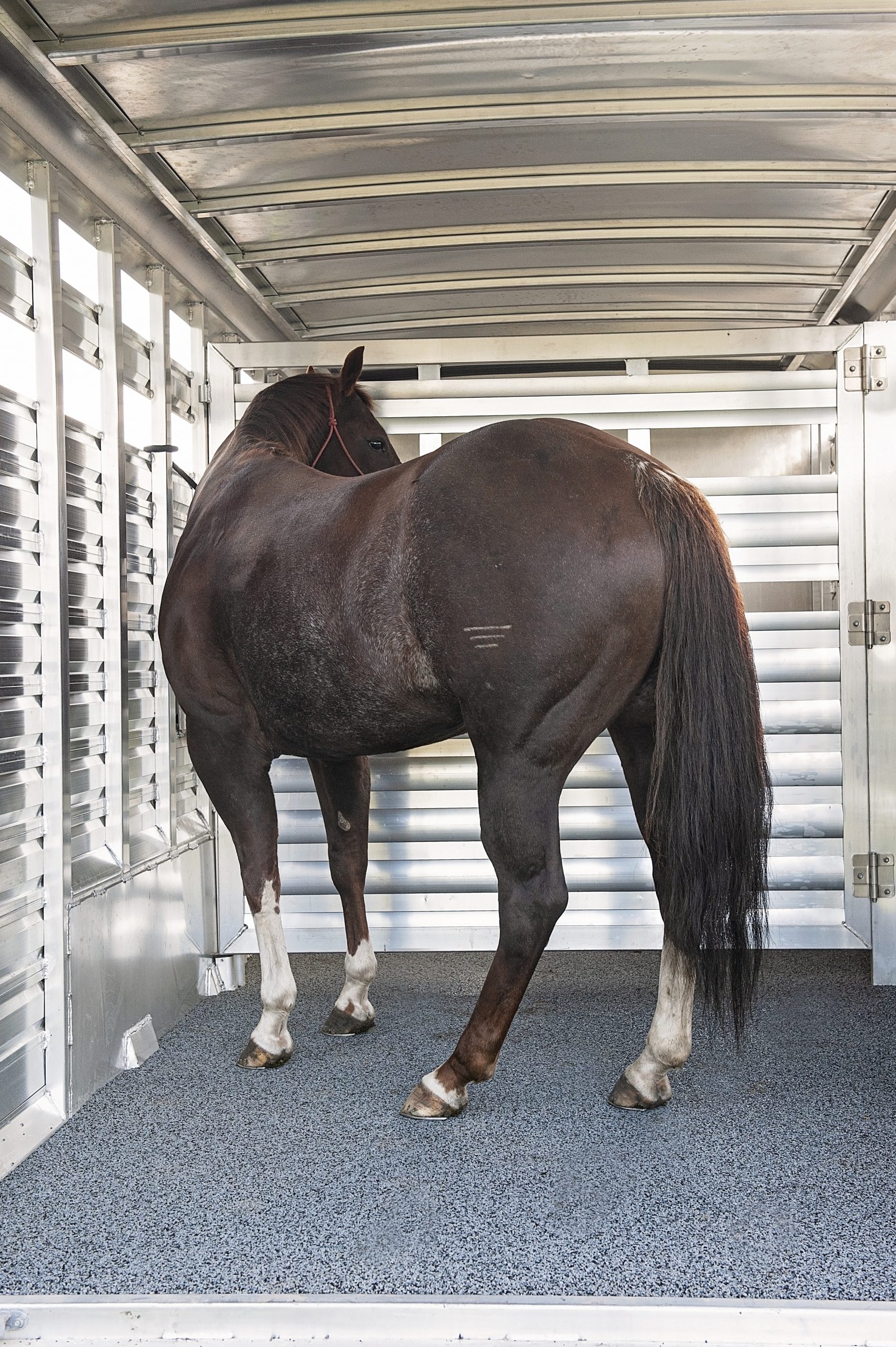
Flooring is another place where reviews separate real value from surface appeal. Aluminum floors can save weight, but they still need inspection and maintenance, especially where moisture and bedding collect. Wood floors have their place, but they need close attention for rot and fastener wear. Rubber mats hide a lot, so any serious review should mention what is underneath and how easy it is to inspect.
Horse trailer reviews should start with towing manners
For most truck owners, the biggest surprise is how differently two similar-looking horse trailers can tow. Trailer length, axle placement, tongue weight, and overall height all change the experience from the driver seat. A trailer that is stable at 55 mph behind a three-quarter-ton pickup may feel busy and unsettled behind a half-ton, even when the brochure numbers say the truck can handle it.
This is where honest reviews need to talk about balance. A well-designed horse trailer should track straight, resist sway, and avoid excessive chucking over rough pavement. If the tack room, water storage, or living quarters are positioned poorly, you can end up with weight distribution problems that affect braking and steering. That is not just annoying. It is a safety issue.
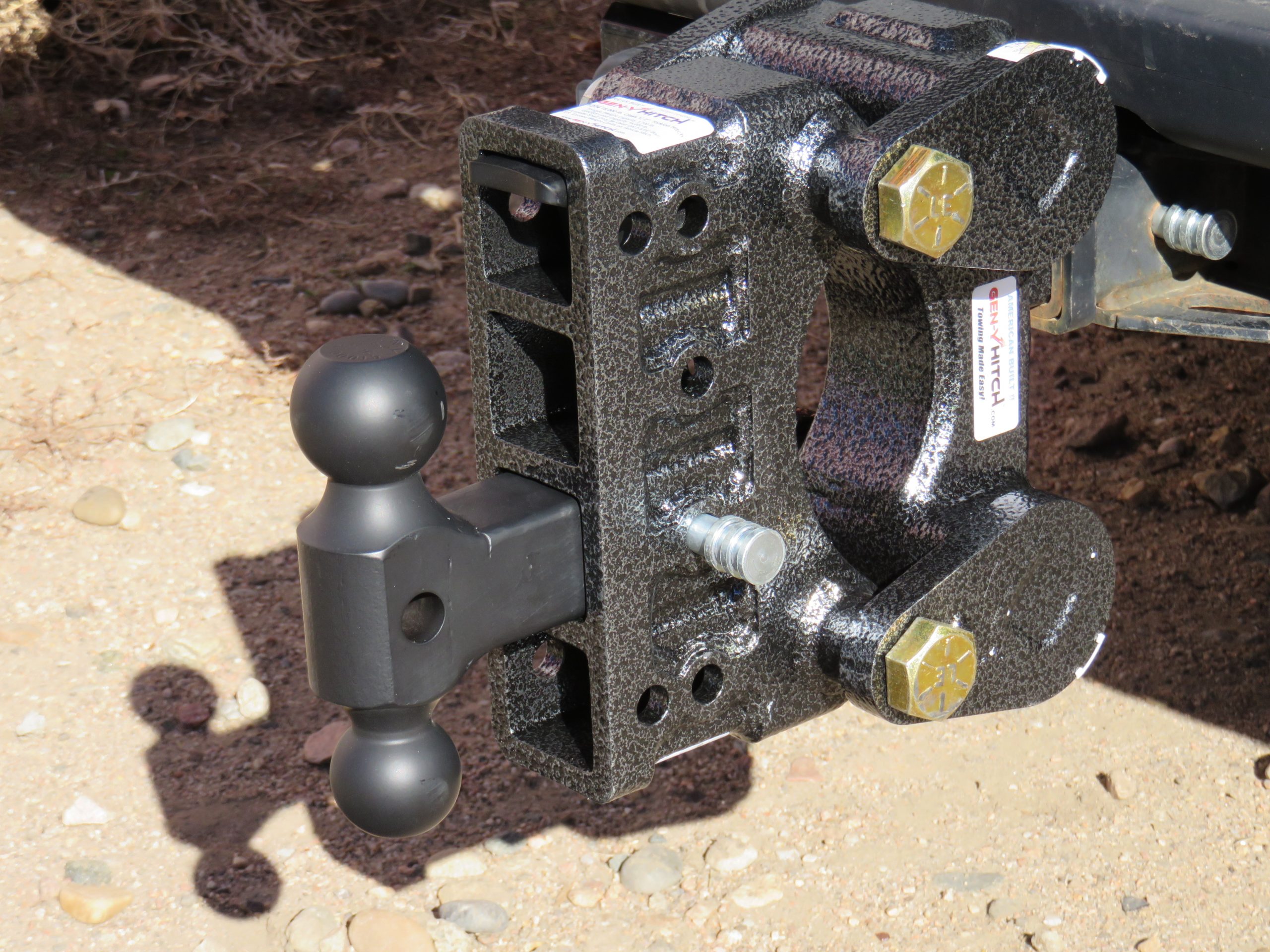
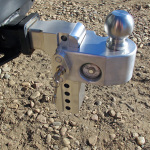
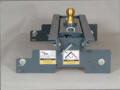
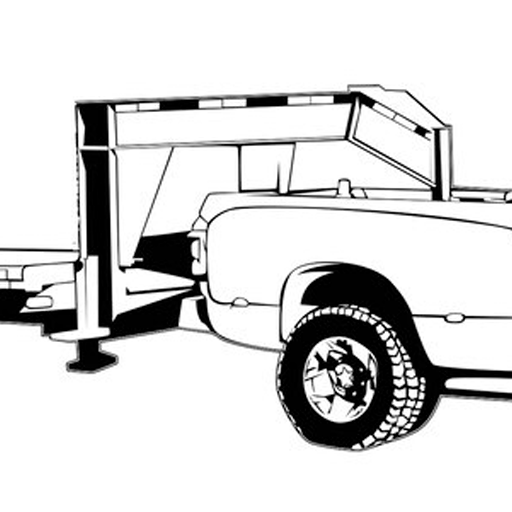
Bumper-pull horse trailers especially need a hard look here. They can be a great fit for many owners, but they are more sensitive to tongue weight and loading habits than many buyers expect. Gooseneck horse trailers usually tow more steadily and give you better weight placement over the truck, but they also demand the right hitch setup, bed clearance, and enough truck to handle the pin weight.
The layout has to work for horses, not just people
A lot of trailers sell on human comfort. Bigger dressing rooms, nicer cabinets, air conditioning, and polished interiors all have appeal. But your horses need good airflow, safe dividers, secure footing, and room to load and unload without drama. Reviews should spend more time on stall design than on countertop finish.
Straight-load and slant-load trailers both have loyal fans for good reason. Straight-load setups can work well for some horses and may offer a more balanced feel in certain designs. Slant-load trailers are popular because they can make better use of length and allow easier access in some situations. But they are not automatically easier on every horse. Big horses in a tight slant-load can feel cramped, and rear tack configurations can change weight balance more than buyers expect.
Ramp versus step-up is another choice where there is no one-size-fits-all answer. Ramps can help some horses load more confidently, but they add weight and maintenance points. Step-up designs are simpler and lighter, though not every horse takes to them quickly. The best reviews explain these trade-offs instead of pushing one answer for everybody.
Build quality shows up in the small parts
You can learn a lot about a horse trailer by looking past the skin. Hinges, latches, slam doors, divider pins, roof vents, window tracks, and interior padding all tell you how the trailer will age. Cheap hardware is expensive later. It rattles loose, corrodes early, and creates headaches when you are loading in bad weather or trying to secure a nervous horse.
The same goes for wiring and lighting. Good sealed wiring, protected routing, and dependable connectors matter on any trailer, but especially on one that sees weather, washdowns, and regular road vibration. If a review skips over electrical quality, it is missing a major ownership issue.
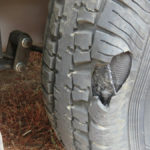
Tires are another weak point on many trailers. Factory tires are not always the best long-term choice, and serious owners know that tire pressure monitoring is not a luxury when you are hauling livestock. A blowout on a horse trailer can become a dangerous roadside event fast. Reviews should call out tire size, load range, wheel quality, and whether the setup leaves enough margin for real use.
Matching the trailer to the truck is where buyers get into trouble
One of the biggest mistakes in horse trailer buying is shopping by trailer alone. The truck matters just as much. A three-horse slant with a dressing room may look manageable on paper, but once you add horses, tack, hay, water, and weekend gear, payload and hitch weight can climb quickly.
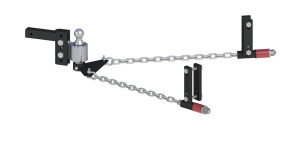
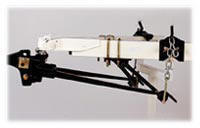
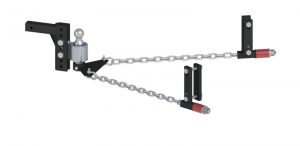
That is why the best horse trailer reviews do not stop at trailer specs. They also ask what truck you are using, whether it is properly equipped, and how the hitch setup affects control. Payload, rear axle capacity, tire rating, brake controller quality, and suspension support all matter. If your truck squats badly, wanders in crosswinds, or feels light in the steering, the answer may not be a different trailer alone. It may be a better towing setup.
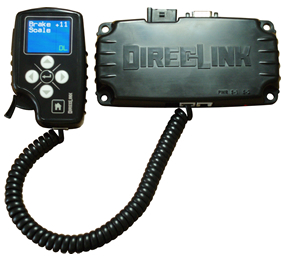
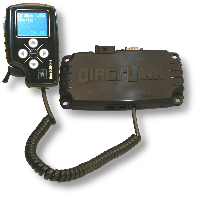
This is also where trailer brake performance needs a real look. Electric brakes should engage smoothly and predictably, and the trailer should not push the truck during stops. Poor brake adjustment, weak components, or bad controller setup can ruin an otherwise decent trailer experience.
New versus used in horse trailer reviews
Used horse trailers can be smart buys, especially if you know what to inspect. In fact, some older trailers were built heavier than many modern value-priced models. But used shopping raises the stakes. Corrosion, floor damage, accident repairs, bent dividers, neglected brakes, and tired bearings can turn a bargain into a repair bill.
Good reviews of used trailers should focus less on cosmetics and more on condition. Service history matters. So does how the trailer was stored. A trailer kept under cover and maintained well can outperform a newer unit that lived outside with little care.
New trailers bring warranty coverage and updated features, but buyers still need to inspect them carefully. A new trailer is not automatically a finished trailer. PDI quality varies, and small fit-and-finish problems can point to bigger shortcuts.
What we look for before calling a trailer a good buy
A strong horse trailer is one that tows calmly, loads horses safely, uses durable hardware, and matches the truck realistically. It should have predictable braking, sensible weight balance, and enough ventilation for the climate you haul in. It should also be serviceable. Fancy features mean less if basic maintenance is a pain.
That is why the best buying decision usually comes down to use case. The right trailer for local weekend hauling is not always the right one for long-distance show travel or ranch work. A family hauling one or two horses a few times a month can prioritize simplicity and lower weight. A frequent hauler may need better suspension, stronger running gear, more durable flooring, and a gooseneck setup that keeps the truck planted.
If you are reading horse trailer reviews, look past brand loyalty and ask harder questions. How does it tow loaded? Where does the weight sit? How easy is it to inspect the floor, brakes, and wiring? Are the doors, windows, and dividers built for years of use or just a quick sale? That is where the good trailers separate themselves from the pretty ones.
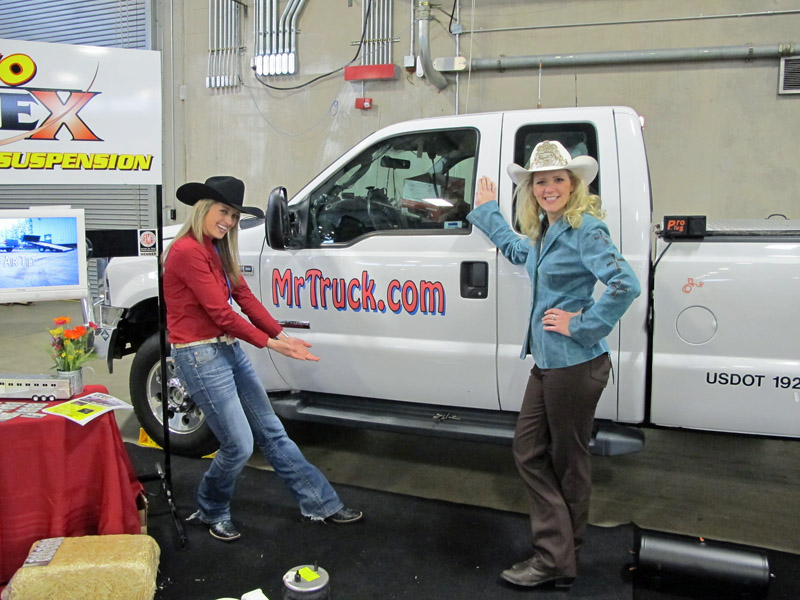
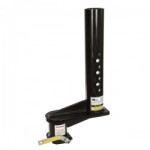
For proven towing gear, trailer safety equipment, and horse trailer accessories that hold up in real use, visit Store.MrTruck.com.
The best trailer is not the one that impresses you on the lot. It is the one that gets your horses there calmly, keeps your truck under control, and still feels like a smart buy years later.
Comments