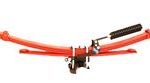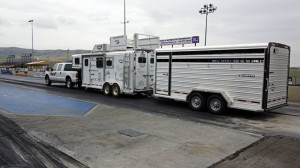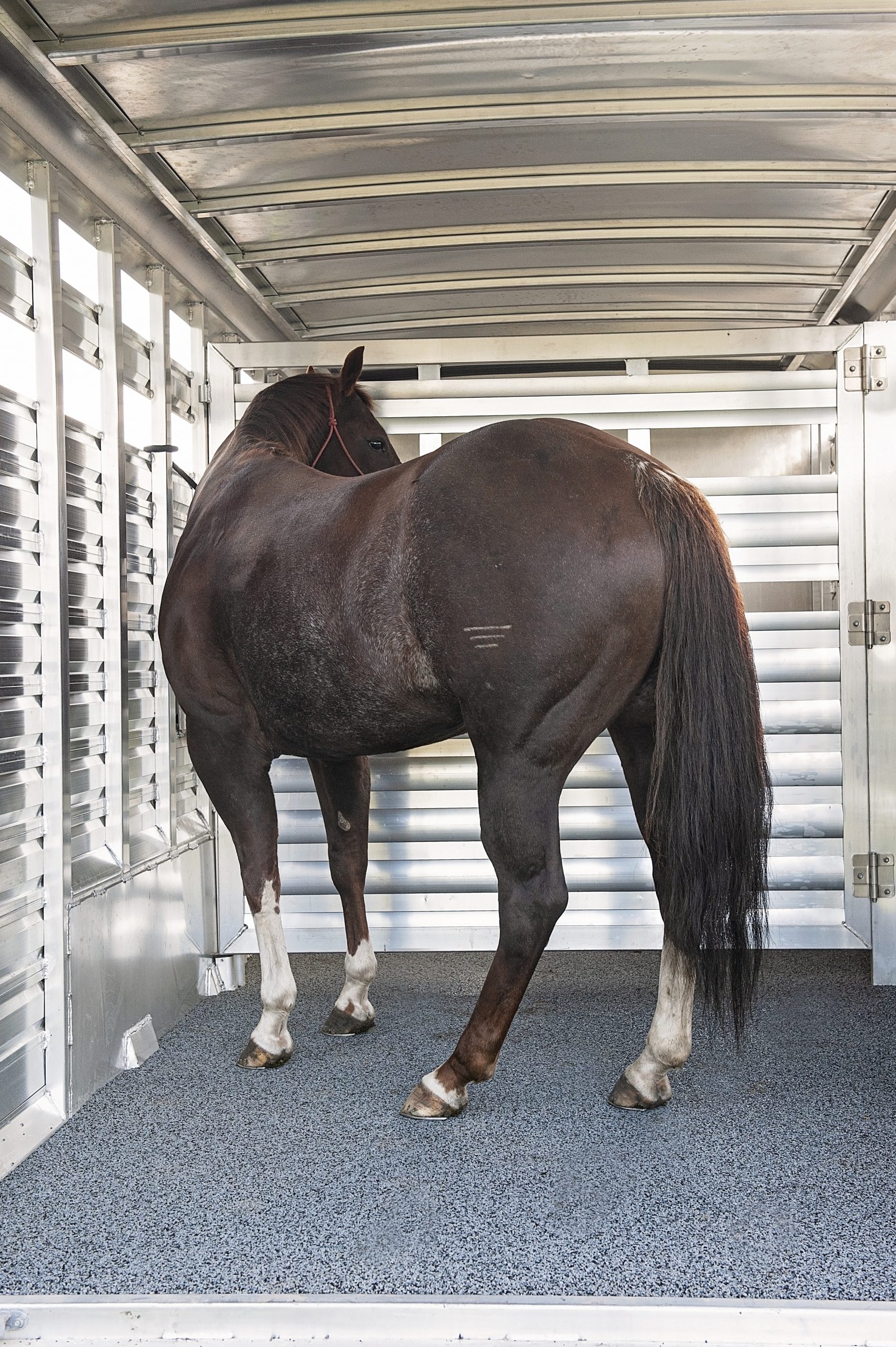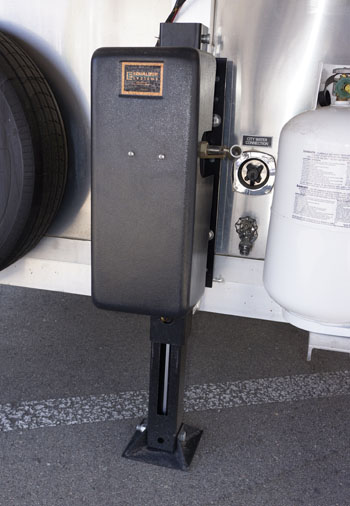



A good hitch upgrade reduced chucking example is easy to recognize from the driver’s seat. Before the change, every bridge joint or rolling dip sends a shove through the truck, then the trailer answers back with another shove. After the right upgrade and setup, the same combination feels connected instead of argumentative. The trailer still has weight, and the road is still rough, but the violent fore-and-aft jerking is greatly reduced.
That difference matters most with RVs, enclosed trailers, equipment trailers, and horse trailers that spend real miles behind a pickup. Chucking wears on the driver, annoys passengers, rattles cargo, and can make a long trip feel less controlled than it should. A better hitch can help, but only when it addresses the actual cause.
What Chucking Feels Like Behind a Pickup
Chucking is the back-and-forth movement between truck and trailer. It is not the same thing as sway. Sway moves side to side, while chucking is a push-pull motion along the length of the rig. You may feel it as a sharp tug when the trailer drops into a dip, a bump when the truck accelerates, or a repeated surge when pavement is uneven.
Some movement is normal. A loaded trailer has momentum, the truck suspension moves, and the hitch connection has to transfer all of that force. The problem begins when those forces are amplified instead of controlled.
Fifth-wheel and gooseneck owners often notice chucking on concrete expansion joints, older interstate pavement, and rolling secondary roads. Conventional bumper-pull trailers can do it too, especially with a poorly adjusted weight-distribution hitch, too little tongue weight, or a truck that is undersized for the job.
A Real Hitch Upgrade Reduced Chucking Example
Consider a common fifth-wheel situation: a three-quarter-ton pickup towing a loaded 34-foot RV. The owner has adequate tow rating and payload on paper, but the ride is rough on interstate concrete. Each expansion joint produces a hard pull, followed by a push into the truck. The driver starts slowing down for every bridge transition because the repeated jolts are tiring.
The original setup uses a standard fixed fifth-wheel hitch. It is strong and properly mounted, but it has little ability to cushion the longitudinal shock traveling between the trailer and truck. The trailer pin box is also rigid. That means the truck and trailer transfer nearly every sudden load directly through the hitch.
The upgrade is a properly matched cushioned pin box or air-ride style pin box, paired with a quality hitch that has controlled fore-and-aft movement. The owner also confirms that the fifth-wheel is loaded with appropriate pin weight, the truck tires are set for the actual load, and the hitch height allows the trailer to run level.
On the first trip over the same stretch of highway, the joints are still noticeable. They should be. But the sharp double-hit is gone. Instead of the trailer yanking the truck and then slamming forward, the hitch system absorbs part of the energy and releases it in a controlled way. The driver reports less fatigue and more confidence, especially after several hours on the road.
That is a credible result. It is not magic, and it does not turn a heavy fifth-wheel into a half-ton trailer. It simply prevents the hitch connection from acting like a solid hammer between two moving vehicles.
Why the Upgrade Worked
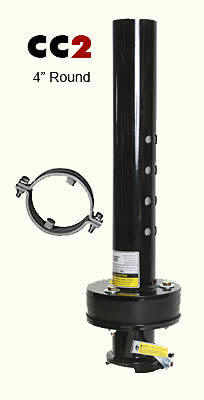
The improvement came from damping the force, not from hiding a loading or capacity problem. A cushioned hitch component allows limited, controlled movement. Rubber shear springs, air springs, shock absorbers, or a combination of these can reduce the harsh transfer of energy when truck and trailer move at different rates.
The best systems do not feel loose. Loose is not the goal. A good towing connection remains secure, stable, and predictable while taking the edge off the quick push-pull impacts that cause chucking.
Hitch Type Must Match the Trailer
There is no single hitch upgrade for every trailer. Fifth-wheel and gooseneck setups have different attachment points, weights, and available products than bumper-pull trailers.
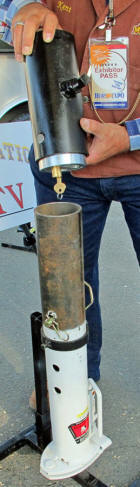
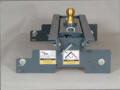
For a fifth-wheel, the usual chucking remedies include an upgraded pin box, an air-ride pin box, a rubber-cushioned pin box, or a higher-quality fifth-wheel hitch with better pivot and cushioning design. The correct choice depends on the trailer’s pin box bolt pattern, pin weight, bed length, hitch rating, and how much room is available in the truck bed.
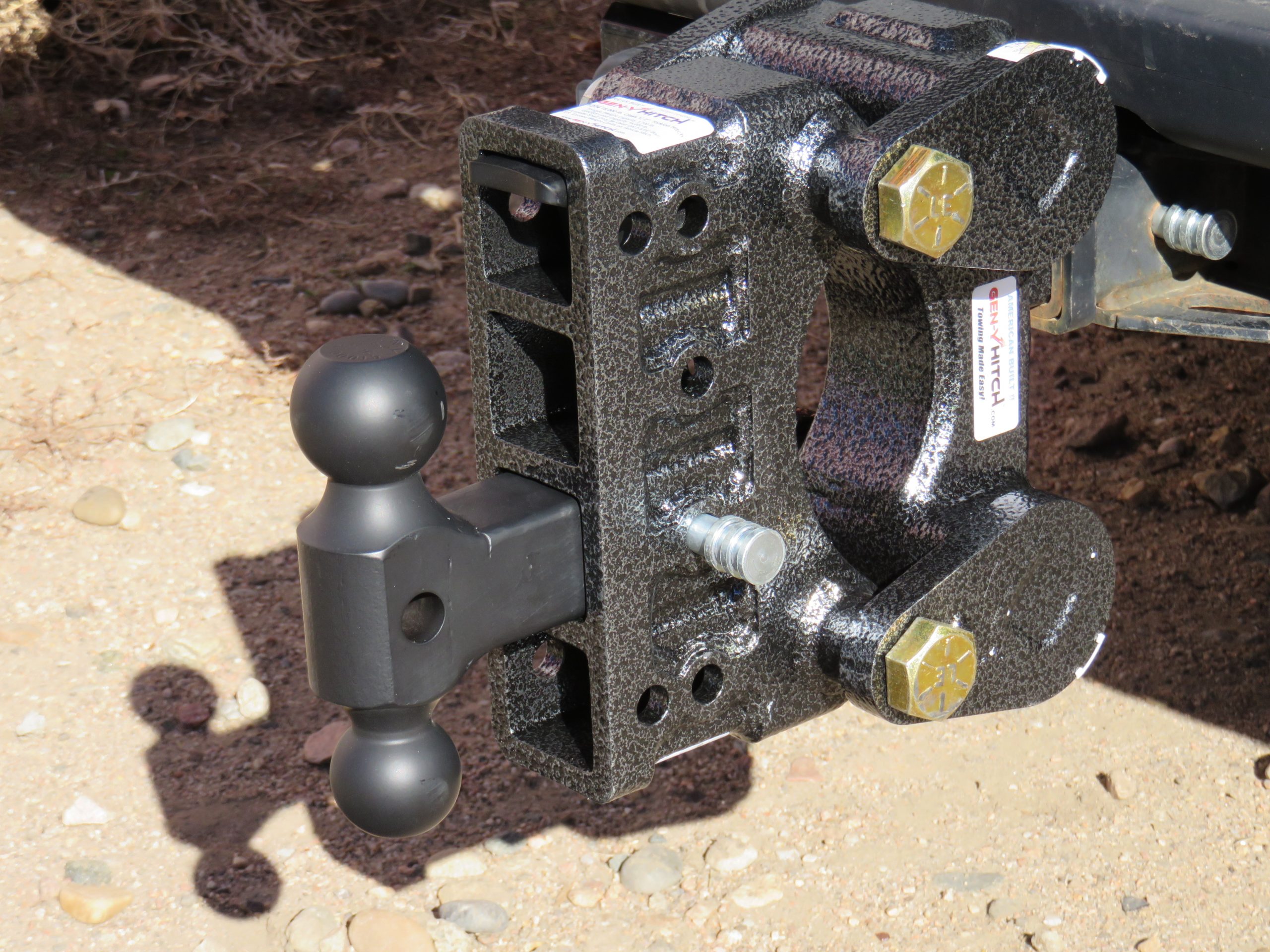
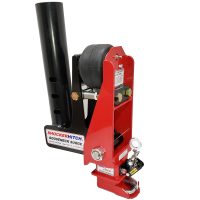
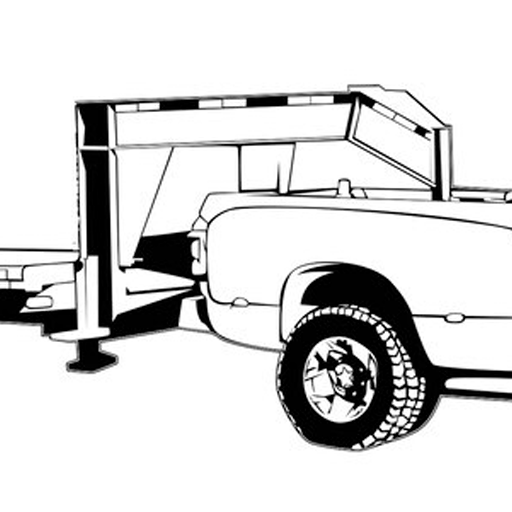
For gooseneck trailers, a cushioned coupler, air-ride coupler, or a suspension-style gooseneck hitch can make a meaningful difference. This is particularly helpful with stock trailers and equipment trailers where the load changes from trip to trip. A trailer carrying one machine can behave very differently when it is carrying two.
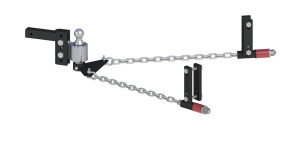
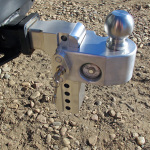
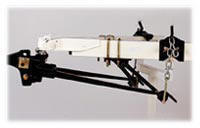
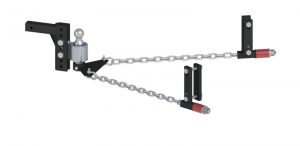
For bumper-pull travel trailers and utility trailers, start with tongue weight and weight distribution. A properly sized weight-distribution hitch can restore front-axle load to the truck and improve the overall feel of the combination. Some systems also provide sway control but remember that sway control and chucking control are related only in the sense that both improve towing behavior. They solve different motions.
Do Not Use a Hitch Upgrade to Cover Up Bad Setup
This is where experienced towing advice saves money. If the trailer is nose-high, badly nose-low, underloaded at the tongue, overloaded at the rear, or hitched to a truck with soft rear suspension and insufficient payload, an expensive hitch may improve the ride without fixing the real problem.
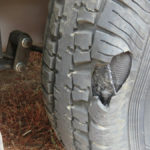
Before buying parts, check the loaded trailer and truck as a complete system. Weigh the truck and trailer if possible. Verify loaded tongue or pin weight. Confirm that the trailer is level or close to level. Inspect suspension components, tire condition, [tire pressures] (https://mrtrailer.com/tuson-tire.htm), hitch hardware, and coupler wear.
A bumper-pull trailer generally needs enough tongue weight to stay stable. Too little tongue weight can make the trailer feel light and nervous, then create surging that gets blamed on the hitch. A fifth-wheel needs adequate pin weight to settle the combination and keep the trailer from reacting sharply to every change in road grade.
Truck suspension deserves an honest look as well. Helper springs, airbags, or upgraded shocks can be useful when the truck sags or wallows under a proper load. But airbags should not be used to exceed payload ratings, and adding air without adjusting the weight-distribution hitch can reduce front-axle load on a bumper-pull setup. Setup comes first.
What to Look for in a Chucking-Reduction Upgrade
Choose by ratings and fitment before comfort claims. The hitch, pin box, coupler, and every mounting point must be rated for the trailer’s loaded weight and expected pin or tongue weight. A lighter trailer can sometimes use a rubber-cushioned solution effectively, while a heavy RV may benefit more from an air-ride system with real damping.
Pay attention to maintenance. Air systems need periodic inspection for pressure, leaks, and wear. Rubber-based systems are simpler but may offer a different feel under changing loads. Mechanical pivot systems need their hardware checked and lubricated as specified. None of that is a reason to avoid them. It is simply part of owning towing equipment that works hard.
Also consider bed clearance and trailer turning. Short-bed truck owners must make sure a fifth-wheel upgrade does not create cab-clearance problems. Gooseneck owners need to account for tailgate clearance and coupler height. The best product on the shelf is the wrong product if it does not fit the truck-trailer combination safely.
Set Expectations for the First Tow
After an upgrade, test the rig close to home with the trailer loaded as it will be used. Take a route with normal bumps, turns, grades, and highway speeds. Listen for new noises, recheck all fasteners, and inspect the hitch area after the first few miles.
You are looking for calmer fore-and-aft motion, not total isolation from the road. If the trailer still hits hard, revisit loading, trailer attitude, tire pressures, and suspension condition. If the ride improves but the truck feels vague or the trailer wanders, stop and correct the setup before taking a long trip.
The right hitch upgrade earns its keep mile after mile by making a heavy trailer feel controlled rather than punishing. Get the hardware matched to your actual trailer weight, install it correctly, and give the whole combination the attention it deserves. For proven towing equipment and practical help choosing it, [Visit our store] (https://Store.MrTruck.com).