


A trailer can be under every published tow rating and still tow poorly enough to make a seasoned driver grip the wheel. The usual culprit is not horsepower. It is tongue weight, where that weight sits, and whether the hitch and truck are set up to carry it. This trailer tongue weight guide covers the numbers that matter, how to measure them correctly, and what to change when the rig does not feel right.
What Is Trailer Tongue Weight?
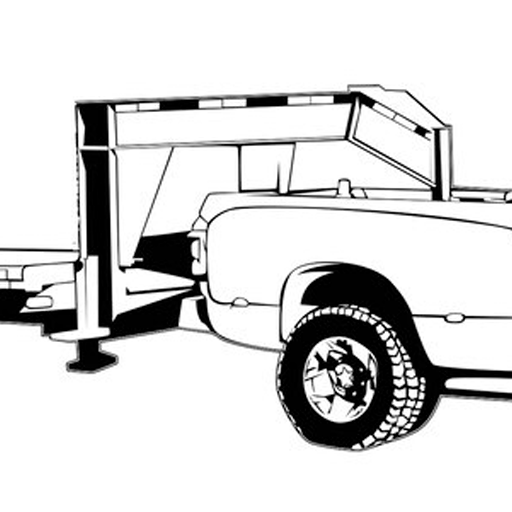
Tongue weight is the downward force a conventional bumper-pull trailer places on the hitch ball. With a fifth-wheel or gooseneck trailer, the same idea is usually called pin weight because the load rests in the truck bed over the hitch.
It is not the trailer’s total weight. A 7,000-pound travel trailer may have 800 pounds on the hitch and roughly 6,200 pounds carried by its own axles. Both figures matter. The truck, receiver hitch, ball mount, ball, coupler, tires, and trailer frame all have ratings that must work together.
Too little tongue weight is a classic cause of trailer sway. The trailer is effectively trying to steer itself from behind the truck. Too much can overload the rear axle or hitch, lighten the front axle enough to hurt steering and braking, and leave the truck sagging on its rear suspension.
The Right Tongue Weight Percentage
For most conventional trailers, target 10% to 15% of the loaded trailer weight on the tongue. The sweet spot for many travel trailers and enclosed cargo trailers is often around 12% to 13%, but the correct answer depends on the trailer design, cargo location, hitch setup, and manufacturer instructions.
Here is the basic math: multiply your fully loaded trailer weight by the desired tongue-weight percentage.
A 6,000-pound loaded trailer at 12% needs about 720 pounds of tongue weight. At 15%, it needs 900 pounds. That is a meaningful difference, especially when you are close to the truck’s payload, receiver, or weight-distribution hitch rating.
Fifth-wheel and gooseneck trailers normally need more weight on the truck, typically 15% to 25% of loaded trailer weight. Many fifth-wheels land in the 20% to 25% range. A 12,000-pound fifth-wheel with 22% pin weight puts about 2,640 pounds in the bed before adding people, tools, fuel, and other cargo in the truck.
That is why buyers get into trouble when they shop by maximum tow rating alone. Payload is often the real limit with larger RVs, horse trailers, and goosenecks.
Do Not Use Empty Trailer Weight
Dry tongue weight is useful only as a starting point. It does not account for propane, batteries, water, camping gear, feed, tack, tools, motorcycles, or the gear that always seems to accumulate before a trip.
Water is especially easy to overlook. Fresh water weighs about 8.3 pounds per gallon, and where the tank sits can change tongue weight dramatically. A 60-gallon tank adds nearly 500 pounds. If that tank is ahead of the trailer axles, tongue weight rises. If it is behind them, it falls – sometimes enough to create a sway problem.
Measure the trailer as you actually tow it. That means full fuel, normal passengers in the truck, cargo loaded, and the trailer loaded for the trip or job ahead.
How to Measure Tongue Weight Correctly
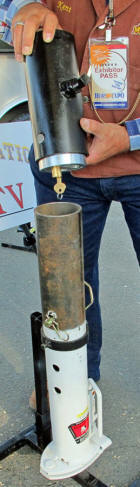
For lighter trailers, a purpose-built tongue-weight scale is fast and accurate. Place it on level, firm ground directly under the coupler, keep the trailer level, and lower the coupler onto the scale. Make sure the scale has enough capacity for the load. A small household scale is not a safe substitute for a heavy trailer tongue.
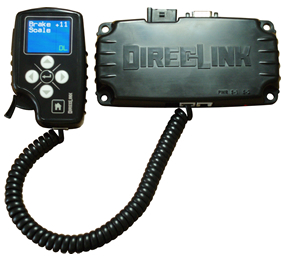
For heavier trailers, a public CAT-style truck scale is usually the best real-world method. Weigh the truck and trailer combined, then weigh the truck by itself with the trailer disconnected but loaded as it was for towing. The difference in truck weight is not always a perfect tongue-weight figure because a weight-distribution hitch transfers some load forward, but the axle weights tell the real story.
A three-pass scale weigh is particularly useful:
- Weigh the truck and trailer together with the weight-distribution hitch engaged.
- Weigh the truck and trailer with the spring bars disconnected, if your scale procedure and location allow it safely.
- Weigh the truck alone, loaded with passengers and gear but without the trailer.
Those numbers show how much weight is on the truck’s front and rear axles and on the trailer axles. More importantly, they show whether the weight-distribution hitch is doing its job without overcorrecting.
For a fifth-wheel or gooseneck, scale weights are the practical answer. Weigh the truck by itself, then connected to the loaded trailer. The increase on the truck axles is your working pin-weight picture. Compare each axle to its GAWR, and compare the loaded truck to its GVWR. Do not assume an airbag kit raises those legal or mechanical ratings. It may level the truck and improve control, but it does not turn a three-quarter-ton pickup into a one-ton.
How Cargo Location Changes Trailer Behavior
Put heavier cargo low and close to the trailer axles, with enough of it forward of the axles to maintain proper tongue weight. The goal is not to pile everything in the front. Excess forward loading can overload the tongue and truck. The goal is a balanced trailer that is slightly nose-heavy at the hitch.
Avoid loading heavy items at the very rear of a bumper-pull trailer. Generators, coolers, toolboxes, firewood, and cargo carriers mounted behind the axles can remove tongue weight quickly. Rear-heavy loading is one of the fastest ways to create sway, especially at highway speed or when passing a big rig.
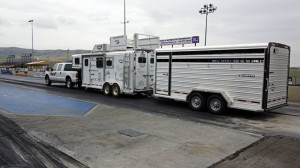
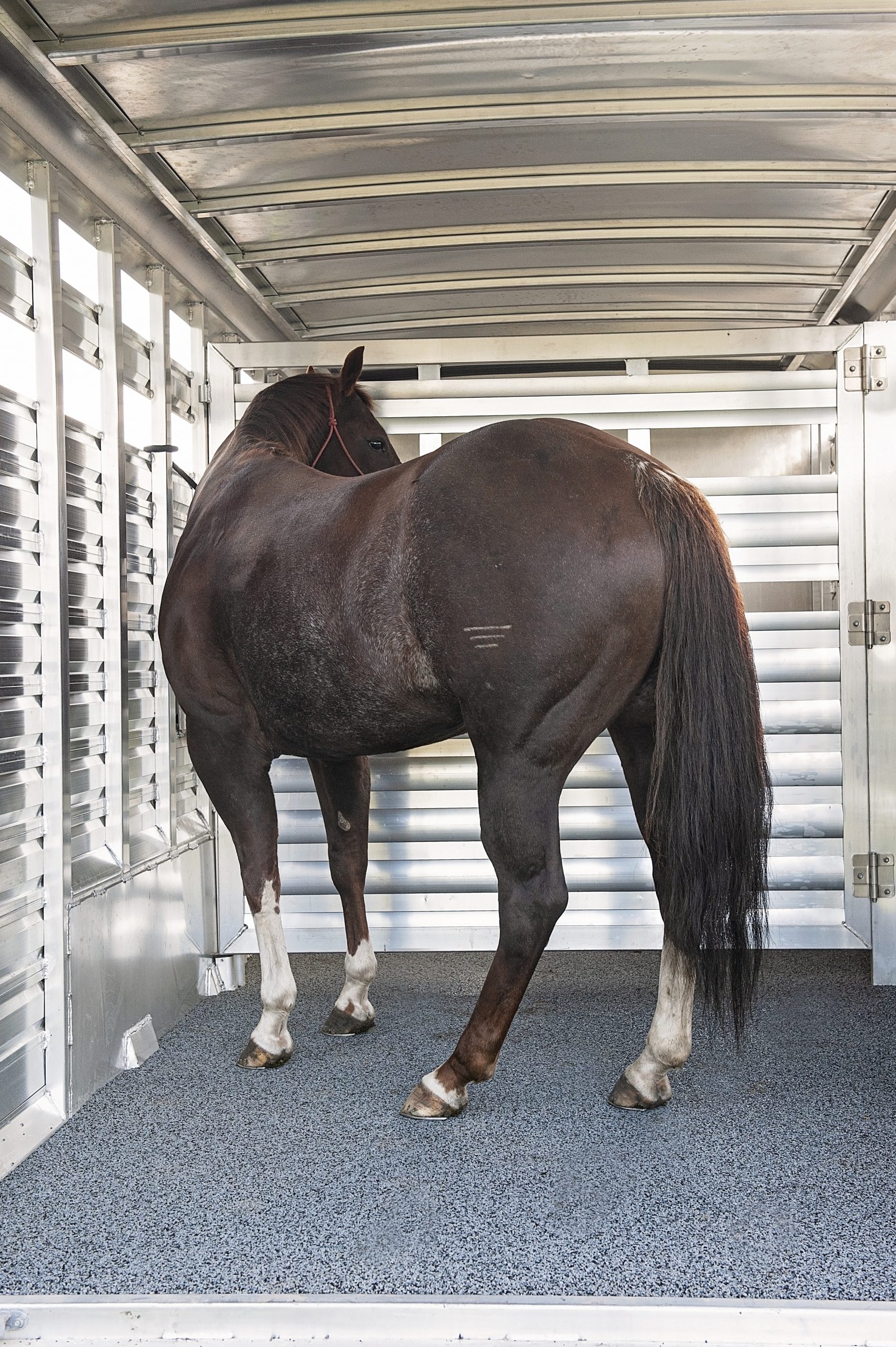
Horse trailers deserve special attention because the load moves. A trailer that measures properly empty can behave differently with horses aboard, water in the tank, tack loaded, and hay stored in a rear compartment. Load according to the trailer maker’s guidance, use a properly rated truck, and recheck weights after changes to your normal setup.
When You Need a Weight-Distribution Hitch
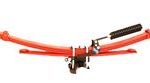
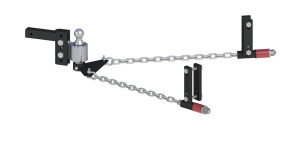
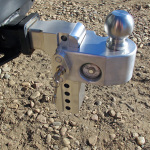
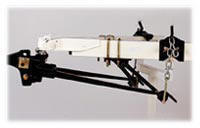
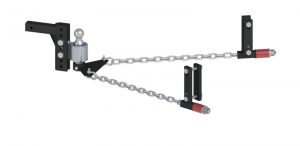
A weight-distribution hitch uses spring bars to shift part of the tongue load from the rear truck axle forward to the front axle and back toward the trailer axles. It does not reduce the actual tongue weight. It distributes that load more effectively across the combination.
For many [travel trailers] (https://mrtruck.com/wdh.htm), enclosed trailers, and heavier utility trailers, this is not optional equipment. It is part of the safe setup. A properly adjusted system can restore steering feel, reduce rear sag, improve braking stability, and help the rig handle bumps without pitching.
But adjustment matters. Too little tension leaves the truck rear-heavy and the front end light. Too much can put excessive load on the front axle and make the ride harsh. Start with the hitch manufacturer’s setup process, then verify it with real axle weights. The front axle does not always need to return exactly to its unhitched number, depending on the truck and hitch instructions, but it should not be left severely unloaded.
Sway control is a separate consideration. A friction bar may help a modest trailer, while an integrated sway-control weight-distribution hitch is often a better choice for larger travel trailers. Neither one fixes bad loading. Hardware can support a sound setup; it cannot rescue a tail-heavy trailer.
Ratings That Must Not Be Ignored
The lowest rating in the chain is the rating that governs. Check the truck’s payload sticker, front and rear GAWR, GVWR, receiver rating, hitch-ball rating, ball-mount rating, tire load ratings, trailer coupler rating, and the weight-distribution hitch rating when one is used.
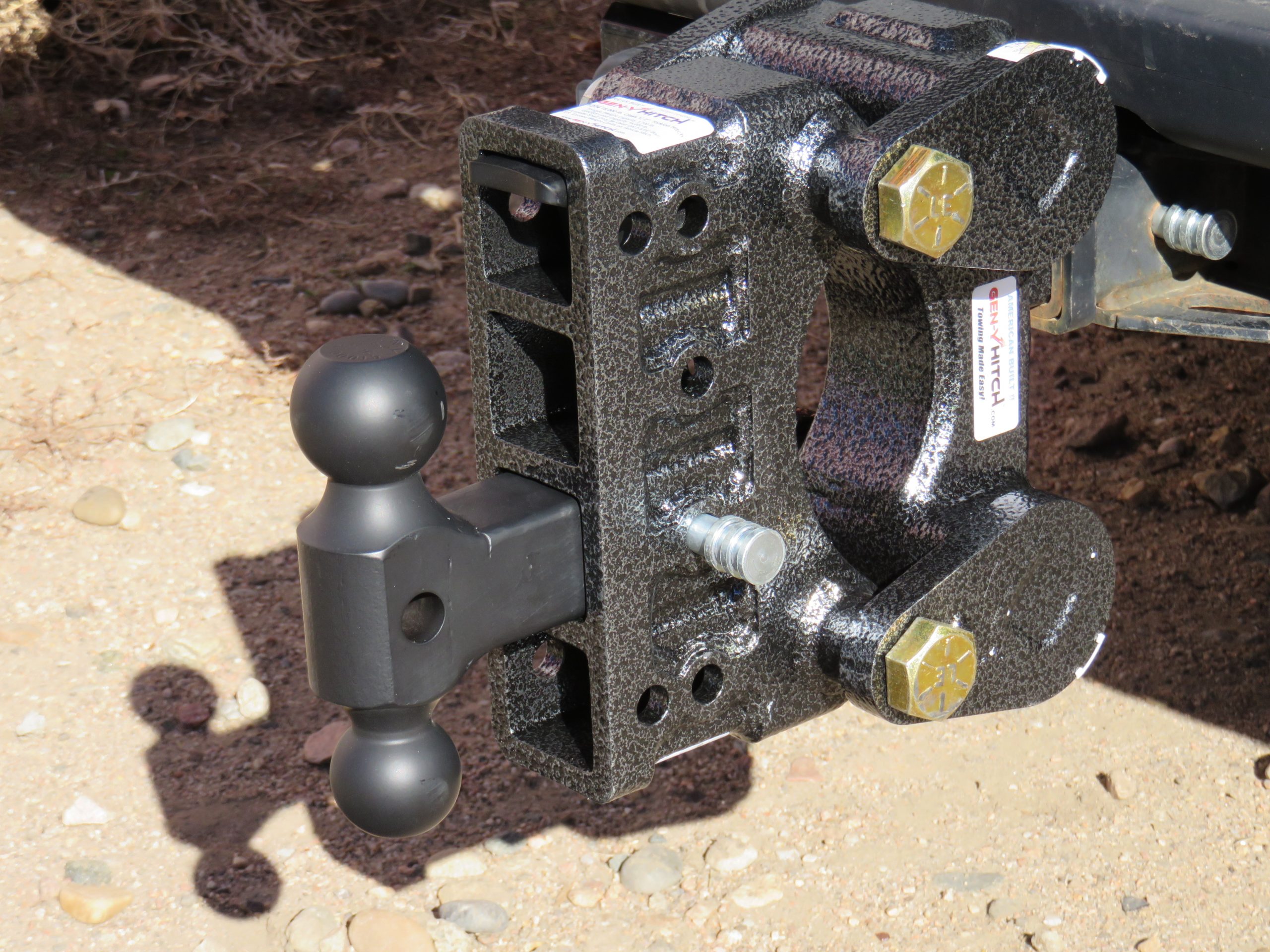
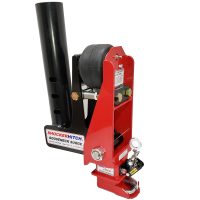
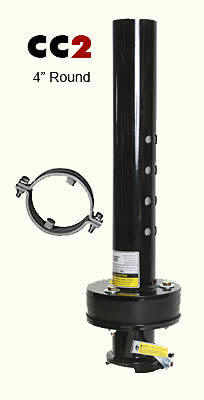
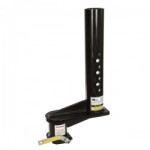
Also account for everything carried in the truck. A 900-pound tongue weight can consume far more than 900 pounds of available payload once you add a driver, passengers, a bed full of gear, a tonneau cover, auxiliary fuel, or a heavy fifth-wheel hitch. For [gooseneck and fifth-wheel] (https://mrtrailer.com/gen-y-gooseneck-torsion-suspension-coupler-round-square.htm) owners, that hitch itself can weigh 150 to 300 pounds or more.
If you are near a limit, do not solve it by guessing. Get scale tickets. They are cheaper than a damaged hitch, worn-out tires, or a bad afternoon on the interstate.
Warning Signs Your Tongue Weight Is Wrong
A trailer that sways, wanders, feels twitchy after passing trucks, or starts fishtailing over bumps may be too light at the tongue or poorly loaded. Slow down gradually, avoid sudden steering inputs, and correct the loading before the next trip.
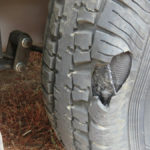
A truck that squats hard, porpoises, steers vaguely, or has headlights pointed at treetops may have excessive tongue weight, inadequate weight distribution, or both. Suspension support products can improve ride height and stability, but they are not a substitute for staying within axle, hitch, and payload ratings.
One last practical rule: the trailer should sit level or very slightly nose-down when connected. Nose-high towing can shift weight rearward and reduce stability. If leveling requires a different ball mount or hitch-head adjustment, make that correction before you chase more complicated answers.
A stable trailer starts with measured weight, not a guess in the driveway. If your setup needs a better hitch, sway control, suspension support, or a dependable towing accessory, [Visit our store] (http://Store.MrTruck.com).