

 A trailer can feel perfectly civilized on a smooth local road, then show its weak points the first time a passing semi, downhill curve, crosswind, or emergency stop enters the picture. That is why a good pickup truck towing accessories guide starts with control and safety, not chrome, convenience, or whatever happens to be on sale.
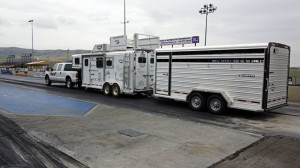
The right equipment depends on your truck, trailer, cargo, hitch type, and how often you tow. A half-ton pulling a 5,000-pound travel trailer has different needs than a three-quarter-ton hauling a loaded horse trailer or a gooseneck equipment trailer. But the rule stays the same: every part of the towing system must be properly rated, correctly installed, and suited to the actual loaded weight.
Start With the Accessories That Control the Load
Before adding lights, steps, or storage boxes, make sure the equipment connecting truck and trailer is doing its job. The trailer may be rated for a certain weight, but the real limit is set by the lowest-rated component in the chain. That includes the truck receiver, ball mount, hitch ball, coupler, safety chains, pins, and tires.
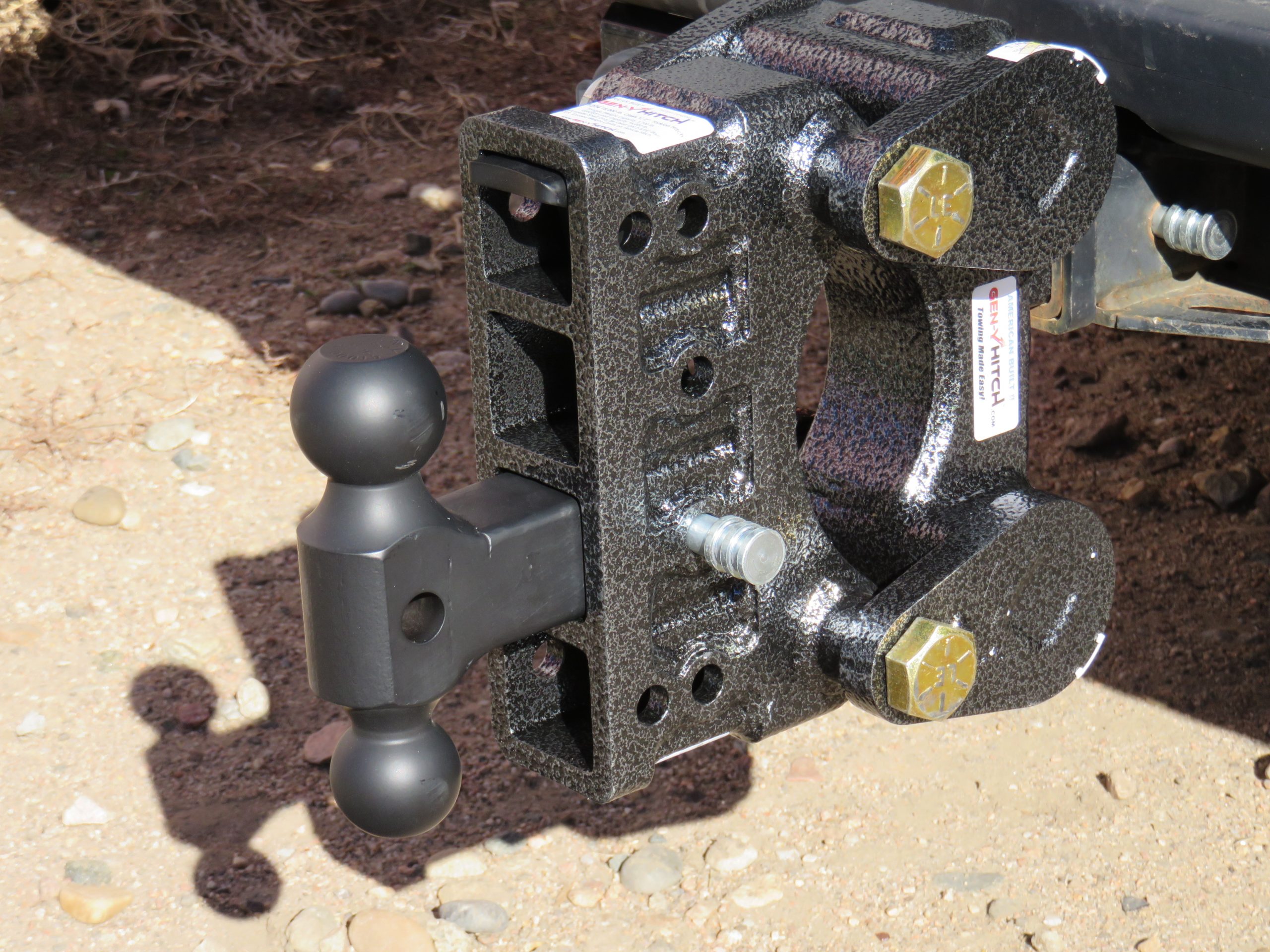
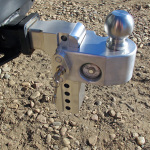
A properly sized ball mount does more than connect the trailer. It helps keep the trailer level. A nose-high or nose-low trailer can handle poorly, place extra load on one axle, and reduce braking stability. Measure the truck’s receiver height and the trailer coupler height on level ground, then choose the rise or drop that puts the trailer close to level when loaded.
Use a hitch ball with a rating that exceeds the trailer’s loaded weight, and match its diameter exactly to the coupler. Do not assume a ball that fits is adequate. Check the shank size, ball mount hole size, and torque specification as well. A loose hitch ball is not a minor maintenance item.
Weight Distribution and Sway Control
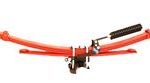
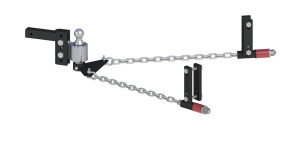
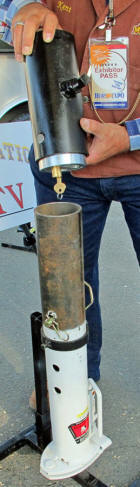
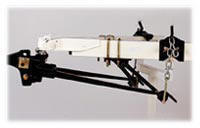
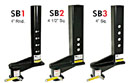
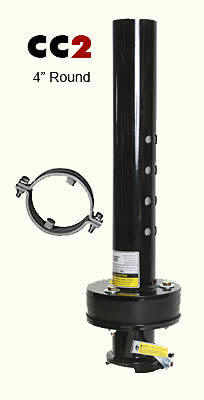
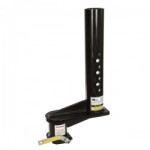
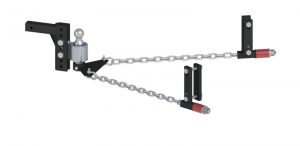
Andersen Weight Distributing Hitch: Full Product Review and Exclusive Sales
For many bumper-pull trailers, a weight distribution hitch is the accessory that makes the biggest improvement in steering feel and stability. It transfers part of the trailer tongue weight forward to the truck’s front axle and rearward to the trailer axles. That can restore front-end traction and steering response when a loaded trailer pushes the rear of the truck down.
Weight distribution is not automatically required for every trailer. A lighter utility trailer with modest tongue weight may tow better without it. But for travel trailers, larger enclosed trailers, and many horse trailers, it is often the difference between a controlled rig and one that feels loose at highway speed.
Sway control deserves equal attention. Friction sway control can help on smaller, lighter trailers, while integrated systems built into a weight distribution hitch generally offer better control for larger trailers. Neither type is a cure for poor loading, soft tires, a worn suspension, or a trailer that is too heavy for the truck. Put roughly 10 to 15 percent of a conventional trailer’s loaded weight on the hitch, secure cargo low and forward of the trailer axles, and correct mechanical problems before expecting an accessory to save the day.
Pickup Truck Towing Accessories for Stopping and Seeing
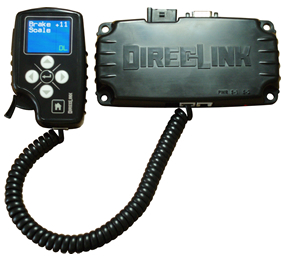
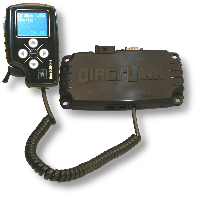
A trailer brake controller is non-negotiable when the trailer has electric brakes. Modern proportional controllers sense the truck’s braking and apply trailer brakes in proportion, producing smoother stops than old-style time-delay units. Set the gain on a safe, open road with the trailer loaded. Too little gain lets the trailer push the truck. Too much can lock trailer tires and wear them out fast.
A brake controller should be paired with a working breakaway system. The breakaway battery, switch, cable, and trailer brakes need regular testing. The cable must be attached to the truck separately from the safety chains, with enough slack for turns but not enough to drag on the pavement. If the trailer separates, the breakaway system is the last line of defense.
Visibility equipment earns its keep every time you change lanes, back into a campsite, or maneuver around livestock facilities. Extended towing mirrors are usually more useful than add-on convex mirrors because they provide a stable, wider view down both sides of the trailer. A rear trailer camera is especially valuable with long enclosed trailers, horse trailers, and fifth-wheels, where the truck’s backup camera cannot show what is directly behind the trailer.
Good trailer lighting matters just as much. Replace corroded connectors, protect wiring from abrasion, and confirm that running lights, brake lights, turn signals, and reverse lights work before every trip. A quality seven-way plug connection and a small electrical test tool can prevent a lot of roadside diagnosis.
Tires, Suspension, and the Parts That Protect the Trip
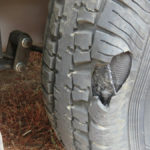
Tires are one of the most overlooked towing accessories categories because owners tend to think about them only after a blowout. A tire pressure monitoring system gives early warning of a slow leak, sudden air loss, or dangerous temperature rise. On a truck and trailer combination, that warning can keep a damaged tire from becoming a shredded fender, torn wiring harness, or loss-of-control event.
Use the monitor on the trailer as well as the truck. Trailer tires can lose pressure without changing the way the truck feels, particularly on tandem and triple axle trailers. Check tire age, load range, inflation pressure, and wheel lug torque before a major trip. The tire sidewall is not a suggestion. It tells you what that tire is built to carry at a specified pressure.
Suspension upgrades can improve a loaded truck, but they need to be chosen for the problem at hand. Air helper springs are excellent for leveling a truck under changing loads. They are popular with RV owners and horse trailer users because pressure can be adjusted between unloaded and loaded driving. Timbren-style rubber springs are simpler and require less adjustment, while upgraded shocks can improve control over rough pavement and reduce bouncing.
None of these upgrades increase the truck’s factory payload, axle, tire, receiver, or tow rating. They can make a properly matched load ride and handle better. They cannot turn an overloaded truck into a safe one.
Match the Hitch System to the Trailer
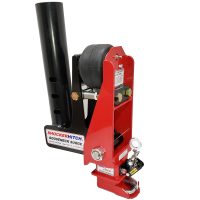
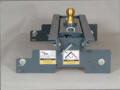
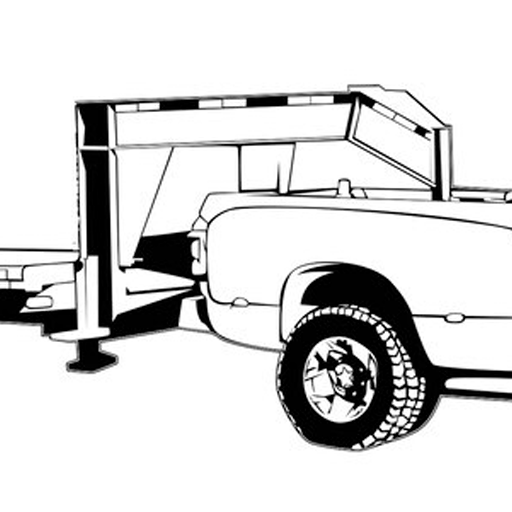
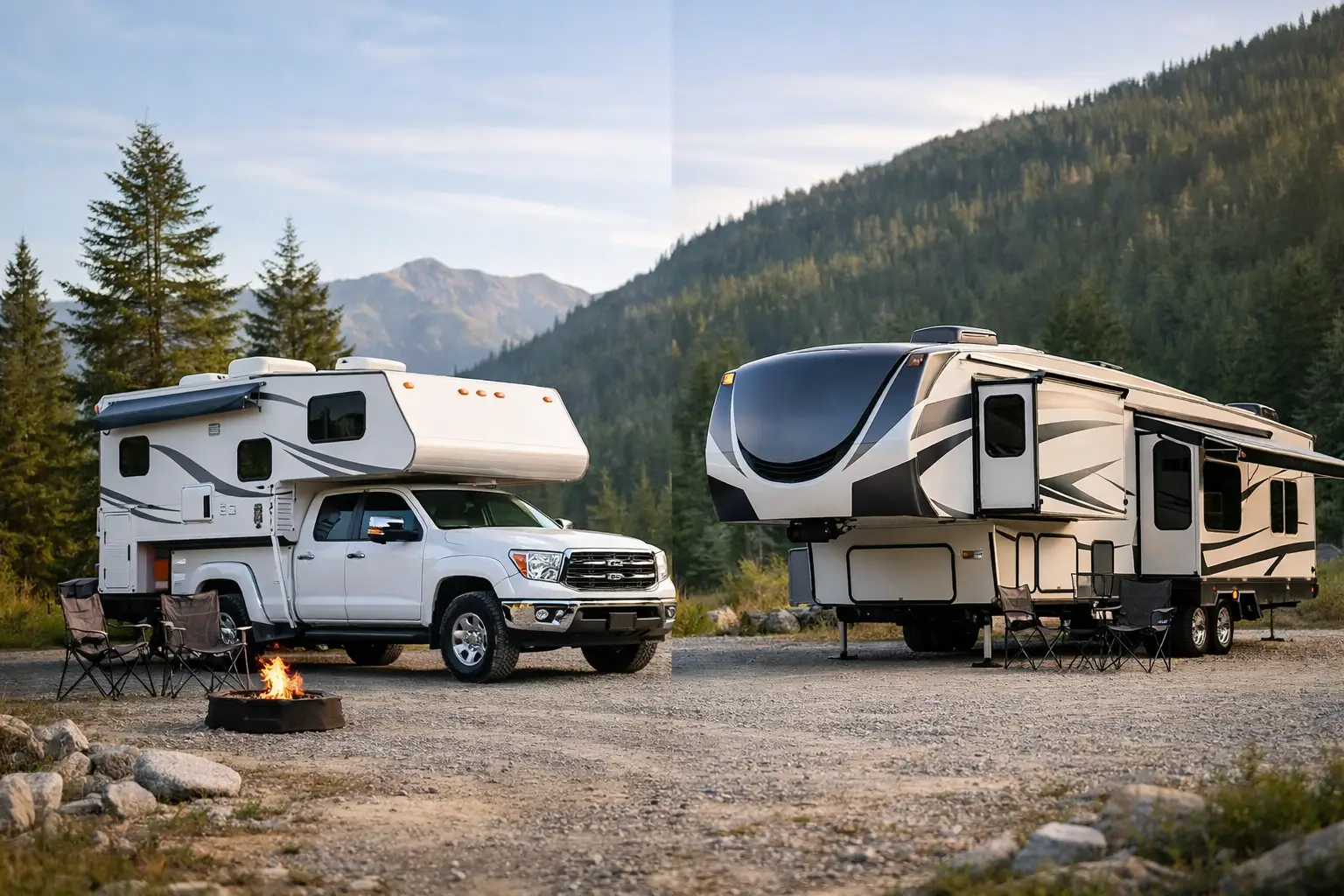
Gooseneck and fifth-wheel trailers place their pin weight over or near the rear axle, which generally produces a more stable towing feel than a comparable bumper-pull trailer. They also require a truck bed hitch system that matches the trailer, bed length, and intended use.
Short-bed trucks need special attention. Depending on the trailer front cap and hitch design, a tight turn can put the trailer into the truck cab. A sliding fifth-wheel hitch or a properly engineered rotating pin box may be needed, but neither should be selected by guesswork. Measure clearances and follow the hitch and trailer manufacturer’s guidance.
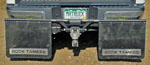
For goosenecks, verify ball size, coupler condition, safety chain attachment points, and bed clearance. Keep the bed clear of loose gear that can interfere with the hitch or become a projectile. If you tow multiple trailers, a clean, organized hitch setup saves time and reduces the chance of using the wrong ball, pin, or electrical adapter.
Security and Roadside Gear Are Cheap Insurance
A trailer coupler lock helps deter opportunistic theft when the trailer is parked, while a heavy-duty wheel lock adds another obstacle for higher-value trailers. Security works best in layers: lock the coupler, secure the safety chains where practical, remove portable electronics, and park where the trailer is visible.
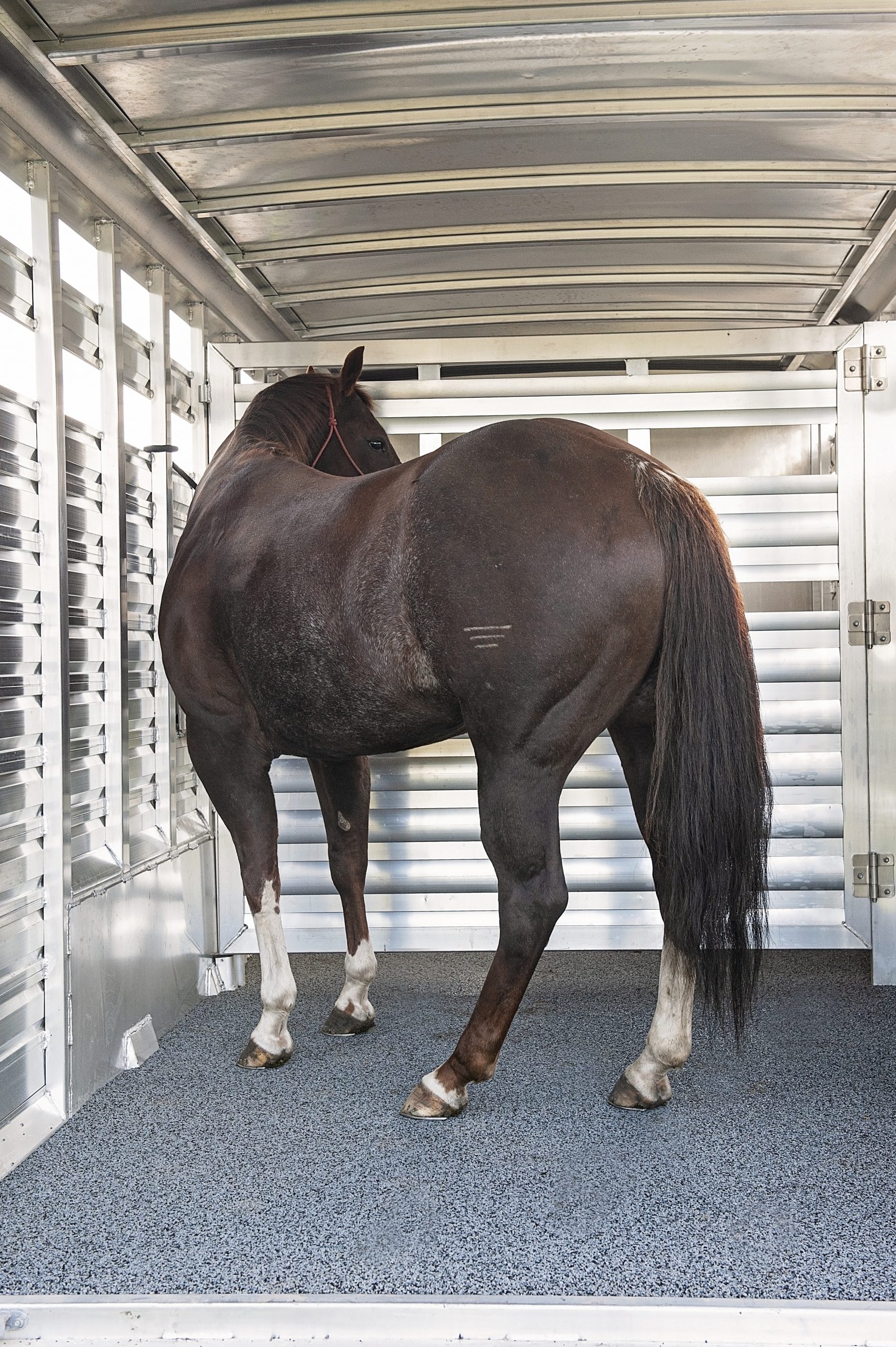
Carry the gear that gets you safely off the shoulder and back on the road: a properly rated spare tire, jack capable of lifting the loaded trailer axle, lug wrench, wheel chocks, reflective triangles, flashlight, gloves, tire repair supplies, and a basic tool kit. For horse and livestock trailers, add supplies appropriate for the animals as well. A roadside tire problem is stressful enough without discovering the trailer’s spare has been flat for two years.
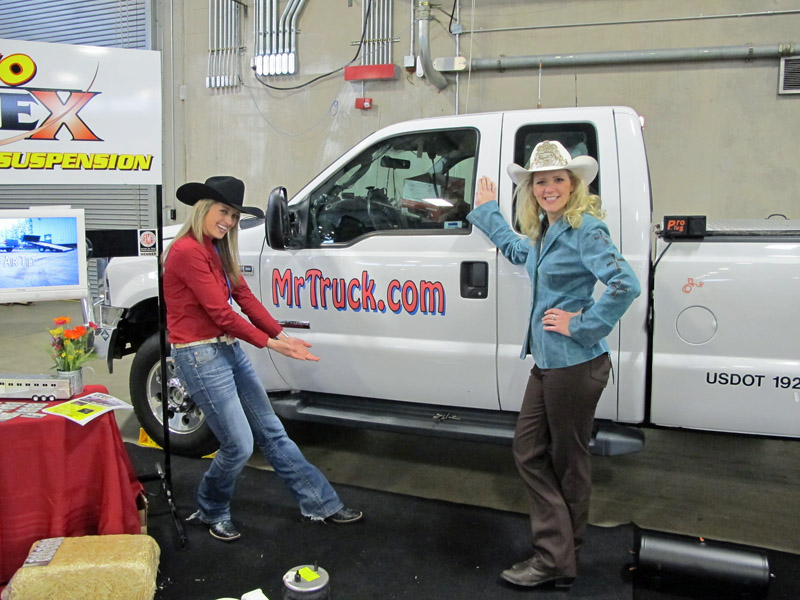
The best towing setup is not the one with the most accessories. It is the one where the truck, trailer, hitch, brakes, tires, and load all work together without asking any component to do more than it was built to do. If you need proven towing equipment or straight answers before you buy, visit https://mrtruck.com/ and choose accessories based on your actual trailer and loaded weights.
Comments