

Weight Distribution Hitches deliver proven sway control. Design matters: MrTruck.com’s 50-plus years of towing testing show Andersen’s greaseless, spring-free setup ships within 24 hours and installs faster. Traditional units like the 106-pound Equalizer demand more muscle. Choose Andersen for lighter, simpler hookups; choose traditional for heavier-duty stability.
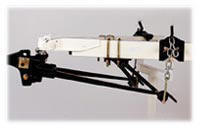
Andersen No-Sway hitches use a greaseless, spring-free design with plastic friction material. Traditional weight distribution hitches like the Equal-i-zer rely on spring bars for sway control. MrTruck.com reviews both systems for pickup truck and horse trailer owners, evaluating hookup ease, sway performance, and long-term durability before recommending equipment for safer, controlled towing.
What Makes a Weight Distribution Hitch Essential?
A weight distribution hitch restores safe steering and braking control when a heavy trailer unloads the truck’s front axle. Without this device, the rear of the truck squats, the front end lifts, and steering becomes dangerously light. MrTruck.com has spent over 26 years evaluating these hitches to make trailering safer and easier for owners of pickup trucks, horse trailers, and travel trailers.
How does a weight distribution hitch improve towing safety?
The hitch uses spring bars to transfer a portion of the tongue weight back to the truck’s front axle and the trailer’s axles. This levels the truck and trailer combination. The result is predictable steering, shorter stopping distances, and reduced trailer sway. H. Kent Sundling, founder of MrTruck.com, brings over 50 years of towing experience to every review. His hands-on perspective helps identify which hitches deliver genuine control improvements.
What happens without a weight distribution hitch?
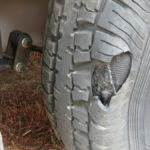
A heavy trailer without weight distribution creates a dangerous driving condition. The truck’s rear suspension compresses, and the front wheels lose traction. Steering response becomes vague, and crosswinds or passing semis can push the trailer sideways. Braking distances increase because the rear brakes carry more load than designed. MrTruck.com focuses on these exact safety risks when reviewing hitches like the Andersen No-Sway WDH and the Equal-i-zer WDH. The goal is controlled, predictable towing for every load.
Key benefits of a weight distribution hitch:
- Restores front-axle weight for proper steering feel
- Levels the truck and trailer for better headlight aim
- Reduces trailer sway from wind and passing traffic
- Improves braking stability on downhill grades
Andersen No-Sway vs. Traditional Hitches: Key Differences?
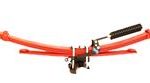
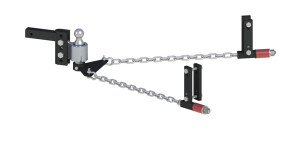
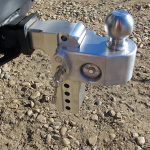
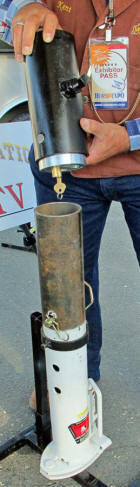
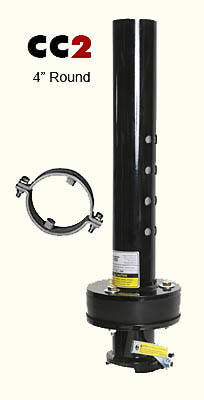
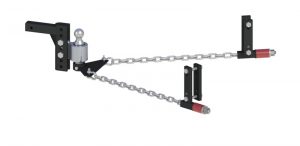
The [andersen weight distribution hitch](https://mrtruck.com/?p=12983) eliminates the heavy steel bars and friction points that define traditional weight distribution systems. MrTruck.com reviews both the Andersen No-Sway WDH and the Equal-i-zer WDH, and the differences start with weight. One Equalizer user reported a combined weight of 106 pounds for the hitch head and load bars. The Andersen system uses a grease-free design where the ball turns with the trailer, removing the need for leverage bars entirely.
How does the Andersen hitch control sway differently?
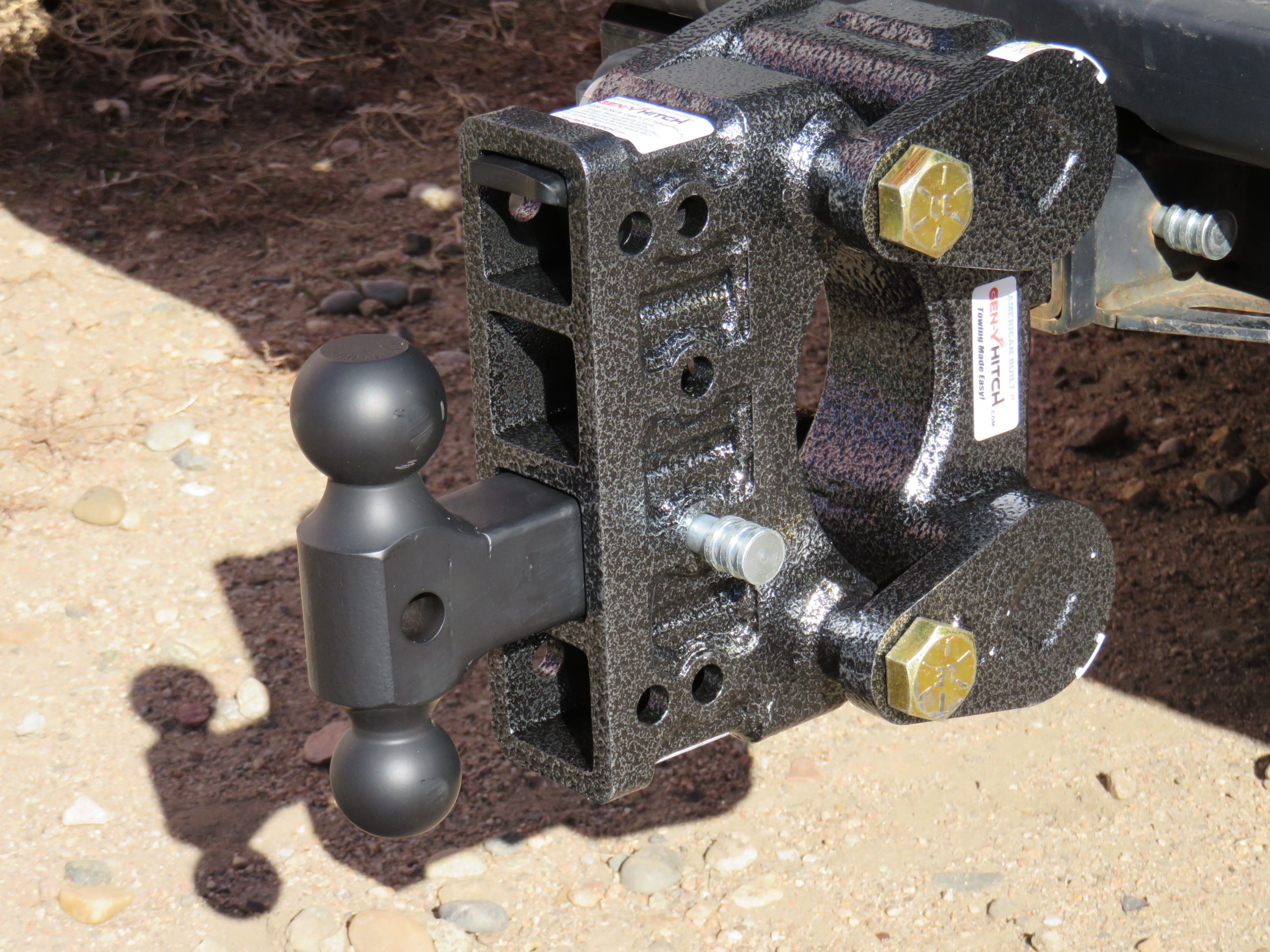
The [Gen-Y Adjustable Hitches: Torsion-Flex vs. Traditional Drop Hitches Review](https://mrtruck.com/?p=12989) highlights patented shock absorbers that prevent bouncing, a feature traditional bar-style hitches lack. Traditional hitches rely on friction between metal bars and brackets to resist sway. That friction wears over time and requires grease or adjustment. The Andersen system uses a rotating ball mount and integrated dampening to manage trailer movement without metal-on-metal contact.
What makes the Andersen hitch easier to handle?
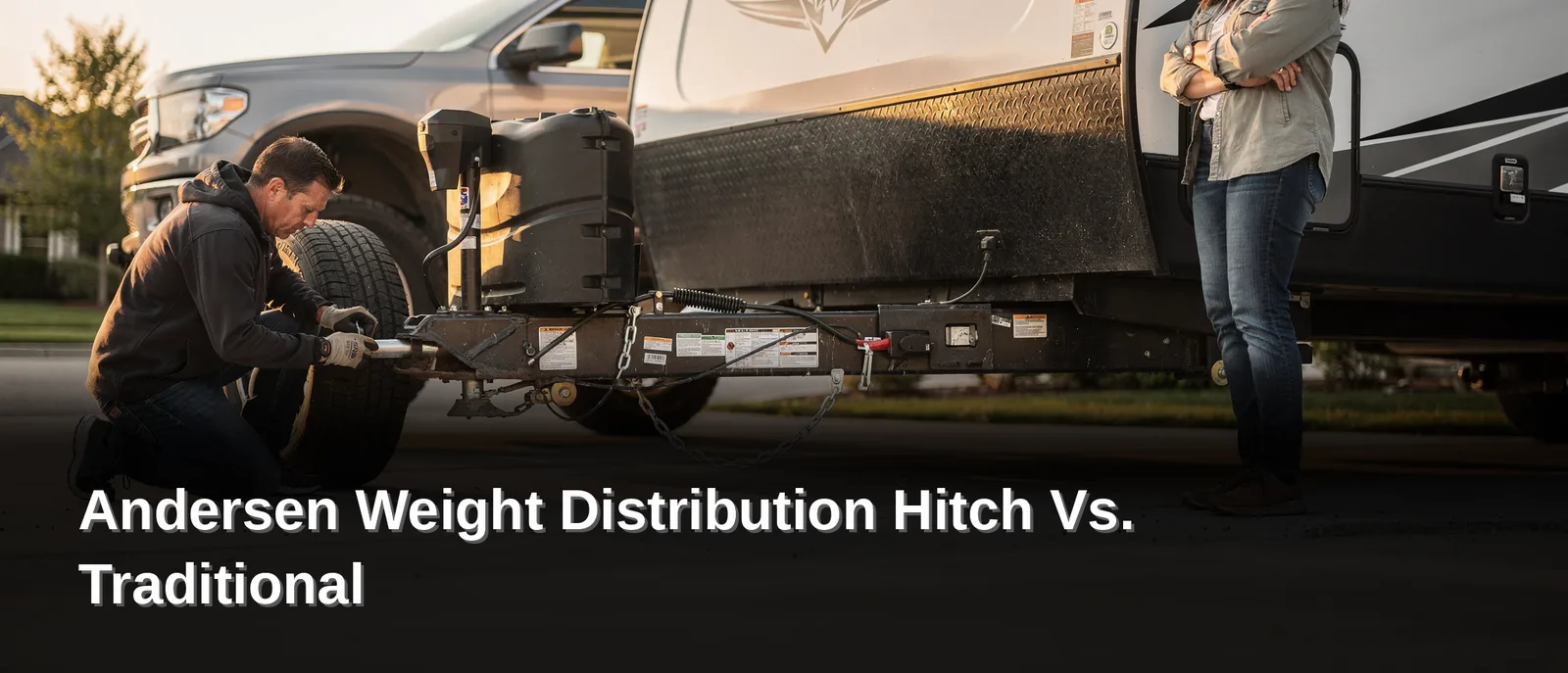
The andersen hitch vs traditional weight distribution comparison shows a clear advantage in daily use. Traditional hitches require lifting heavy bars and aligning them with brackets on the trailer frame. The Andersen hitch connects like a standard ball mount with a single latch. Owners with back issues or limited strength find the lighter components far more manageable for hookup and disconnect.
A [Gooseneck vs. 5th Wheel Hitches: Heavy Towing Differences, Capacities & Setup Gu](https://mrtruck.com/gooseneck-vs-5th-wheel-hitches-heavy-towing-differences-capacities-setup-guide.htm) from MrTruck.com confirms the Andersen hitch delivers smoother towing with less physical effort. The trade-off comes in the design philosophy. Traditional hitches use brute force and friction. The Andersen hitch uses engineered dampening and rotation. For owners who value ease of setup. A quieter ride, the Andersen system provides a clear alternative to conventional weight distribution.
Which Hitch Should You Choose for Your Rig?
MrTruck.com recommends the andersen weight distribution hitch for pickup truck. Trailer owners who want a lighter, easier-to-install alternative to traditional systems. This hitch requires no leverage bars for installation, and its sway control adjusts automatically to the load. The andersen no-sway hitch review process at MrTruck.com confirms the unit delivers a smoother towing experience with less physical strain on the user.
How Does the Andersen Hitch Compare to Traditional Weight Distribution?
The andersen hitch vs traditional weight distribution comparison reveals key differences in weight and setup. Traditional hitches often require heavy steel bars and a separate sway control device. The Andersen design eliminates those components, reducing the total weight the owner must elevator and carry.
What Should Owners Verify Before Installation?
A weight distribution hitch comparison must include fitment checks. Some users reported frame bracket movement on certain trailer A-frames. MrTruck.com provides educational articles on towing to help customers verify compatibility before purchase.
MrTruck.com’s online store offers a curated selection of top-rated items tested by MrTruck himself, ensuring buyers get proven equipment.
Conclusion
In closing, your choice between an Andersen No-Sway hitch and a traditional weight distribution system depends on your specific towing needs, vehicle setup, and priorities. Both technologies deliver proven stability and safety when properly matched to your rig. At MrTruck.com, we’ve tested these solutions extensively over decades of real-world trailering, and we’re confident that understanding the distinctions covered here empowers you to make the right decision for your hauling operation.
Comments