

Blog/Tuson Trailer TPMS Review: Why Internal Sensors Are the New Standard for Heavy-Duty Towing
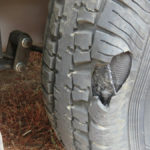
Trailer tire blindness is a well-documented hazard. Because trailer tires are mechanically disconnected from the tow vehicle’s steering and suspension feedback, a slow leak or a sudden pressure drop can go completely undetected until the tire shreds, damages fenders, tears brake wiring, and potentially destabilizes the entire rig. By that point, the damage is done. Tuson TPMS
#image_title
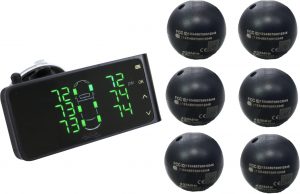
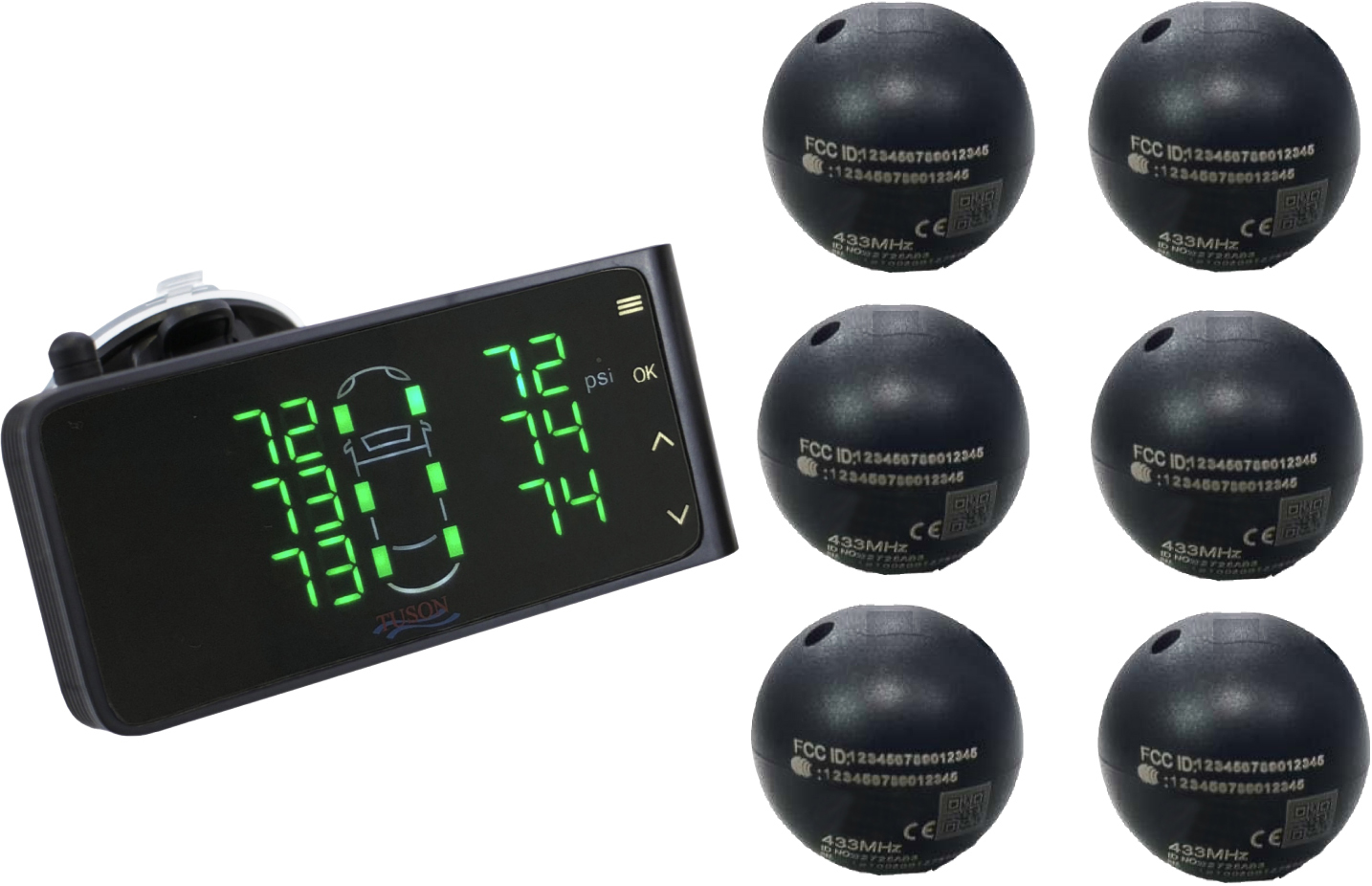
The Tuson system addresses this gap with real-time pressure monitoring up to 203 PSI and continuous temperature tracking, pushing live data to the driver before a slow leak becomes a catastrophic failure. That combination — high-range pressure sensing plus thermal awareness — is precisely what separates it from basic monitoring alternatives.
And the sensor placement is where the real story begins. Industry insiders consistently point to internal sensors as the more reliable long-term solution, a distinction worth examining closely.
Internal vs. External Sensors: The Precision Gap
Where you mount a TPMS sensor determines everything about how accurately it reads your tires — and internal sensors have a measurable technical edge over cap-style alternatives.
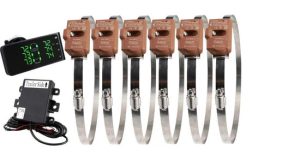
Internal vs. external placement is the defining variable in trailer TPMS performance. Cap-style sensors thread onto the outside of the valve stem, which means they sit in the open airstream beneath your trailer. At highway speed, that constant airflow artificially cools the sensor housing, producing temperature readings that can understate what is actually happening inside the tire carcass. An internal “tire ball” sensor, by contrast, measures conditions directly within the tire cavity, where heat and pressure changes occur first.
#image_TPMS bands
Sensor protection is the second critical dimension. External cap sensors are exposed to road debris, water intrusion, UV degradation, and — frankly — opportunistic theft at fuel stops. Internal sensors are sealed inside the wheel assembly, making them immune to all of those hazards. For towers running high annual mileage across varied terrain, that physical protection translates directly into sensor longevity and consistent data reliability.
Installation does require breaking the tire down at a shop to seat the internal sensor against the wheel, but that upfront step is precisely what makes the system so appealing afterward. Once the Tuson TPMS ball sensor is installed, there is nothing to check, tighten, or replace before each trip. High-mileage towers consistently favor that “set it and forget it” reliability over the recurring maintenance that cap-style sensors demand.
Those installation and accuracy advantages become even clearer when you understand exactly why sensor placement matters so much — which is what the next section examines in detail.
- Air temperature accuracy: Internal sensors read actual in-tire conditions, not ambient road temperatures
- Physical security: Sealed inside the wheel, protected from debris, weather, and theft
- Longevity: No exposure to UV or road grime that degrades external sensor housings
- Convenience: No pre-trip cap checks or torque verification required after initial installation
Why Internal Sensors Outperform Cap-Style Alternatives
Internal sensors eliminate the single most common source of inaccurate TPMS readings: direct exposure to ambient airflow that artificially depresses temperature measurements.
Cooling effect on accuracy. Cap-style sensors sit outside the wheel, fully exposed to rushing air at highway speeds. That airflow pulls heat away from the sensor housing, causing it to read lower temperatures than the actual air inside the tire. Internal sensors, positioned within the wheel assembly, read the true thermal environment of the pressurized air — not the conditions surrounding the rim.
Valve stem integrity. The Tuson system uses interchangeable brass valve stems, which resist the centrifugal stress that builds on a spinning wheel far better than the plastic-threaded caps that external sensors rely on. Cap-style units can loosen, seep, or fail to seat properly under sustained highway rotation, introducing slow leaks that defeat the purpose of monitoring in the first place.
Example scenario: Consider a long-haul RV trip through the Mojave Desert in late July. Pavement temperatures exceed 150°F, and the trailer tires are generating significant heat from sustained load and speed. An external cap sensor, cooled by 70 mph airflow, might report a temperature reading 20°F or more below what the tire air is actually experiencing — masking a dangerous heat buildup until it is too late. An internal sensor reads that same air directly, giving you an accurate, actionable alert.
Understanding accuracy is foundational — but the hardware supporting that accuracy, particularly the RF signal repeater and high-PSI capacity, is what makes the Tuson TPMS viable for demanding heavy-duty applications.
Technical Deep Dive: The Signal Repeater and High-PSI Support
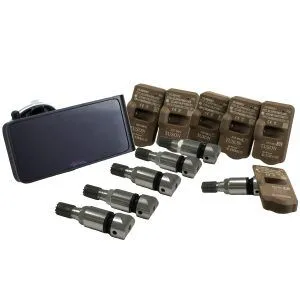
The Tuson Trailer TPMS combines a radio frequency signal repeater, 203 PSI capacity, and motion-activated sensors into a system engineered specifically for the demands of heavy-duty towable applications.
#image_Internal Tire
The RF signal repeater is the component that separates this system from alternatives when trailer length becomes a factor. Metal framing, appliances, and structural components inside a long trailer all act as interference barriers that degrade wireless transmission. The repeater amplifies and re-broadcasts sensor data from the far end of the trailer, keeping pressure readings continuous and accurate. This becomes especially important on longer trailers — a point that deserves its own discussion, which the next section addresses directly.
High-PSI support is a specification detail that matters more than many buyers initially realize. The system is rated to 203 PSI, covering G and H-rated tires that operate at sustained high inflation levels. Many cap-style and entry-level internal sensors top out well below that threshold, leaving fleets running heavy-duty tires without meaningful monitoring. For towing configurations where tire failure carries significant consequences, that ceiling is not optional.
Motion-activated sensor technology addresses one of the more practical concerns with any wireless monitoring system: battery longevity. Sensors remain dormant when the trailer sits still, activating only when movement is detected. That single design choice extends battery life to approximately five years under normal use conditions.
The receiver display cycles through each tire sequentially, presenting pressure and temperature readings in a format that does not require interpretation. You get a clear read on every position without navigating menus or decoding alerts.
Optimizing Range for 30+ Foot Trailers
For trailers exceeding 30 feet, signal propagation through dense metal framing is the defining challenge that separates a reliable TPMS from an unreliable one.
The repeater’s role is straightforward in principle but critical in practice. A long fifth-wheel or travel trailer contains steel framing, aluminum skin, and a dense cluster of appliances — refrigerators, inverters, water heaters — all of which attenuate radio frequency signals traveling from rear axle sensors toward the cab-mounted display. The Tuson system’s integrated repeater picks up those sensor transmissions and rebroadcasts them forward, effectively leapfrogging the interference rather than fighting through it.
Signal loss from poor repeater placement is the most common field failure reported with extended-trailer TPMS setups. What typically happens is that owners mount the repeater too close to the trailer’s electrical panel or near a large metal storage compartment, both of which absorb or reflect the RF signal. The fix is deliberate repositioning — ideally toward the trailer’s lateral center, elevated above floor level, and away from dense appliance clusters. A simple repositioning trial, moving the repeater in 12-inch increments, is often enough to restore consistent signal acquisition.
Altitude-driven pressure fluctuation adds a secondary stress that many guides overlook entirely. As ambient air pressure drops at elevation, tire pressure readings shift — sometimes by several PSI across a mountain pass. The system’s 203 PSI capacity provides meaningful headroom, ensuring that neither normal altitude variance nor heat-related expansion pushes readings beyond what the sensors can accurately report. Those practical nuances — repeater placement, altitude compensation, RF interference mapping — are exactly the kind of real-world details that most TPMS guides never surface.
Practical Realities: What Most TPMS Guides Miss
The details that separate a confident TPMS purchase from a frustrating one are almost never covered in standard buying guides — and for the Tuson Trailer TPMS, those details matter.
Sensor activation tools are one of the most overlooked aspects of internal TPMS ownership. During tire rotations, sensors must be relearned to their new wheel positions, and without a proper activation tool, troubleshooting becomes guesswork. In practice, asking your tire shop upfront whether they carry compatible relearn equipment saves considerable headache down the road.
The Tuson “tire ball” sensor design addresses one of the longest-standing objections to internal systems: specialized rim requirements. Because the sensor mounts inside the tire on a self-contained ball mechanism rather than clamping to the valve stem base, standard rims accept it without modification. That is a meaningful engineering decision — it removes a barrier that has historically pushed haulers toward external cap sensors despite their known vulnerabilities to theft and impact damage.
Installation cost is the honest friction point in this conversation. Professional mounting at a tire shop adds expense that external systems avoid entirely. But consider the alternative: a single highway blowout on a loaded trailer can cost anywhere from $500 to well over $2,000 when factoring in tire replacement, rim damage, roadside service, and potential cargo loss. The math shifts quickly.
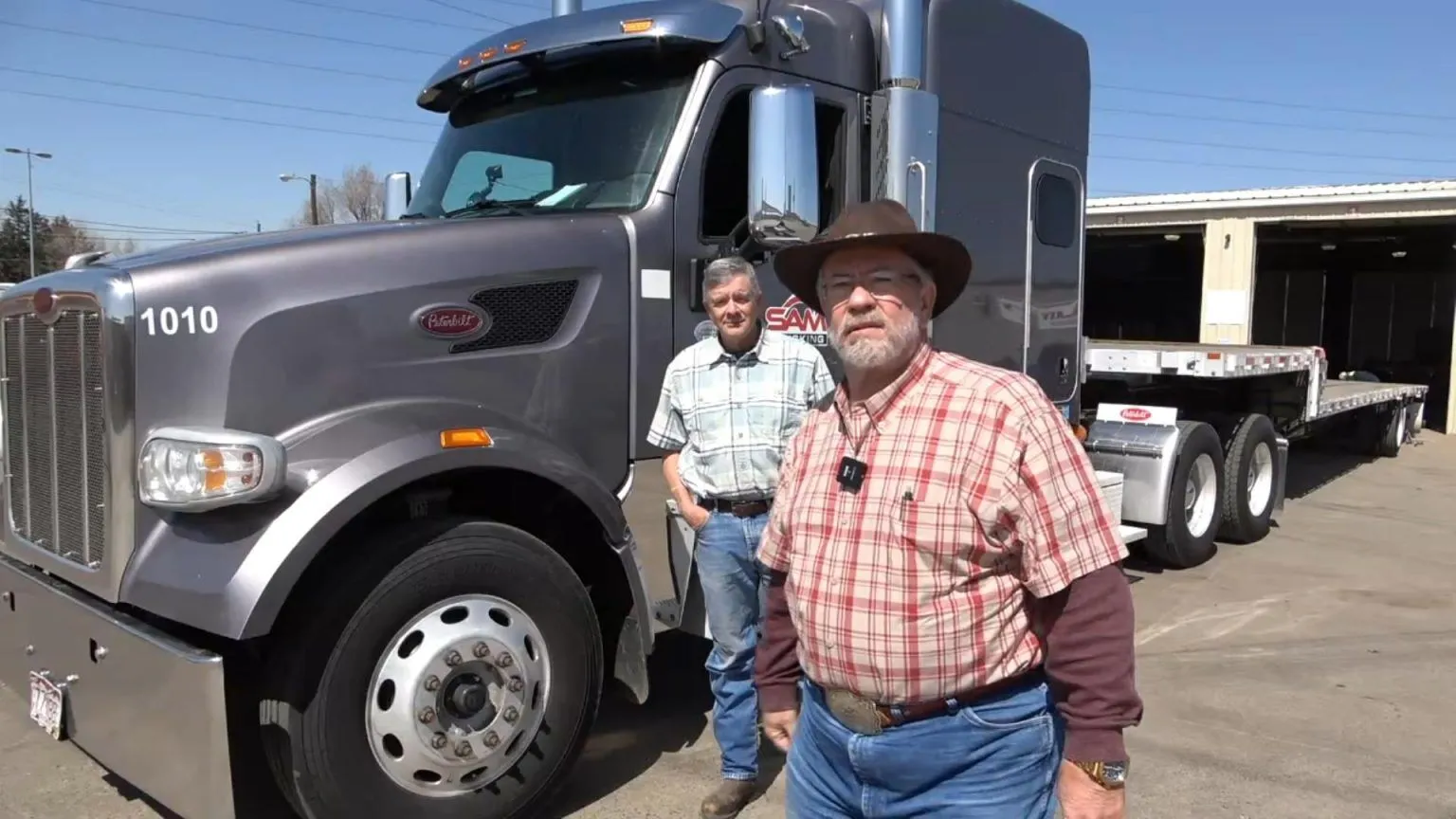
This system is purpose-built for full-time RVers and commercial haulers running high-pressure tires on long routes where failure consequences are severe. If you pull a small utility trailer occasionally, a simpler external solution likely serves you well enough. But for anyone treating their trailer as a serious working asset, the Tuson’s internal architecture represents a different category of protection entirely — and that distinction becomes even clearer when you examine the system’s limitations alongside its strengths.
Limitations and Considerations
Internal TPMS sensors deliver superior accuracy, but that performance comes with real-world trade-offs you should weigh before committing to a purchase.
Professional installation requirement. Unlike external cap sensors you can swap on yourself in a driveway, internal sensors must be mounted by a tire shop during a full dismount and remount. That means a service appointment — and a labor cost — every time you add or change tires. For most owners, this is a one-time inconvenience that pays off in long-term signal reliability. But if you frequently rotate between seasonal trailer setups, the cumulative shop visits become a genuine consideration.
#image_Semi-trucks too
Battery lifespan and replacement realities. Tuson sensors are rated for approximately five years of service life. Because the batteries are sealed inside the sensor housing, replacement means replacing the entire sensor unit — not just swapping a coin cell. After year five, you are looking at the cost of new sensors plus another professional installation appointment. In practice, five years covers a substantial amount of towing mileage, but budgeting for eventual sensor replacement is part of the honest ownership picture that most Tuson trailer TPMS reviews gloss over.
How internal systems compare at a glance:
| Feature | Tuson Internal | General External Systems |
|---|---|---|
| Price (sensor set) | Higher upfront | Lower upfront |
| Accuracy | High (sealed environment) | Moderate (exposure risk) |
| Installation | Professional required | DIY-friendly |
| PSI Range | Up to 230 PSI | Typically 100–150 PSI |
The PSI ceiling difference alone makes internal sensors the only defensible choice for heavy-duty trailer tires. Those practical trade-offs raise questions that come up repeatedly among buyers — and the next section addresses the most common ones directly.
Common Questions About Trailer TPMS
When evaluating a Tuson trailer TPMS review, three questions surface consistently — and the answers reveal why not all monitoring systems deliver equal value on the road.
Best TPMS for durability and PSI range. For trailers that carry heavy loads, the defining criteria are pressure ceiling and sensor housing. A system supporting up to 203 PSI handles commercial-grade tires that budget alternatives simply cannot monitor accurately. Internal mounting protects sensors from road debris and UV degradation, which translates directly to longer service life.
On cheap sensors and signal reliability. Budget TPMS units frequently suffer from sensor lag and inconsistent signal transmission — particularly problematic when a blowout develops rapidly. What you save upfront often costs more in replacement sensors and, critically, in delayed warnings that reduce your reaction window.
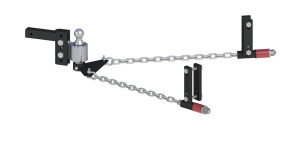
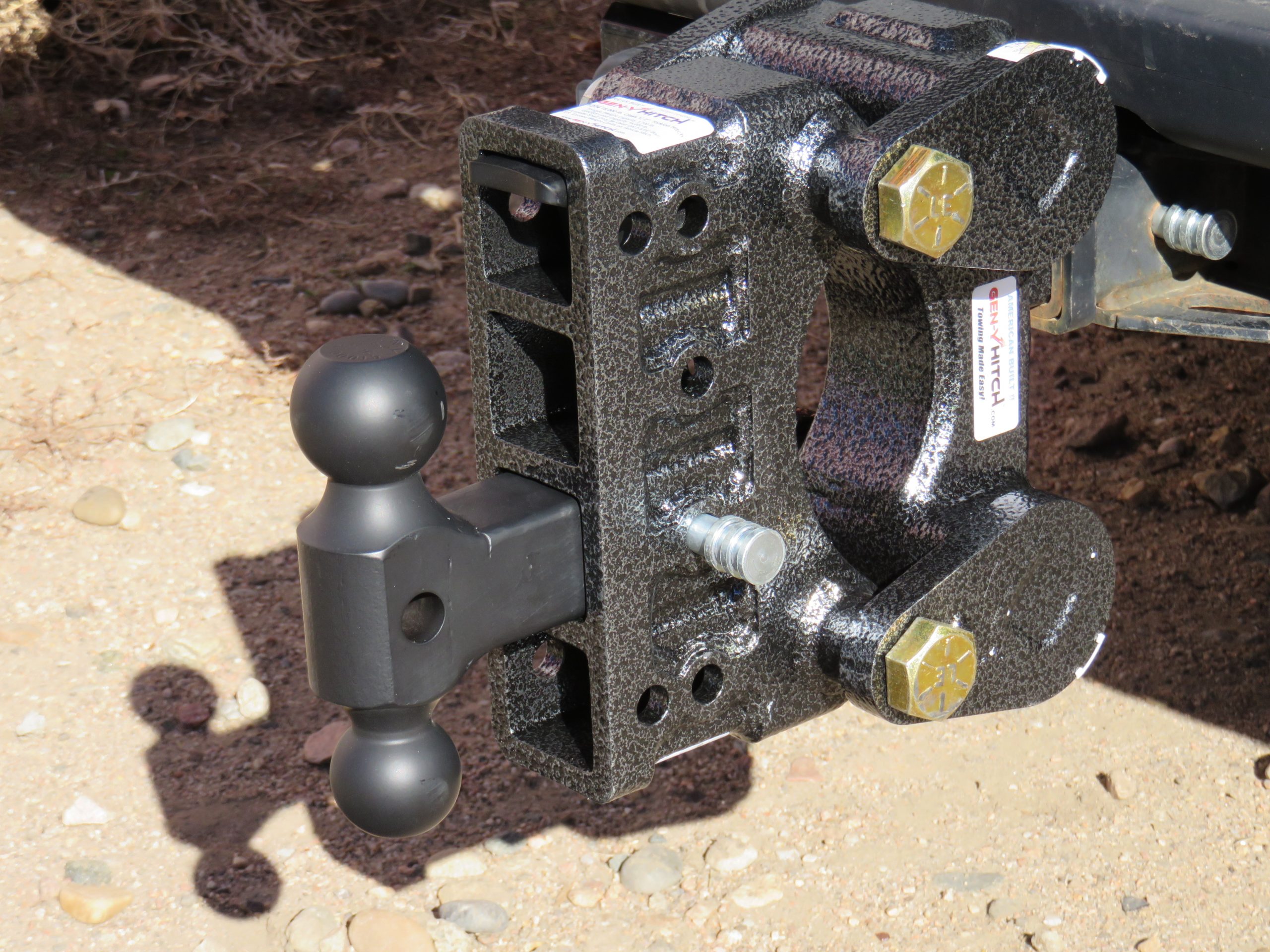
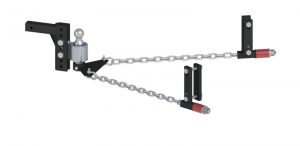
TPMS versus a weight distribution hitch. These two systems address entirely separate problems. A weight distribution hitch (WDH) redistributes tongue weight to keep your tow vehicle level. TPMS monitors tire pressure in real time. And while both improve towing safety, neither replaces the other — you may well need both depending on your rig. With those distinctions clear, the core strengths of the Tuson system come into sharper focus, which the final takeaways address directly.
Key Takeaways: The Bottom Line on Tuson TPMS
Internal sensors represent the highest standard available for trailer tire monitoring — and the Tuson system is built specifically to meet the demands of demanding heavy-duty towing.
After weighing the evidence across sensor placement, signal range, pressure thresholds, and long-term reliability, the conclusion is clear. Internal sensors deliver data accuracy that external alternatives simply cannot match, and that accuracy matters when you are making split-second safety decisions at highway speed. For trailers exceeding 25 feet, a signal repeater is not optional — it is a fundamental requirement for consistent, uninterrupted monitoring. And with PSI support reaching up to 203, the Tuson system handles the pressure demands of heavy-duty towables that other systems cannot accommodate. The 5-year battery life, combined with the protection of internal mounting, means you are investing in a monitoring solution that performs reliably for years without recurring maintenance costs. If you tow with confidence, it is time to make the upgrade