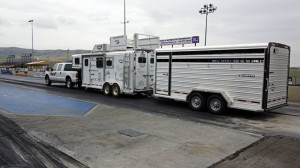



A horse that loads willingly is not just convenient – it is safer for the horse, the handler, the trailer, and everyone standing nearby. If you searched for how to load horse trailer safely, start with this principle: loading is not the time to rush, argue, or try to overpower a frightened animal. A safe trip begins before the horse ever steps onto the ramp.
The best handlers make loading boring. The trailer is ready, the truck is positioned correctly, the horse has been prepared, and one calm person gives clear direction. That routine matters whether you haul once a year to a show or move horses every week for work.
Start With the Truck and Trailer, Not the Horse
Before bringing a horse out, park on level, firm ground whenever possible. A trailer leaning sideways, sinking into soft soil, or sitting on loose gravel can make even a normally dependable horse hesitate. Avoid loading beside traffic, around loose dogs, or in a tight space where a horse cannot be led straight to the entrance.
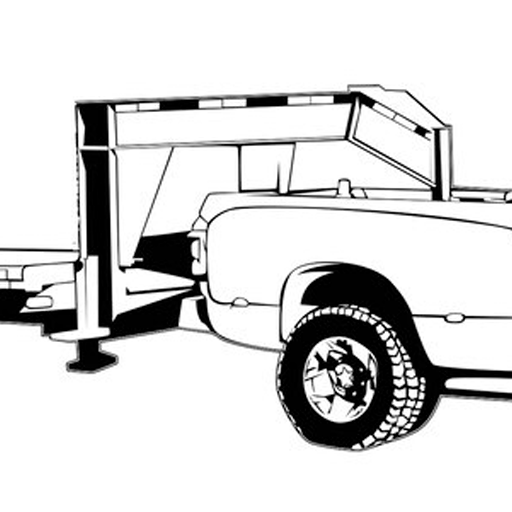
Set the tow vehicle in Park, apply the parking brake, and make sure the trailer remains connected to the truck. Do not load horses into an unhitched trailer unless it is specifically stabilized and secured for that purpose. A horse shifting its weight inside can lift a trailer tongue or make a poorly supported trailer unstable in a hurry.
Walk around the trailer and check the basics before every load:
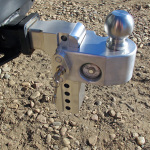
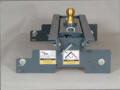
- Verify the coupler or fifth-wheel/gooseneck connection is fully latched and locked.
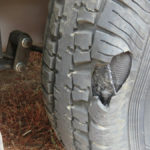
- Check safety chains, breakaway cable, lights, tires, wheel lug nuts, and trailer doors.
- Make sure ramps, butt bars, dividers, and latches operate freely and lock securely.
- Remove loose buckets, pitchforks, tack, and anything else that could shift or strike a horse.
- Check that bedding is dry enough to provide traction without creating a deep, unstable surface.
This is also the time to look inside. Sharp edges, damaged padding, protruding hardware, broken floorboards, weak mats, and a strong ammonia smell are not small issues. A horse trailer needs sound flooring, dependable latches, good ventilation, and enough light for a horse to see where it is stepping.
Prepare the Horse for the Ride
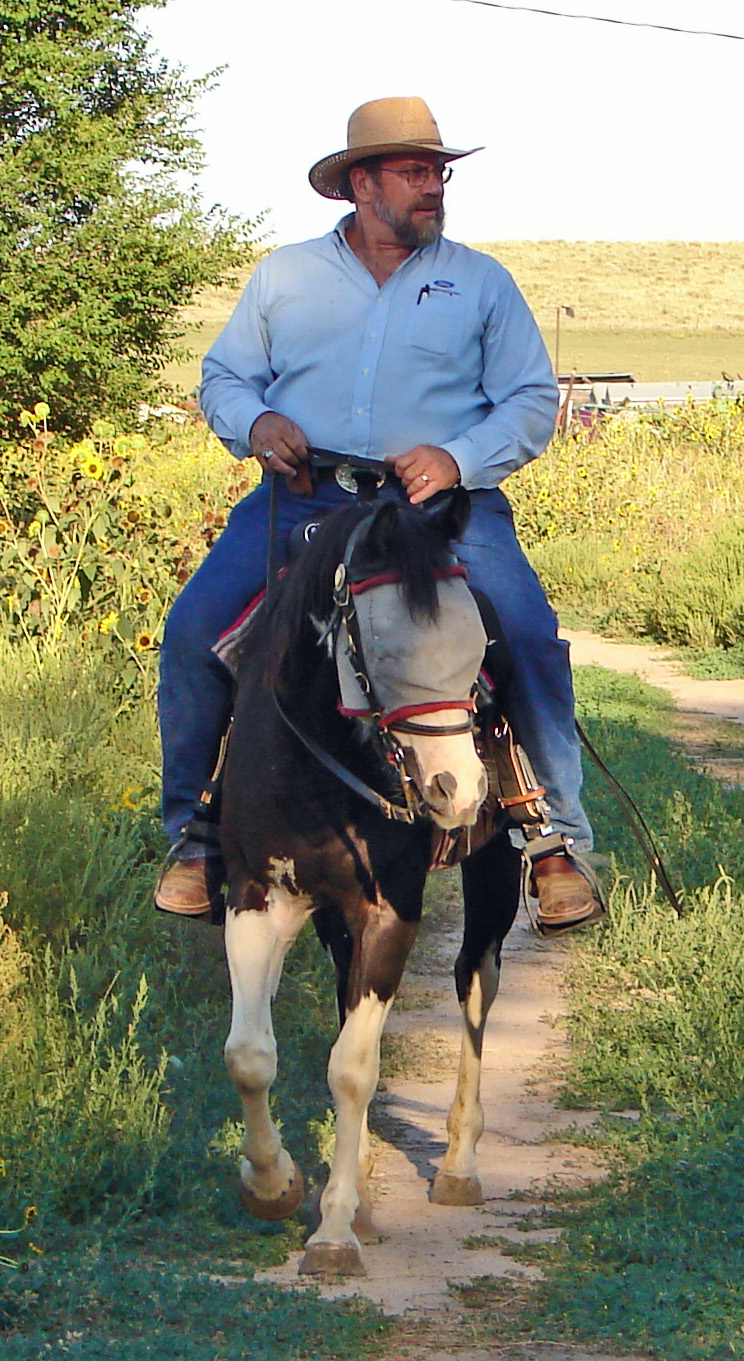
A horse should be wearing a well-fitted halter and led with a lead rope that is in good condition. Skip the frayed rope, weak snap, or halter that can pull over an ear. Gloves are a smart choice, particularly with a green, anxious, or strong horse, but never wrap a lead rope around your hand, wrist, or arm.
Before loading, take a moment to assess the horse. Is it sweaty before work begins, unusually lame, sore, or acting panicked? Is it wearing shipping boots, bell boots, or a blanket that may interfere with footing? Protective gear can be useful, but only if the horse is accustomed to it and can move naturally in it. A horse tripping over unfamiliar wraps is not protected.
For a horse that is difficult to load, solve the training problem separately from travel day whenever possible. Practice with a qualified trainer in a controlled setting. Trying to force a horse into a trailer when you are late for a veterinary appointment or show creates bad habits and raises the odds of somebody getting hurt.
How to Load a Horse Trailer Safely, Step by Step
Use one capable handler per horse unless additional trained help is genuinely needed. Too many people crowding the doorway, yelling instructions, or pulling from different directions can turn a manageable situation into a wreck.
Lead the horse toward the trailer in a straight, purposeful line. Keep yourself to the side of the horse’s shoulder, not directly in front of it and not trapped between the horse and the trailer wall. Give the horse enough lead rope to use its head and neck for balance, but maintain control. Do not stand on the ramp in a position where the horse can jump forward and pin you.
Let the horse look and step forward. Some hesitation is normal, especially with a new trailer, noisy ramp, or unfamiliar setting. Quiet encouragement and patient repetition work better than pulling hard on the lead rope. Pulling from the front while someone pushes from behind is a poor loading method. It can make the horse feel trapped, cause it to rear, or put the person behind it in kicking range.
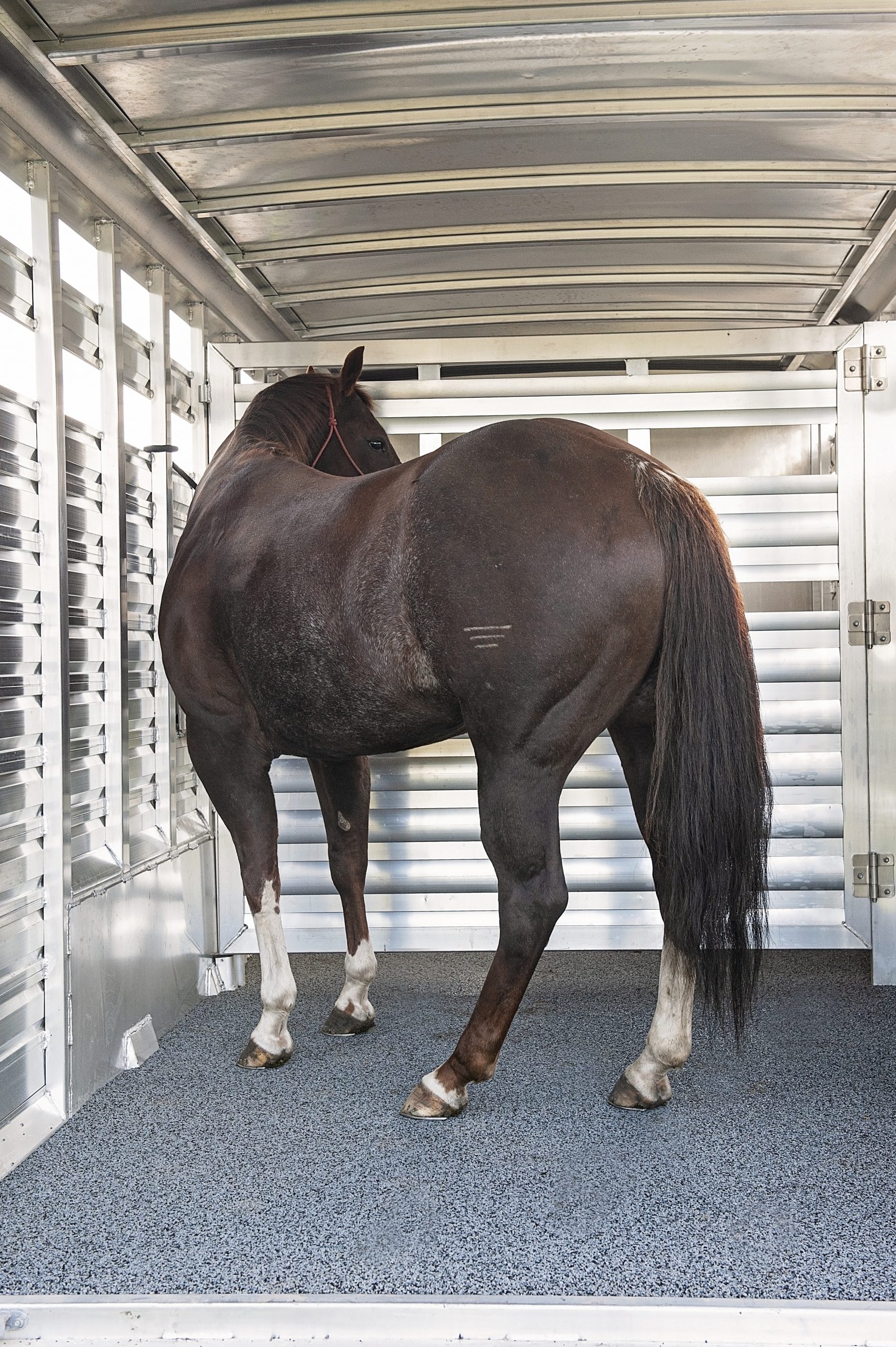
Once the horse is fully inside, keep control of the lead rope while the rear area is secured. In most bumper-pull and gooseneck horse trailers, close and latch the butt bar or rear divider before tying the horse. That order prevents a horse from backing out if it gets loose while you are handling the tie. Follow the trailer manufacturer’s design and instructions, especially with stock-style trailers, slant loads, or trailers equipped with unusual divider systems.
Only after the rear restraint is secure should you tie the horse. Use a proper trailer tie or a quick-release safety device at an appropriate height. The tie should allow the horse to balance and lower its head somewhat, but not give it enough length to turn around, step over the rope, or get tangled. Do not tie the horse so short that it cannot use its neck to steady itself during braking and turns.
Then close and latch the ramp or rear door. Check every latch by hand. A door that appears closed but is not fully engaged can open on the road, and that is not a mistake any horse owner wants to learn from firsthand.
Manage Space, Pairings, and Trailer Balance
Where a horse rides affects both behavior and towing stability. Load according to the trailer layout, the horses’ sizes, and their temperaments. Horses that kick, bite, or crowd each other should not be forced into close quarters just because there is technically room.
With multiple horses, use dividers as intended and provide enough separation to reduce contact. A dominant horse next to a nervous horse can make a short haul miserable. If your trailer allows different loading positions, follow the manufacturer’s loading guidance so weight remains properly distributed. Do not load every heavy item in the front tack room or pile feed, water, and equipment along one side of the trailer.
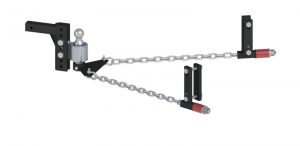
The truck matters here too. Confirm that the loaded trailer weight, tongue weight or pin weight, payload, tire ratings, hitch rating, and axle ratings all stay within the limits of the truck and trailer. A perfectly loaded horse is still at risk if the tow vehicle is overloaded, the trailer tires are aged out, or the hitch setup allows excessive sway.
Ventilation Is Necessary, but So Is Weather Protection
Open vents and windows enough to maintain airflow, but use screens or window bars correctly so a horse cannot put its head or legs outside the trailer. Horses generate a lot of heat, and poor ventilation can become dangerous quickly in warm weather. At the same time, wide-open windows in cold rain or highway dust may make the ride harder on them.
There is no single setting that fits every trip. Adjust for temperature, humidity, rain, dust, number of horses, and trip length. Check horses during fuel stops and rest breaks, particularly on long hauls. Look for sweating, labored breathing, signs of dehydration, loose ties, or shifted equipment.
Drive Like You Have Live Cargo Behind You
A horse trailer is not a utility trailer full of lumber. Every hard brake, sharp turn, pothole, and sudden lane change asks horses to regain their balance on moving ground. Accelerate smoothly, leave more following distance than usual, brake early, and take corners slower than you think you need to.
Pay attention to the trailer in your mirrors. New sway, bouncing, wandering, or a change in ride height deserves investigation at the next safe stop. Do not assume a horse is simply moving around. A tire problem, broken suspension component, loose hitch connection, or improperly distributed load can feel similar from the driver’s seat.
Before opening the trailer at your destination, pause and listen. A horse may have shifted position or become restless during the trip. Keep the rear gate closed until you have untied the horse and are ready to manage its exit according to your trailer’s safe unloading procedure.
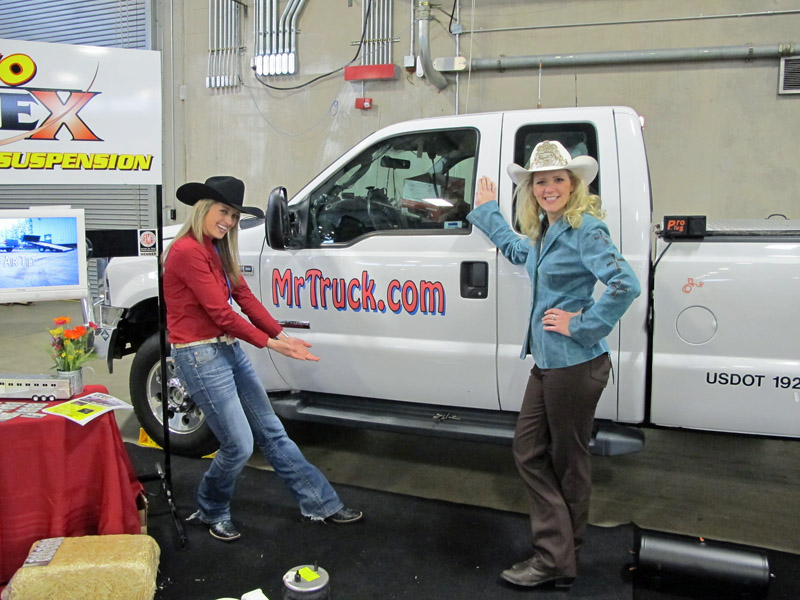
For dependable towing, trailer safety, and horse-hauling equipment selected by people who take the job seriously, visit the MrTruck store.
The calmest horse-loading routine is built long before departure day, one careful check and one quiet practice session at a time.