


A trailer that rides nose-high or nose-low is telling you something before you ever leave the driveway. It may tow poorly, load one axle harder than the other, reduce clearance, or make a good truck-and-trailer combination feel unsettled. Knowing how to match trailer hitch drop is not about making the hitch look right. It is about getting the trailer level under real towing weight.
The good news is that this is a straightforward measurement job. The bad news is that many owners measure an empty truck, an unloaded trailer, and then buy a ball mount based on a number that changes as soon as people, fuel, gear, and tongue weight are added. Measure it the way you tow it, and you will get much closer the first time.
What Hitch Drop Actually Means
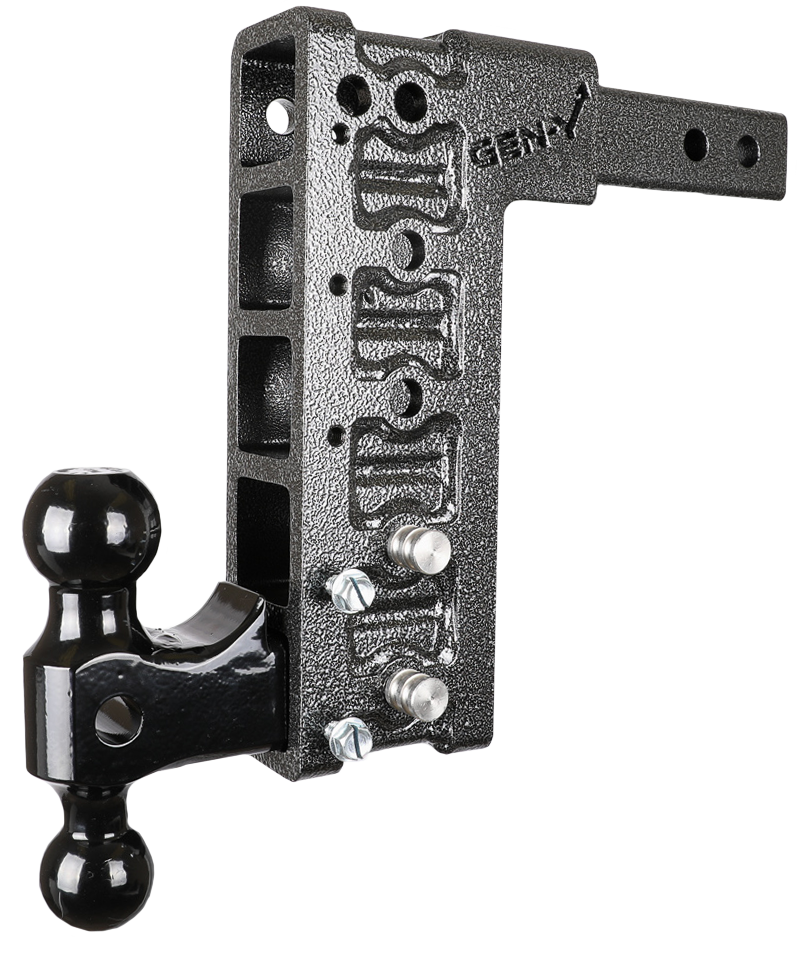 Hitch drop is the vertical difference between the truck’s receiver opening and the height of the hitch ball. A drop ball mount places the ball below the receiver. A rise ball mount places it above the receiver. Manufacturers commonly rate a ball mount’s drop by measuring from the top inside edge of the receiver opening to the top of the hitch ball.
That measurement is useful, but it is only a starting point. Your real goal is a trailer frame that sits level, or very close to level, when the trailer is coupled and ready for the road.
A level trailer generally distributes weight more evenly between its axles. It also keeps the suspension, tires, brakes, and sway-control equipment working closer to their intended range. A small amount of variation is usually no crisis, especially on utility trailers, but a clearly tilted trailer deserves correction.
How to Match Trailer Hitch Drop With Real Measurements
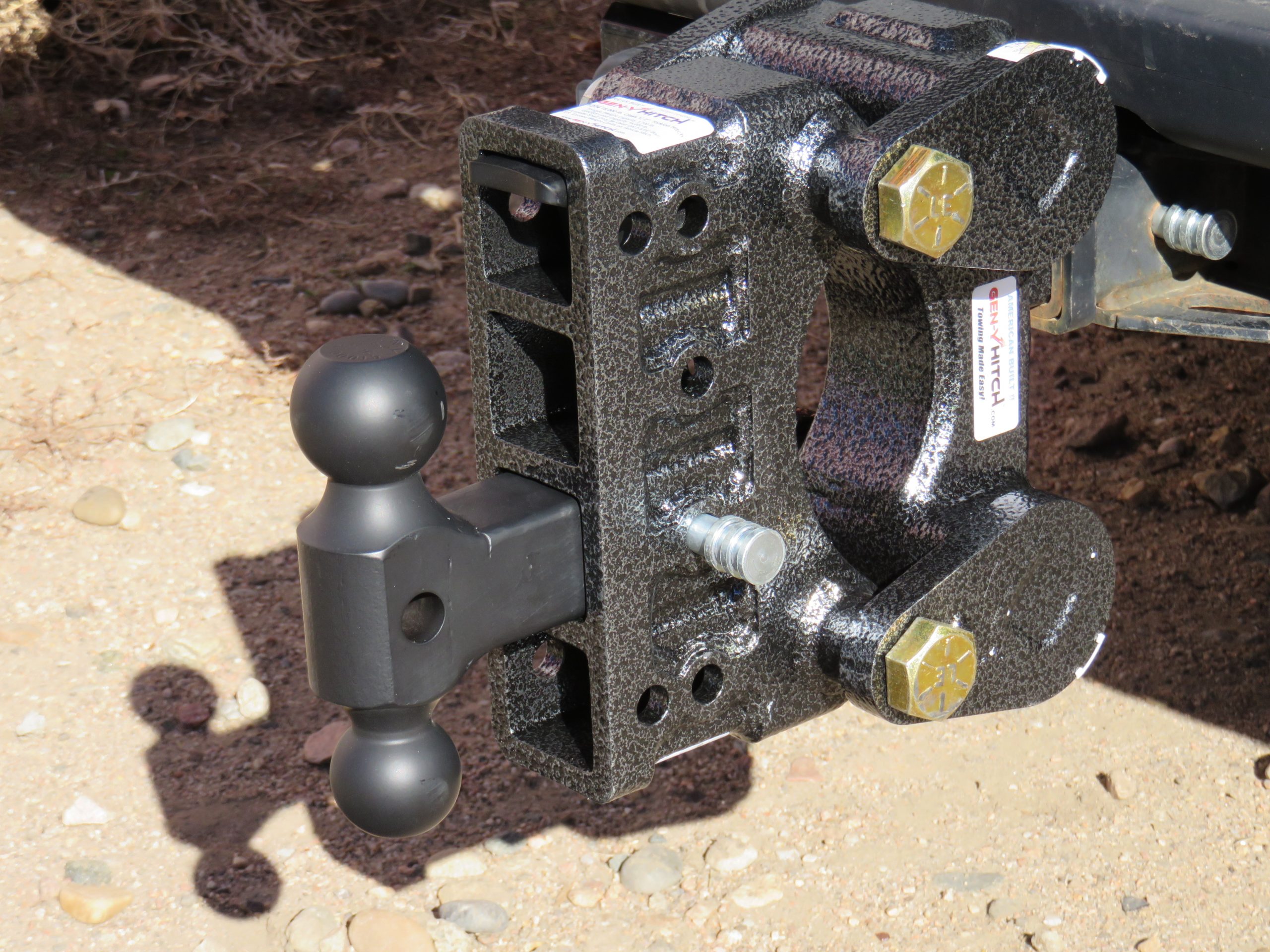
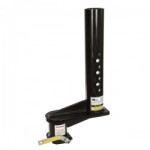
Gen-Y Hitch Heavy Duty Adjustable Receiver Hitch: Full Product Review and Exclusive Sales
Start on level, firm ground. A sloped driveway can fool you by an inch or more, which is enough to select the wrong ball mount.
Measure the trailer at level ride height
First, level the uncoupled trailer using its jack. Place a level on the trailer frame, not on a rounded fender or a body panel that may not reflect the frame angle. Once the frame is level, measure from the ground to the bottom of the coupler. Write that number down.
For a conventional bumper-pull trailer, this establishes the approximate ball-height target. Because coupler and ball designs vary, the final coupled setup may differ slightly from this initial measurement. That is normal. The important check comes after the trailer is hitched.
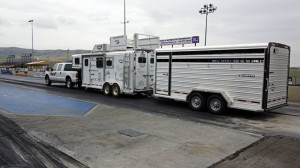
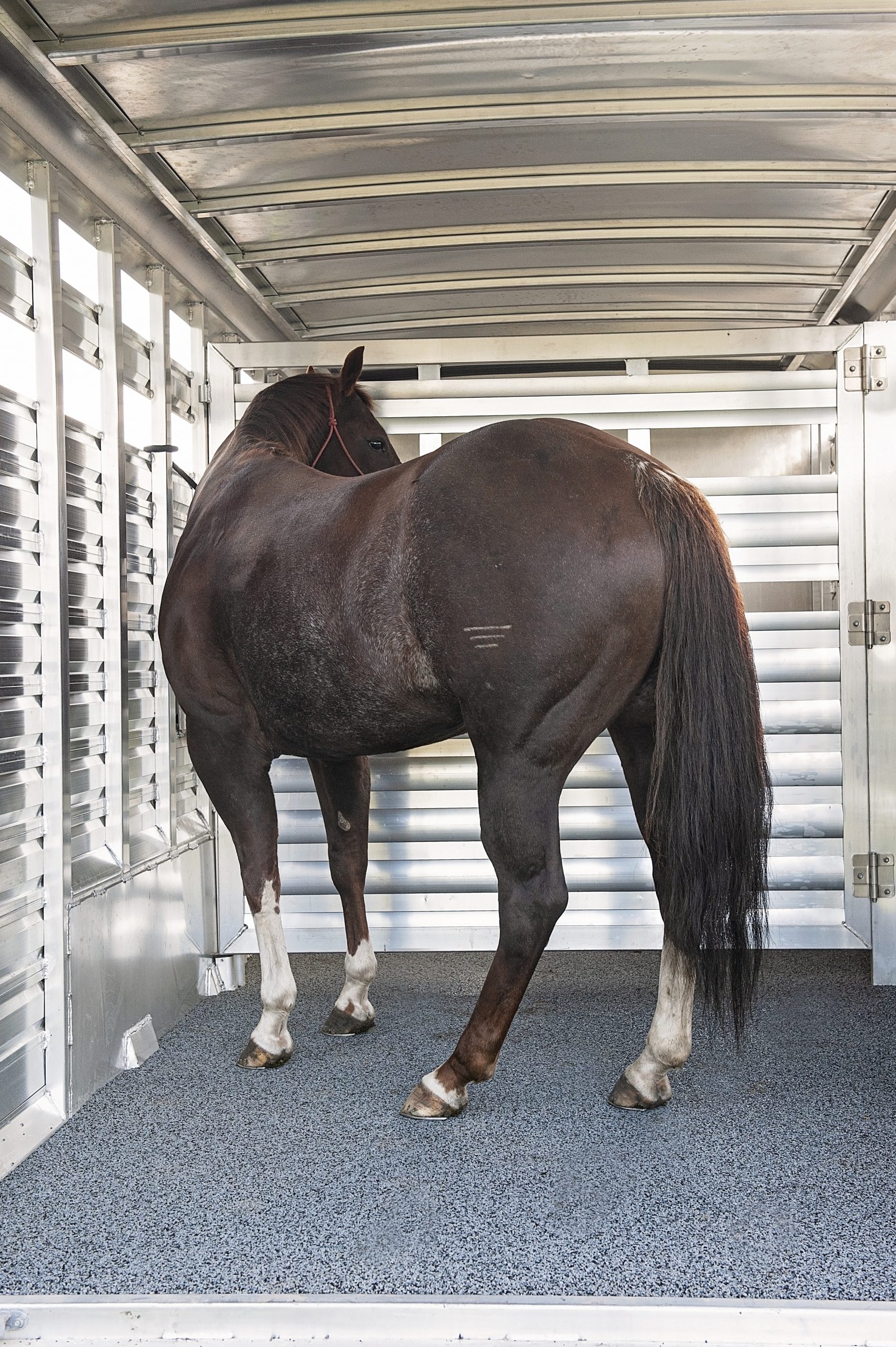
If you pull a horse trailer, RV, enclosed trailer, or equipment trailer, do not assume the factory-empty position is the correct level point. Gear, water, tack, tools, livestock, or a machine can substantially change the way the trailer sits. Load it as you normally travel when practical.
Measure the truck under towing conditions
Load the truck with the items that normally come along: passengers, toolbox, cargo, fuel, and any bed-mounted equipment. Then measure from the ground to the top inside edge of the receiver opening.
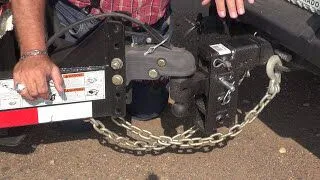
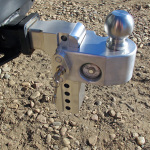
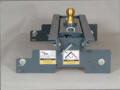
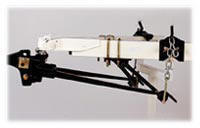
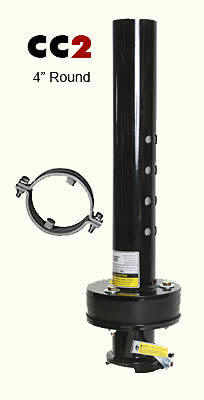
#image_Geny Adjustable Hitch
This is where many hitch-drop calculations go wrong. An unloaded pickup may sit noticeably taller at the rear than it does with 800 to 1,500 pounds of tongue weight on the hitch. A heavy-duty truck can also settle enough to change your ball-mount choice, especially with a large travel trailer or loaded stock trailer.
Subtract the trailer’s level coupler measurement from the truck receiver measurement. If the receiver is 24 inches high and the trailer’s coupler is 19 inches high, you are in the neighborhood of a 5-inch drop. If the trailer coupler is higher than the receiver, you need rise instead of drop.
Use that number to select a ball mount, then perform the final test with the trailer coupled. Do not treat the math as the final answer.
Couple the trailer and inspect the frame
With the trailer fully connected, measure the trailer frame near the front and near the rear. The two measurements should be close. On a tandem-axle trailer, a frame that is roughly level gives both axles their best chance to share the load.
A trailer that is slightly nose-down is often preferable to nose-high, but there are limits. Too much nose-down angle can overload the front axle, reduce rear clearance, and cause the rear axle to carry less of its intended share. Nose-high is usually worse for handling because it can unload the front trailer axle and shift weight rearward.
As a practical field rule, aim for level first. If the trailer is not perfectly level, keep the difference modest and avoid a nose-high attitude.
Do Not Forget Tongue Weight and Truck Squat
The correct hitch drop is tied directly to tongue weight. A conventional trailer should typically place about 10% to 15% of its loaded weight on the hitch. A 7,000-pound loaded travel trailer, for example, commonly needs 700 to 1,050 pounds of tongue weight.
If the trailer is level but the back of the truck squats excessively, a different ball mount may not be the real cure. The truck may need a properly set weight distribution hitch, or it may be carrying more tongue weight than its payload, receiver, hitch, or rear axle rating allows.
Never use a taller ball mount simply to hide truck squat. That may make the trailer appear level while leaving too little weight on the front axle and too much on the truck’s rear axle. Measure before and after hitching. The truck should not lose an excessive amount of front-end height, because front axle unloading can hurt steering response and braking stability.
Weight Distribution Hitches Change the Setup
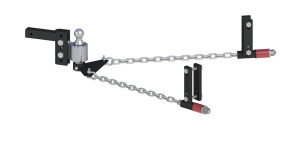
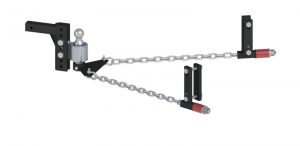
A weight distribution hitch is not adjusted exactly like a basic ball mount. The hitch head, shank, spring bars, and chain or bracket settings all work together to return some load to the truck’s front axle and the trailer axles. https://mrtruck.com/wdh.htm
Set the initial ball height to match the level trailer target, then follow the hitch manufacturer’s adjustment procedure. After tensioning the spring bars, recheck both truck and trailer measurements. The trailer may rise or settle slightly as weight is redistributed.
Do not use air bags as the first adjustment for a weight distribution hitch. Air bags can be helpful for supporting a loaded truck and improving ride quality, but adding pressure before the weight distribution hitch is correctly adjusted can mask the problem. Get the hitch geometry and spring-bar tension right first, then fine-tune suspension support if needed.
Choosing the Right Ball Mount
Once you know the drop or rise you need, choose the ball mount by more than its height. The mount, hitch ball, receiver, and tow vehicle must all have ratings that meet or exceed the loaded trailer weight and tongue weight. The lowest-rated component controls the system.
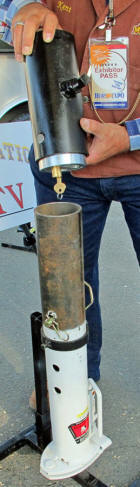
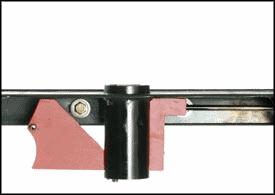
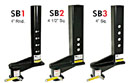
An adjustable ball mount makes sense if you tow more than one trailer, change tire sizes, use different trucks, or expect your ride height to change. It costs more and can weigh more, but it saves the hassle of owning several fixed ball mounts. For one trailer pulled by one truck, a quality fixed ball mount is often simpler, quieter, and less expensive.
Pay attention to clearance as well. A deep-drop ball mount can sit low enough to drag on driveways, uneven fuel-station entrances, or off-pavement roads. That does not mean you should run the trailer nose-high to gain clearance. It means the trailer, truck, receiver height, and hitch style need to be considered as a complete setup.
Common Mistakes That Create a Bad Tow
The most common mistake is measuring an empty truck and calling it done. The next is using a flipped ball mount without confirming its ratings in the rise position. Some ball mounts are rated differently when inverted, and not every mount is intended to be used both ways.
Another mistake is selecting a hitch by trailer gross vehicle weight rating alone. Tongue weight matters just as much. A ball mount may have plenty of gross trailer capacity but not enough tongue-weight capacity for a heavily loaded trailer.
Also check that the ball diameter matches the coupler, the shank fits the ball mount correctly, and the ball is torqued to specification. A perfectly matched drop will not help if the ball, coupler, safety chains, breakaway cable, or electrical connection are wrong.
Final Check Before You Pull Out
After selecting the ball mount, load the trailer as you will use it and recheck on level ground. Confirm that the trailer frame is close to level, the truck is not overloaded or excessively squatted, the coupler is fully latched, and the safety chains have enough length for turns without dragging.
Then take a short local test drive. Pay attention to steering feel, braking, bumps, and whether the trailer tracks calmly behind the truck. If it feels wrong, stop and measure again. Towing problems are cheaper to correct in the driveway than on the highway with a family, horses, or expensive equipment behind you.
A properly matched hitch drop is a small detail that pays off every mile. Get the loaded measurements right, respect every weight rating, and let the trailer’s level stance be your final proof.
Need a proven ball mount, weight distribution hitch, suspension support product, or towing accessory? Visit our store.
Comments