


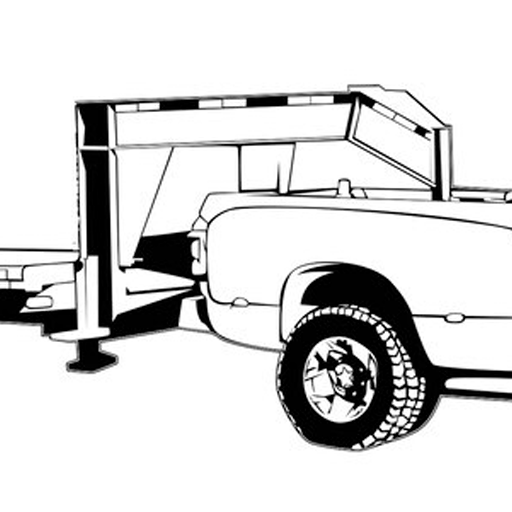
A breakaway system is one of those trailer components you hope never gets called into action. But when a coupler fails, a safety chain breaks, or a trailer separates in an accident, it can be the difference between a stopped trailer and a runaway load. When you install trailer breakaway switch hardware correctly, the switch pulls power from the trailer battery and applies the electric brakes immediately.
This is not a place to cut corners with light-gauge wire, weak mounting, or a dead battery. Whether you pull a utility trailer, equipment trailer, RV, boat, or horse trailer, the system needs to work every time the pin is pulled.
What the Breakaway Switch Actually Does
A trailer breakaway switch has a small cable and pull pin at the front of the trailer. The cable clips to the tow vehicle separately from the safety chains. If the trailer comes loose, the cable pulls the pin from the switch. That closes the circuit between the trailer’s breakaway battery and the electric brake wiring.
The brakes stay energized until the pin is reinstalled or the battery runs down. That is why you should never use the breakaway cable as a parking brake or pull it just to see whether the brakes are working. A short test is fine, but leaving the system engaged can overheat brake magnets and drain the battery.
Most states require a functioning breakaway system on trailers with electric brakes above a specified weight. The exact rule varies by state and trailer type, but the practical rule is simpler: if your trailer has electric brakes, it should have a properly working breakaway system.
Parts and Tools You Need
A standard installation is straightforward when the trailer already has electric brakes and a breakaway battery. You will need a breakaway switch with cable and pin, mounting hardware, appropriately sized primary wire, crimp connectors or heat-shrink butt connectors, wire loom, zip ties, and a test light or multimeter.
If the trailer does not have a battery box or battery, add a sealed breakaway battery kit. A dedicated breakaway battery is the best arrangement because it is protected from weather and charged by the tow vehicle’s auxiliary power circuit. On larger trailers, a small sealed lead-acid battery or a properly rated maintenance-free breakaway battery kit is common.
Use quality connectors. Trailer wiring lives under vibration, moisture, road salt, manure, gravel, and constant movement. Cheap open-barrel connectors may work in a dry shop, then corrode into a no-brake situation six months later. Heat-shrink connectors and protected wire routing are worth the extra few minutes.
Where to Mount the Trailer Breakaway Switch
Mount the switch on the trailer tongue or A-frame where the cable can pull straight toward the tow vehicle. The switch body should be solidly attached to steel with bolts, screws, or a welded bracket. It should not hang by its wiring, sit loose in a battery box, or be mounted where a jack handle, coupler latch, or propane tank can snag the cable.
The cable needs a clean path with no sharp bends. It should reach the tow vehicle connection point during normal turns without becoming tight. At the same time, it cannot be so long that it drags, catches on the ground, or gets wrapped around the hitch hardware.
A good practice is to clip the breakaway cable to a dedicated point on the tow vehicle hitch or receiver structure. Do not clip it to the safety chains. If the chains fail or come unhooked along with the coupler, the breakaway cable may not pull the pin when it is needed.
Choose Cable Length Carefully
Connect the trailer, hook up the safety chains, and turn the truck sharply in both directions. Watch the cable as the trailer pivots. It should have enough slack for the tightest normal turn, but it should pull the pin before the safety chains reach their absolute limit if the trailer separates.
There is no one cable length that fits every setup. A short utility trailer behind a bumper-pull pickup needs a different arrangement than a long horse trailer behind a truck with a weight distribution hitch. Set it up for your actual hitch geometry, not what happened to be in the package.
How to Install a Trailer Breakaway Switch
Start by disconnecting the trailer from the tow vehicle and chocking the trailer wheels. Disconnect the negative battery terminal before making wiring changes. This prevents an accidental short while you are working at the tongue.
Most basic breakaway switches have two wires. One wire goes to the positive terminal of the breakaway battery. The other connects to the trailer’s electric brake circuit, usually the same circuit fed by the blue brake-controller wire from the trailer plug.
The switch must be wired so that pulling the pin sends battery power directly to the brake circuit. It should not depend on the truck being connected, the ignition being on, or the brake controller functioning. The entire point is that the trailer can apply its own brakes after separation.
Run the switch wires inside loom or along the existing tongue harness. Keep them away from sharp metal edges, moving coupler parts, and areas that can be crushed by the jack or pinched by the truck during a tight turn. Secure the wire every few inches with clips or zip ties, but do not cinch ties so tightly that they damage the insulation.
Connect one switch wire to the battery positive lead using a sealed connector. Connect the other switch wire to the trailer brake feed. On many trailers, this means splicing into the blue wire that runs rearward to the brake assemblies. If the existing wiring colors are questionable, verify the circuit with a multimeter instead of trusting faded insulation.
The breakaway battery also needs a charging path. Many trailer connectors use the auxiliary 12-volt circuit from the tow vehicle to maintain the battery while towing. That charging line must be properly fused and connected at the truck, and it must be live when expected. Some newer trucks limit or switch auxiliary power, so check your specific truck rather than assuming the trailer battery is charging.
Test the System Before You Tow
Reconnect the battery, then reinstall the breakaway pin. With the trailer hitched or parked securely on level ground, pull the pin out by hand. You should hear a faint hum at the wheels or feel the brakes engage if you try to move the trailer slowly.
The more reliable test is to jack up one trailer wheel safely, spin it by hand, then pull the pin. The wheel should become difficult or impossible to turn as the brake engages. Repeat on the other side if you suspect wiring or brake issues. Keep the test brief, then reinstall the pin promptly.
Do not test by towing the trailer and yanking the cable loose from the truck. That risks damaging the cable, overheating the brakes, and creating a dangerous situation in the driveway or on the road.
A multimeter can also tell you plenty. With the pin installed, the brake circuit should not be energized by the breakaway battery. With the pin removed, battery voltage should appear at the brake circuit. If voltage is present but the brakes do not apply, the problem is likely farther back in the wiring, brake magnets, grounds, or adjustment.
Common Breakaway Switch Installation Mistakes
The most common failure is a dead or neglected battery. A breakaway battery can look fine from the outside while having no usable reserve. Test it regularly and replace it when it will no longer hold a charge. A trailer that sits through winter is especially likely to have a weak battery by spring.
Another mistake is relying on the trailer frame for every ground connection. A clean, dedicated ground wire back to the battery negative terminal is more dependable than trusting painted, rusty, or bolted frame joints. Poor grounds cause plenty of mysterious brake problems.
Owners also sometimes route the cable through the safety-chain loops or attach it to the hitch ball. Neither is ideal. The cable needs an independent attachment point that stays with the tow vehicle if the coupler and chains fail. Finally, inspect the plastic switch body and cable for UV damage, cracking, corrosion, or a missing pin. These are inexpensive parts, so replacement is smarter than gambling on a questionable switch.
Before every trip, make the breakaway cable part of your hitch-up routine right alongside the coupler latch, safety chains, electrical plug, and trailer lights. A properly installed switch is simple equipment, but it is serious equipment. For dependable towing safety gear selected for real working trailers, visit the https://mrtruck.com/