

Proportional brake controllers deliver smoother, vehicle-speed-matched stopping power for Hauling, making them the stronger choice for frequent, heavy, or horse-trailer towing. Time-delay units cost less and suit occasional light loads. MrTruck.com, drawing on H. Kent Sundling’s over 26 years of trailer testing, guides Hauling truck and trailer owners toward the controller matching their actual towing demands, with additional insight available in Andersen No-Sway vs. Traditional Weight Distribution Hitches: Full Comparison & .
What’s the difference between proportional and time-delayed controllers?
A proportional brake controller activates trailer brakes at the same time. With the same intensity as the tow vehicle brakes. A time-delayed brake controller activates the brakes at a predetermined time and intensity once the brake pedal is pressed. This fundamental difference in activation logic determines how each type performs on the road, highlighting the core distinction in proportional vs time delayed brake controllers.
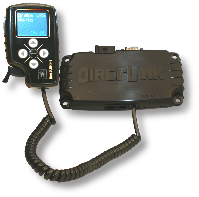
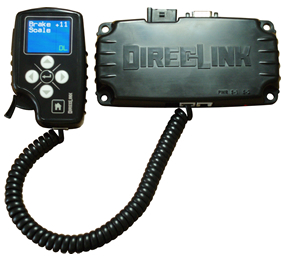
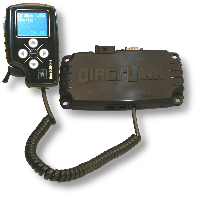
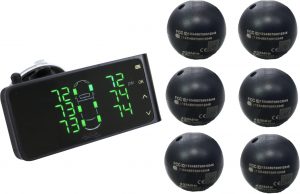
#image_DirecLink
Proportional controllers use an internal accelerometer to mirror the truck’s deceleration for smoother stops. The unit senses how hard the tow vehicle is slowing and applies matching force to the trailer brakes. This creates a seamless braking feel, especially during gradual stops or downhill descents.
Time-delayed controllers rely on a preset delay and power level. The driver adjusts these settings manually before driving. Once set, the controller sends the same burst of power every time the brake pedal is pressed, regardless of how hard or gently the truck stops.
How does each controller affect brake and tire wear?
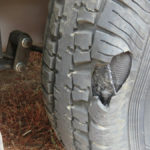
Time-delayed controllers can cause uneven wear of the brakes and tires. The fixed power delivery does not adapt to changing road conditions or load weight. Proportional controllers reduce this wear by matching braking force to actual stopping demand.
For Hauling drivers who tow regularly through changing terrain, the proportional controller delivers safer, more controlled stops. Our [Popup Gooseneck Extensions: Short-Bed Cab Clearance & Towing Guide](https://mrtruck.com/?p=12986) often lands on proportional as the superior choice for a [Gooseneck vs. 5th Wheel Hitches: Heavy Towing Differences, Capacities & Setup] (https://mrtruck.com/gooseneck-vs-5th-wheel-hitches-heavy-towing-differences-capacities-setup-guide.htm) setup.
Which type is best for hauling heavy loads?
DirecLink Trailer Brake Controller: Full Product Review and Exclusive Sales
A proportional brake controller is the best choice for hauling heavy loads. This type activates the trailer brakes at the same time and with the same intensity as the tow vehicle brakes. A time-delayed controller applies brakes at a preset rate after the pedal is pressed. That delay creates uneven wear and less control under heavy weight.
MrTruck.com, with over 50 years of towing experience, recommends proportional controllers for heavy-duty hauling. The internal accelerometer mirrors the truck’s deceleration for smoother stops. This matters most when a 7,000-pound trailer pushes against the truck on a steep grade. A trailer brake controller comparison shows proportional units deliver consistent braking force regardless of load weight. https://mrtrailer.com/direclink-brakes.htm
How does a proportional controller improve safety for heavy loads?
A proportional controller uses an accelerometer to sense the tow vehicle’s deceleration. It sends matching power to the trailer brakes instantly. This creates a single, unified braking system. The trailer stops with the truck, not after it.
What happens with a time-delayed controller under heavy weight?
A time-delayed controller applies brakes at a fixed intensity after a set delay. The trailer pushes forward during that gap. That surge strains the hitch and tires. Uneven brake wear follows over time. For heavy loads in Hauling, the best brake controller for towing is a proportional unit.
How do I choose the right brake controller for my setup?
Choosing the right brake controller for a Hauling setup comes down to three factors: the type of cargo, towing frequency, and preferred installation method. A trailer brake controller comparison between proportional and time-delayed models reveals clear differences in stopping performance. Proportional controllers activate trailer brakes at the same intensity as the tow vehicle brakes. Time-delayed models apply brakes at a preset rate after the pedal is pressed.
What cargo and frequency matter for the choice?
Heavy or frequent Hauling loads demand a proportional controller. These units match braking force to deceleration, preventing trailer push on steep grades. For occasional light loads, a time-delayed unit may suffice. MrTruck.com provides detailed reviews tested by H. Kent Sundling over 26 years of evaluations.
How does installation preference affect the decision?
Proportional controllers require mounting in a specific orientation to sense deceleration accurately. They tend to cost slightly more and are slightly larger, though recent models have improved in size and price. Time-delayed units offer more flexible mounting options. The best brake controller for towing in Hauling is a proportional model like the Tekonsha Prodigy P3, a popular and highly rated choice for consistent stopping control.
Conclusion
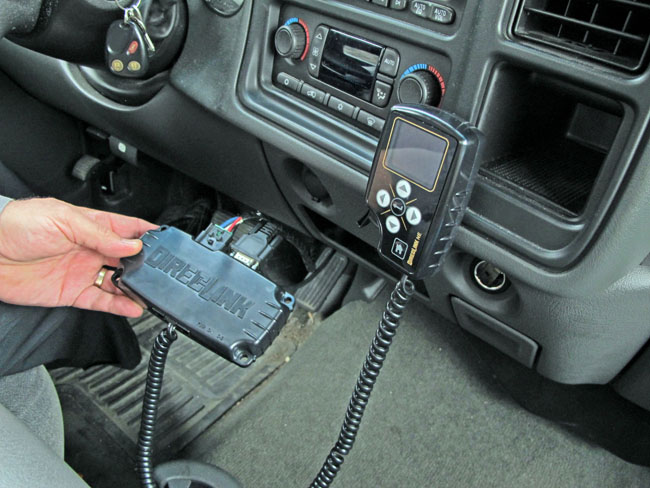
#image_DirecLink brake controller
In closing, the choice between proportional and time-delayed brake controllers ultimately depends on your specific hauling needs, vehicle setup, and towing conditions. Both systems deliver safety and control when properly installed and maintained. At MrTruck.com, we’ve tested these technologies extensively over decades of real-world trailering, and we’re committed to helping you make the informed decision that keeps your rig, and everyone on the road, safer. Visit our site to explore detailed reviews and find the brake controller solution that matches your hauling demands.
Comments