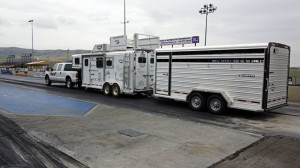



A short-bed pickup can make a fine tow vehicle, but it gives you less room for error than a long-bed truck. This short bed towing guide is for the owner who wants to pull a fifth-wheel or gooseneck without learning about cab-to-trailer contact the expensive way. Hitch placement, trailer shape, turning angle, and loading all matter. Get one of them wrong, and a tight fuel stop or campground turn can become a body-shop claim.
Short beds are popular because they are easier to park, easier to live with, and often easier to find on dealer lots. None of that changes the geometry between the truck cab and the front corners of a fifth-wheel or gooseneck trailer. The safe answer is not always to buy a slider hitch, and it is not always to buy a special pin box. Start with the truck, the trailer, and the actual turns you expect to make.
Why Short Beds Change Fifth-Wheel Towing
A typical short-bed pickup has a bed around 5 1/2 to 6 3/4 feet long. A long-bed truck generally has an 8-foot bed. That extra length places the hitch farther from the cab and gives the trailer more room to swing during a sharp turn.
With a short bed, the front corner of the trailer can approach the rear of the cab much sooner. The risk is highest when backing sharply, turning into a narrow driveway, maneuvering at a fuel island, or dealing with uneven ground that changes the trailer’s angle relative to the truck.
Do not assume that a rounded trailer nose solves the problem. Many newer fifth-wheels have shaped front caps designed to improve clearance, but the actual amount varies. Some combinations can reach 80 to 90 degrees without trouble. Others have limited clearance well before that point, especially with wide trailers, extended pin boxes, or trucks with tall cabs and prominent bed rails.
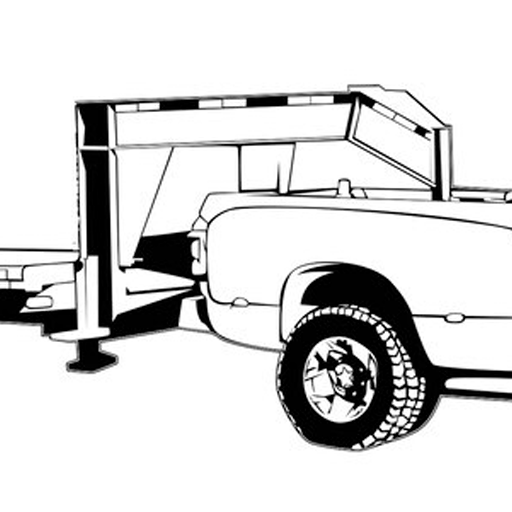
Gooseneck trailers follow the same basic rule. A gooseneck coupler may sit farther forward than a fifth-wheel kingpin arrangement, but clearance still depends on the trailer neck, the truck cab, and where the ball is mounted. Measure your own equipment. A salesman’s general assurance is not a clearance calculation.
Short Bed Towing Guide: Start With Measurements
Before choosing a hitch, measure from the center of the rear axle to the back of the cab. Then measure the trailer from the center of the kingpin or gooseneck ball connection to the widest front point that could contact the cab. Include front-cap corners, storage doors, ladders, and anything else that projects forward.
You also need to know where the hitch connection sits in relation to the rear axle. For most fifth-wheel and gooseneck applications, the connection should be located slightly ahead of the rear axle centerline, following the hitch and truck manufacturer’s instructions. Mounting too far behind the axle to gain cab clearance is not a proper fix. It can reduce steering control, worsen porpoising, overload components, and create an unsafe handling problem.
A useful hands-on check is to position the truck and trailer on level pavement, then slowly turn while a spotter watches the cab-to-trailer gap. Keep hands, feet, and bystanders away from the pinch area. Stop well before contact. This will not replace manufacturer specifications, but it shows whether your real-world combination has room to spare or is living on a knife edge.
Clearance above the bed rails matters too. A fifth-wheel should generally have enough vertical room between the underside of the trailer overhang and the truck bed rails to handle dips, driveways, and off-camber terrain. Six inches is commonly treated as a practical minimum, while more is better for rough roads and ranch entrances. Too little clearance can damage bed rails, trailer skin, or the underside of the overhang.
Choose the Hitch That Fits the Combination
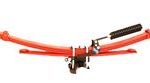
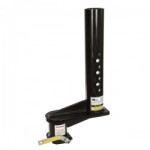
For many short-bed owners, a sliding fifth-wheel hitch is the straightforward answer. In its towing position, the hitch remains near the proper axle location. When you need to maneuver tightly, the hitch can move rearward to add cab clearance.
A manual slider costs less and works well for an owner who is willing to stop, set the truck and trailer straight, release the hitch, and reposition it before a tight turn. That is a reasonable choice for open-road RV travel with occasional campground maneuvering. The weak point is human nature. If you forget to slide it before backing into a tight site, it offers no protection.
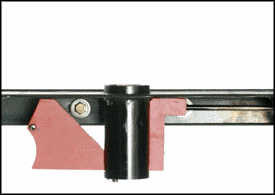
An automatic sliding hitch moves rearward as the truck turns, then returns to its towing position as the truck straightens. It is heavier and more expensive, but it removes the stop-and-move routine. For a short-bed truck pulling a conventional square-front fifth-wheel, that convenience can be worth the added cost and weight.
Weight matters because the hitch itself counts against payload. Some automatic sliders are substantially heavier than a fixed hitch. A half-ton truck may run out of payload before it runs out of advertised tow rating, particularly with a large fifth-wheel, passengers, tools, a full fuel tank, and a bed-mounted hitch.
A fixed fifth-wheel hitch may be appropriate if the trailer is specifically designed for short-bed clearance and your measurements confirm it. Some modern fifth-wheels use a tapered front cap and a pin box configuration that can provide good turning room. Still, good clearance on paper does not give you permission to force a full jackknife turn on uneven ground.
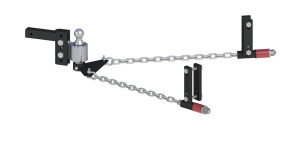
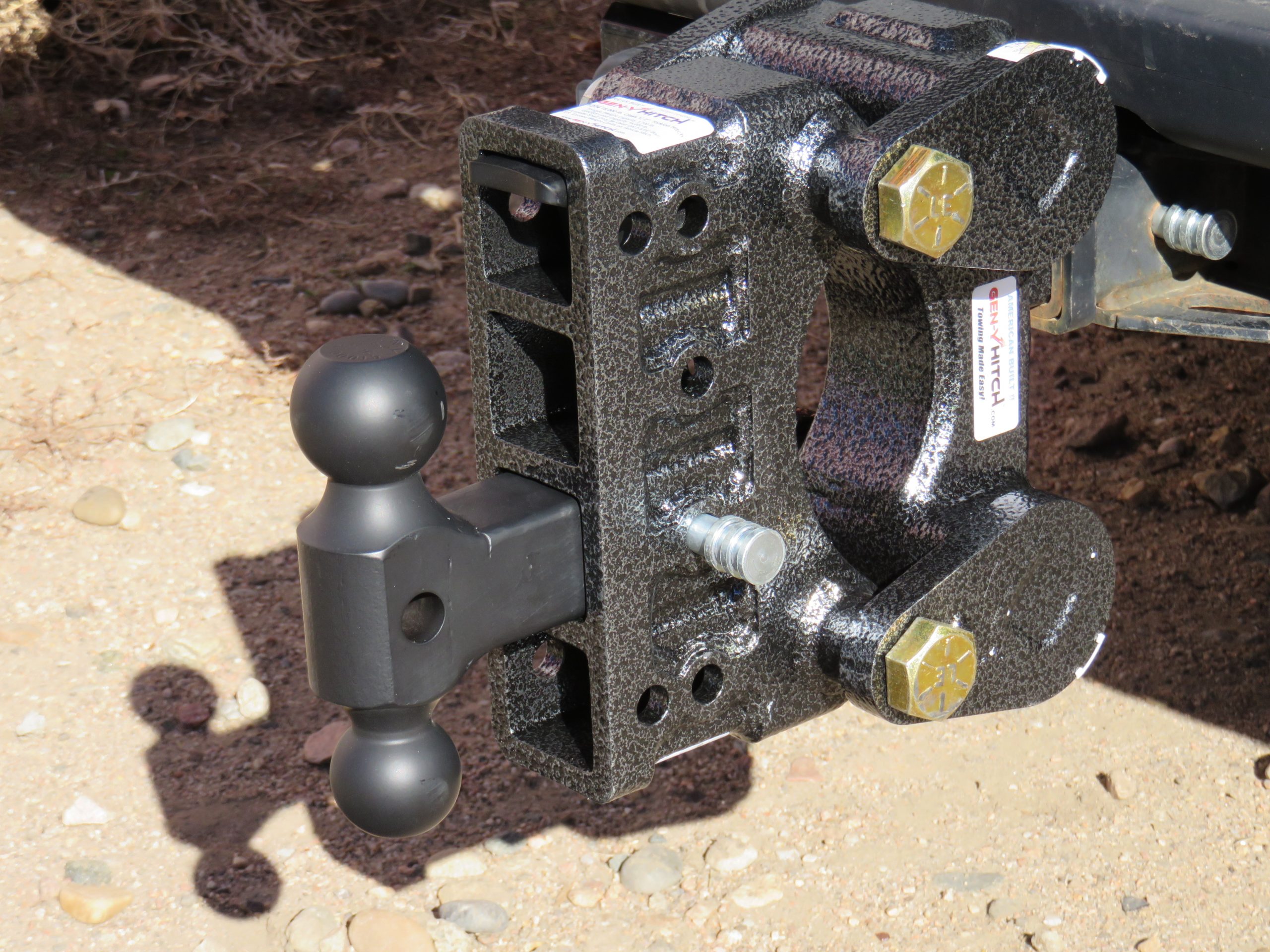
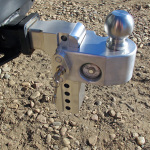
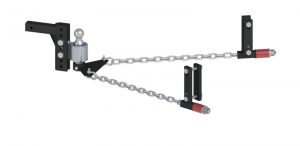
For gooseneck towing, offset ball systems and coupler arrangements may provide additional room in some applications. Treat them as engineered components, not universal add-ons. The ball, safety-chain attachment points, truck bed structure, coupler, and trailer rating must all be compatible. Never modify a gooseneck coupler or hitch structure just to chase more turning angle.
Do Not Fix Clearance by Moving Weight Rearward
One of the worst short-bed towing shortcuts is mounting the hitch behind the rear axle. It may appear to create a little more cab clearance, but it changes how the truck carries pin weight. The trailer can unload the front axle, reduce steering feel, and make the truck less stable in crosswinds or emergency maneuvers.
The correct goal is to keep the hitch where the manufacturer specifies, then select a hitch system and trailer arrangement that create adequate clearance. Towing is always a balance of ratings, geometry, and control. Solving one issue by creating two more is not a solution.
Watch the truck’s payload sticker, rear axle rating, tire ratings, wheel ratings, and gross combined weight rating. Fifth-wheel pin weight is often much higher than first-time buyers expect. A trailer advertised with a 2,000-pound dry pin weight can carry considerably more pin weight once loaded with water, batteries, food, gear, and personal belongings.
Setup Details That Prevent Expensive Mistakes
A good hitch installation is not simply a matter of dropping rails or a puck-mounted hitch into the bed. Confirm that the hitch rating meets or exceeds the trailer’s loaded rating. Torque all fasteners to specification, inspect the hitch jaws and locking mechanism, and make sure the breakaway cable is connected to the truck without being wrapped around the hitch handle or safety chains.
Level towing is another priority. A trailer that rides nose-high can shift more weight to the rear axle and may handle poorly. A trailer that rides excessively nose-low can overload the truck and reduce bed-rail clearance. Adjustments may involve the hitch height, pin box position, trailer suspension, tire size, or, in some cases, a different truck-trailer match. Do not make a dramatic height change without checking trailer axle loading and suspension clearance.
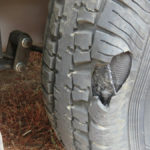
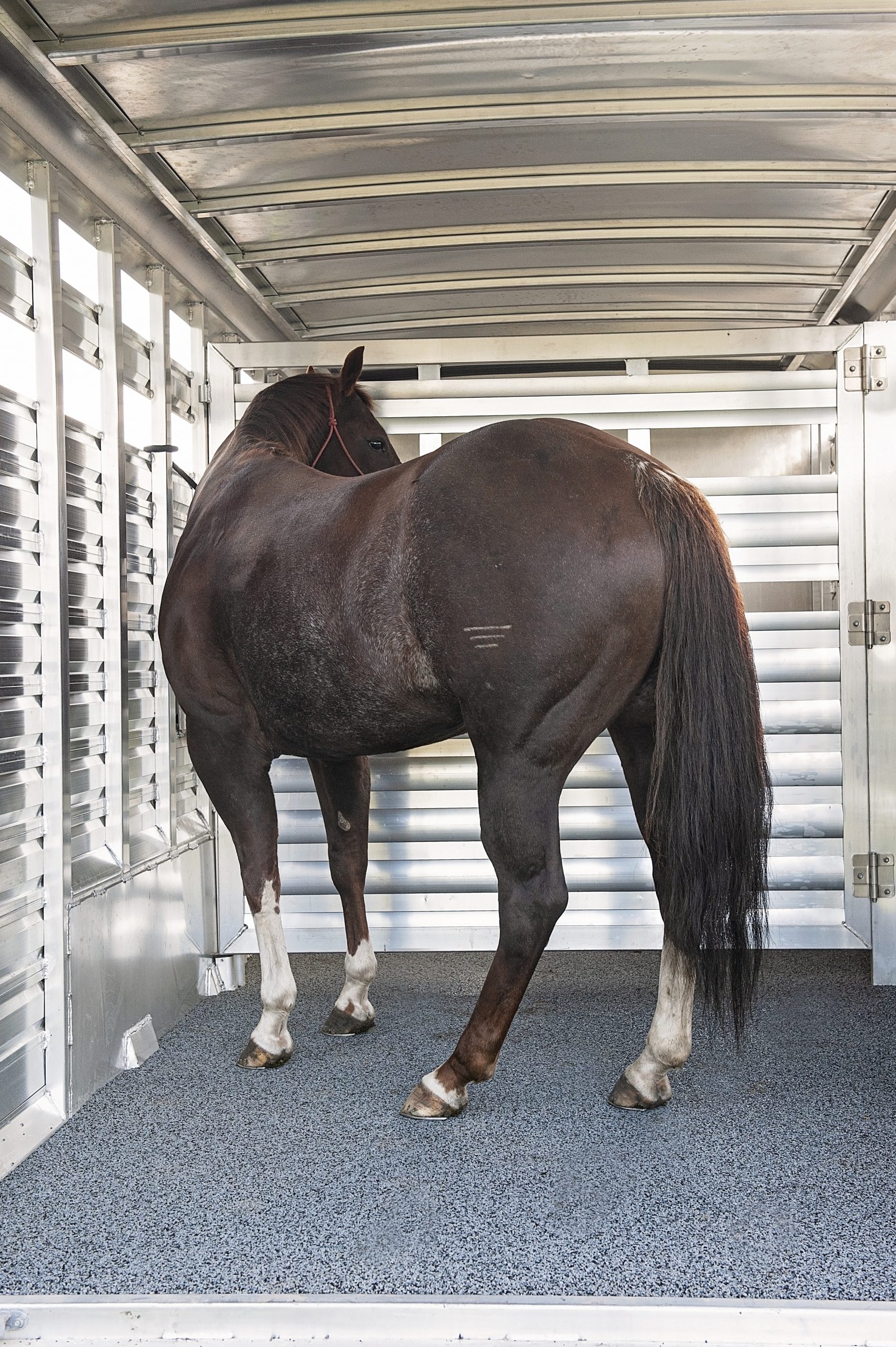
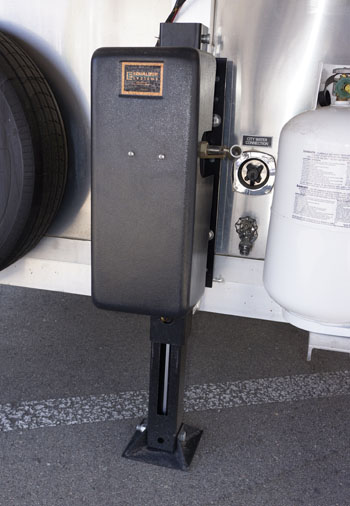
Before every departure, walk around the rig. Check the hitch lock, kingpin or ball engagement, safety chains where required, electrical plug, breakaway cable, tire condition, lights, landing gear, cargo doors, and bed-rail clearance. A tire-pressure monitoring system is a smart investment for long-distance trailer travel, especially with heavy fifth-wheels and horse trailers where a heat-related tire failure can escalate quickly.
Drive Like You Know the Limits
Even the best short-bed hitch cannot repeal physics. Plan fuel stops and parking areas with room to make wide turns. Use a spotter when backing. If you do not have a spotter, get out and look as often as necessary. There is no prize for backing a 40-foot trailer in one shot.
Slow down before sharp turns, avoid cutting corners, and pay attention to trailer swing. On a downhill turn or uneven surface, the trailer can move in ways that do not show up in a level parking-lot test. Keep your steering smooth and give yourself a way out rather than forcing the rig into a tight angle.
For proven fifth-wheel hitches, gooseneck equipment, tire monitoring, and towing accessories selected for real working rigs, contact the MrTruck store. The right equipment should leave you thinking about the road ahead, not wondering whether the next tight turn will find your cab.