


#image_tpms
A Tire Pressure Monitor System caught slow leak example is more useful than another warning-light story because it shows what the system is supposed to do: give you time. On a loaded horse trailer, travel trailer, or equipment trailer, time is the difference between pulling safely into the next fuel stop and dealing with shredded tread beside a busy highway.
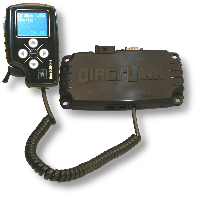
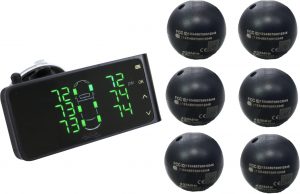
Here is a realistic scenario. A truck owner leaves home with all four trailer tires set at 80 PSI cold. The tire monitoring system shows normal pressure and temperature readings during the first hour. Then one tire begins reporting 77 PSI, then 75, while the other three remain at 79 to 81 PSI. Nothing feels wrong from the driver’s seat. The trailer is tracking straight, there is no vibration, and the tire does not look obviously flat at a glance. But the monitor has caught a problem early.
That is where a good TPMS earns its keep. It does not replace tire inspections, proper inflation, or load-rated tires. It gives the driver an early warning when conditions begin moving in the wrong direction. https://mrtrailer.com/tuson-tire.htm
The Slow-Leak Example That Prevented a Bigger Problem
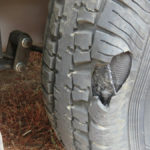
At the next safe stop, the owner checks the tire with a quality gauge and confirms the monitor is right: it is down to 74 PSI. A close inspection finds a small screw in the tread. The tire was not losing air fast enough to trigger an immediate low-pressure alarm, but it was losing enough air to matter.
With a passenger car, a six-PSI drop may not feel dramatic. With a trailer carrying livestock, a family’s RV gear, or several thousand pounds of equipment, it can become serious quickly. A tire that starts below its required pressure flexes more. That extra flex builds heat, and heat is what turns a repairable puncture into a failed tire, damaged fender, broken plumbing, or worse.
The owner has choices at that point. If the tire is still within a safe range, the puncture is in the repairable tread area, and a tire shop is nearby, he may add air and proceed carefully for a professional repair. If pressure is continuing to fall, the tire is hot, the sidewall is damaged, or the trailer is heavily loaded, the right move is to install the spare or get roadside help. The monitor does not make that decision for you. It gives you the information to make it before the tire comes apart.
Why a Few PSI Matters More on a Trailer
Trailer tires live a harder life than many truck owners realize. They may sit for weeks, carry a high percentage of their rated capacity, scrub sideways during tight turns, and run for hours in hot pavement temperatures. Unlike truck tires, trailer tires do not get much feedback through the steering wheel. A driver can travel miles before noticing a soft trailer tire, especially on a stable dual-axle trailer.
Pressure loss is also not always caused by a nail or screw. It can come from a leaking valve core, a cracked valve stem, corrosion around the wheel bead, a damaged wheel, or an aging tire with a slow casing leak. On a long trip, even a small leak becomes more significant because the tire is working under load while pressure falls.
Temperature matters alongside pressure. Every tire’s pressure rises as it warms up, so a higher reading after an hour on the road is normal. What should get your attention is one tire behaving differently from the others. If three trailer tires are running around 88 PSI hot and one is showing 80 PSI while climbing in temperature, do not assume it will sort itself out. That tire may be leaking, overloaded, dragging, or suffering internal damage.
What the Driver Should Do When TPMS Alerts
First, do not make a sudden lane change or hit the brakes hard. Keep the rig straight, reduce speed smoothly, and find a safe place to pull off. If you are towing a long fifth-wheel, gooseneck, or loaded equipment trailer, give yourself more room than you think you need.
Once stopped, verify the reading with a handheld gauge. TPMS sensors are very useful, but a gauge confirms the actual pressure and helps identify whether the issue is a sensor, valve stem, or tire. Look for a puncture, listen for escaping air, inspect the sidewall, and check whether the tire is unusually hot compared with the others. Use caution around a hot tire. Do not put your face near it or immediately remove a valve cap if the tire appears severely damaged.
If the tire has a visible puncture and is losing air, do not rely on a plug as a permanent repair for a trailer that sees heavy loads and highway miles. A proper repair requires removing the tire, inspecting the inside, and using the correct patch-plug procedure when the tire is eligible. Sidewall damage, shoulder punctures, bulges, separated tread, and heat damage generally mean replacement, not repair.
Set TPMS Alerts for How You Actually Tow
A monitoring system is only as useful as its settings. Many owners install sensors, see pressure readings on the dash, and leave default alert thresholds untouched. That can create alerts that are either too late or so sensitive that the driver starts ignoring them.
Start with the tire manufacturer’s required cold inflation pressure for your actual load and wheel setup. For many heavy trailer tires, that may be 80 PSI, 110 PSI, or another number based on the tire’s load range and capacity. Do not use the maximum pressure printed on the tire as a guess if your wheel is not rated for it. Confirm both tire and wheel limits.
A practical low-pressure alert is commonly set below the normal cold pressure but high enough to catch meaningful loss early. The right number depends on the tire, load, and manufacturer recommendations. A lightly loaded utility trailer and a fully loaded living-quarters horse trailer should not necessarily use the same threshold. High-temperature alerts should also allow for normal road heat while warning you before a problem accelerates.
For a truck-and-trailer combination, monitor every tire you are responsible for. That includes the truck tires when they are carrying significant pin weight or tongue weight, plus every trailer tire and ideally the spare. A spare with 20 PSI in it is not much help when you need it on the shoulder.
TPMS Is Not a Substitute for Tire Maintenance
The strongest towing setup uses layers of protection. TPMS is one layer. Pre-trip inspection is another. Before leaving, check cold pressures with a reliable gauge, inspect tread and sidewalls, look for weather cracking, verify lug nut torque according to the wheel manufacturer’s procedure, and make sure valve caps are secure.
Pay close attention to tire age as well as tread depth. Trailer tires often age out before they wear out. A tire can have plenty of tread and still be a poor candidate for a cross-country trip if it has years of sun exposure, cracking, repeated underinflation, or questionable service history. This is especially true for trailers that spend much of the year parked.
Also remember that TPMS can catch a slow leak but cannot prevent a blowout caused by overloaded tires, a damaged belt, a curb strike, or tires that were never properly matched to the trailer’s axle ratings. Good monitoring gives you another set of eyes. It does not change the fundamentals. https://mrtrailer.com/tuson-tire.htm
A slow leak is not always an emergency at the moment it appears, but it is always a reason to stop, inspect, and make a deliberate call. That is the value of monitoring: it moves the decision from the roadside aftermath to the first warning. For proven tire-monitoring equipment selected for serious towing, visit the MrTruck Store before your next loaded trip.
Comments