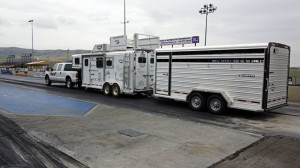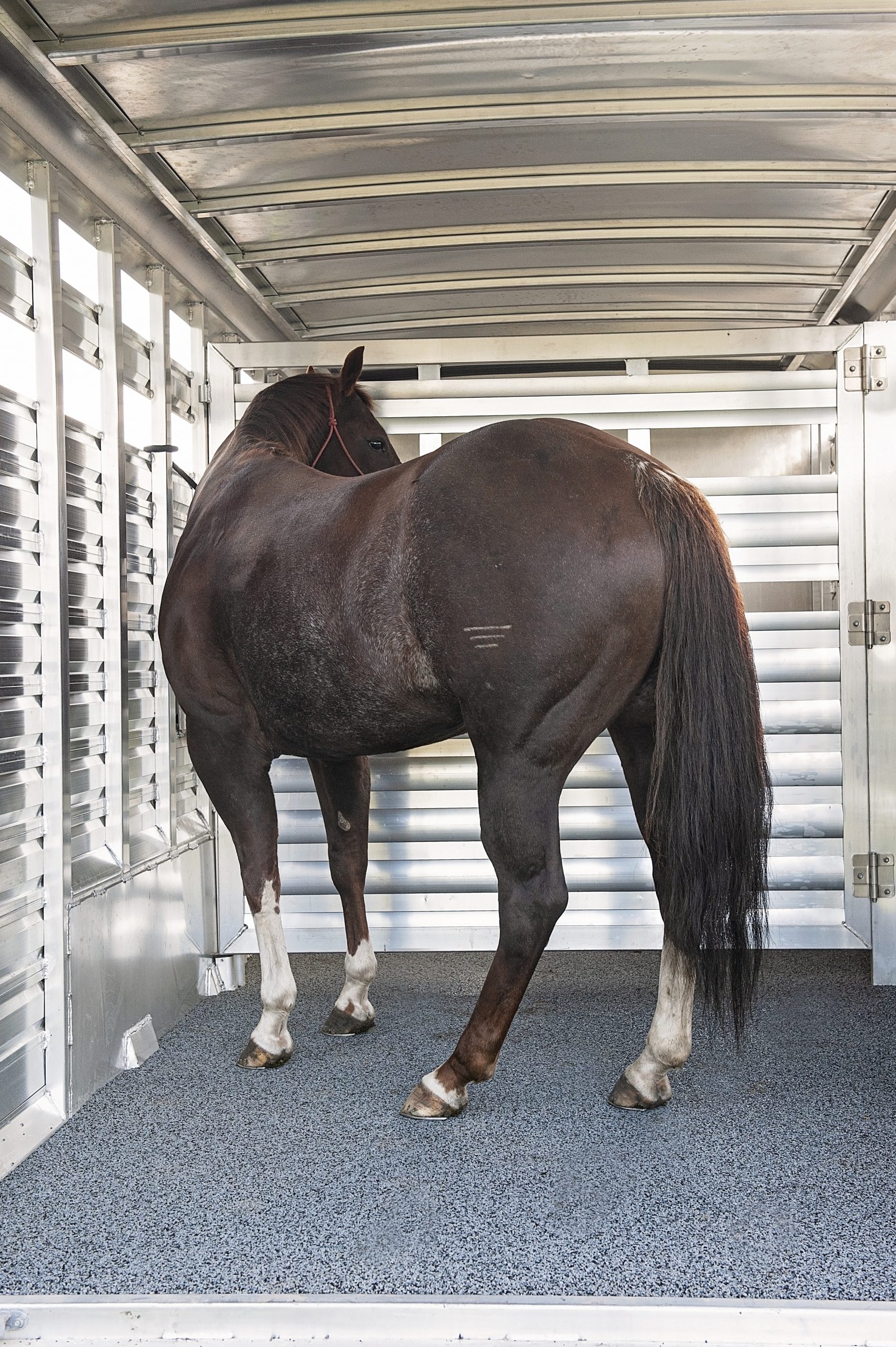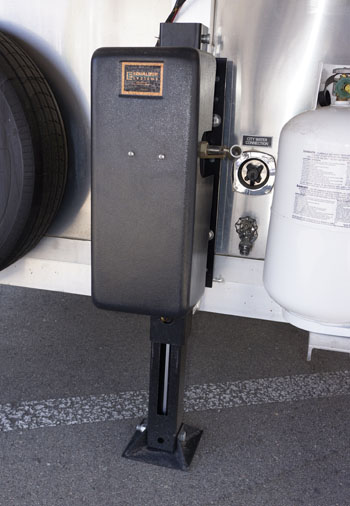



A trailer that repeatedly bucks the truck up and down is not just making the drive miserable. It is beating on the hitch, suspension, tires, cargo, and your ability to stay in control. If you are asking, “why is my trailer porpoising,” the answer is usually a mismatch in load balance, hitch setup, or suspension behavior – and it needs attention before the next long pull.
Porpoising is the fore-and-aft bouncing cycle that starts when the truck and trailer cannot settle into a stable rhythm. The trailer pushes down on the truck, the truck rebounds, then the trailer reacts to that rebound and starts the cycle again. A small dip in the road, bridge joint, or rough patch can trigger it. Once it begins, speed often makes it worse.
Why Is My Trailer Porpoising?
Start with the simple truth: a trailer needs enough correct tongue weight or pin weight to track steadily, but it also needs a hitch and tow vehicle that can carry that weight without becoming a pogo stick. A trailer can be within its gross weight rating and still handle poorly if the weight is in the wrong place or the hitch geometry is wrong.
Porpoising is different from side-to-side trailer sway. Sway yaws the trailer left and right. Porpoising moves the truck and trailer vertically, usually with a noticeable rocking or bucking sensation. The two can occur together, especially with a poorly loaded bumper-pull trailer.
Do not try to drive through it. Slow down gradually, avoid abrupt steering or braking, and pull over where it is safe to inspect the setup. The bounce may fade at a lower speed, but that does not mean the underlying problem is fixed.
Start With Trailer Loading and Tongue Weight
Improper load distribution is one of the most common causes. Too little tongue weight lets the trailer act like a lever behind the hitch. It becomes especially noticeable when the trailer is lightly loaded, loaded rear-heavy, or carrying a concentrated load such as equipment, water, feed, or cargo placed too far behind the axles.
For most conventional bumper-pull trailers, tongue weight should generally be about 10% to 15% of loaded trailer weight. A 7,000-pound loaded trailer, for example, normally needs roughly 700 to 1,050 pounds on the hitch. The exact target depends on the trailer design, but a tongue that is too light is never a recipe for stable towing.
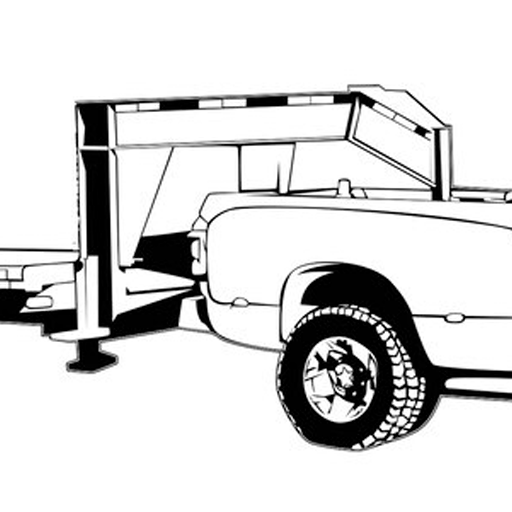
Fifth-wheel and gooseneck trailers need substantially more weight on the truck, commonly around 15% to 25% of loaded trailer weight. A heavy trailer with insufficient pin weight can buck badly, even though the hitch connection itself is more secure than a ball coupler.
Load low and close to the trailer axles, with enough weight forward of the axle group to maintain proper tongue or pin weight. Avoid putting dense cargo at the very rear. On a utility trailer, that may mean moving a tractor, side-by-side, or pallet forward a few inches. On an RV, it can mean reconsidering a rear cargo rack, generator, bike rack, or storage compartment loaded with heavy gear.
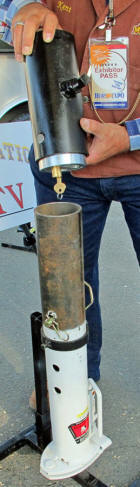
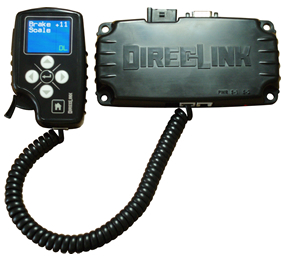
A tongue-weight scale is far better than guessing. If you cannot measure directly, use a public scale to weigh the truck and trailer together, then weigh the truck by itself and calculate the difference. Repeat after making changes. Real numbers beat driveway opinions every time.
Check Hitch Height and Trailer Attitude
A trailer that runs noticeably nose-high or nose-low can contribute to poor ride control. The frame does not have to be perfectly level in every situation, but it should be close. When the front of a tandem-axle trailer is too high, the rear axle can carry more of the load. When it is too low, the front axle can be overloaded. Either condition affects braking, tire wear, and suspension response.
Park on level ground with the trailer fully loaded as it travels. Look at the trailer frame rather than the body, fenders, or decorative trim. If the frame is far from level, correct it with the proper ball mount drop or rise, adjustable hitch, coupler adjustment where applicable, or trailer suspension modification.
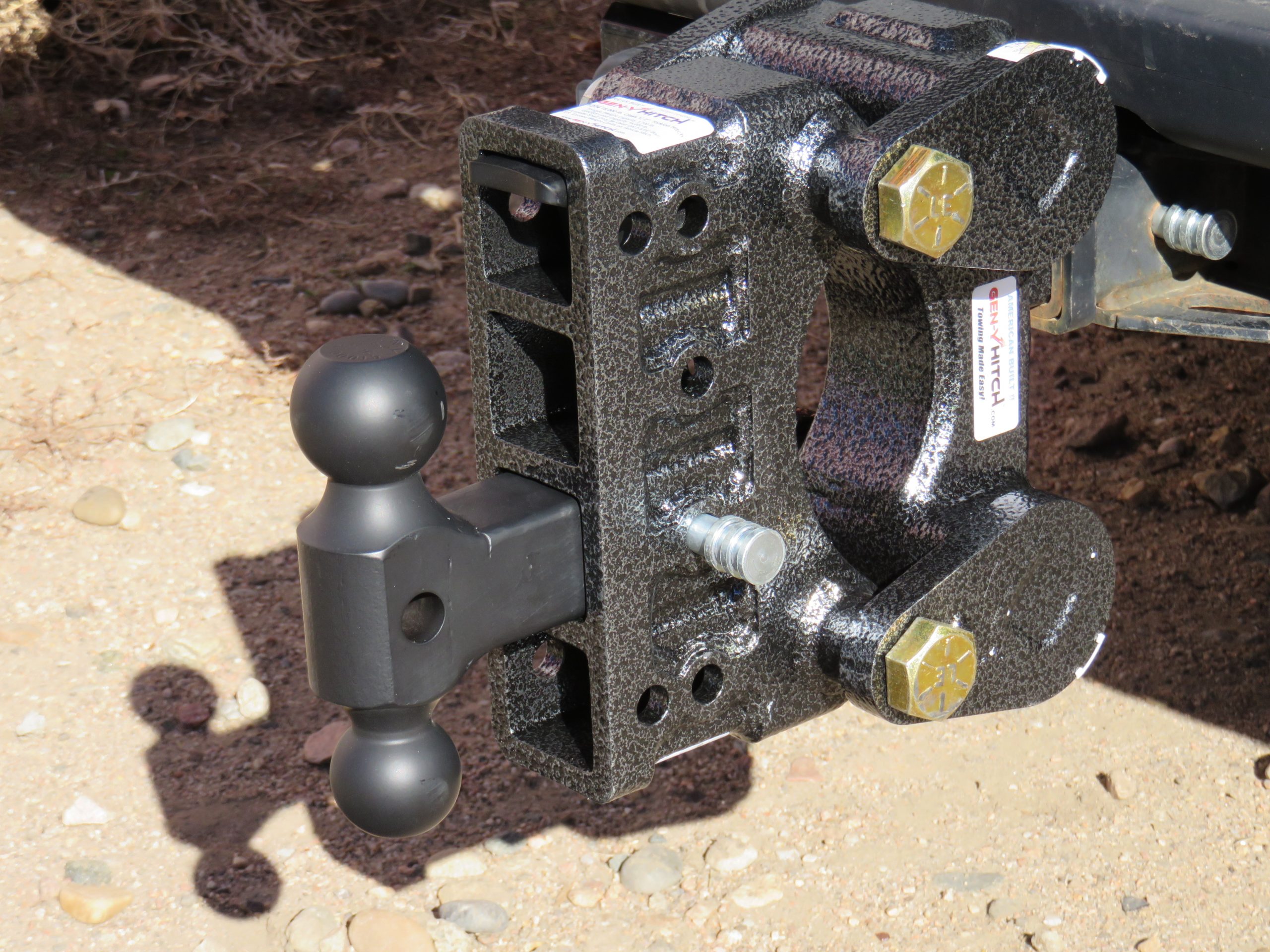
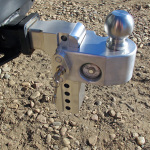
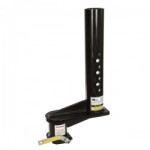
Also inspect the receiver and ball mount. A long ball mount or extension increases leverage behind the truck. It may be necessary for clearance, but it can magnify bounce. Make sure the equipment is rated for the actual loaded trailer weight and tongue weight, not just the empty trailer’s advertised number.
Set Up the Weight Distribution Hitch Correctly
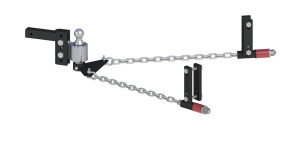
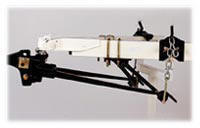
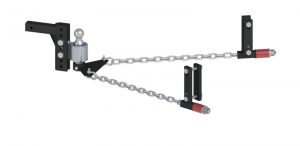
With a bumper-pull trailer that places significant weight on the rear of a half-ton or three-quarter-ton truck, a properly sized weight distribution hitch can make a major difference. It transfers part of the hitch load forward onto the truck’s front axle and rearward to the trailer axles. That helps restore steering response and reduces the rear-end squat that can feed a porpoising cycle.
The key words are properly sized and properly adjusted. Spring bars that are too light cannot do their job. Bars that are too stiff for the actual tongue weight can create a harsh ride and bind during turns. Incorrect head tilt, chain tension, bracket position, or truck ride-height measurements can leave the system doing little more than adding hardware.
Measure the front and rear fender heights before hitching, after coupling the trailer, and after engaging the weight distribution system. The goal is not to make every measurement identical. The goal is to return a reasonable amount of load to the front axle while keeping the truck and trailer level and controlled. Follow the hitch manufacturer’s instructions and the tow vehicle owner’s manual, because vehicle limits and hitch setups vary.
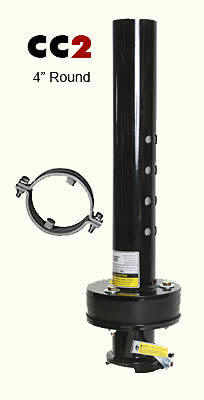
Do not assume sway control alone will cure porpoising. Friction sway control, cam-style systems, and similar equipment can help with directional stability, but they do not replace correct tongue weight, proper hitch height, and effective weight distribution.
Inspect Truck and Trailer Suspension
Worn shocks are a frequent culprit on the tow vehicle. A truck with tired rear shocks may feel fine unloaded but lose control of heavy vertical motion when a trailer starts pushing on it. The truck squats, rebounds too quickly, then repeats the cycle. Quality shocks designed for towing and load control are often one of the most worthwhile upgrades on an older truck.
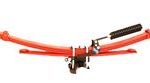
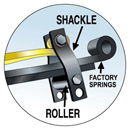
Look over the trailer suspension as well. Broken leaf springs, worn equalizers, seized shackles, cracked hangers, loose U-bolts, failed bushings, and weak or leaking shocks on an RV trailer can all prevent the axles from controlling the load. On torsion-axle trailers, inspect for uneven ride height, damaged arms, or a deteriorated rubber suspension element.
Air helper springs can reduce squat and improve truck stability, but they are not a substitute for weight distribution on a trailer that needs it. Too much air pressure can raise the rear of the truck excessively, unload the front axle, and make the trailer run nose-high. Use only enough pressure to support the load and preserve proper truck and trailer attitude.
Tires, Brakes, and Road Conditions Matter Too
Check tire pressures cold on both truck and trailer. Underinflated tires add sidewall flex and heat, while severely overinflated tires can make an already harsh setup react sharply to pavement joints. Use the tire manufacturer’s load-and-inflation guidance and never exceed wheel, tire, or axle ratings.
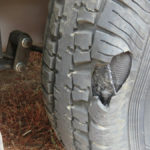
Trailer tires deserve close attention. A mismatched tire set, uneven wear, broken belt, or weak tire can create a hop that feels like suspension trouble. Check for cupping, bulges, tread separation, and unusual wear across each tire. Verify that trailer brakes are adjusted and functioning evenly as well. Uneven braking may not start porpoising at cruise speed, but it can make a bouncing trailer much harder to manage when slowing down.
Some roads simply trigger a marginal setup. Concrete expansion joints, rolling pavement, and rough bridges can expose a problem that smooth asphalt hides. If the bounce only happens on one stretch of road, inspect anyway. A sound towing combination should recover quickly after a bump instead of continuing to buck for several cycles.
A Practical Diagnosis Order
Work through the problem in order instead of buying parts at random. First, verify loaded trailer weight and tongue or pin weight. Next, level the trailer and inspect hitch ratings and hardware. Then set up or recheck the weight distribution hitch if you use one. Finally, inspect truck shocks, trailer suspension, tires, and brake operation.
Make one change at a time and test it on a familiar route at a safe speed. Moving cargo forward, changing the ball mount height, and adjusting a weight distribution hitch all at once may hide which correction actually solved the issue. Keep notes on weights, measurements, and tire pressures. That record is useful every time the trailer is loaded differently.
A stable trailer should feel connected, not like it is taking turns pushing the truck around. Fix the weight and geometry first, then use quality towing equipment to keep that hard-won control. For proven https://mrtrailer.com/springs.htm tire-monitoring, and trailer safety gear, visit the MrTruck store.