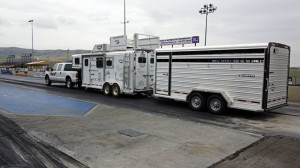


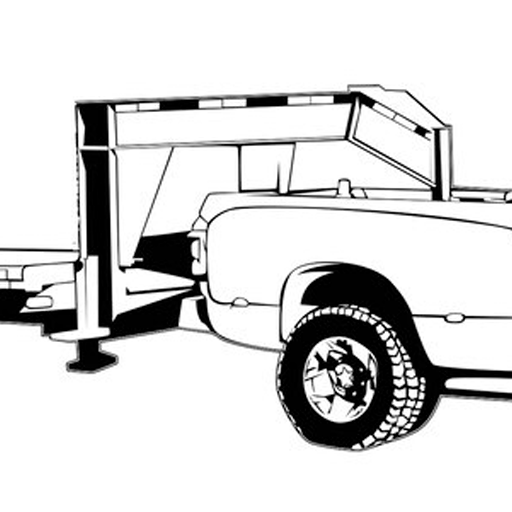
The badge on the hood matters less than what happens when you hook up 9,000 pounds on a windy day, load the bed with feed, and point the truck toward a mountain pass. That is where 2026 full size pickup truck reviews should start – not with touchscreen graphics or cupholder counts, but with towing manners, axle choices, brake feel, cooling, and how stable the truck stays when the trailer gets busy.
For truck buyers who actually tow, the 2026 market looks strong but familiar. The big players all know how to build power. The real separation is in how each truck delivers that power, how well the chassis controls a trailer, how smart the trims are configured, and whether the truck still makes sense after the first year of ownership. If you are buying for RV duty, horse trailers, equipment hauling, or ranch work, that is where the decision gets serious.
2026 full size pickup truck reviews – what matters most
The first question is not which truck is best. It is best for what. A half-ton that feels excellent with a 6,000-pound travel trailer may be the wrong answer for a loaded horse trailer, and a one-ton diesel that dominates heavy towing may be overkill for a family that tows a few weekends a month.
Towing buyers should pay closest attention to wheelbase, rear axle ratio, tire choice, payload sticker, and hitch setup. Engine output gets the headlines, but poor payload planning can sink a truck purchase fast. Plenty of buyers end up with a strong engine and not enough truck because the fancy trim package, giant wheels, panoramic roof, and loaded cab eat into payload.
That is why the smartest review is not about horsepower alone. It is about matching the truck to the trailer and leaving enough margin for passengers, hitch weight, cargo in the bed, and real-world weather.
Half-ton picks for everyday towing
Ford F-150
The F-150 remains one of the easiest trucks to configure for different jobs, which is both a strength and a trap. There is likely an F-150 that fits your trailer very well, but there are also plenty of versions aimed more at lifestyle buyers than haulers. For towing, the EcoBoost engines still make a lot of sense because they deliver low-end torque where it counts. The hybrid can be attractive for some users, especially if onboard power matters, but it is not automatically the best towing choice for every owner.
Where the F-150 usually does well is trailer tech, engine response, and overall drivability. It can feel light and quick without getting sloppy. The weak point is buyer discipline. If you choose appearance packages over axle ratio and payload, you can turn a good tow vehicle into a mediocre one.
Chevrolet Silverado 1500 and GMC Sierra 1500
GM’s half-tons continue to appeal to buyers who want a roomy cabin, strong available engines, and a solid highway feel. The 6.2-liter gas V8 remains a favorite with drivers who want easy power without diesel ownership. The Duramax diesel in the half-ton also deserves attention for buyers who tow long distances and want strong fuel economy.
The Silverado and Sierra usually shine in road-trip comfort and powertrain variety. Their towing behavior can be very good when properly equipped, though some trims and suspension setups are better suited to daily commuting than heavier tongue weights. The smart move is to stay focused on towing package details rather than buying by trim name alone.
Ram 1500
Ram still has one of the best rides in the segment, and that matters if your truck spends time unloaded. It is a comfortable truck and often a very pleasant one to live with. The question is whether the exact configuration you are considering gives you enough payload and enough confidence for the trailer you plan to pull.
For moderate travel trailers and general use, a properly equipped Ram 1500 can be a very good choice. For buyers pushing the upper end of half-ton towing, the soft ride that feels great around town can become less appealing if the trailer setup is less than ideal. Ram buyers need to be especially careful with payload stickers because luxury trims can get heavy in a hurry.
Toyota Tundra
The Tundra has improved in many areas, especially in power delivery and cabin design, but it still needs to be judged by the same towing math as the Detroit trucks. Toyota owners tend to value reliability and simplicity of ownership, and that can be a real advantage for long-term buyers.
For moderate towing, the Tundra is competitive. For heavier, frequent towing, especially with higher-profile trailers, many buyers will still find the domestic competitors offer broader configuration choices and easier matching to specific trailer demands. The Tundra is not out of the conversation. It just fits a narrower slice of the towing market.
HD truck reviews for serious work
Ford Super Duty
Ford’s Super Duty lineup remains a heavyweight contender because it gives buyers strong gas and diesel options, serious towing capability, and a wide range of chassis and bed combinations. For fifth-wheel and gooseneck users, the Super Duty is usually near the top of the list because the platform is built for heavy pin weight and sustained pulling.
The gas engine options make sense for many owners who tow regionally, want lower upfront cost, and do not need diesel torque every day. The diesel still rules for big grades, high combined weights, and buyers who rack up miles. Ford’s strength is breadth. Its weakness is price creep once you start adding premium trims and towing features.
Chevrolet Silverado HD and GMC Sierra HD
GM’s heavy-duty trucks have become more polished without losing their work-truck backbone. The diesel powertrain is a strong performer, and the Allison-branded transmission continues to carry weight with towing buyers, whether for hard numbers or buyer confidence. These trucks tend to feel planted and predictable under load, which counts for a lot with larger trailers.
One reason GM HD trucks deserve respect in 2026 full size pickup truck reviews is balance. They can be strong tow rigs without feeling overly clumsy in everyday use. The downside is that, depending on trim and options, some buyers may find Ford offers a little more variety and Ram a little more interior flair.
Ram HD
Ram HD trucks have loyal fans for good reason. The Cummins diesel remains a major draw, especially among owners who prioritize steady pulling power and long-term towing confidence. Ram’s interiors are also appealing if you spend all day in the cab.
Still, there are trade-offs. Some Ram HD configurations are excellent for towing, while others need careful spec checking to make sure the payload and rear suspension match the intended job. If you are shopping Ram for fifth-wheel towing, the details matter more than the brochure language. Get the exact numbers before you fall in love with the trim.
The gas vs diesel question in 2026 full size pickup truck reviews
This is where buyers waste the most money by chasing somebody else’s needs. Diesel still makes sense if you tow heavy, tow often, drive in mountains, or run long highway miles with substantial loads. It gives easier torque delivery, less strain at high combined weights, and often better towing fuel economy.
Gas makes more sense than many buyers want to admit. Modern gas HD trucks are strong, simpler to maintain, and cheaper to buy. If your trailer is heavy but not extreme, and you are not towing cross-country every week, a gas three-quarter-ton or one-ton can be the smarter ownership play.
Half-ton buyers should be just as careful. A powerful half-ton can look good on paper, but if payload, wheelbase, and suspension are marginal for your trailer, moving into an HD gas truck may give you a safer and more relaxed towing experience.
What to skip when buying a tow vehicle
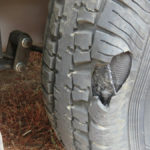
The biggest mistake is buying too much trim and not enough truck. Fancy interiors are nice. They are not what keeps a trailer stable in a crosswind. Low-profile tires and oversized wheels may help the showroom look, but they often work against ride compliance and practical towing use.
Another mistake is shopping by maximum tow rating alone. That number is usually built around a very specific truck configuration. Once you add crew cab weight, four-wheel drive, a higher trim, passengers, hitch hardware, and cargo, your real-world capacity changes fast.
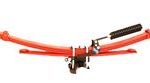
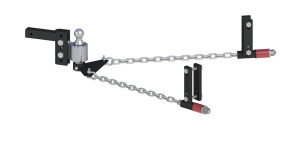
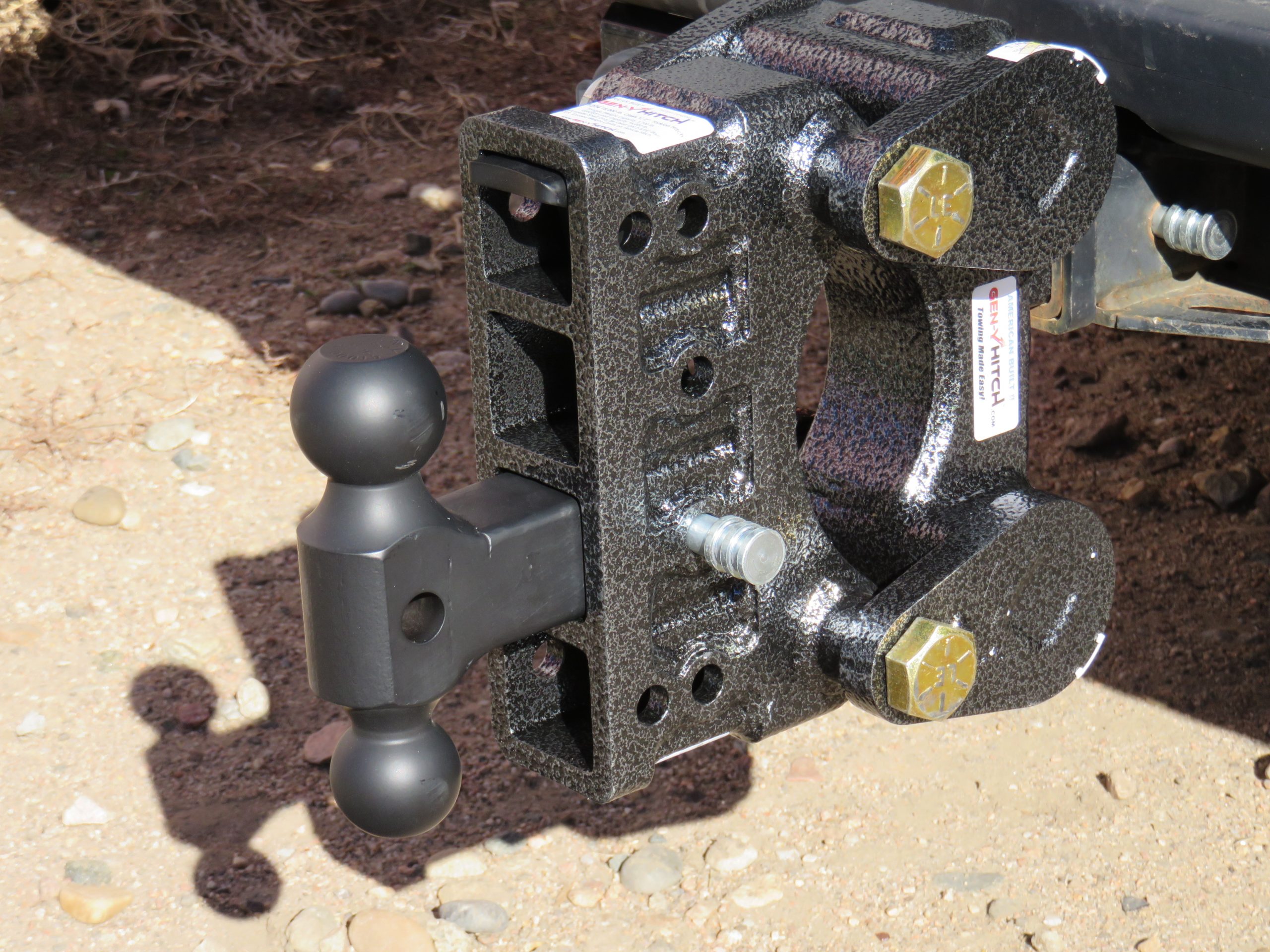
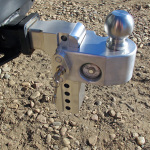
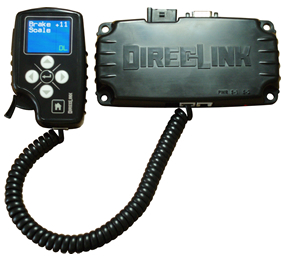
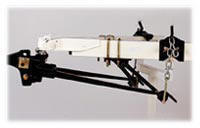
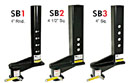
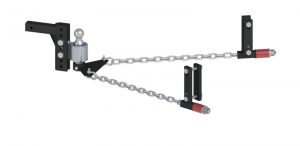
This is also where a good hitch, brake controller, tire pressure monitoring, and suspension support can make a major difference. A truck is only part of the towing system. The smartest owners treat it that way.
Best buyer fits by use case
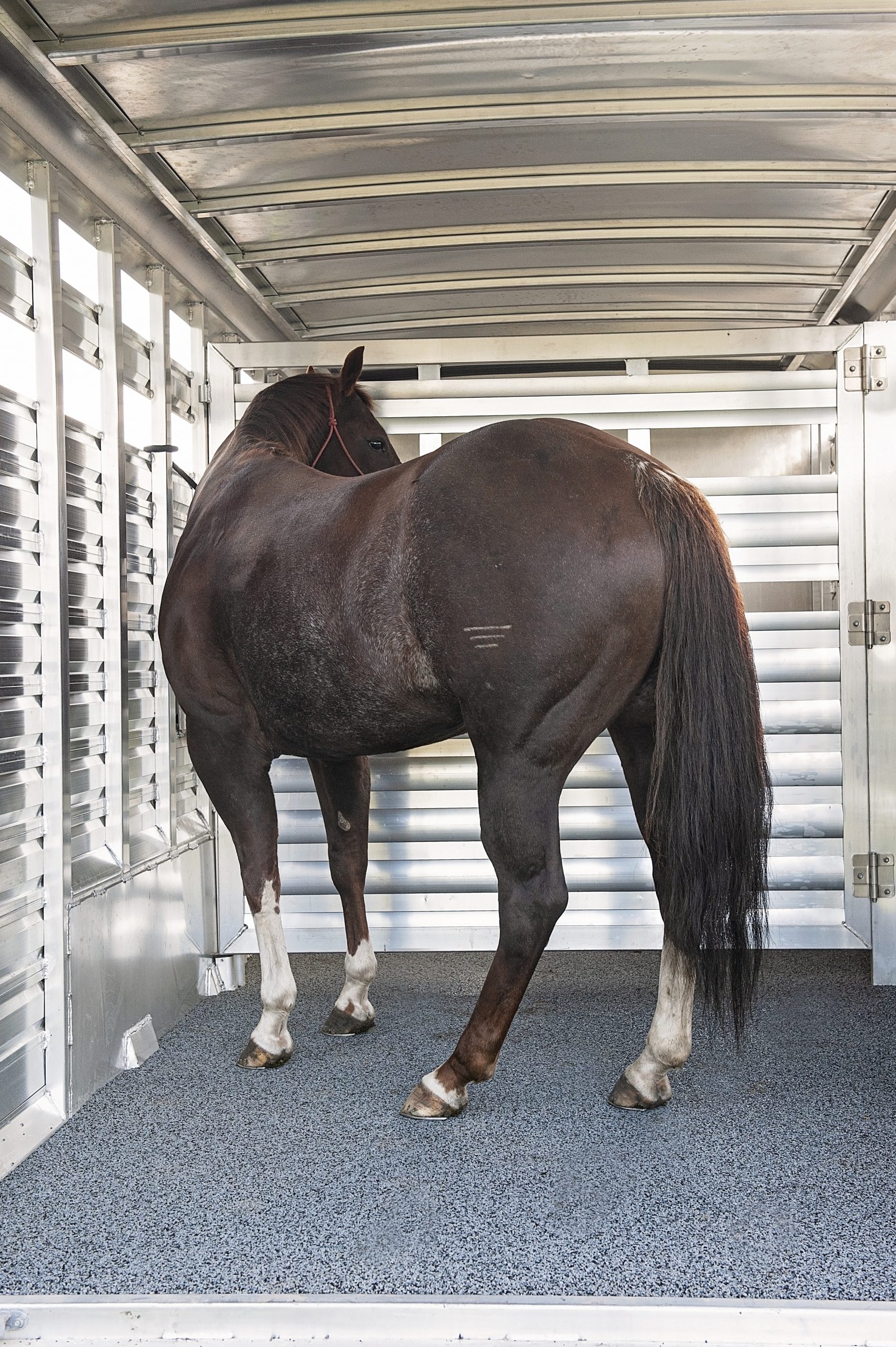
If you tow a moderate travel trailer and use the truck as a daily driver, a well-equipped half-ton from Ford, GM, or Ram can work very well. If you tow a taller RV, a horse trailer, or haul in the bed at the same time, a three-quarter-ton starts looking like cheap insurance.
If you tow heavy fifth-wheels or goosenecks, stop trying to make a half-ton do a one-ton job. That is where the HD trucks from Ford, GM, and Ram earn their keep. The right answer usually comes down to payload, bed length, rear axle setup, and whether you want gas simplicity or diesel muscle.
A seasoned towing buyer does not ask which truck is coolest. He asks which truck will still feel stable, predictable, and under control after six hours on the road with a real load behind it. That is the truck worth buying, and it is usually the one that leaves you some margin instead of using every last pound on the sticker.