

A rough towing ride is not just an annoyance. When the truck porpoises over bridges, the trailer bucks on concrete seams, or the steering feels light and vague, your equipment is telling you something is wrong. Learning how to improve towing ride starts with diagnosing the whole combination, not throwing random parts at the truck.
The truck, hitch, trailer, tires, load placement, and suspension all work together. Change one part of that system and the ride can improve dramatically – or get worse. Start with the basics, then spend money only where it solves a real problem.
Start With Trailer Loading and Tongue Weight
Bad loading is one of the most common causes of a miserable towing ride. A trailer that is tail-heavy can sway, shove the truck around, and feel unsettled over every bump. A trailer that is too nose-heavy can overload the rear axle, squat the truck excessively, and produce a choppy, harsh ride.
For most bumper-pull trailers, tongue weight should generally be 10% to 15% of loaded trailer weight. That is a starting range, not a substitute for checking your truck, hitch, and trailer ratings. Gooseneck and fifth-wheel trailers usually place more weight in the bed, commonly around 15% to 25%, depending on the trailer and load.
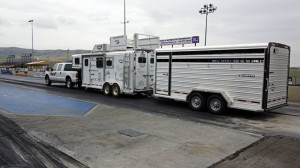
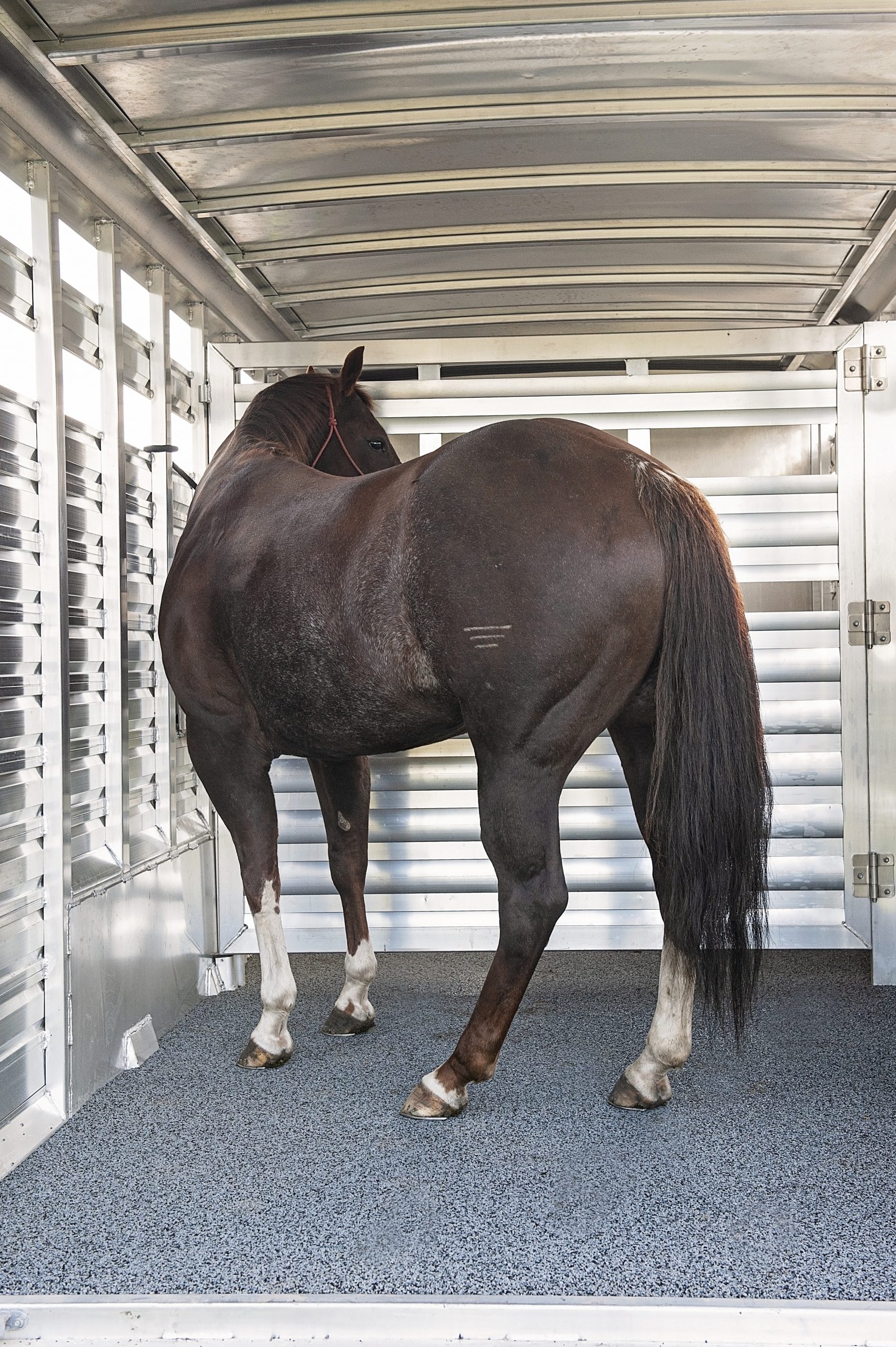
Load heavy items low and close to the trailer axles whenever possible. For a travel trailer, that means avoiding the temptation to pack generators, coolers, tools, and water containers all the way at the rear. Horse trailer owners should remember that a changing livestock load changes handling too. A properly loaded trailer often rides better before you ever adjust a hitch or install an accessory.
Set the Hitch Up to Carry Weight Correctly
A bumper-pull trailer that makes the truck squat does not automatically need stiffer springs. It may need a properly sized and properly adjusted weight-distribution hitch.
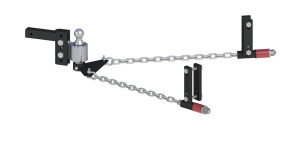
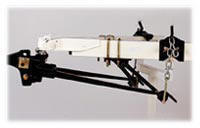
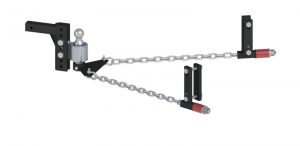
A good weight-distribution setup transfers some trailer tongue weight forward to the truck’s front axle and rearward to the trailer axles. That helps restore steering response, braking balance, and a more level stance. It also reduces the see-saw motion that makes many half-ton trucks feel nervous with a loaded camper or enclosed trailer.
Measure Before You Adjust
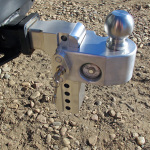
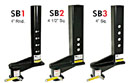
Do not adjust spring bars by appearance alone. Measure front and rear fender height on level ground with the truck unloaded, then with the trailer coupled, and again after the weight-distribution system is tensioned. The goal is not necessarily to make every measurement identical. The goal is to restore enough front axle load for confident steering while keeping the entire rig level and within its ratings.
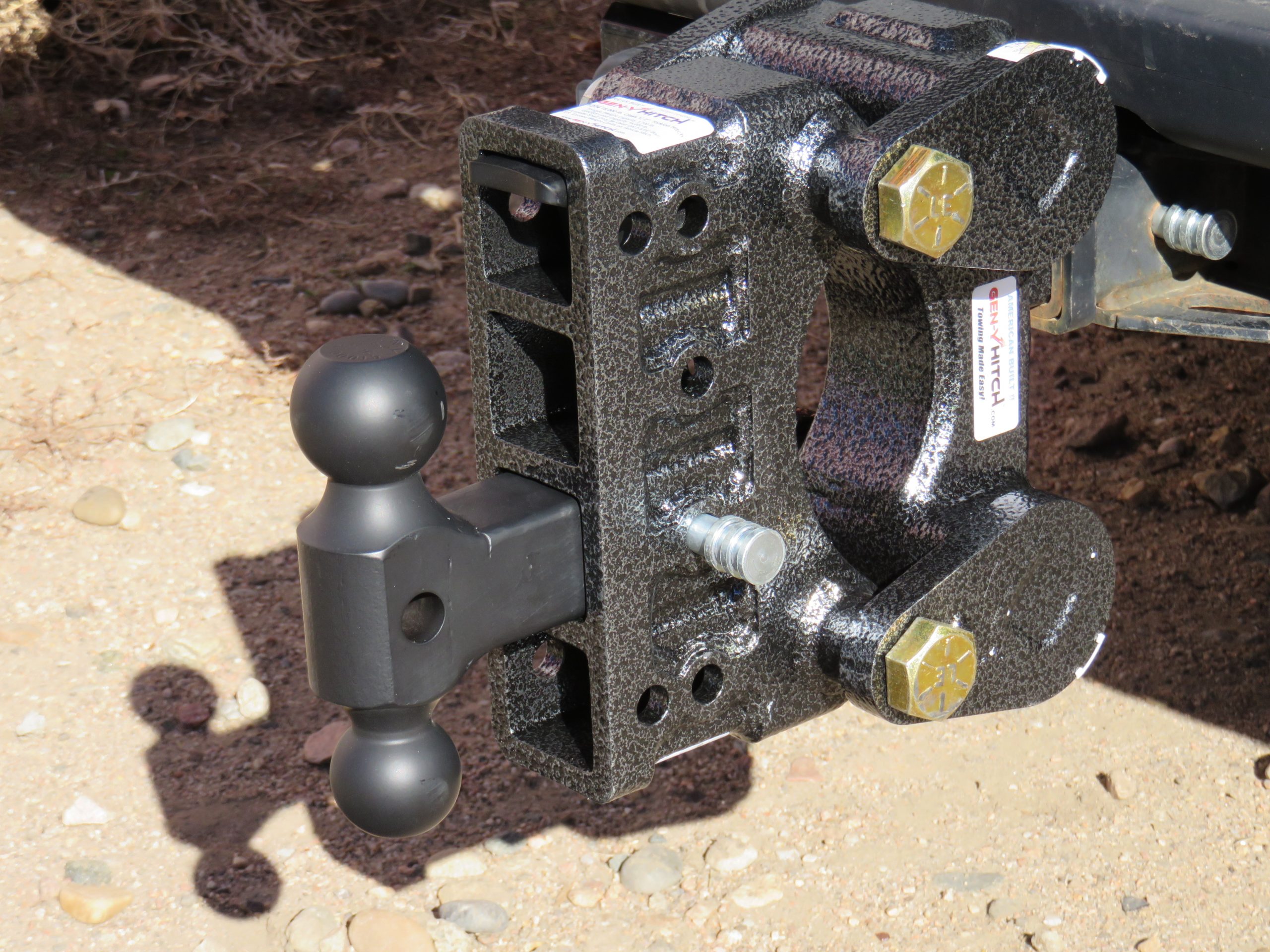
Too little tension leaves the rear overloaded. Too much can create a stiff, unpleasant ride and may overload components. If the trailer is still nose-high or nose-low after adjustment, correct ball mount height or hitch head setup before assuming the suspension is the problem.
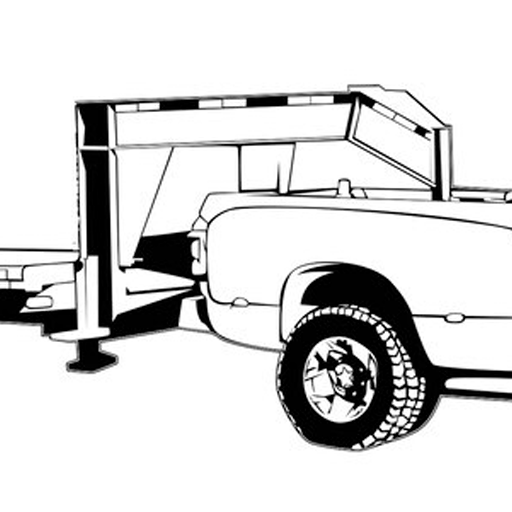
For fifth-wheel and gooseneck towing, hitch location matters just as much. The king pin or coupler should sit ahead of the rear axle as required by the hitch manufacturer, and the trailer should tow level. A nose-high fifth-wheel can transfer too much load to the rear trailer axle and contribute to rough ride and tire problems.
Tire Pressure Can Make or Break Towing Comfort
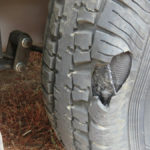
Tires are part of the suspension. That point gets missed constantly. Overinflated tires can turn small road imperfections into sharp impacts, while underinflated tires build heat, wander, and can fail under trailer load.
Use the tire manufacturer’s load-and-inflation data when available, and do not guess based on the maximum pressure molded on the sidewall. The correct pressure depends on the actual axle load, tire size, load range, and how the truck is being used. A truck running empty may ride better at a lower safe pressure than it needs when carrying a heavy pin weight or tongue load.
Trailer tires deserve the same attention. Keep pressure matched to the trailer tire manufacturer’s recommendation for the load being carried. Uneven pressure from side to side can make a trailer pull or react poorly to bumps. Check pressures cold, before travel, and use a quality gauge rather than relying on a glance at the tire.
A tire pressure monitoring system is especially worthwhile for long-distance RV travel, horse trailers, and equipment trailers. It will not improve ride by itself, but it can warn you about a slow leak or overheating tire before it becomes a roadside tire failure and a damaged trailer.
Match Suspension Upgrades to the Actual Problem
Suspension upgrades can help, but the wrong upgrade can make an unloaded truck ride like a farm wagon. The best answer depends on whether you need more support, better damping, or simply a correct hitch adjustment.
Shocks Control Motion, Springs Carry Weight
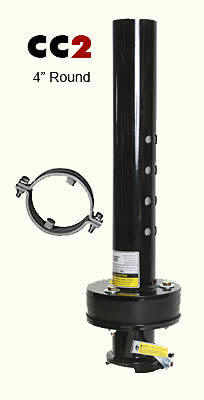
If the truck bounces repeatedly after a dip, wallows through curves, or feels loose with a trailer behind it, worn or underperforming shocks may be the real issue. Quality towing-focused shocks improve damping. They control the repeated up-and-down motion that makes a heavy trailer feel as if it is pushing the truck.
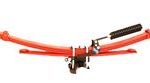
Helper springs, add-a-leafs, and load-support systems are different. They help the truck carry rear weight and reduce sag. They can be useful for a truck that regularly carries a heavy slide-in camper, loaded tool bed, fifth-wheel pin weight, or substantial tongue weight.
Air spring systems are adjustable and can be a good fit for owners who tow heavy only part of the time. Inflate them enough to level and support the truck, but do not use them to mask an overloaded rear axle or an incorrectly adjusted weight-distribution hitch. Too much air pressure can make the rear of the truck overly stiff and transfer more bump energy into the trailer.
Progressive-rate helper springs are often a better choice for a truck that sees both daily driving and weekend towing. They engage more as load increases, so the empty ride is usually less compromised. No suspension product increases the truck’s payload, axle, tire, or hitch ratings. Those limits remain in place.
Inspect the Trailer Suspension Too
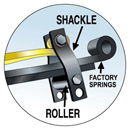
Many owners focus entirely on the pickup, then discover the trailer is the source of the harshness. Worn leaf-spring bushings, loose U-bolts, weak shocks on an RV, broken equalizers, and tired axle components can cause a trailer to hop and buck over rough pavement.
Inspect the trailer suspension at least once each season and before a major trip. Look for cracked spring leaves, wet shock bodies, worn bushings, loose hardware, and uneven tire wear. On tandem-axle trailers, worn equalizer components can make one axle carry more than its share over bumps.
If you own a large travel trailer or fifth-wheel, an upgraded equalizer or improved suspension system can reduce sharp impacts and improve control. That said, upgrades are not a cure for an overloaded trailer, incorrect tire pressure, or a trailer that is not level behind the truck.
Reduce Sway Without Making the Ride Worse
Sway control is a safety tool, not a substitute for loading correctly. Friction sway controls, integrated weight-distribution sway systems, and electronic trailer stability systems can help keep a properly loaded trailer under control in crosswinds, passing traffic, and emergency maneuvers.
But a trailer that sways repeatedly needs a root-cause inspection. Verify tongue weight, load placement, tire condition, trailer level, hitch setup, and rear suspension condition. Adding more sway control to a tail-heavy trailer is not the fix. It may make the driver feel better for a few miles while the underlying problem remains.
Road-Test One Change at a Time
The practical way to improve towing ride is to make one correction, then test it on a familiar route. Note how the rig behaves over expansion joints, rolling dips, truck traffic, and moderate curves. If you adjust tire pressure, do not also change hitch tension and install new shocks before the test. You will not know which change helped.
Use a public scale when the trailer is loaded as it will be for travel. Get actual truck axle weights and trailer axle weights. Numbers settle arguments quickly, especially when a truck looks level but has a rear axle, tire, or payload problem hiding in plain sight.
A comfortable tow is usually the result of a level trailer, correct load balance, properly inflated tires, and suspension that controls movement without being excessively stiff. If your rig still rides poorly after those fundamentals are right, then it is time to select a hitch, shock, or load-support upgrade built for the way you actually tow.
For proven towing equipment and straight answers on what fits your truck and trailer, visit the MrTruck store.