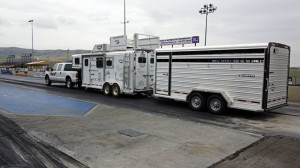



A trailer that starts hopping behind the truck can turn a calm tow into a white-knuckle ride fast. If you are asking, “why does my trailer bounce,” the answer is usually not one mysterious bad part. It is typically a mismatch between load placement, tires, suspension condition, hitch setup, and road speed. Find the cause before the next trip, especially if you haul horses, equipment, or an RV full of gear.
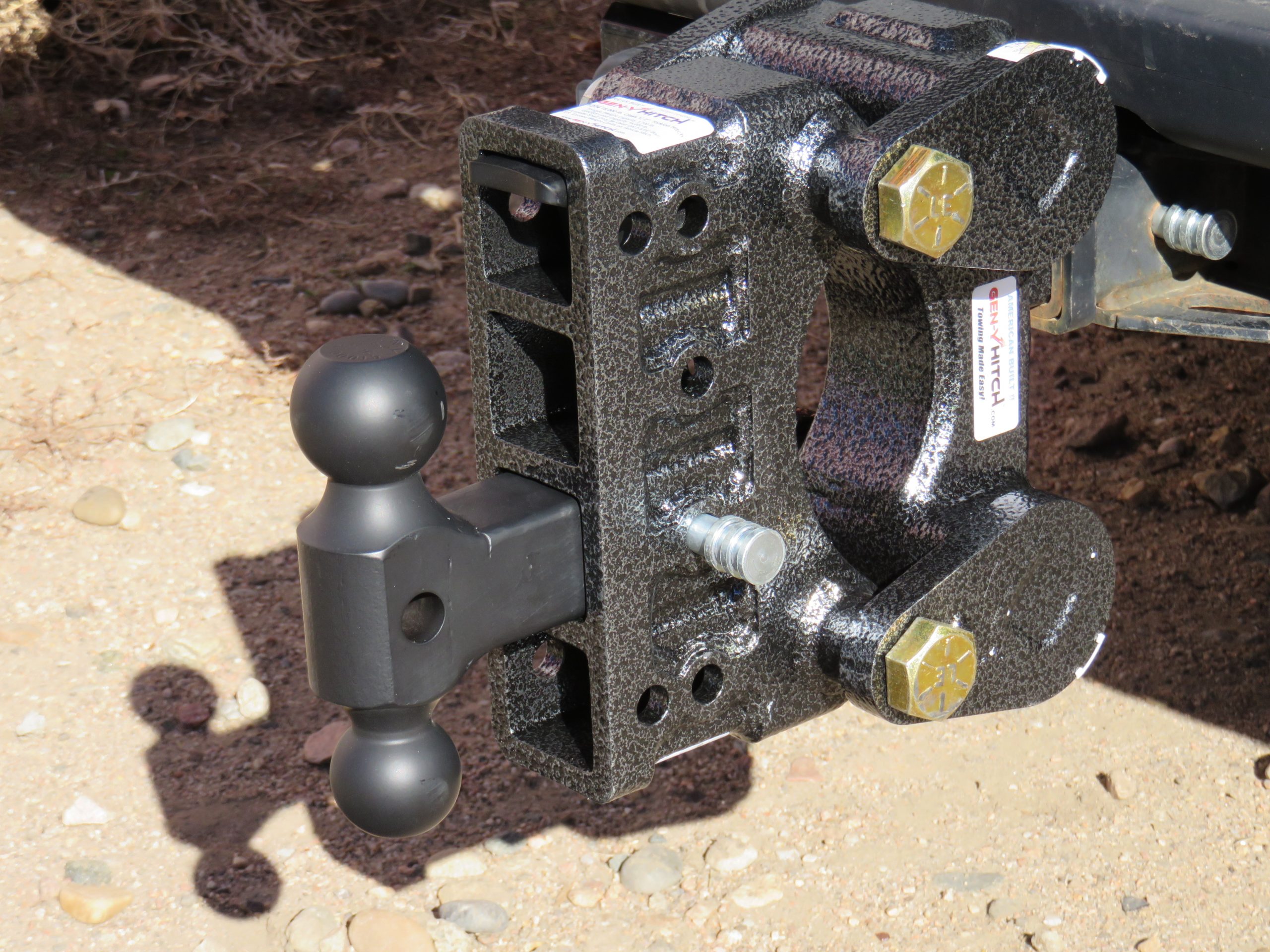
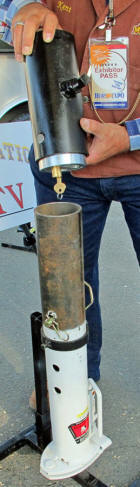
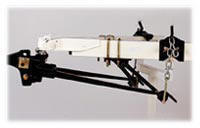
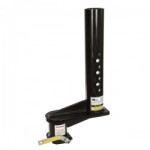
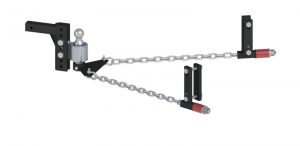
Gen-Y Hitch Heavy Duty Adjustable Receiver Hitch: Full Product Review and Exclusive Sales
A little movement is normal. A light, empty utility trailer will react sharply to expansion joints because there is very little weight working the springs. Repeated bouncing, porpoising, wheel hop, or a trailer that feels as if it is pushing and pulling the truck is not normal. It wears tires, stresses the hitch, reduces braking control, and can become sway when conditions get worse.
Why Does My Trailer Bounce on the Highway?
Start by identifying what the trailer is actually doing. Owners often call every bad ride “bounce,” but the pattern points toward the cause.
Vertical hop is a rapid up-and-down motion, often most noticeable over concrete seams. It commonly comes from an unloaded or poorly loaded trailer, stiff suspension, bad tires, or worn suspension hardware.
Porpoising is a slower front-to-back pitching motion where the truck and trailer seem to take turns rising and falling. This often points to improper tongue weight, a hitch that is set too high or too low, or inadequate weight distribution on a heavier bumper-pull trailer.
One-sided bouncing suggests a problem at one wheel position. Think broken leaf spring, worn equalizer, loose U-bolts, bent axle, weak tire, or a tire with internal belt damage.
Chucking feels like a repeated push-pull through the truck. Fifth-wheel and gooseneck owners know the feeling well. It can be related to pin weight, hitch height, suspension, tire pressure, or simply the sharp joints on a particular stretch of road. It is not always possible to eliminate completely, but it should not be violent.
Check the Load Before You Blame the Trailer
Load placement is the first thing experienced haulers check because it is both common and easy to get wrong. A trailer needs enough weight ahead of its axle or axle group to keep the coupler firmly loaded without overloading the truck.
For most conventional bumper-pull trailers, tongue weight should generally fall around 10 to 15 percent of total loaded trailer weight. Too little tongue weight can make a trailer feel light, bouncy, and unstable. Too much can overload the rear of the truck, unload the front axle, and set up a pitching motion.
Do not guess based on how the trailer looks. A compact tractor, side-by-side, hay load, or palletized cargo can put the center of gravity in the wrong place even when the trailer appears level. Weigh the truck and trailer when loaded if you tow regularly. It is one of the best ways to stop chasing suspension problems that are really loading problems.
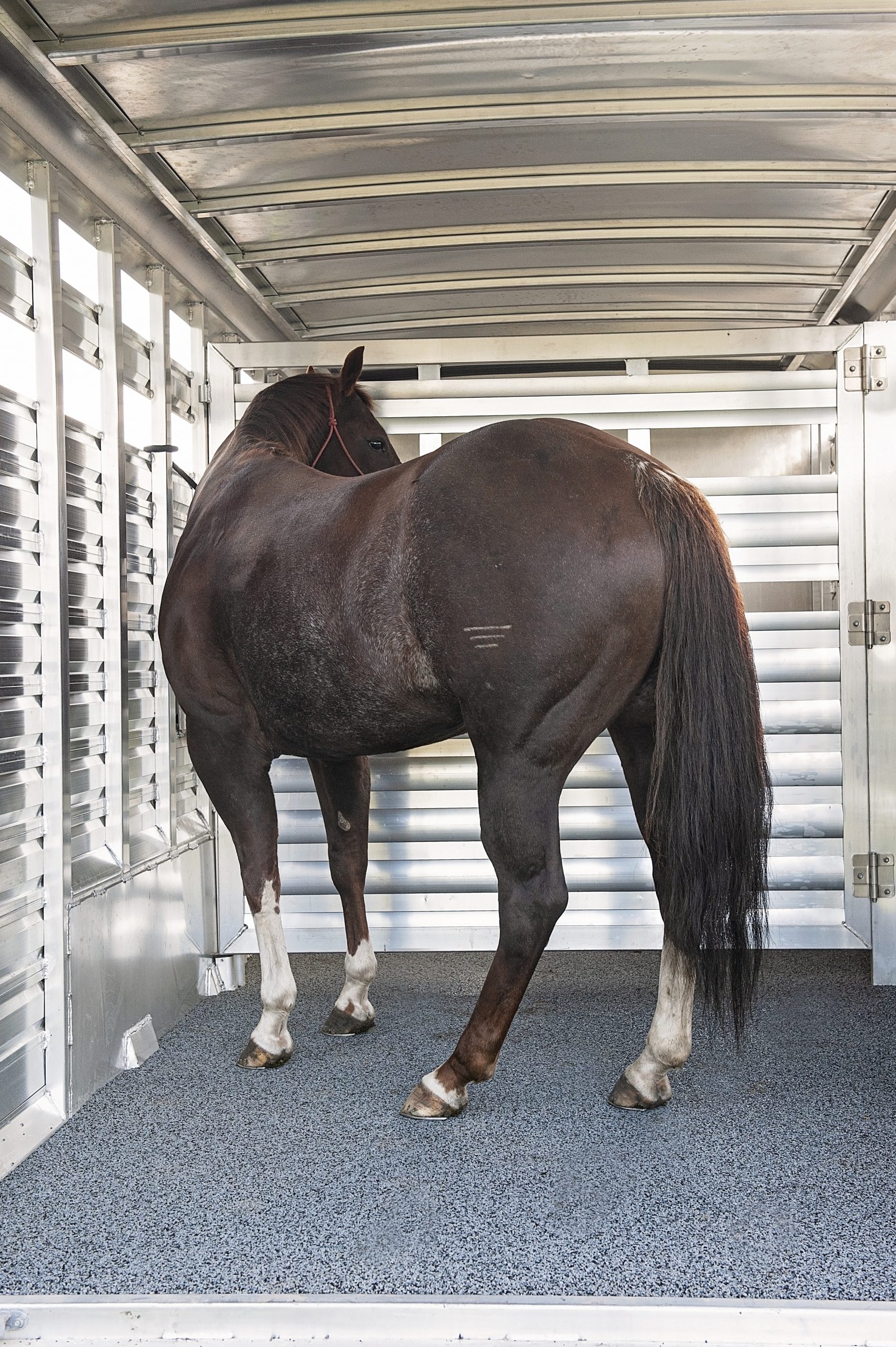
With a horse trailer, balance changes while you travel. Horses shift their weight, and water tanks, tack, hay, and living-quarter cargo can move the balance point farther than expected. Load heavy supplies low and close to the trailer’s center, then confirm the trailer is sitting level when connected.
Trailer Tires Can Create a Serious Bounce
Trailer tires take plenty of abuse: long periods sitting, heavy loads, heat, curbs, and low-pressure operation. A tire can look acceptable at a glance and still cause a severe hop.
Check pressure when the tires are cold and use the pressure specified for the tire and the trailer’s load requirements. Do not lower pressure just because the ride feels harsh. Underinflation builds heat, weakens the tire, and can make the trailer less stable. The correct pressure depends on the tire’s load rating, the actual load, and the manufacturer’s guidance.
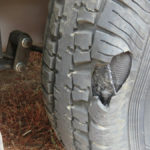
Look closely for uneven wear, bulges, flat spots, cracking, and tread separation. Spin each wheel while the trailer is safely lifted and supported to watch for an out-of-round tire or wheel. If one tire rises and falls visibly, replace or repair the problem before towing at highway speed.
Wheel balance is less often the root cause on a typical utility trailer than tire damage or suspension trouble, but it matters on larger trailers and at sustained highway speeds. A quality tire shop can inspect tire runout, wheel runout, balance, and mounting issues. If the bounce began after new tires were installed, that inspection is worth the time.
Inspect Springs, Axles, and Suspension Hardware
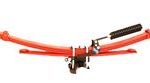
Leaf-spring trailer suspension is simple, but it is not maintenance-free. Rusted parts, worn bushings, loose fasteners, and tired springs allow the axle to move in ways it should not.
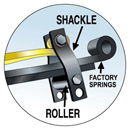
Park on level ground and inspect both sides in good light. Look for cracked or flattened leaf springs, broken leaves, loose or shifted axle U-bolts, worn shackle bolts, and elongated holes in hangers. On tandem- and triple-axle trailers, inspect the equalizers and their bushings. A worn equalizer can let one axle carry load differently than the other, leading to poor ride quality and uneven tire wear.
Also look for an axle that is bent or no longer aligned. A curb strike, pothole, overloaded trip, or rough jobsite can move things enough to create a bounce. Feathered tire wear, one tire wearing much faster than the others, or a trailer that tracks crooked are good reasons to have axle alignment checked by a qualified trailer shop.
Do not crawl under a trailer supported only by a jack. Use correctly rated jack stands on solid ground, chock the wheels, and keep safety ahead of speed.
Make Sure the Trailer Is Level and the Hitch Is Set Correctly
A trailer that runs nose-high or nose-low is more likely to pitch over bumps. The goal is generally a level trailer when loaded and connected, with the truck itself sitting within reasonable limits. A little variation can be acceptable depending on trailer design, but a noticeably tilted trailer deserves correction.
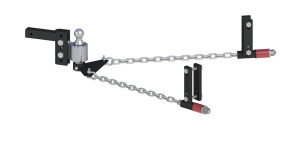
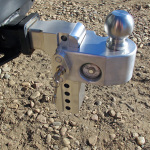
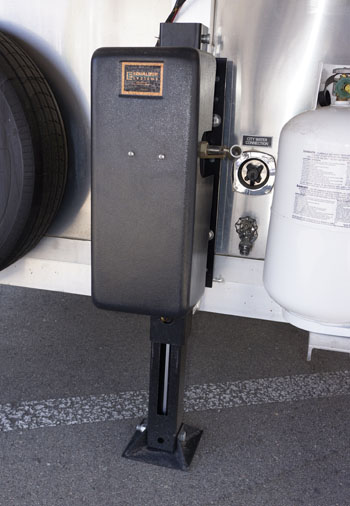
For a bumper-pull trailer, verify ball size, coupler condition, ball mount rise or drop, and receiver rating. Then check whether the truck’s rear suspension is squatting enough to lighten the front end. On a heavier trailer, a properly sized and properly adjusted weight-distribution hitch can move weight back to the truck’s front axle and forward to the trailer axles. That can dramatically improve control, but it must be set up based on actual measurements, not just tightened until it looks right.
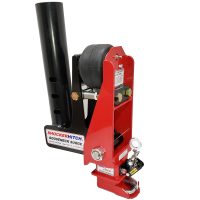
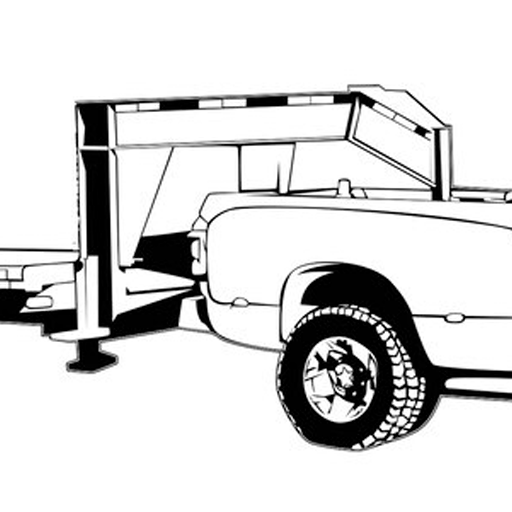
For fifth wheel and gooseneck trailers, check bed-rail clearance, trailer attitude, pin weight, hitch mounting, and truck tire pressure. Some chucking is a characteristic of this type of towing, particularly with short-wheelbase trucks or rough pavement. Still, incorrect pin weight, a nose-high trailer, worn hitch components, or an overloaded truck can make it much worse.
Match Speed to the Trailer and Road
Sometimes the trailer is mechanically sound, but a certain speed triggers the problem. Expansion-joint spacing and suspension frequency can combine to create a rhythmic hop at 55 mph, 62 mph, or another specific speed. Slowing down may make the symptom disappear, but treat that as a clue, not a permanent repair.
Try a controlled test after checking the basics. Tow on a familiar, low-traffic route with the trailer loaded as you normally use it. Note the speed, road surface, load, and whether the issue changes after adjusting tire pressure to the correct specification or moving cargo. Never test by accelerating through a violent bounce. If the trailer starts to sway, ease off the throttle, hold the wheel steady, and avoid stabbing the truck brakes.
When a Suspension Upgrade Makes Sense
A suspension upgrade is not a cure for bad loading, damaged tires, or a bent axle. Fix those first. But if the trailer is correctly loaded and maintained yet still rides harshly, upgraded equalizers, wet-bolt kits, properly selected shock systems where applicable, or improved truck-side suspension support may be worthwhile.
The right upgrade depends on the trailer. A lightly built landscape trailer needs different attention than a loaded car hauler, heavy fifth-wheel, or living-quarters horse trailer. The best equipment is the equipment that addresses the actual weak point, not the shiniest part in a catalog.
Before your next long pull, inspect the tires, verify the load, check the hitch height, and take a hard look at the springs and axle hardware. A trailer that tracks smoothly is easier on your truck, your cargo, and your nerves. For proven towing equipment and practical upgrades selected for real hauling, Truck & Trailer Towing Supply Store – MrTruck
Comments