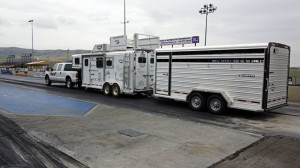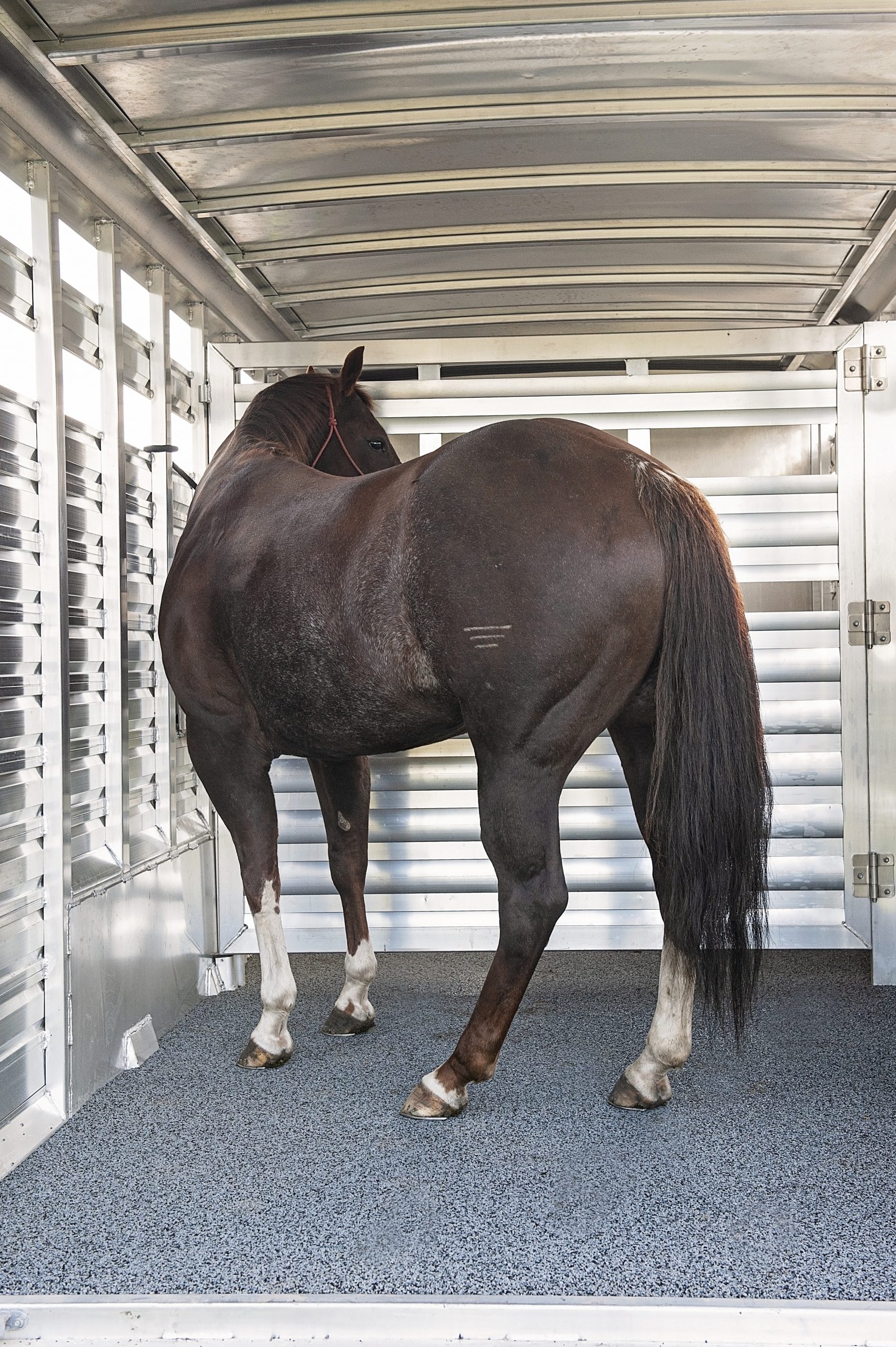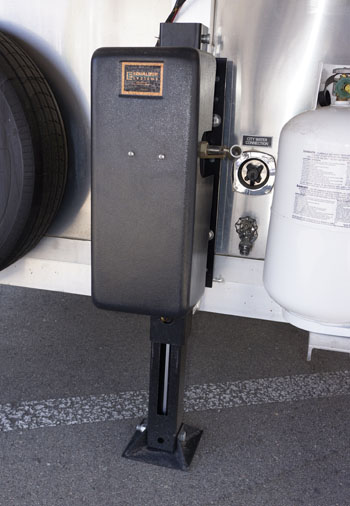


A trailer can look perfectly level in the driveway and still become a handful after an hour of crosswinds, rough pavement, and changing fuel stops. That is why the 2026 towing accessory trends worth watching are not about flashy add-ons. They are about better information, better control, and fewer surprises when a truck, trailer, cargo, and family are all moving down the road.
The useful changes are showing up in familiar categories: tire monitoring, hitch setup, suspension support, cameras, and security. The difference is that more products are being designed to work together and give the driver a clearer picture of what the trailer is doing. That can make towing easier, but only if the accessory matches the truck, trailer, and job.
2026 Towing Accessory Trends: Safety Gets Smarter
The strongest trend is real-time awareness. A driver used to walk around the rig, kick the trailer tires, check the coupler, and hope nothing changed before the next stop. Those checks still matter. But modern monitoring equipment can catch a slow leak, abnormal tire temperature, an open compartment, or a poor camera view before it turns into a roadside problem.
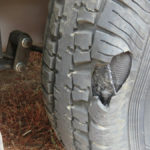
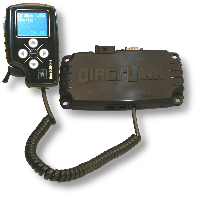
Tire pressure monitoring systems remain near the top of the list, especially for RVs, horse trailers, enclosed trailers, and goosenecks that cover serious miles. The better systems do more than report pressure. They watch temperature, issue clear in-cab alerts, and make it easier to monitor every tire position without guessing which wheel is causing the alarm.
That matters because trailer tires fail differently than truck tires. A trailer can be loaded close to its limits, sit for long periods, scrub tires in tight turns, and travel with a pressure loss that the driver cannot feel through the steering wheel. A monitoring system does not replace proper tire ratings, inflation, age checks, or torque checks. It gives you an earlier warning when one of those things has gone wrong.
Camera systems are advancing for the same reason. Truck owners want more than a backup view when lining up to a ball. Wireless observation cameras are increasingly being used to watch the trailer behind the rig, verify that a horse trailer load is settled, monitor a boat launch, or see around an enclosed trailer when changing lanes. A camera with a poor signal, delayed image, or weak night view is not a safety upgrade. Buy for the distance and trailer construction you actually have, not the best-looking screen in a package.
Integrated displays are useful, but not mandatory
Many newer trucks have excellent factory camera and trailer information systems. If your truck has them, use them. Still, an aftermarket monitor can make sense for older trucks, multi-trailer owners, or anyone who wants a dedicated view instead of cycling through menus on a factory screen.
The trade-off is installation. A wired camera is usually the more dependable choice for a long trailer or a metal-bodied stock trailer, but routing cable takes time. Wireless systems install faster, yet their performance depends on distance, interference, and where the transmitter is mounted. There is no universal winner.
Hitch Setup Is Becoming More Exact
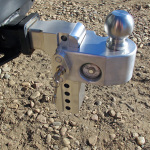
The next major shift is less glamorous and more valuable: owners are paying closer attention to hitch geometry. A weight distribution hitch, sway control system, fifth-wheel hitch, or gooseneck coupler is no longer being treated as a one-size-fits-all purchase. That is overdue.
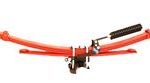
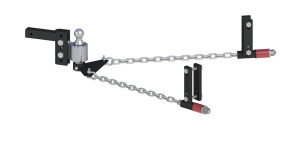
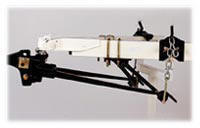
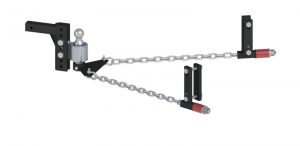
For bumper-pull trailers, weight distribution systems are being selected based on actual loaded tongue weight, not just the trailer’s brochure dry weight. Those are two very different numbers. Add batteries, propane, water, a generator, tools, feed, or a family’s camping gear, and tongue weight can rise fast. An undersized system cannot distribute enough load. An overly stiff setup can make the ride harsh and reduce the suspension’s ability to work properly.
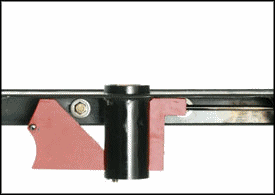
Built-in sway control also continues to earn attention, particularly for travel trailers and longer enclosed trailers. The right system helps the truck and trailer behave as one unit when passed by a semi or hit by a gust. It cannot fix a dangerously rear-heavy trailer, worn suspension, low tire pressure, or excessive speed. Any product promising otherwise deserves a hard look.
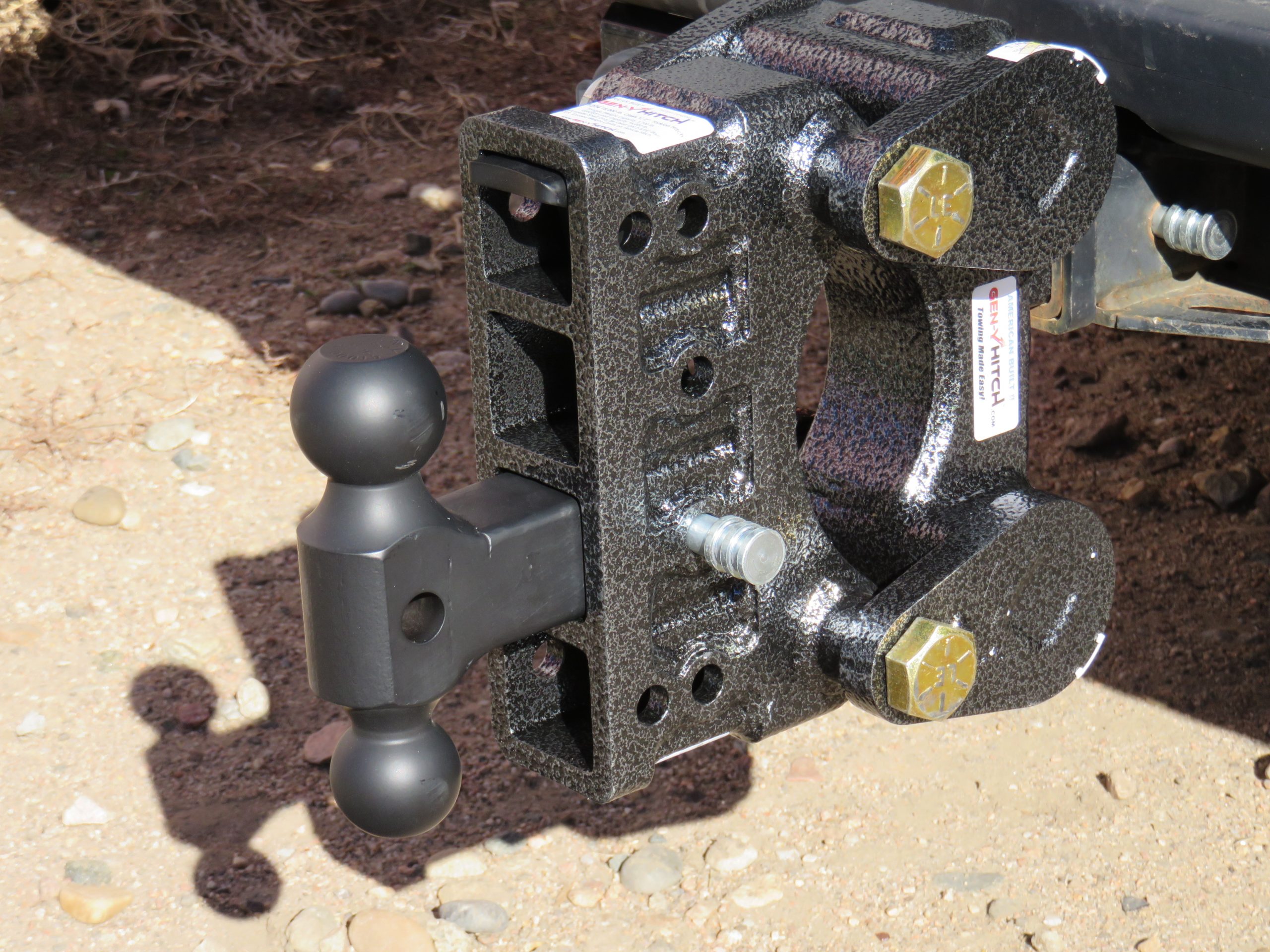
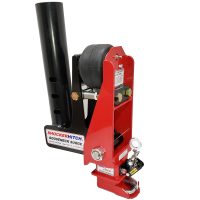
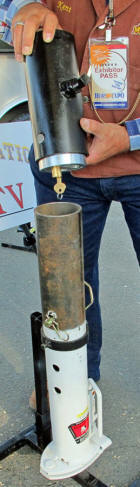
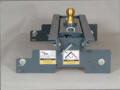
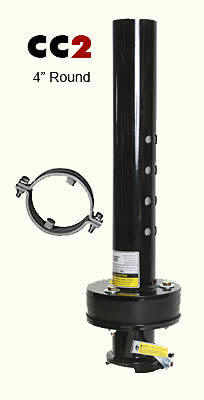
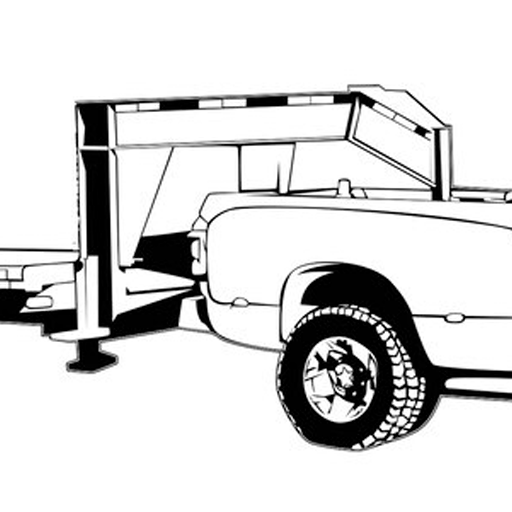
Fifth-wheel and gooseneck owners are also prioritizing clean bed access and better short-bed compatibility. That means more interest in hitch systems that make hookup easier, reduce the need for heavy lifting, and provide the needed turning clearance without making everyday truck use miserable. The right answer depends on trailer nose design, truck bed length, pin box or coupler location, and how often the hitch comes out of the bed.
The accessory has to match the loaded rig
This is where many towing purchases go wrong. Owners buy based on maximum trailer rating alone, then overlook payload, rear axle weight, receiver rating, tire capacity, and the cargo carried in the truck. A hitch accessory is part of a system. It should be chosen after the truck and trailer are weighed in travel-ready condition.
That advice is not exciting, but it is how you avoid spending money twice. A properly matched hitch setup improves steering response, braking stability, headlight aim, and ride quality. It also makes a long day behind the wheel less tiring.
Suspension Support Is Getting More Purpose-Built
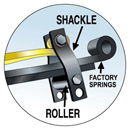
Air springs, helper springs, and upgraded shock absorbers remain popular because modern pickups often do double duty. They commute during the week, haul horses or equipment on weekends, and may pull an RV for weeks at a time. Owners want support under load without turning an unloaded truck into a buckboard.
The better buying approach in 2026 is to identify the actual problem first. If the rear of the truck sags under pin weight or tongue weight, air springs or a properly selected helper spring may help level the truck. If the truck feels floaty, porpoises over bridge joints, or struggles to control a heavy trailer on uneven roads, shocks may be the bigger part of the answer. If the truck is overloaded, no suspension accessory makes that safe or legal.
On-board air systems are becoming more common alongside air springs. They allow adjustment from the cab and make it easier to accommodate different trailers. That convenience has value for owners who switch between an empty utility trailer, a loaded equipment trailer, and a fifth-wheel. For a truck that tows one trailer at a consistent weight, a simpler manual-fill system may be all you need.
Security Is Moving Beyond a Basic Coupler Lock
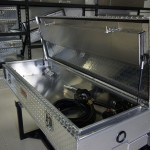
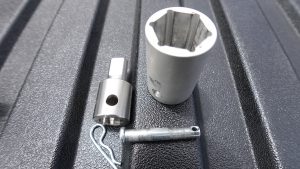
Trailer theft prevention is getting more serious because trailers are valuable, portable, and often stored outside. A basic coupler lock still has a place, but it should be only one layer. Wheel locks, heavy-duty hitch locks, locking storage compartments, GPS tracking, and visible deterrents are increasingly used together.
The practical trend is layered security that creates delay and draws attention. A thief may defeat one lock. Making the trailer difficult to hook up, difficult to roll, and easier to locate changes the equation. Ranch operators, contractors, and horse owners should also think about where the trailer sits after dark. A good lock is stronger when the trailer is parked in a well-lit area with limited access.
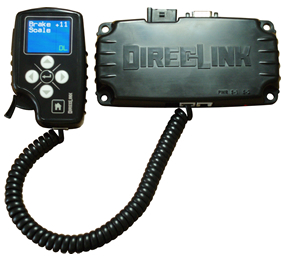
Do not overlook breakaway equipment while thinking about trailer security and safety. A working breakaway switch, properly charged battery, protected cable, and tested trailer brakes are not accessories in the fun sense. They are essential equipment. Replace worn parts before the season starts, not after a parking-lot inspection finds corrosion or a dead battery.
Buy Capability, Not a Gadget Collection
The best 2026 towing accessory trends are practical because they solve repeat problems. A tire monitoring system makes sense when you travel far or run multiple trailer tires. A weight distribution hitch earns its keep when a bumper-pull trailer affects truck handling. Air support is useful when the load changes enough to create sag. Cameras and security equipment pay off when they address a real blind spot or storage risk.
Start with the weak point in your current setup. Maybe it is an uneasy trailer in crosswinds, a truck that squats under load, tires you cannot monitor from the cab, or a trailer parked in an exposed location. Fix that problem with equipment sized for the job, installed correctly, and checked before every trip.
For proven towing equipment and straight answers from people who understand the difference between a catalog claim and a real towing solution, Visit our store.