


If you’re asking what is the most reliable 2026 pickup truck, you’re really asking a better question than most shoppers do. Reliability is not the same as biggest tow rating, flashiest screen, or best lease deal. For truck owners who pull campers, horse trailers, equipment, or hay wagons, reliability means the truck starts every time, handles heat and weight without drama, and does not spend its life waiting on parts or software fixes.
That is why there is no one-size-fits-all answer. The most reliable 2026 pickup truck depends on how hard you work it, how long you plan to keep it, and whether you care more about engine durability, transmission behavior, electrical simplicity, or dealer support. Still, some clear patterns show up when you look at truck design, powertrain history, and what usually holds up best under towing use.
What is the most reliable 2026 pickup truck for most owners?
For most half-ton buyers, the safest reliability bet is usually the Toyota Tundra if Toyota has fully sorted the early issues tied to the current generation’s turbo powertrain and electronics. Toyota has long earned its reputation by building trucks that age well, and that matters more than brochure bragging rights. The question with the 2026 model is whether enough time has passed for the newer platform to prove itself under real mileage and real towing.
If you want a heavy-duty truck, the answer shifts. In the three-quarter-ton and one-ton world, the most reliable choice is often not the truck with the highest numbers, but the one with the fewest weak links in the engine, transmission, emissions system, and front-end components. For many serious haulers, a gas-powered HD truck remains the lower-risk long-term play, even if a diesel delivers better torque and easier mountain towing.
That may disappoint buyers who want a simple ranking, but honest truck advice works better than dealership talk. Reliability is always tied to use case.
The difference between reliable on paper and reliable in the field
A truck can look excellent in first-year reviews and still become a headache at 80,000 miles. That is especially true now, with more turbocharging, more electronic controls, more cameras, more drive modes, and more complexity packed into every trim level. The basic formula has changed. Trucks are more capable than ever, but they are also less forgiving when one sensor, module, or calibration goes sideways.
For towing owners, field reliability matters more than lab reliability. A truck that pulls strong empty and behaves beautifully on a test loop can be a different machine with 10,000 pounds behind it in summer crosswinds. Transmission heat, brake feel, rear suspension control, and cooling system margin all start to matter fast.
That is why proven powertrains still deserve respect. New technology can be excellent, but if your livelihood, vacation, or livestock trip depends on that truck, proven matters.
Half-ton trucks: where the smart money usually goes
In the half-ton class, Toyota, Ford, Chevrolet, GMC, and Ram all offer capable trucks, but not all reliability stories are equal.
The Toyota Tundra gets attention because Toyota has traditionally built for long-haul ownership. Even when the brand is not class-leading in payload or towing, it often wins owners who keep trucks a decade or more. The risk with the current Tundra is not the badge. It is the complexity of a newer twin-turbo setup compared with the simpler V8 era many owners still trust more.
Ford’s F-150 remains one of the most versatile pickups in America, and there are powertrains in that lineup with a good track record. But Ford also gives buyers a huge spread of engine choices, trim levels, and electronics packages, and that cuts both ways. A carefully chosen F-150 can be a dependable truck. A heavily optioned one with a less-proven combination may not be the safest long-term bet.
GM half-tons, meaning the Silverado 1500 and Sierra 1500, often appeal to buyers who want familiar controls, strong V8 options, and wide dealer support. That matters. Parts availability and service competence are part of the reliability equation, especially if you travel with a trailer. Some GM configurations have a better reputation than others, so the best move is to avoid chasing the newest tech package and focus on the most established drivetrain.
Ram has built some very comfortable trucks, and comfort counts on long towing days. But long-term reliability confidence has not always matched the interior quality or ride comfort. For buyers who prize dependability above all else, Ram usually needs a more careful case-by-case look.
Heavy-duty trucks: the real reliability question starts here
Once you step into 2500 and 3500 territory, reliability becomes more expensive and more important. Repairs cost more. Downtime hurts more. And if you tow often, every weak link gets exposed sooner.
For many owners, the most reliable 2026 pickup truck in HD form may be a gas truck, not a diesel. That is not because gas engines tow better. They do not. It is because modern diesel trucks bring added emissions hardware, higher service costs, and more expensive repairs when problems show up. If your trailer is moderate in weight and you do not spend your life in the mountains, a gas HD can be the smarter ownership decision.
GM’s 6.6 gas V8 HD trucks have appealed to buyers who want straightforward power without diesel complexity. Ford’s big gas V8 Super Duty trucks also make sense for owners who want lower long-term risk and strong chassis capability. Ram’s heavy-duty gas options can work too, though many buyers in that camp still lean Cummins for the torque advantage.
If diesel is non-negotiable, then reliability depends heavily on maintenance discipline and driving pattern. Short trips, long idle time, and neglected fuel system care are hard on modern diesels. The owner matters almost as much as the badge.
What usually makes a 2026 truck reliable or unreliable
The truck itself is only part of the story. The most dependable pickups usually share a few traits. They have a powertrain that has been in the market long enough to expose early weak spots. They avoid unnecessary first-year changes. They are not overloaded beyond their ratings. And they get maintained before problems stack up.
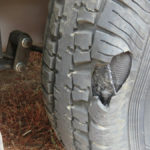
On the flip side, the least reliable trucks are often the ones bought for image, modified without a plan, or selected right at the launch of a major redesign. Bigger wheels, softer passenger tires, and squatty aftermarket setups may look good in a parking lot, but they do towing owners no favors. Neither does ignoring payload because the truck has a high advertised tow rating.
Reliability also drops when buyers mismatch the truck to the trailer. A half-ton pulling at the ragged edge all the time will usually age harder than a properly matched three-quarter-ton doing the same job with margin to spare.
Best reliability picks by type of owner
If you are a weekend RV owner or light utility trailer user, a well-equipped half-ton with a proven engine and conservative axle ratio is usually enough. In that group, Toyota and selected GM or Ford configurations make the most sense, depending on how much weight you pull and how long you keep vehicles.
If you are a horse trailer owner, ranch operator, or frequent long-distance tower, a gas HD deserves real attention. It may not feel glamorous, and it may rev harder on grades, but it often wins on lower repair exposure and simpler ownership.
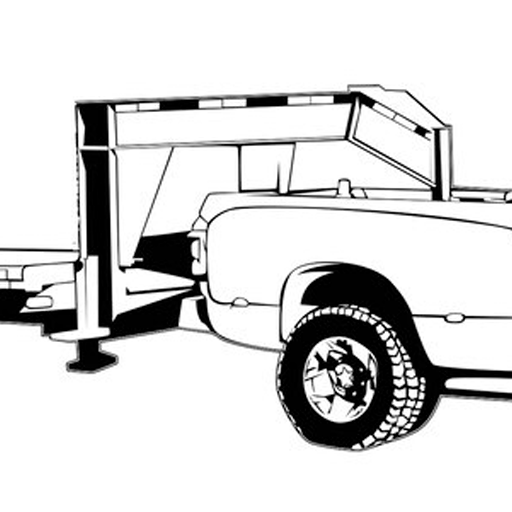
If you tow heavy fifth-wheel or gooseneck loads for years, diesel still earns its keep. But at that point, reliability is not just about brand reputation. It is about strict maintenance, good fuel habits, transmission cooling, suspension setup, and choosing a dealer that understands working trucks.
So which truck would I trust most?
If I had to name one broad answer for the average buyer asking what is the most reliable 2026 pickup truck, I would lean toward a carefully selected Toyota Tundra in the half-ton class and a gas-powered Ford or GM heavy-duty truck in the HD class. That is not the flashy answer. It is the practical one.
The Tundra still needs to prove that the newest generation can match Toyota’s older ironclad reputation over the long haul. Ford and GM HD gas trucks are not always the darlings of internet bragging contests, but they often make a lot of sense for owners who want to work, tow, and keep repair bills in check.
The truck to avoid is usually the one bought on hype alone. Reliability comes from proven hardware, honest load matching, and keeping the setup simple enough to live with after the new-truck smell is gone.
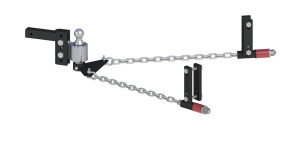
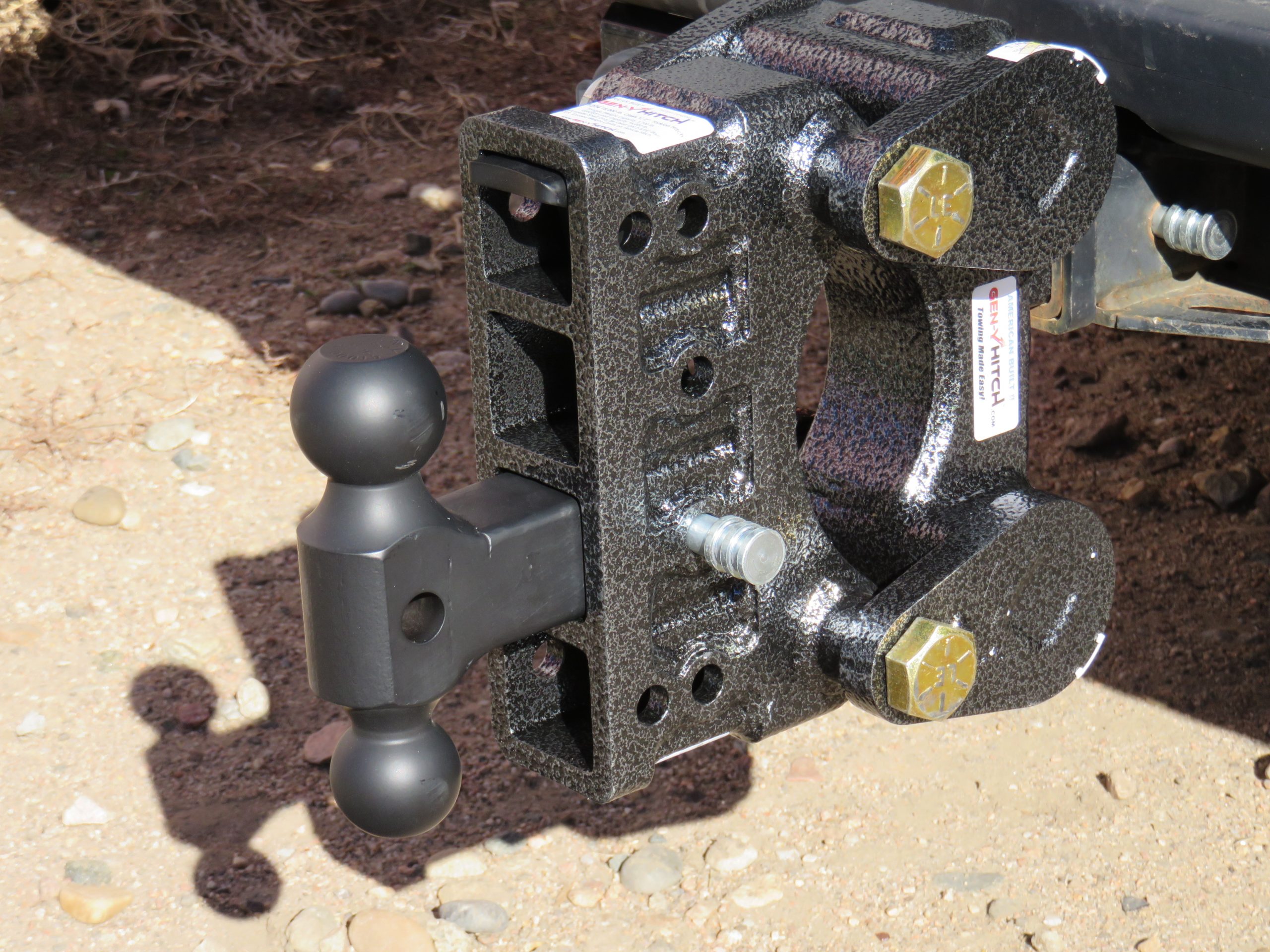
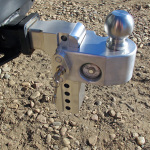
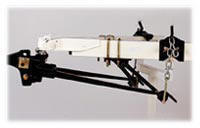
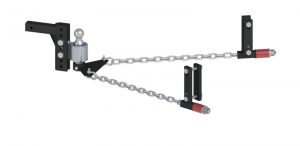
If you tow, do not shop reliability in a vacuum. Look at payload, rear axle ratio, tire capacity, hitch setup, brake feel, and suspension control as one package. The most reliable truck is the one that fits your real trailer, not your wishful thinking.
When you’re ready to set up your truck for safer, more stable towing, get the towing gear, suspension upgrades, trailer security, and hauling accessories that actually work at Store.MrTruck.com.