


Trailer sway usually starts the same way – a gust of wind, a passing semi, a downhill curve, or a trailer loaded just a little wrong. Then the trailer starts steering the truck instead of the other way around. If you want to know how to stop trailer sway, the answer is not one magic part. It is the right combination of trailer loading, hitch setup, tire condition, speed control, and matching the truck to the trailer.
The first thing to understand is that sway is a symptom. The trailer is telling you something in the setup is off. Sometimes it is as simple as not enough tongue weight. Other times it is a half-ton truck pulling a long travel trailer that really needs more wheelbase, more payload, or a better hitch. Good towing manners come from fixing the cause, not just masking the movement.
What causes trailer sway in the first place?
Most sway problems come back to balance and leverage. A trailer that is too light on the tongue will want to wander because there is not enough weight pressing down on the hitch ball. As speed builds, that small wandering motion can turn into a side-to-side cycle that gets worse fast.
Longer trailers are more sensitive to crosswinds and steering inputs. Soft rear suspension on the tow vehicle can add to the problem because the truck squats, the front axle gets lighter, and steering authority drops. Worn shocks, underinflated tires, sloppy hitch setup, and uneven cargo placement all make sway easier to start.
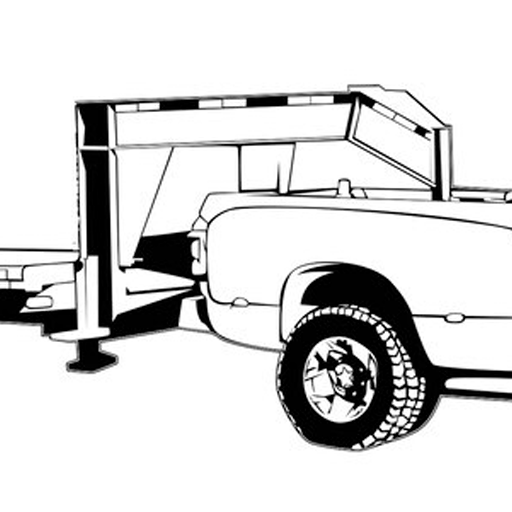
There is also the hard truth a lot of owners do not want to hear. Sometimes the tow vehicle is simply not enough truck for the trailer. You can add sway control and still have a setup that feels nervous because the trailer is too long, too heavy, or too tall for the truck.
How to stop trailer sway before it starts
The best sway control happens before you leave the driveway. Start with trailer loading. For most bumper-pull trailers, tongue weight should be around 10 to 15 percent of the loaded trailer weight. Travel trailers often behave best closer to the heavier end of that range. Too little tongue weight is one of the biggest sway causes we see.
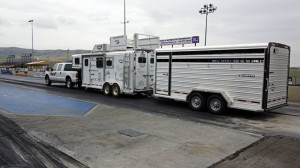
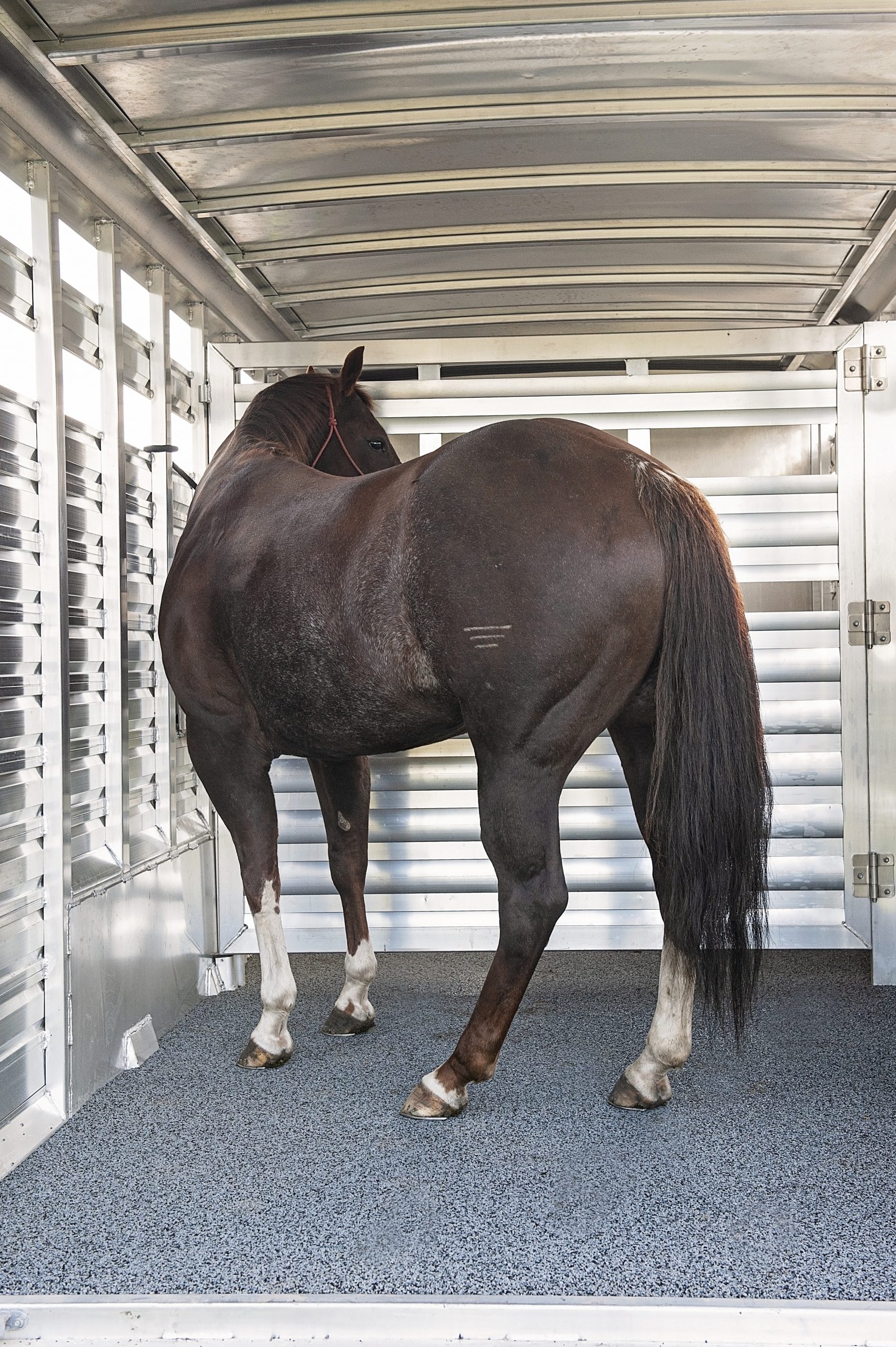
Heavy cargo should be loaded low and close to the trailer axles, with enough forward bias to keep proper tongue weight. Do not stack heavy gear at the very rear of the trailer. That is a classic recipe for sway. Horse trailers bring another variable because live cargo moves. If you haul horses, the trailer and hitch setup matter even more because balance changes during the trip.
Tire pressure is another easy one to miss. Truck tires and trailer tires need to be inflated for the actual load being carried. A soft trailer tire lets the trailer feel loose. A soft rear truck tire lets the truck wallow. Both can start a sway event. Check pressures cold, and do not assume the pressure that felt fine unloaded is right for towing.
The hitch setup matters more than most people think
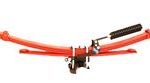
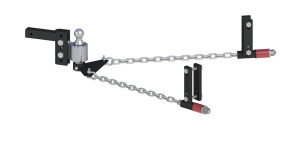
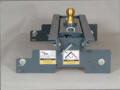
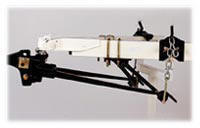
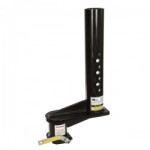
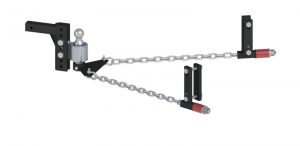
If you are towing a conventional trailer with any real size or frontal area, a weight distribution hitch with built-in sway control is often the right answer. This is especially true for travel trailers, enclosed trailers, and horse trailers. A properly adjusted weight distribution hitch transfers load back to the front axle of the truck and levels the combination. That gives you better steering, braking, and stability.
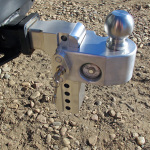
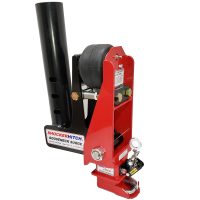
Not all sway control works the same way. Basic friction sway control can help on lighter setups, but it is not the first choice for bigger trailers or tougher conditions. Integrated systems that combine weight distribution with active sway resistance generally do a better job for larger bumper-pull trailers. The exact hitch you need depends on loaded tongue weight, gross trailer weight, trailer length, and how often you tow in wind, mountains, or traffic.
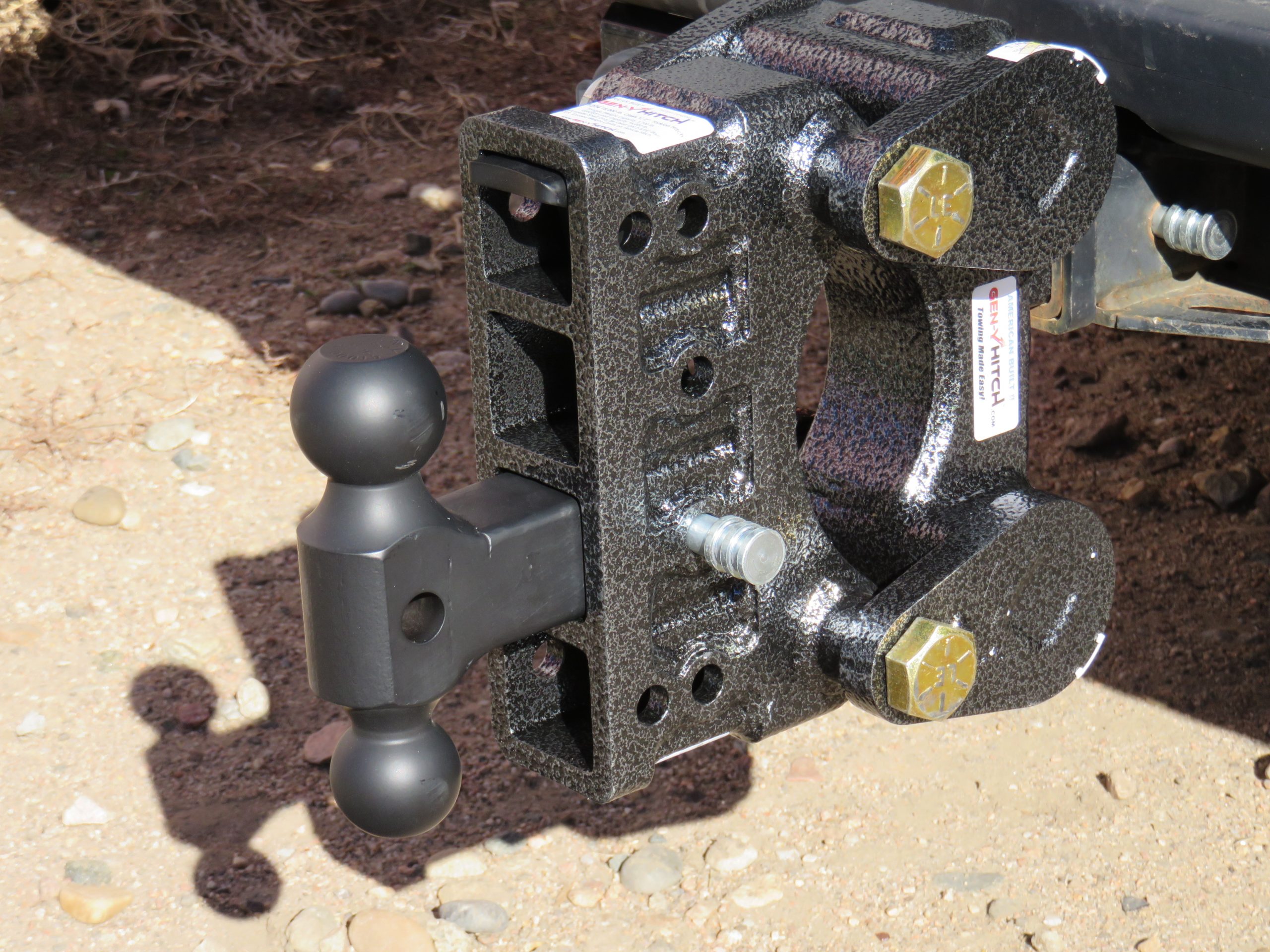
Adjustment is where many owners go wrong. Even a quality hitch will not perform if the head angle, spring bar tension, or ball height is off. A trailer that tows nose-high can be harder to control. A truck with too much squat can feel vague up front. The goal is not just to make it look level in the driveway. The goal is to restore control to the tow vehicle.
How to stop trailer sway when it happens on the road
If the trailer starts to sway, stay off the truck brakes at first. Hitting the truck brakes hard can make the swing worse because the trailer keeps pushing. Hold the steering wheel straight, ease off the accelerator, and let the rig slow down. If you have a properly adjusted brake controller, manually applying the trailer brakes can help pull the trailer back in line.
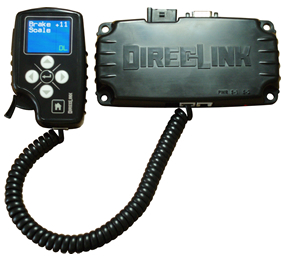
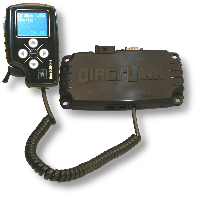
This is where a good brake controller earns its keep. A delayed or poorly adjusted controller may not give enough trailer braking when you need it. A proportional controller is usually the better choice because it applies trailer braking in line with how the truck is slowing. On a bad sway event, that can make a real difference.
Once you are safely stopped, do not just keep driving and hope for the best. Check the load, hitch, tire pressures, and trailer attitude. If sway started at 70 mph, the immediate fix may be as simple as slowing down and staying there. Many trailers that feel acceptable at 60 become unstable at 70.
Speed is a bigger factor than people admit
A lot of sway complaints are really speed complaints. Aerodynamic forces build quickly with speed, and so does the energy in any side-to-side motion. That means a marginal towing setup can feel manageable at one speed and dangerous just 5 to 10 mph faster.
If your trailer has ever wagged the truck on the highway, back your cruising speed down. That is not a glamorous answer, but it is an honest one. Towing safely is not about keeping up with the fastest traffic. It is about keeping the trailer settled and predictable.
Truck setup can help, but it will not fix a bad match
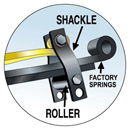
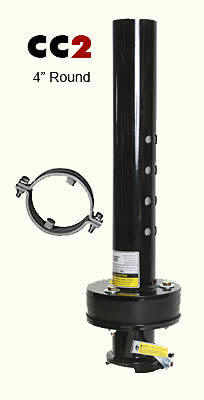
Rear suspension support products can help reduce sag and improve control, especially when a truck is near the upper end of its tongue weight or payload load. Better shocks can also tighten up a truck that feels loose or floaty while towing. Those upgrades can improve confidence, but they should support a sound towing combination, not excuse an overloaded or undersized tow vehicle.
Wheelbase matters too. A longer wheelbase truck generally handles trailer movement better than a short one. That is one reason some trailers feel fine behind a three-quarter-ton long bed and unsettled behind a lighter short-wheelbase pickup, even if both are technically within tow rating. Ratings matter, but real-world stability matters just as much.
Common mistakes that keep sway coming back
One of the most common mistakes is chasing the wrong fix. Owners buy a sway bar when the real problem is only 7 percent tongue weight. Or they blame the trailer when the truck has worn rear shocks and soft P-metric tires. Another mistake is setting up the hitch empty and never checking it again once the trailer is loaded for a trip.
We also see problems from overloaded rear cargo areas, especially on campers and cargo trailers. Moving weight behind the axles makes the trailer act like a pendulum. Even if the total trailer weight is within limits, the balance can still be wrong.
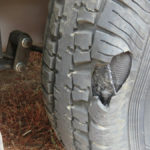
Then there is simple maintenance. Loose suspension parts, uneven trailer brakes, and aging tires all chip away at stability. Trailer tires age out before they wear out on a lot of rigs. If the sidewalls are old, cracked, or weak, the trailer will not track as well as it should.
When you need a better sway control solution
If you have already set tongue weight correctly, leveled the trailer, adjusted tire pressures, and slowed down, but the trailer still feels nervous, it is time to look harder at the hitch and the truck-trailer match. A quality weight distribution hitch with stronger sway control is often the next step for bumper-pull towing. For some owners, the honest answer is moving to a heavier truck or a different trailer.
That may not be the cheapest fix, but it is better than white-knuckle towing. A stable trailer lets you relax, steer accurately, and handle wind and traffic without drama. That is what you want whether you are hauling an RV across state lines, pulling horses to an event, or towing a loaded equipment trailer back from a job.
The safest setup is the one that feels calm before the problem starts. If you need proven towing parts, sway control, brake controllers, suspension help, or expert guidance on matching the right equipment to your rig, visit Store.MrTruck.com.