


A lot of drivers think a fifth-wheel setup is automatically stable just because the hitch sits over the rear axle. That helps, but it does not make every combination safe by default. A real fifth wheel towing stability example shows how truck setup, pin weight, suspension, tires, speed, and loading all work together. Get one of those wrong, and even a good truck and trailer can feel loose in crosswinds, rough pavement, or emergency lane changes.
The useful part is this – stability problems usually leave clues before they become a serious event. You may feel a light front end, a hobby-horse bounce, tail wag over bridge joints, or a trailer that nudges the truck during braking. Experienced haulers learn to read those signs early. That is how you fix the combination instead of just white-knuckling the trip.
A fifth wheel towing stability example in the real world
Take a three-quarter-ton diesel pickup with a short bed towing a mid-size fifth-wheel RV. On paper, the owner believes he is in great shape because the truck has plenty of power and a factory tow package. The trailer weighs 12,500 pounds loaded for travel, with a pin weight around 2,200 pounds. The truck has aftermarket all-terrain tires in a softer load range than ideal, a little squat in the rear, and several hundred pounds of cargo packed behind the trailer axles.
At 55 mph on smooth pavement, the rig feels fine. At 68 mph in a crosswind or when a semi passes, it starts to feel busy. The steering needs constant correction. Over dips, the rear of the truck compresses and rebounds more than it should, and the trailer gives the truck a gentle shove. Nothing has gone fully out of control, but the combination is clearly not settled.
That is a classic stability example because the problem is not one dramatic failure. It is a stack of smaller issues. The speed is a little high for conditions, the pin weight is on the light side for that trailer, the rear suspension is allowing too much movement, and the tires are not helping with firmness or control. Fixing one item helps. Fixing all of them changes the whole towing experience.
Why one rig feels planted and another does not
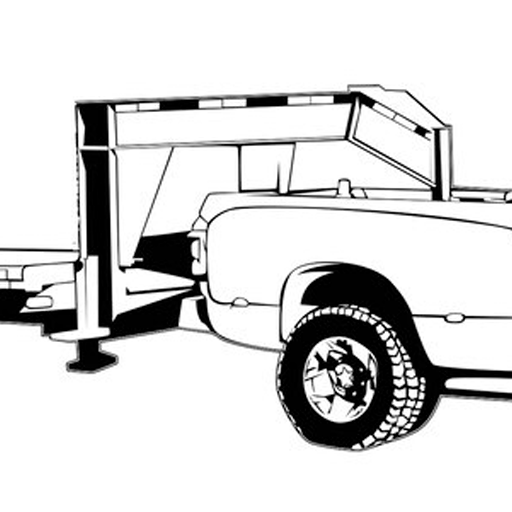
Fifth-wheel trailers usually tow more steadily than bumper-pull trailers because the hitch point is in the bed, near or over the axle. That reduces leverage against the truck. But stable towing still depends on balanced loading and a truck that can properly carry the pin weight.
Pin weight matters more than many owners realize. If the trailer is loaded tail-heavy, the pin gets lighter, and the trailer can feel more active behind the truck. You may not call it sway the same way you would with a travel trailer, but you will feel reduced directional control and more movement in wind or pavement transitions. A fifth wheel likes adequate pin weight. Too little can make the whole setup feel nervous.
Truck suspension also plays a bigger role than people expect. If the rear sags too much, the front axle can unload enough to hurt steering feel and braking confidence. That does not mean every truck needs stiffer springs or every owner should throw parts at it. It means the truck should sit level enough to keep weight distributed correctly and suspension travel under control.
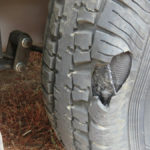
Then there are tires. Soft sidewalls, marginal load capacity, or improper inflation can make a heavy trailer feel less precise. A lot of towing complaints get blamed on the hitch when the real issue is tire deflection. Stable towing starts where the truck meets the road.
What this example tells you to check first
The first place to look is actual weight, not brochure weight. Too many owners judge a combination by what the trailer supposedly weighs empty. That tells you almost nothing once water, propane, batteries, tools, food, and cargo are onboard. Scale the truck and trailer. Find the loaded trailer weight, axle weights, and pin weight. Then compare those numbers to the truck’s payload, rear axle rating, tire capacity, and hitch rating.
If the pin weight is lower than expected, look at how the trailer is packed. Heavy gear behind the trailer axles can reduce stability. Moving cargo forward often improves the planted feel more than people expect. It is one of the cheapest fixes available.
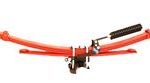
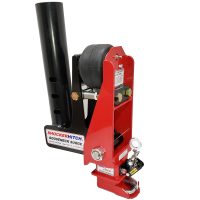
Next, look at truck attitude. If the rear is sitting low enough to change headlight aim and lighten the steering, that is not just cosmetic. It can affect control. Suspension support products can help when matched to the problem. The key is not simply lifting the rear. The key is controlling load while maintaining proper suspension behavior.
Shock absorbers are another overlooked item. A heavy fifth-wheel exposes weak shocks quickly. If the truck porpoises over dips or takes too long to settle after a bump, better dampers may do more for stability than adding random spring rate.
The hitch itself still matters
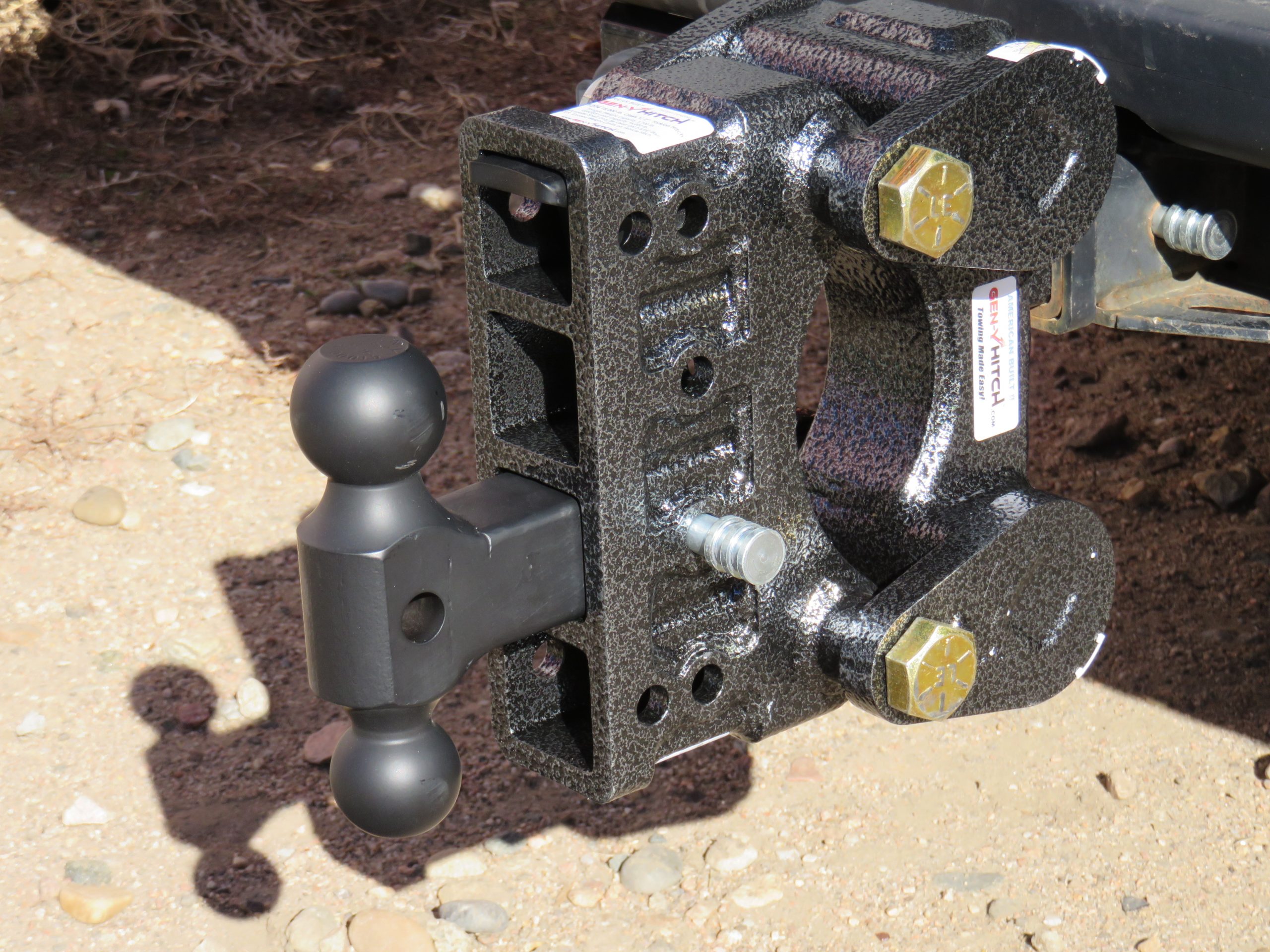
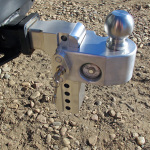
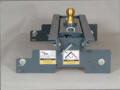
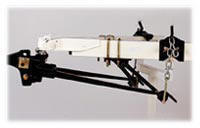
A quality hitch with tight tolerances and the right rating helps keep the trailer tracking predictably. Excess play, poor mounting, or a hitch that is not properly matched to the truck bed and trailer overhang can add movement you feel in the seat. Short-bed trucks need extra attention to turning clearance and hitch placement. A sliding hitch may solve maneuvering issues, but it does not replace correct loading or suspension support.
Jaw design and hitch head movement also affect feel. Some hitches are simply quieter and more controlled than others. That does not mean hitch upgrades cure every handling problem. It means the hitch should not be the weak link in an already heavy system.
Speed, wind, and driver input change the equation
A stable rig at 58 mph may become a tiring rig at 70 mph. That is not a mystery. Aerodynamic force builds fast with speed, and a large fifth-wheel presents a lot of side area. Crosswinds, passing trucks, downhill curves, and rough concrete all test stability differently.
Driver input matters too. Small, smooth corrections keep the combination settled. Overcorrecting can start a chain of motion that feels worse than the original disturbance. If you are constantly sawing at the wheel, something in the setup deserves attention. Good towing should feel controlled, not like a wrestling match.
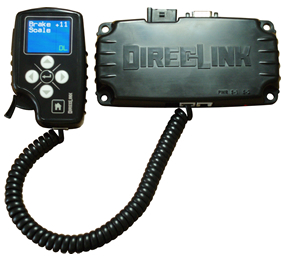
Braking behavior gives clues as well. If the trailer feels like it is pushing the truck, check brake controller settings, trailer brake condition, and load balance. A properly set controller helps the trailer work with the truck instead of against it.
Practical fixes that usually pay off
In this fifth wheel towing stability example, the owner makes four changes. First, he moves heavy cargo forward of the trailer axles and confirms a healthier pin weight on the scale. Second, he upgrades to tires better suited to the load and keeps them inflated correctly for towing. Third, he adds a properly chosen suspension support system to reduce squat without creating a harsh, bouncy ride. Fourth, he backs off cruising speed by a few mph in wind.
Now the same rig feels calmer, especially on expansion joints and when passed by semis. The steering no longer feels light. The rear suspension settles faster after dips. The trailer is still there, as any heavy trailer will be, but it no longer feels like it is steering the truck.
That is the right goal. You are not trying to make 12,000 pounds disappear. You are trying to make the truck and trailer behave as one controlled unit.
A fifth wheel towing stability example is not one-size-fits-all
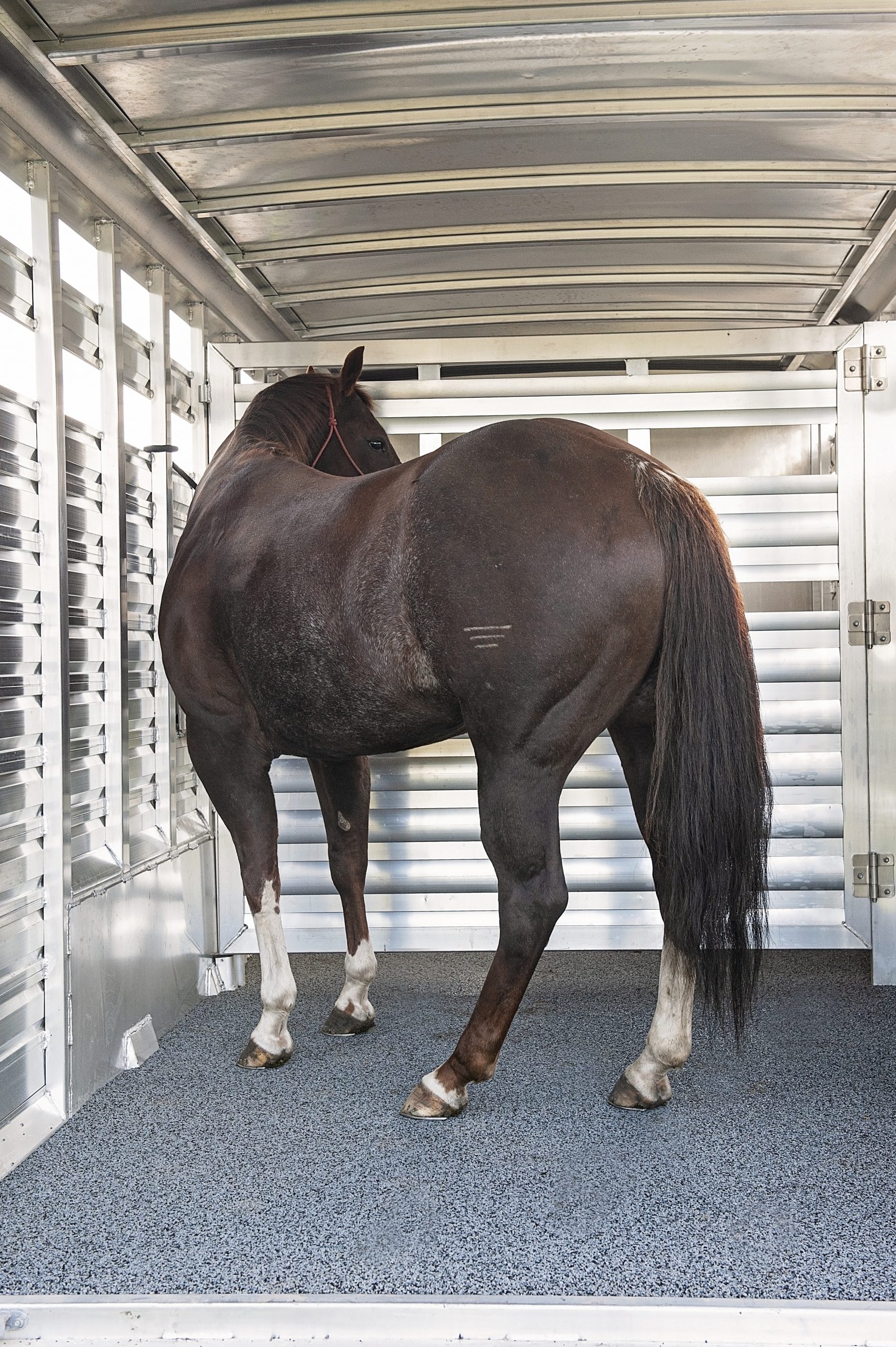
The exact fix depends on the combination. A one-ton dually hauling a large luxury fifth-wheel has different needs than a single-rear-wheel truck towing a compact camper. Horse trailers add another variable because live cargo moves. Ranch and farm operators may have toolboxes, fuel tanks, or bed cargo that change axle loading. That is why blanket advice can miss the mark.
What does carry across every setup is the order of operations. Start with weight. Then check tires, suspension condition, hitch quality, and brake setup. After that, look at add-ons. Accessories can improve an already sound setup, but they should not be used to cover up overloaded axles or poor cargo placement.
The best towing upgrades are the ones that solve a measured problem. If your rear end squats, support it correctly. If your tires are too soft, replace them with the right capacity and construction. If your shocks are fading, install better ones. If your weights are wrong, no accessory will fix physics.
A steady fifth-wheel rig is built, not assumed. If your truck and trailer feel unsettled, treat that as useful feedback and correct it before your next long haul. For proven towing parts and real-world advice, visit https://Store.MrTruck.com and get the equipment that helps your rig tow the way it should.