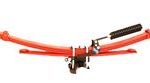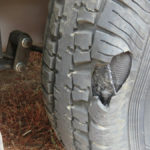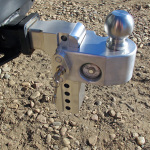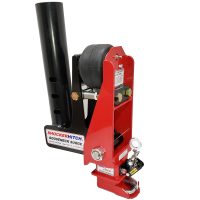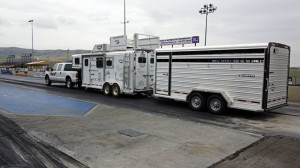



A half-ton pickup came in with a complaint we hear all the time: “It tows fine, but the rear drops too much.” That sounds minor until you see the setup in person. In this truck squat towing case study, the owner was pulling a travel trailer that put enough tongue weight on the hitch to push the rear bumper down, lighten the front axle, and change how the whole rig behaved on the road.
This wasn’t a show-truck problem. It was a real towing problem. The owner had already tried to live with it for a season, and the results were exactly what you’d expect – vague steering, more headlight glare at night, a harsher reaction to bumps, and a constant feeling that the truck was working harder than it should.
What the truck was doing wrong
The truck was a properly maintained half-ton with a factory tow package, towing a bumper-pull RV loaded for a family trip. Payload was the first pressure point. On paper, the tow rating looked acceptable. In the driveway, the rear suspension told a different story.
That gap between brochure numbers and real-world loading is where many owners get caught. A trailer can be “within rating” and still create enough rear sag to hurt control. Tongue weight, passengers, fuel, bed cargo, and hitch hardware all stack onto payload. Once the rear starts to settle too far, the front axle can lose enough weight to affect steering and braking feel.
The owner measured about 3 inches of rear drop once the trailer was coupled. That number alone doesn’t tell the whole story, but it was enough to confirm the suspension was being overworked. More important, the front came up noticeably. That changed the truck’s stance and shifted confidence in the wrong direction.
Truck squat towing case study: what we checked first
Before talking parts, we checked the basics. That matters because squat is not always fixed by bolting on the first helper spring or air bag kit you find.
First was actual trailer loading. The trailer had too much gear stored forward of the axles, which increased tongue weight. Second was hitch setup. The weight distribution hitch was installed, but it wasn’t adjusted aggressively enough to return front axle weight where it belonged. Third was tire pressure. The truck’s rear tires were not aired properly for the load, which let the rear feel even softer.
This is where experience matters. A lot of squat complaints are really a combination problem. The trailer may be nose-high, the bars may be under-tensioned, and the truck may still need suspension help after the hitch is dialed in. If you skip the diagnosis and jump straight to a product, you can spend money and still have a poor towing setup.
Why squat is more than a cosmetic issue
Some owners look at rear sag and say, “It’s just how trucks sit when they work.” That’s partly true. A loaded truck will settle. The issue is how much, and what that sag does to the rest of the combination.
When the rear drops too far, the front axle unloads. Steering can feel light, especially in crosswinds or when passing semis. Braking balance changes. Headlights point higher. Suspension travel in the rear gets used up sooner, so expansion joints and dips hit harder. If the trailer is already prone to sway, squat can make that worse because the truck is no longer holding a level, settled posture.
In this case, the owner described the rig as “busy” on the highway. That’s a good word for it. It wasn’t out of control, but it was always asking for attention. A proper tow setup should feel planted, not fidgety.
The first fix was not a suspension product
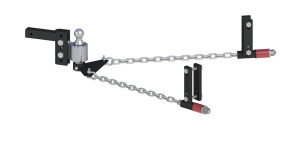
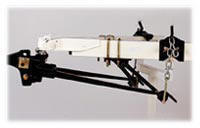
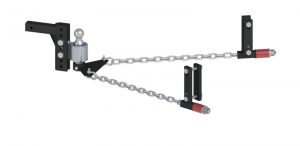
The first correction was hitch adjustment. We set the weight distribution hitch to transfer more load back to the front axle and level the truck-trailer combination better. That improved the stance right away.
It also proved an important point. Weight distribution hitches are not there just to make the truck look level. Their job is to restore front axle loading and improve control. If you tow a travel trailer or other bumper-pull with meaningful tongue weight, this is usually the first place to start.
After adjustment, rear squat improved, but it did not disappear. The truck still settled more than we liked once the family, gear, and full hitch weight were in place. That told us the hitch was necessary, but not sufficient.
Adding suspension support the right way
For this truck, the right next step was rear suspension support. There are a few ways to do that, and the choice depends on how the truck is used.
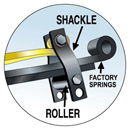
If the truck tows often and carries varying loads, air springs make sense because they are adjustable. You can run more pressure when towing and back them off when unloaded. If the owner wants something simpler with less tuning, a rubber spring or overload-style helper can be a solid answer. Each has trade-offs. Air bags offer flexibility, but they need proper setup and occasional maintenance. Rubber or jounce-style systems are simpler, but they are less adjustable and may change unloaded ride quality depending on design.
In this case, the owner wanted better support without turning the truck into a dedicated tow-only rig. An adjustable air spring setup fit the job. We installed it conservatively, because suspension support should complement a properly adjusted weight distribution hitch, not replace it.
That point is worth stressing. Air bags are not a cure for too much trailer, too much tongue weight, or poor hitch setup. They help hold the truck up. They do not move enough load back onto the front axle by themselves. That’s why using air bags without correcting hitch adjustment can actually preserve the squat problem in a different form – level appearance with poor front axle loading.
What changed after the install
Once the air springs were installed and pressure was set for the loaded trailer, the truck sat much better. Rear drop was reduced to a more controlled amount, and the truck stayed level enough for the weight distribution hitch to do its job properly.
The road test told the real story. Steering felt more planted. The truck recovered from bridge joints and dips without the rear suspension blowing through its travel. Porpoising was reduced. Headlight aim stayed reasonable. The owner noticed the difference right away, especially at highway speed.
Did it turn the half-ton into a three-quarter-ton? No. That’s where people get unrealistic. Suspension upgrades can improve support and control, but they do not change axle ratings, payload ratings, brakes, frame strength, or the overall limits of the truck. They make a properly matched setup work better. They do not make an overloaded setup safe.
What this case study gets right about towing advice
The big lesson from this truck squat towing case study is that squat is usually a system problem, not a single-part problem. You have to look at tongue weight, trailer balance, hitch adjustment, tire pressure, and suspension capacity together.
Owners often focus on the rear fender gap because that’s what they can see. The more important question is what the axles are doing. If the rear sags and the front gets light, your truck is telling you it needs a better load strategy. Sometimes that means redistributing cargo. Sometimes it means upgrading the hitch setup. Sometimes it means adding suspension support. Sometimes it means the truck is simply undersized for the trailer as loaded.
That last point is not popular, but it’s real. There are cases where no aftermarket product should be the main answer. If the truck is beyond its payload once passengers, gear, and hitch weight are added, the honest fix may be moving to a heavier-duty truck.
When a suspension upgrade makes sense
A suspension upgrade is worth considering when the truck is otherwise matched correctly to the trailer, the hitch is adjusted properly, and you still have enough rear sag to affect ride and control. It also helps when the truck sees changing loads and you want to tune support for different trips.
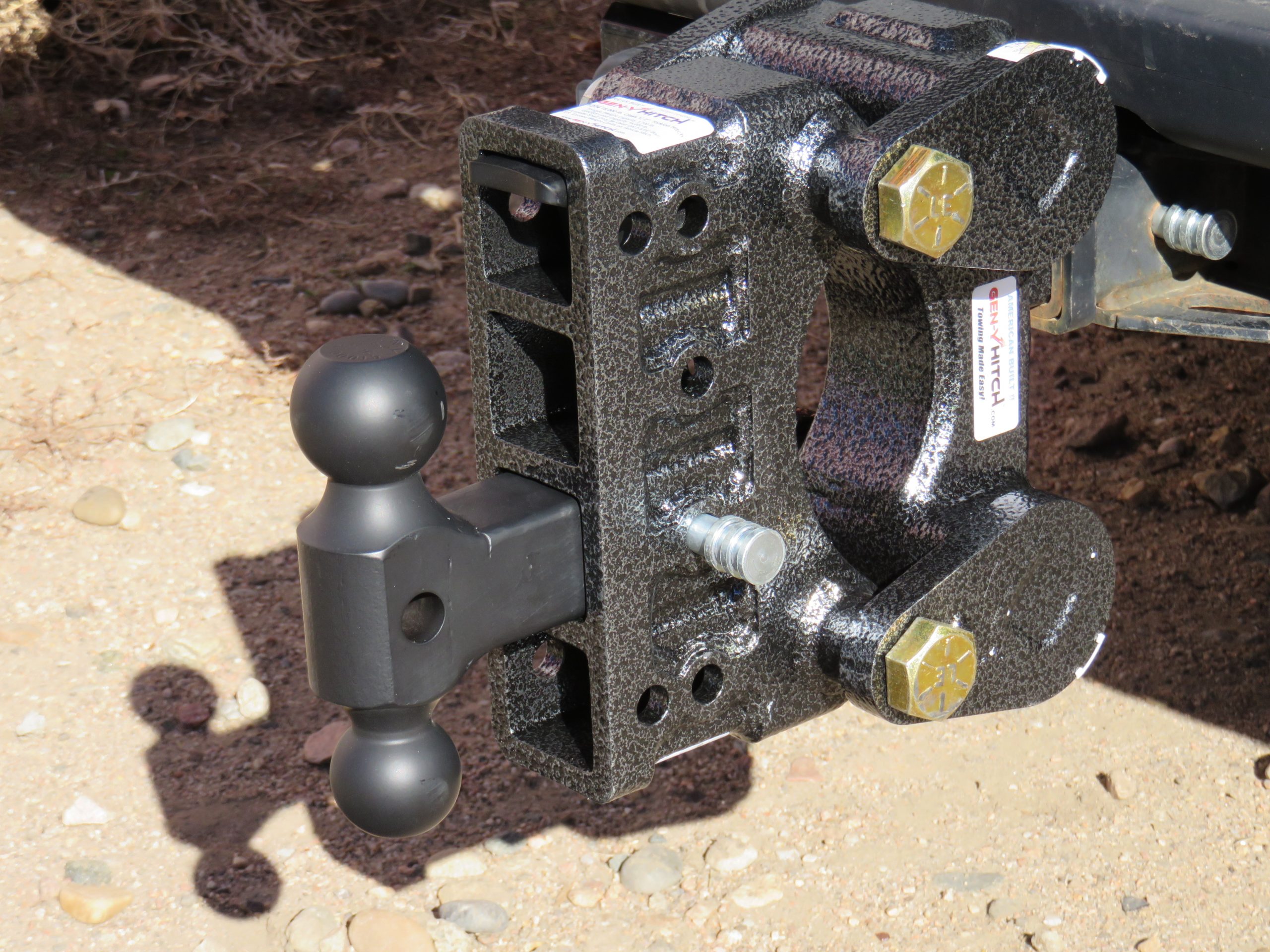
If you only tow a few times a year, a basic helper system may be enough. If you tow a travel trailer, horse trailer, or equipment trailer regularly and your load changes from trip to trip, adjustability becomes more valuable. That’s why there is no one-size-fits-all answer. The right setup depends on the truck, the trailer, and how you actually use both. https://mrtrailer.com/genysale.htm
A good tow rig should sit with authority, steer with confidence, and stay settled over rough pavement. If your truck squats enough to make you question the setup, pay attention to that feeling. It’s usually the first warning before the rest of the towing manners start slipping. https://mrtrailer.com/springs.htm
For proven towing parts and suspension solutions that are selected for real-world hauling, visit our store at https://Store.MrTruck.com.
The best towing setup is rarely the flashiest one. It’s the one that keeps the truck level enough, the front axle loaded enough, and the driver relaxed enough to enjoy the trip instead of fighting the rig all day.