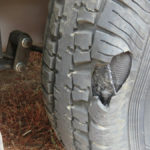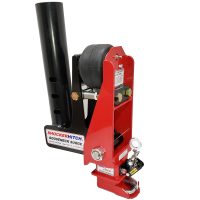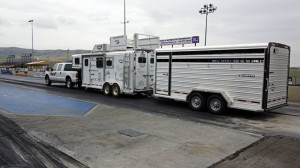



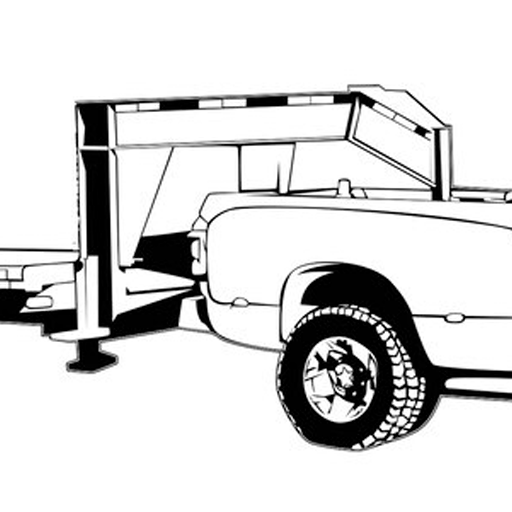
Hook up a clean fifth wheel or horse trailer behind your pickup, drive a few hundred miles, and then look at the front cap. The chips, road grime, and peppered finish usually tell the same story – rock tamers mudflaps protect your trailer from your truck because your rear tires are the first thing throwing debris straight at what you’re towing.
That problem gets worse with today’s taller pickups, wider tires, aggressive tread, and gravel shoulders that seem to show up everywhere from ranch roads to campgrounds. A truck can be perfectly set up for towing and still sandblast the front of a trailer if you leave the gap behind the rear tires wide open. This is where full-width mudflap systems earn their keep.
Why your truck throws so much at the trailer
A lot of owners assume trailer damage comes mostly from the trailer tires. That happens too, but the truck is often the bigger culprit, especially on the front wall of the trailer. As the rear tires rotate, they pick up rocks, mud, water, and road salt and sling it backward at speed. If you tow a high-dollar RV, enclosed cargo trailer, or horse trailer with a polished front, you see the evidence fast.
Factory splash guards usually are not enough. They protect the truck body reasonably well, but they do little to block the full path of debris headed toward the trailer. Once you add larger tires, aftermarket wheels, or even a dually stance, the amount of exposed area grows. That means more spray, more chips, and more wear on the trailer nose, lower front corners, propane cover, battery box, and front window area.
How Rock Tamers mudflaps protect your trailer from your truck
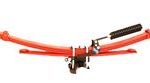
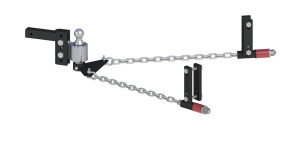
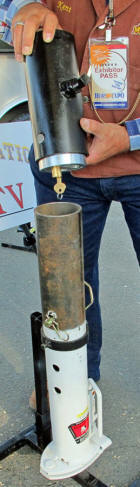
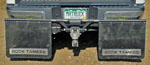
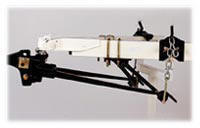
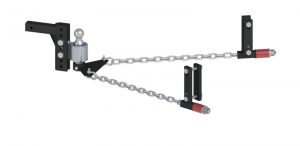
Rock Tamers are built around a simple idea that works in real towing conditions. Instead of relying on small wheel-well flaps, they mount to the hitch and span much more of the truck’s rear width. That broader barrier intercepts debris before it gets a clean shot at the trailer.
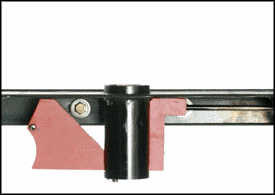
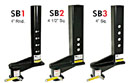
The design matters. The adjustable hub and telescoping arms let the system fit different truck widths, which is important if you tow with a single rear wheel pickup, a dually, or a truck with oversized tires. The heavy rubber flaps hang low enough to catch the junk coming off the tires, but they are also built to handle regular towing use instead of acting like a flimsy accessory.
In plain terms, they reduce the amount of rock strike and road spray reaching the trailer. They also help keep the trailer cleaner in wet weather. If you tow on gravel, chip-seal, construction zones, or rural roads, the difference is usually obvious.
The real benefit is not just appearance
Most people first think about paint chips. Fair enough – trailer nose damage is expensive and frustrating. But the bigger value is long-term preservation. Road debris can pit aluminum, haze lower front panels, damage protective films, and beat up lights, trim, wiring covers, and front-mounted accessories.
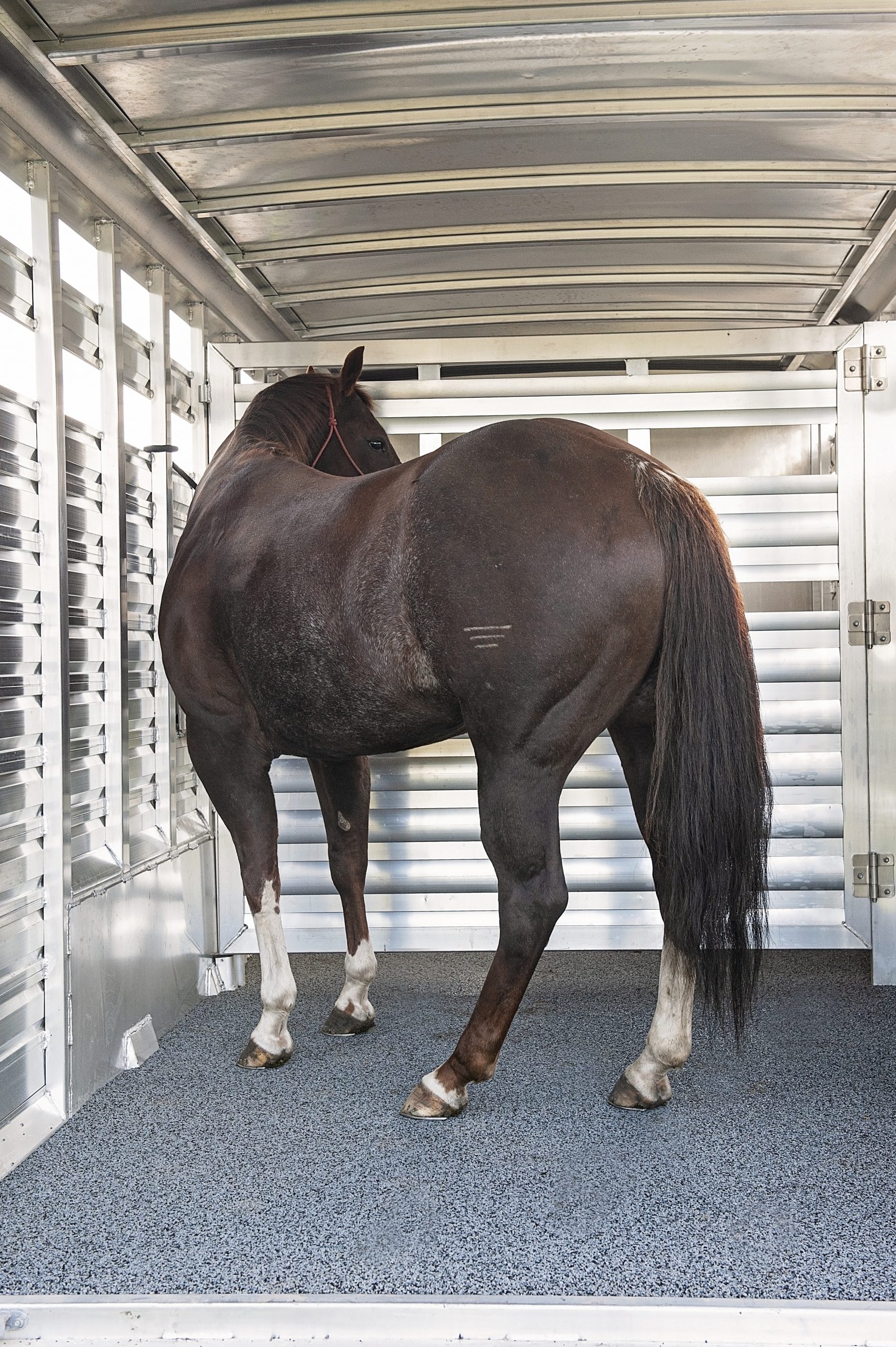
On horse trailers and livestock trailers, road spray and grime can also make a mess of the front section in a hurry. On RVs, repeated chip damage can turn into a cosmetic repair bill that makes the price of mudflaps look minor. If you tow often, prevention is cheaper than refinishing.
Where Rock Tamers work best
Rock Tamers make the most sense for owners who tow regularly and care about the condition of both truck and trailer. That includes fifth-wheel RV owners, travel trailer users, horse trailer haulers, and anyone pulling an enclosed trailer behind a full-size pickup.
They are especially useful if your truck sits high, runs wider tires, or sees mixed pavement and gravel. The farther debris can travel in open air between the truck and trailer, the more opportunity it has to build speed and impact the trailer front. A full-width flap system helps cut that off.
If you only tow a small utility trailer once or twice a year on smooth pavement, they may be more protection than you need. But for serious towing, especially with expensive trailers, they are one of those upgrades that makes sense every trip.
Installation and fitment matter more than people think
A mudflap system is only effective if it is set up correctly. Too high, and more debris sneaks underneath. Too low, and ground clearance becomes a problem on driveways, dips, or uneven campsites. Too narrow, and you leave the tire path exposed.
Rock Tamers have a reputation for adjustability, and that is a real advantage. Trucks vary a lot in hitch height, tire size, suspension setup, and rear width. A system that can be tuned to the truck is far better than a one-size-fits-all flap that only works well on paper.
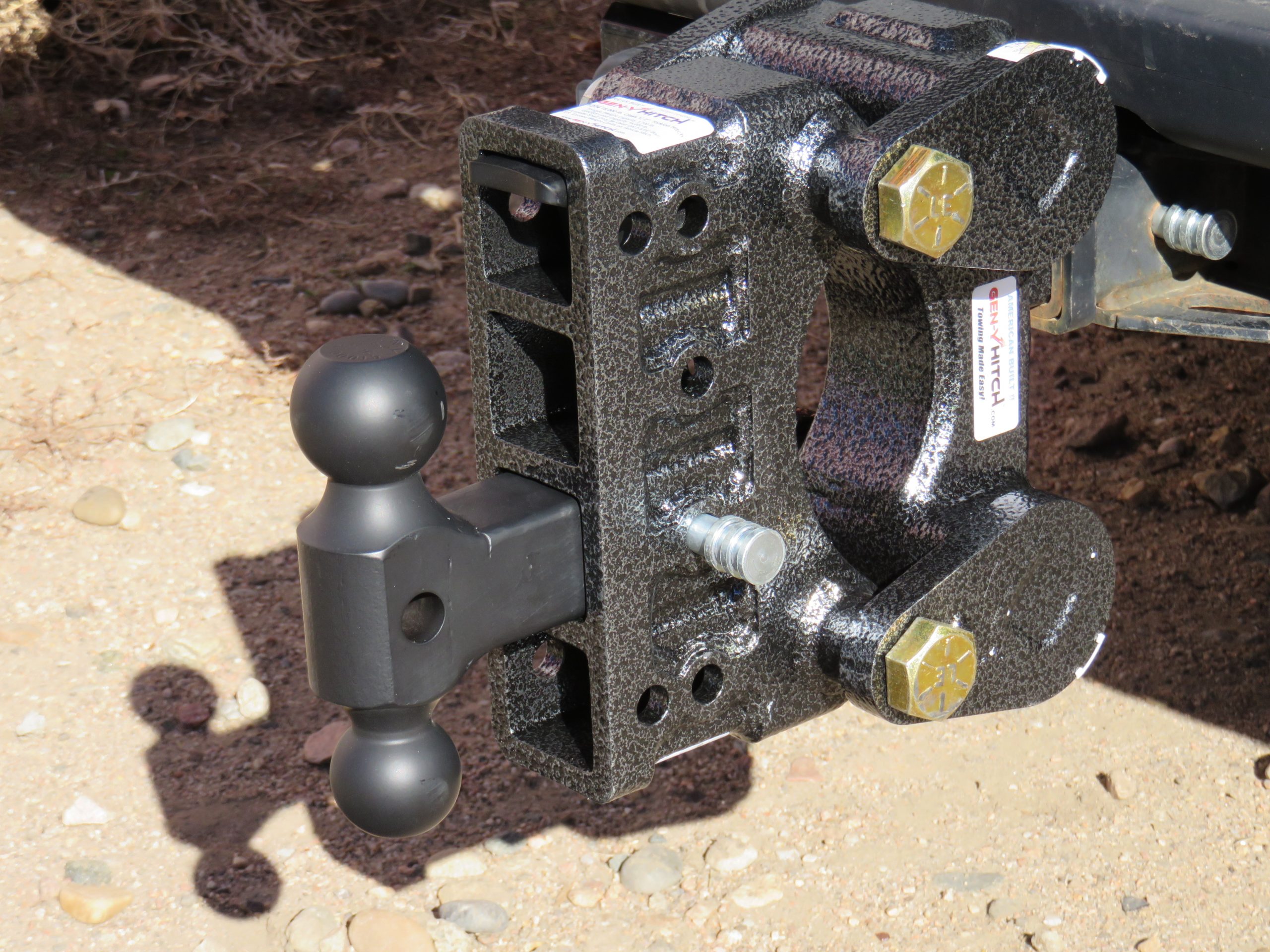
You do need to think about how you use your hitch. Since this type of system mounts at the receiver, fit can depend on your ball mount, drop, extension, or other towing hardware. For many owners that is no issue, but it is worth checking before you buy. If you switch between multiple trailers or hitch setups, make sure the mudflap position still makes sense with each one.
Clearance is a trade-off
Like many towing accessories, there is no magic setting that is perfect for every road. Lower flaps usually mean better protection. Higher flaps usually mean fewer clearance concerns. The right setup depends on your truck height, where you tow, and how rough the entrances are where you fuel, park, or launch.
That is why experience matters more than catalog claims. A good mudflap system should be adjusted for your actual truck and your actual towing conditions, not just installed and forgotten.
Are Rock Tamers worth it?
For the right owner, yes. If your trailer is worth protecting, and you tow enough to expose it to regular debris, Rock Tamers are a practical upgrade. They are not just cosmetic, and they are not a gimmick for show trucks. They solve a real towing problem.
They also look more substantial than cheap universal flaps, which fits the kind of heavy-duty towing many pickup owners do. That said, they are not the cheapest option on the market, and some owners may not like the extra hardware hanging off the hitch area. If price is your only priority, there are less expensive ways to add some protection. They just usually do less.
For experienced haulers, the better question is not whether trailer front damage is real. It is whether you want to keep accepting it. If you have ever watched gravel bounce off the lower front of your trailer in the mirror, you already know the answer.
What to expect on the road
Do not expect any mudflap system to stop 100 percent of debris in every condition. Crosswinds, road crown, speed, rain, and tire tread all affect what gets around the barrier. But a properly adjusted full-width setup can make a noticeable difference in day-to-day towing.
You will usually see the biggest improvement in reduced spray and less grit hitting the trailer front. On long trips, that can mean easier cleanup and fewer fresh chips when you get home. Over time, that is the kind of result that matters.
Rock Tamers mudflaps protect your trailer from your truck – but only if you tow smart
Mudflaps are part of the answer, not the whole answer. Tire choice matters. Speed on gravel matters. Following distance matters. If you blast down washboard roads at highway speed, no flap system can fully erase the punishment.
Still, good towing equipment should stack the odds in your favor. That is the value here. Rock Tamers help reduce a very common kind of trailer damage caused by the tow vehicle itself, and that makes them a smart match for owners who take towing seriously.
If you want gear that is tested, proven, and built for real trailer use, visit our store at https://Store.MrTruck.com. The right protection now is a lot cheaper than repairing the front of a trailer later.