


A pickup that drops several inches when the trailer tongue comes down is telling you something. Rear suspension helpers can bring the truck back to a level, controlled stance, but they are not a magic upgrade for an overloaded rig. Used correctly, they help your truck carry the hitch weight it was already rated to handle without the sag, wallow, and headlight glare that make towing tiring.
That distinction matters. Plenty of truck owners install helpers expecting a higher tow rating or a cure for trailer sway. What they get depends on the product, the truck, the load, and whether the trailer is set up right in the first place. The best suspension helper is the one that addresses the real problem without making an unloaded truck ride like a farm wagon.
When Rear Suspension Helpers Make Sense
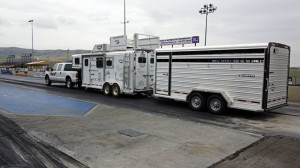
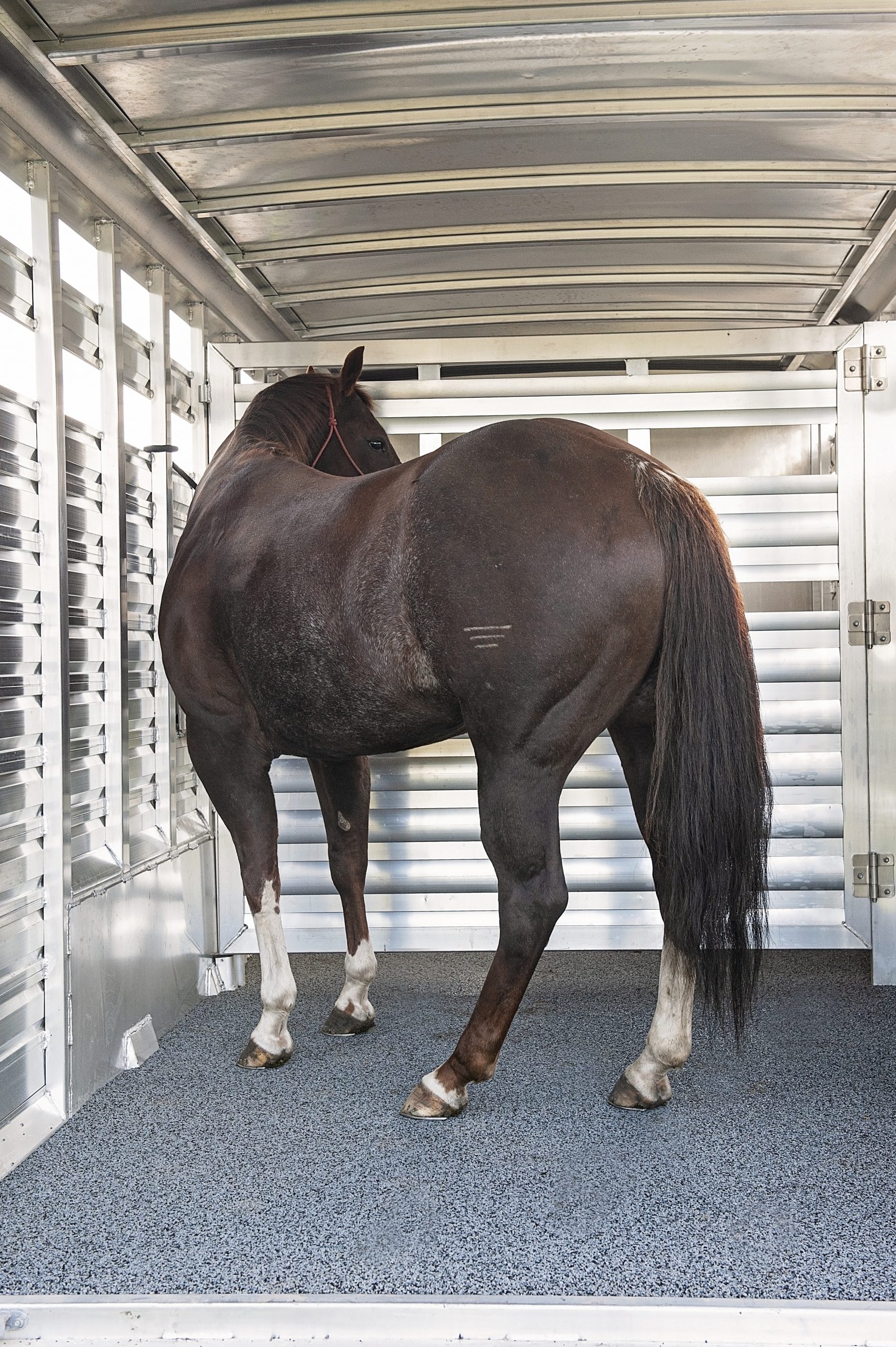
Rear suspension helpers are most useful when your truck is within its axle, tire, payload, and hitch ratings, yet the rear end still settles too much under a normal towing load. This is common with travel trailers, horse trailers, fifth-wheels, loaded utility trailers, slide-in campers, and work trailers that put consistent weight in the bed.
A level truck does more than look right. It keeps more weight on the front axle, which helps steering response and braking feel. It can also improve headlight aim and reduce the uneasy floating sensation that shows up when the rear springs are working near the bottom of their travel. If your truck squats enough that the front end feels light, you should address it before a long haul.
The key word is support. Helpers support the factory suspension. They do not legally or mechanically increase a truck’s payload rating, rear axle rating, tire capacity, receiver rating, or towing rating. If your trailer’s loaded tongue weight is beyond what the truck can carry, stronger springs or airbags do not make that combination safe.
Before buying anything, weigh the truck and trailer in loaded, ready-to-travel condition. A published dry trailer weight does not tell you what the hitch actually carries after batteries, propane, water, tack, tools, feed, gear, and personal cargo are aboard. Real numbers beat guesses every time.
What Type of Rear Suspension Helper Fits Your Truck?
The right choice comes down to how often you tow, how much your loads vary, and how much ride quality matters when the truck is empty. There is no single best answer for every truck owner.
Air spring systems
Air springs, often called air bags, are the most adjustable option. Mounted between the frame and rear axle, they use air pressure to add support as load increases. For a truck that tows a horse trailer one weekend, carries a camper another weekend, and runs empty during the week, adjustability is a major advantage.
With an onboard compressor, air springs can be changed from the cab or at the truck before you leave. Independent left-to-right control can also help correct a side-to-side lean caused by an uneven load, though it should not be used to hide poor trailer loading.
The trade-off is complexity. Air systems have lines, fittings, and air pressure to monitor. Installation needs to be clean, with air lines kept away from heat and moving parts. They also require enough minimum pressure to prevent damage when unloaded. A properly installed quality system is highly effective, but it deserves occasional inspection just like any towing equipment.
Jounce-style rubber helpers
Rubber jounce helpers sit between the axle and frame and engage as the truck settles under load. They are simple, maintenance-free, and generally easy to install. Many owners like them because they do not need air lines, compressors, or adjustment before every trip.
They work especially well for a truck that carries a fairly consistent load, such as a work pickup with tools in the bed or a truck pulling the same travel trailer regularly. Depending on the design, they may engage progressively, meaning the support increases as the rear suspension compresses.
The compromise is that they are less adjustable than air springs. Some can also make the unloaded ride firmer, particularly on lighter half-ton pickups. That is not always a deal breaker, but it is worth considering if the truck spends far more time empty than loaded.
Additional leaf springs and load-leveling spring kits
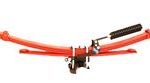
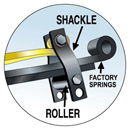
Add-a-leaf kits, helper leaf springs, and replacement spring packs are traditional solutions for work trucks and frequent heavy haulers. They add mechanical spring capacity without airlines or routine adjustments. For a truck that is loaded nearly every day, they can be a durable, straightforward answer.
A leaf-spring solution usually changes the empty ride more noticeably than air bags. It may also raise the rear ride height slightly before a trailer is attached. That can be useful for a working truck, but it may not be ideal for an occasional RVer who wants factory-like comfort on daily drives.
If the original springs are worn, cracked, or permanently flattened, replacing damaged components is smarter than trying to mask the issue with a bolt-on helper. Suspension helpers should be installed on a sound foundation.
Coil-spring spacers and upgraded coils
Some late-model pickups use rear coil springs rather than leaf springs. In those applications, upgraded coils, coil inserts, or spacer-style systems may be available. These need to be selected carefully because a spacer can restore height without necessarily delivering the controlled spring support needed under a heavy hitch load.
For coil-spring trucks, match the product to the job. A system designed for towing and payload support is preferable to a basic lift spacer if your concern is handling a loaded trailer.
Choose by the Load You Actually Carry
Do not buy the biggest-rated helper kit just because it has the biggest number on the box. A helper system should fit the truck, its factory suspension layout, and your normal loaded condition. Excessively stiff support can reduce suspension travel and make an unloaded truck choppy over rough pavement.
Start with your loaded tongue or pin weight. Conventional trailers commonly place roughly 10 to 15 percent of loaded trailer weight on the hitch, while fifth-wheel and gooseneck trailers commonly place a much larger percentage in the bed. Those are starting points, not substitutes for a scale ticket.
Then look at what happens when the trailer is connected. Measure the front and rear fender heights on level ground before and after hitching. A modest rear drop is normal. A large drop, excessive front-end rise, or rear suspension sitting close to its bump stops means the truck needs attention.
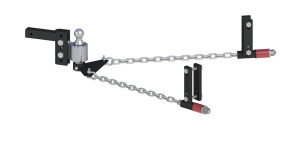
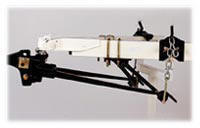
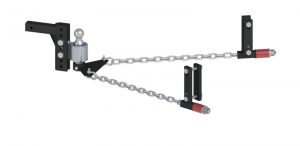
For travel trailers, do not overlook the weight-distribution hitch. That hitch is designed to transfer part of the tongue weight back to the front axle and trailer axles. Rear helpers and a properly adjusted weight-distribution hitch can work together, but one does not replace the other. Installing air bags first and then using them to cover up an improperly adjusted hitch is a common mistake.
Installation and Setup Matter as Much as the Kit
A good kit can perform poorly if it is installed carelessly. Follow the truck-specific instructions, torque hardware correctly, and recheck fasteners after the first loaded trips. On air systems, secure every line so it cannot rub through against the frame, exhaust, brake lines, or suspension components.
Set up the truck on level ground with the trailer loaded as you normally travel. Inflate or adjust the helpers only enough to restore a sensible, near-level attitude and proper suspension travel. More pressure is not automatically better. Overinflating air springs can lift the rear too far, change the truck-to-trailer relationship, and reduce the load-sharing effect of a weight-distribution hitch.
After adjustment, take a short test drive. Pay attention to steering feel, trailer behavior, braking, and whether the truck bottoms out over driveway transitions or railroad crossings. Recheck tire pressures too. Tires carry the load, and suspension upgrades do not compensate for underinflated rear tires.
What Rear Suspension Helpers Will Not Fix
Suspension helpers are not sway control. If a trailer sways, look first at loading, tongue weight, tire condition and pressure, hitch setup, trailer brakes, and speed. A level truck may feel more stable, but it cannot correct a trailer that is badly loaded or a hitch that is wrong for the combination.
They also will not repair worn shocks, loose steering parts, damaged leaf springs, or a weak receiver. If your truck porpoises, wanders, or bounces after hitting a dip, inspect the entire towing setup. Good shocks are often overlooked, yet they are a major part of controlling heavy loads.
For serious towing, the goal is not simply to make the truck sit level in the driveway. The goal is a truck and trailer that stay composed when the pavement buckles, a crosswind hits, or traffic forces a hard stop. Choose support that matches your real load, keep every rating in view, and set it up with a scale ticket instead of a guess.
When you are ready to equip your truck with proven towing gear, Visit our store.