


A hitch that suddenly starts clunking, groaning, or squealing can make even a short pull feel wrong. Learning how to reduce hitch noise starts with separating normal working sounds from warning signs. Some towing hardware is designed to create friction, especially weight-distribution and sway-control systems. But sharp bangs, repeated clunks, or metal-on-metal squeals deserve a close look before the next trip.
The goal is not to make every hitch completely silent. The goal is a secure, properly adjusted connection that does its job without unnecessary wear, loose parts, or surprises on the road.
Start by Identifying the Type of Hitch Noise
The sound usually points you toward the problem. A single clunk when shifting from park to drive may simply be normal slack being taken up between the truck, receiver, ball mount, and coupler. A loud bang every time you brake or accelerate is different. That often means excess play in the receiver, a loose ball mount, a worn coupler, or hardware that is not tightened correctly.
Squeaking and groaning are most common with dry hitch balls, spring bars, trunnion sockets, and sway-control contact points. These sounds can be irritating, but they are not automatically dangerous. With friction-style sway control, however, noise may be part of the system doing its job. Do not lubricate every noisy contact surface just because it is loud. Lubricating the wrong area can reduce sway control when you need it most.
A clicking or popping sound during tight turns is also common with some weight-distribution hitches. The spring bars are loaded, and the hitch head and brackets are working through a changing angle. Moderate noise in a campground turn may be normal. Violent popping, a spring bar jumping out of position, or a bracket that shifts on the trailer frame is not.
Check the Basic Connection Before Adding Lubricant
Owners often reach for grease first. That can help, but it will not fix a hitch with loose hardware or an improperly fitted coupler. Start with the truck and trailer parked on level ground, wheels chocked, and trailer weight supported safely.
Check that the coupler is fully seated on the correct ball size. A 2-inch coupler on a 2-5/16-inch ball will not latch correctly, and a worn or damaged coupler can create movement even when it appears locked. With the trailer coupled, raise the trailer tongue slightly with the jack. If the rear of the truck rises with it, the coupler is carrying the ball correctly. If it separates or shows obvious movement, stop and inspect the coupler, latch mechanism, and ball size.
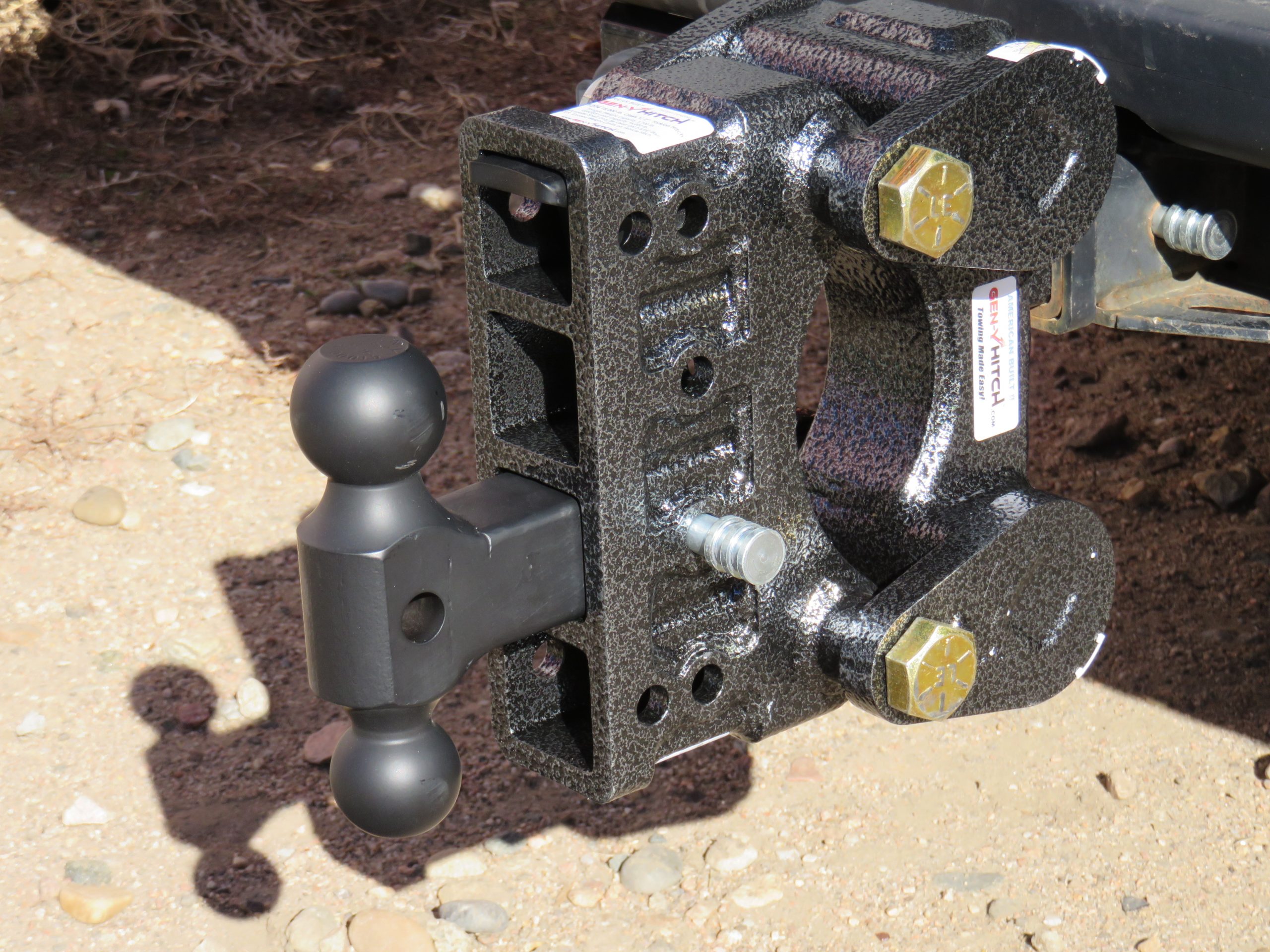
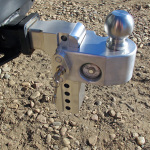
Then inspect the receiver area. The shank should fit the receiver with only normal manufacturing clearance. Some movement is unavoidable, but a loose ball mount can create a noticeable clunk when towing. Make sure the hitch pin and clip are installed correctly and the receiver pin hole is not wallowed out. A quality anti-rattle device can reduce receiver movement on conventional ball mounts, bike racks, and cargo carriers. It is not a substitute for damaged parts, but it can take the nuisance shake out of a sound setup.
Check the hitch ball nut as well. This is not a hand-tightened item. A hitch ball must be torqued to the ball manufacturer’s specification, usually a high number that requires the right wrench and a solid mounting platform. A loose ball can make noise, damage the ball mount, and create a serious towing hazard.
How to Reduce Hitch Noise With Proper Lubrication
The hitch ball and coupler are the first places to inspect for dry friction. For a standard ball-mount setup without integrated friction sway control, a thin film of quality hitch-ball grease on the ball can reduce squeaks and wear. Keep grease off the outside of the coupler, safety chains, and anything you may grab while hooking up.
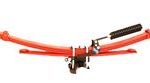
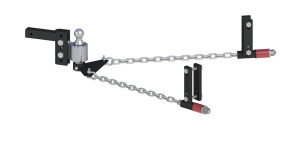
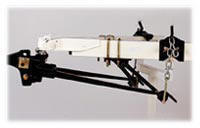
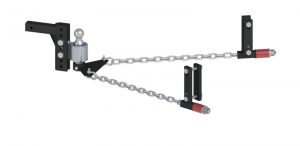
Weight-distribution hitches need a more selective approach. Many systems have pivot points, trunnion sockets, or spring-bar ends that should be lubricated according to the hitch manufacturer’s instructions. These are high-load areas, and keeping them properly greased helps prevent grinding, galling, and premature wear.
Friction surfaces are different. If your hitch uses sway control through friction between spring bars and brackets, or through dedicated friction components, grease may defeat part of the design. Follow the manual for your exact hitch. The right answer depends on whether that contact point is a moving pivot that needs lubrication or a friction surface intended to resist trailer sway.
Do not use spray lubricant as a shortcut. It washes away quickly, attracts dust, and can migrate onto brake components or friction-style sway-control surfaces. A proper grease applied only where specified is cleaner and lasts longer.
Inspect Weight-Distribution Hitch Setup
A weight-distribution hitch that is noisy, rough, or hard to connect may simply be adjusted wrong. The spring bars should have adequate load to restore a reasonable amount of weight to the truck’s front axle, but they should not be forced into an extreme angle just to make the trailer look level.
Too much spring-bar tension can make hookup difficult, increase noise in turns, and create a harsh ride. Too little tension can leave the truck light in the front end and allow the trailer to push the truck around. The correct setting depends on loaded trailer tongue weight, truck suspension, hitch rating, and axle measurements taken before and after hookup.
Look closely at the frame brackets. They must be positioned according to the hitch instructions and secured tightly. Brackets that slide, rotate, or contact trailer equipment can pop and bang under load. Also inspect the spring bars for bent ends, worn surfaces, or damaged retaining clips. A bar that is not fully seated can make a frightening amount of noise when turning or pulling into a driveway.
Tight turns deserve special attention. Some weight-distribution hitches allow normal tight maneuvering, while others require you to disconnect a separate sway-control bar before backing or making sharp turns. Ignoring that instruction can damage the hitch, bend a component, or create loud binding noises that are trying to tell you something.
Eliminate Other Noises That Sound Like the Hitch
Not every sound at the back of the truck comes from the hitch. Trailer safety chains can slap the tongue or pavement if they are too long. Cross them under the coupler, as they are intended to catch the tongue if the coupler ever comes off the ball, but do not leave excessive chain hanging below the hitch.
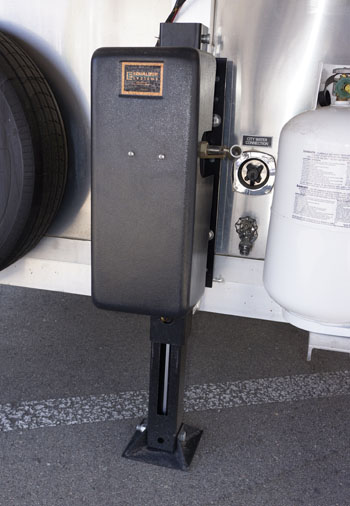
The breakaway cable can also strike the tongue or drag if it is routed poorly. It should be connected to a dedicated point on the truck, not looped around the hitch ball or attached to the safety chains. Trailer jacks, loose spare tires, unsecured ramps, and an empty ball mount rattling in the receiver can all imitate hitch trouble.
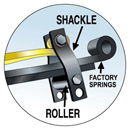
Inspect the trailer suspension too. Worn leaf-spring bushings, loose U-bolts, bad shock absorbers, and loose cargo often announce themselves over bumps and can be mistaken for hitch clunk. Have a helper watch the connection area from a safe distance while you slowly pull forward and back. Visible movement usually tells the story faster than guessing from the driver’s seat.
Know When Noise Means Stop Towing
Stop and correct the problem before traveling if you find a cracked ball mount, damaged receiver, loose hitch ball, bent spring bar, coupler that will not lock securely, or a bracket that will not stay in place. Those are not comfort issues. They are connection and control issues.
Also take seriously any new noise that appears with sway, steering wander, harsh braking, or a trailer that feels unsettled. Hitch noise by itself may be harmless. Hitch noise combined with poor towing behavior is a reason to inspect the complete setup, including trailer loading and tongue weight.
A quiet hitch is nice, but a correctly loaded, properly maintained hitch is what gets you home safely. For proven towing accessories, replacement hardware, and equipment selected for real truck-and-trailer use, visit the MrTruck Store. Fix the source of the sound, follow the hitch manufacturer’s lubrication rules, and your next pull should feel a lot more like towing and a lot less like troubleshooting.