


A trailer can look level in the driveway and still be loaded wrong. Too little weight on the hitch is one of the fastest ways to invite trailer sway, especially when a passing truck, crosswind, downhill grade, or rough pavement gets involved. Knowing how to measure tongue weight gives you a real number to work with instead of trusting appearances. https://store.mrtruck.com/
Tongue weight is the downward force your loaded trailer applies to the hitch ball. It affects steering, braking, suspension squat, sway control, and whether your truck stays within its payload and hitch ratings. It is not a number to guess at when the trailer is loaded with camping gear, tools, water, feed, or horses.
What Proper Tongue Weight Looks Like
For most conventional bumper-pull trailers, tongue weight should generally be 10% to 15% of the trailer’s actual loaded weight. Many experienced tow operators aim toward the upper part of that range, around 12% to 15%, because a little more weight forward usually gives the trailer better stability.
A 6,000-pound loaded travel trailer, for example, should typically carry 600 to 900 pounds on the hitch. At 12%, the target is 720 pounds. That is the loaded trailer weight, not the empty weight printed in a brochure and not the trailer’s maximum GVWR unless it is actually loaded to that number.
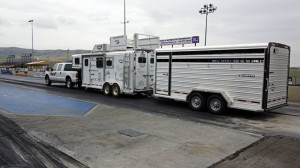
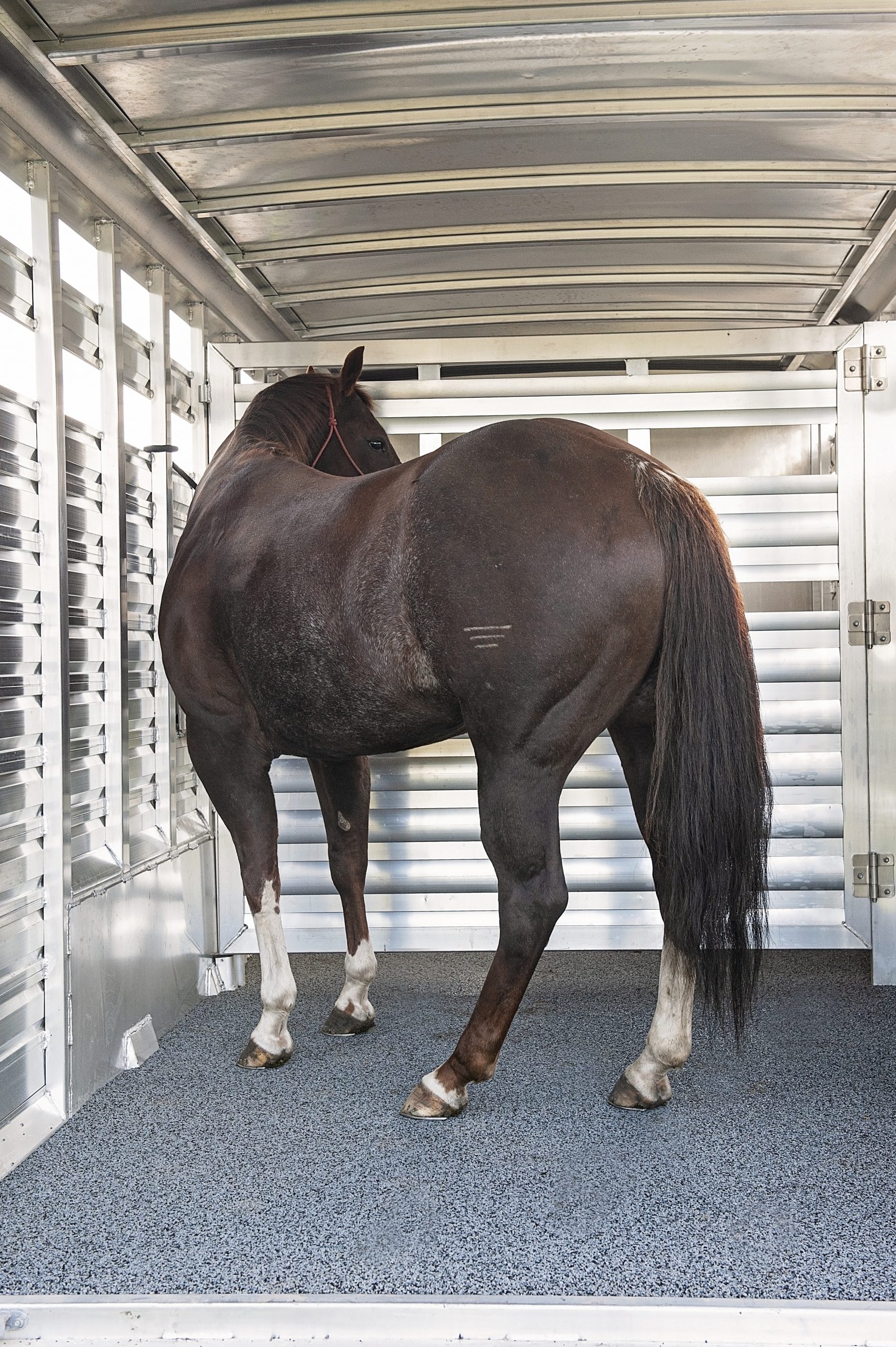
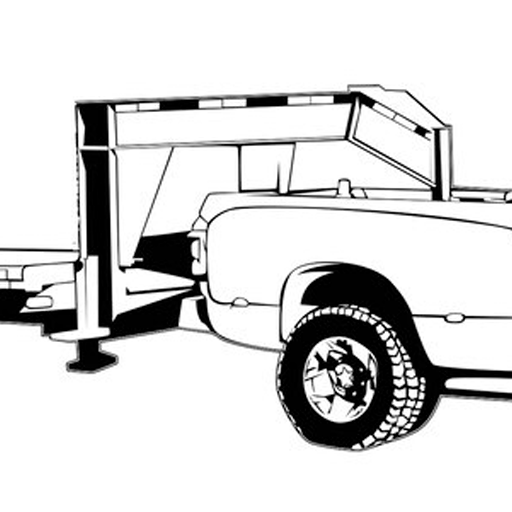
There are exceptions. Flatbed equipment trailers, enclosed cargo trailers, and trailers with unusual axle placement may need attention to their specific loading characteristics. Horse trailers deserve extra care because live animals shift weight. Fifth-wheel and gooseneck trailers are also different: their pin weight commonly falls in the 15% to 25% range and should be measured with equipment designed for that job.
The key point is simple: a weight-distribution hitch, sway-control device, airbags, or heavier rear springs cannot correct a badly balanced trailer. Those products can improve control and ride when properly matched, but they do not replace proper loading.
How to Measure Tongue Weight With a Tongue Scale
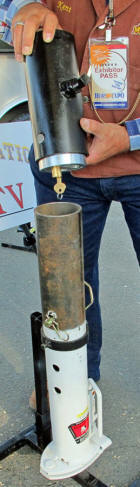
The best method is a dedicated trailer tongue-weight scale rated above your expected load. It is quick, accurate, portable, and far safer than trying to improvise under a heavy coupler. Buy a scale with enough capacity for your trailer, not one that barely covers the number you expect to see.
Load the trailer exactly as you tow it. That means full propane cylinders, batteries, cargo, water if you travel with water, and the equipment normally carried in the truck or trailer. Empty tanks and a bare cargo area may produce a nice number that means nothing once you head out for a real trip.
Park on firm, level ground. Chock both sides of at least one trailer axle before uncoupling or raising the trailer. Keep people clear of the tongue area, and never put hands, feet, or tools under a trailer that is supported only by a jack.
Place the scale directly beneath the coupler or beneath the jack point, depending on the scale manufacturer’s instructions. Raise or lower the trailer with the tongue jack until the full tongue load rests on the scale. Keep the trailer level from front to rear when possible. A sharply nose-high or nose-low trailer changes the reading and gives you less useful information.
Record the number, then compare it with your loaded trailer weight. The calculation is straightforward:
Tongue-weight percentage = tongue weight ÷ loaded trailer weight × 100
If your tongue weight is 780 pounds and your loaded trailer weighs 6,500 pounds, your percentage is 12%. That is right where most bumper-pull trailers want to be.
Do Not Forget the Truck’s Payload
A safe tongue-weight percentage does not automatically mean the truck is within limits. The tongue weight counts against payload, along with passengers, cargo in the cab or bed, a hitch, and the portion of weight-distribution hardware carried by the truck.
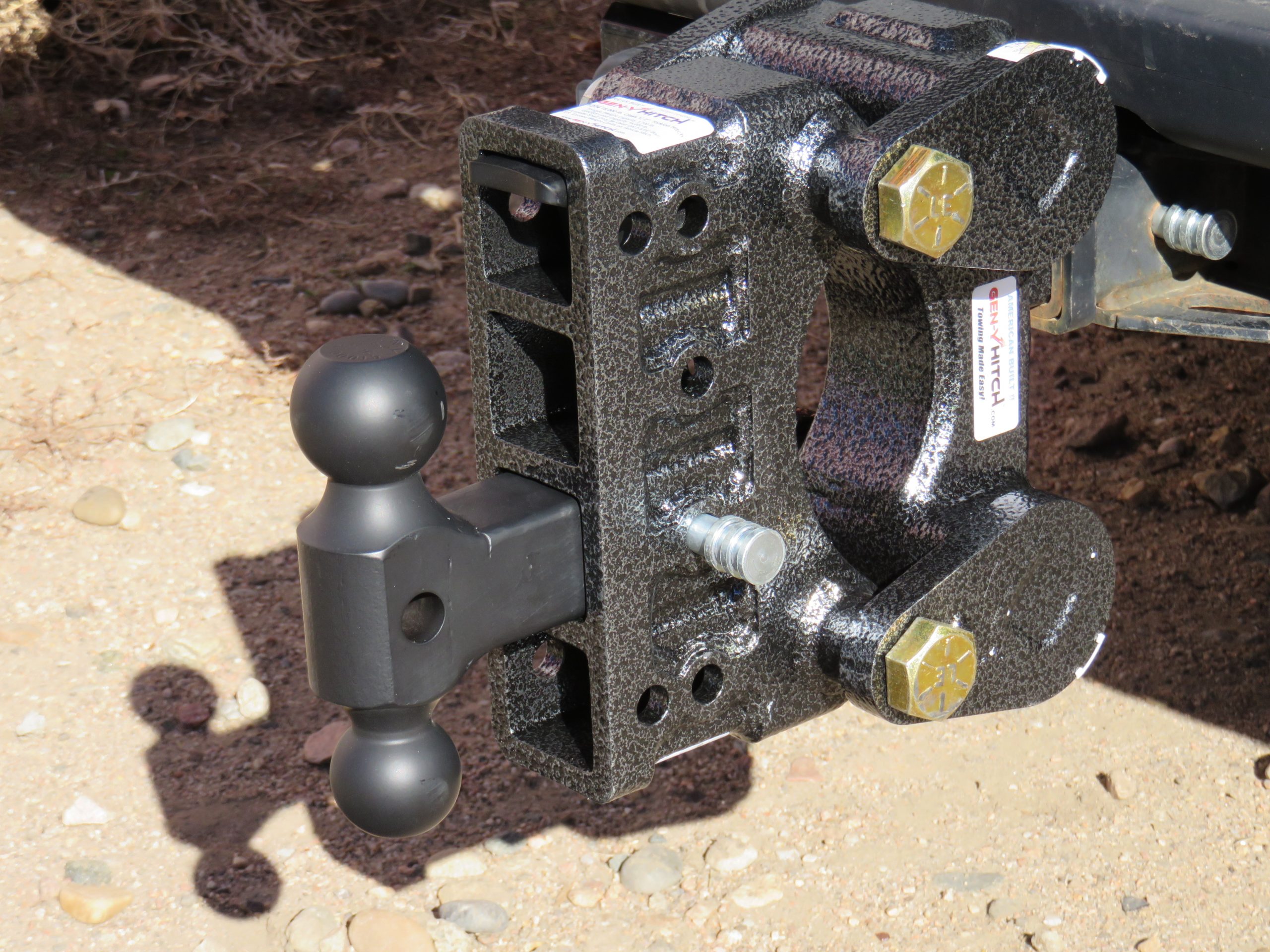
Check the payload sticker on the driver’s door jamb, your receiver rating, hitch-ball rating, and the weight-distribution hitch rating if you use one. A half-ton truck can pull a trailer that looks manageable on paper but run out of payload well before it reaches its tow-rating number. This is one reason real weights matter.
Measuring Tongue Weight With a Bathroom Scale
A household bathroom scale can work for a light trailer tongue, but only when the expected load is within the scale’s capacity. Most bathroom scales are not built for 600, 800, or 1,000 pounds directly on the platform. For heavier loads, a lever setup can reduce the force reaching the scale.
This method is useful in a pinch, but it is not our first choice for a heavy travel trailer or work trailer. Wood can split, supports can shift, and an inaccurate scale creates false confidence. If the setup does not look stable, stop and use a purpose-built tongue scale or a commercial weighing service.
To use a 3-to-1 lever arrangement, set a stout board on two solid, equal-height supports. Place a strong pivot support at one end of the board. Put the trailer coupler or jack contact point one foot from that pivot, then place the bathroom scale under the board three feet from the pivot. The scale and pivot must be on stable, level surfaces, and the trailer contact point must sit squarely on the board.
When the trailer’s tongue load is applied one foot from the pivot, the scale located three feet away should read about one-third of the actual tongue weight. Multiply the scale reading by three. If the scale reads 240 pounds, the tongue weight is approximately 720 pounds.
Use a thick, straight board with no cracks, solid blocks that cannot roll or crush, and supports of equal height. Keep the trailer chocked. Raise and lower the tongue slowly with the jack. If the board twists, the scale slides, or any support starts to lean, take the load off immediately.
Weigh It in Real Towing Trim
The most common tongue-weight mistake is measuring an unloaded trailer and assuming the result will hold. It will not. A generator, cooler, toolbox, bicycles, firewood, water tank, or a stack of feed bags can move hundreds of pounds.
Measure after loading the trailer for the trip. Then measure again after a major change in cargo arrangement. If you regularly haul different loads, write down the tongue weight and loaded trailer weight for each setup. A simple notebook in the truck can prevent a lot of guesswork later.
For the best overall picture, weigh the truck and trailer at a certified vehicle scale. You can identify the truck’s axle weights, trailer axle weight, combined weight, and whether the weight-distribution hitch is doing its job. A tongue scale tells you what is pressing on the coupler. A full scale ticket tells you whether the entire combination is properly balanced and within ratings.
How to Correct Tongue Weight That Is Too Low or Too High
If tongue weight is below 10%, move cargo forward, ahead of the trailer axles. Do this in measured steps, then recheck. A trailer with a light tongue can be stable at low speed and become unpredictable at highway speed, so do not accept a low number just because it pulled fine around town.
If tongue weight is too high, move some cargo rearward, but keep it ahead of or close to the axles whenever possible. Do not pile heavy gear at the very back of the trailer to chase a percentage. That creates a pendulum effect and can lead to sway even if the math looks acceptable.
Sometimes there is no cargo move that solves the problem. The trailer may be overloaded, the tow vehicle may lack payload, or the trailer’s permanent equipment may be poorly distributed for the way you use it. The right answer may be carrying less, using a different trailer configuration, or stepping up to a truck with the capacity to handle the real load.
A Weight-Distribution Hitch Is Not a Fix for Bad Loading
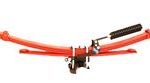
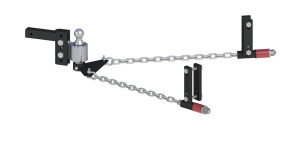
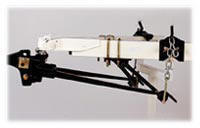
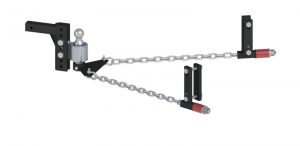
A properly sized and adjusted weight-distribution hitch can return some load to the truck’s front axle and distribute weight across the truck and trailer axles. That helps steering response, braking balance, and ride quality. It does not make an overloaded receiver, overloaded truck, or light-tongue trailer safe.
Measure tongue weight first, load the trailer correctly, then set up the weight-distribution hitch according to its instructions. That order matters.
Before your next highway trip, take the extra few minutes to get a real tongue-weight number. It is one of the cheapest safety checks you can make, and it tells you far more than a trailer that simply looks level. For proven towing equipment and practical help selecting the right setup, Visit our store.