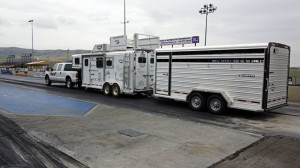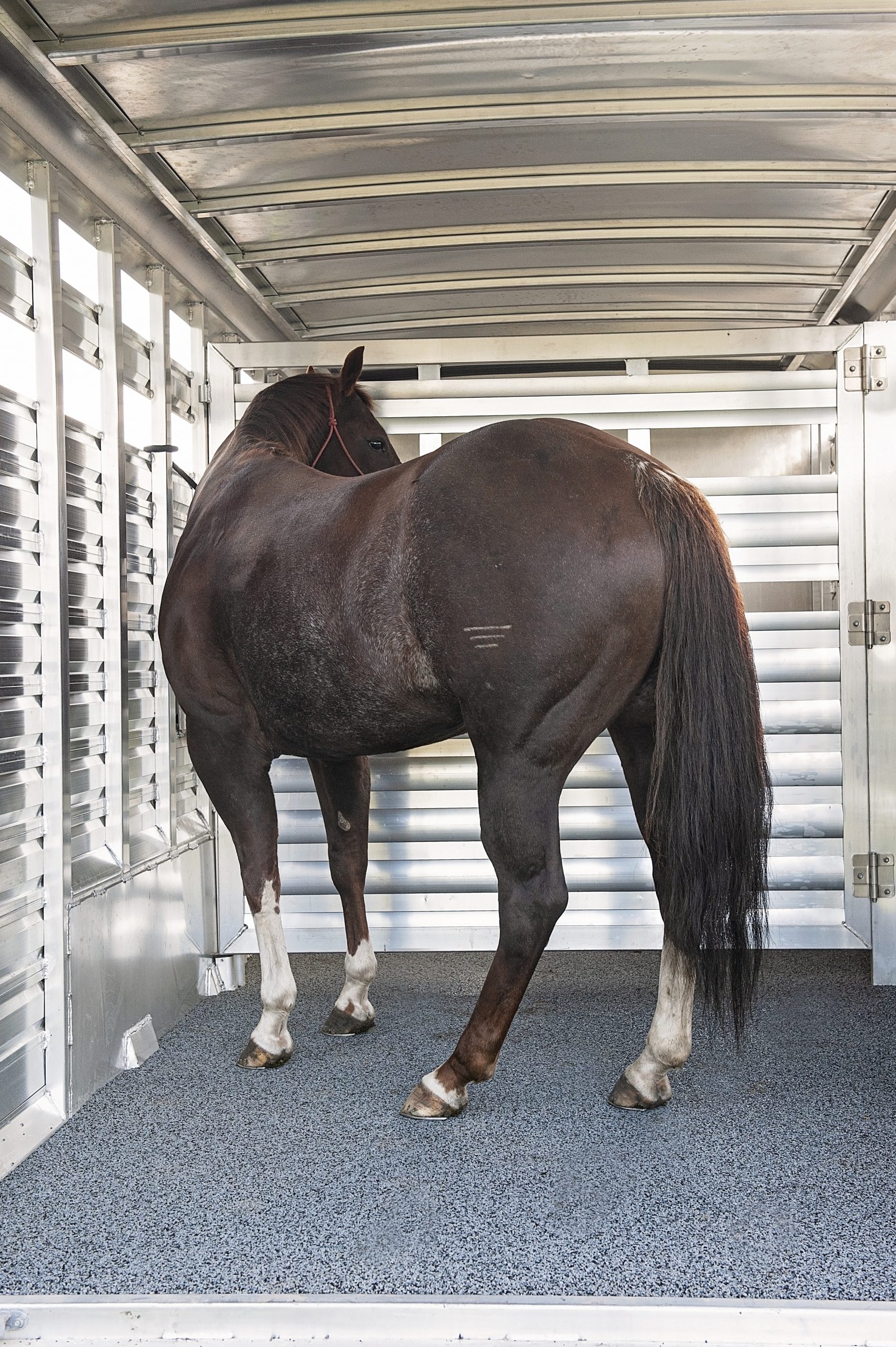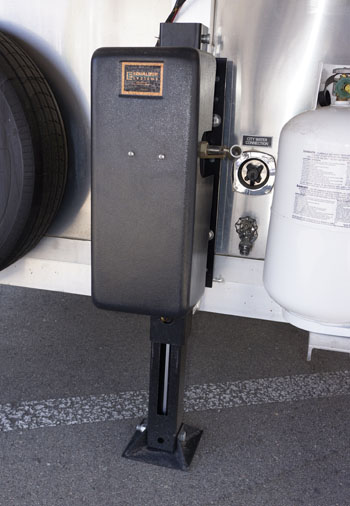



A trailer jack that wobbles when you step into the camper, load a horse, or unhitch a work trailer is not just irritating. It is telling you something about the setup. The best trailer jack for stability is usually not the one with the biggest published lift number or the fastest motor. It is the jack that fits the trailer’s tongue weight, has the right mounting geometry, reaches solid ground without excessive extension, and works with proper wheel chocks and support equipment.
That distinction matters. A tongue jack is built to lift and hold the front of a trailer for coupling, uncoupling, and leveling. It is not a substitute for stabilizer jacks, jack stands, or blocking when people and cargo are moving around inside the trailer. Start with that rule, and choosing the right jack gets much simpler. https://mrtruck.com/equalizersysystems.htm
Our Top Pick for Trailer Jack Stability
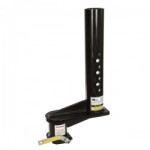
For most bumper-pull travel trailers, enclosed trailers, equipment trailers, and horse trailers with an A-frame tongue, a heavy-duty square-tube A-frame jack with a drop leg is the best overall design for stability. A quality Bulldog-style 5,000-pound square-tube jack is the standard we favor for owners who want a serious mechanical jack without adding electrical complexity.
The square outer tube resists side-to-side movement better than lighter round-tube designs, while the drop leg reduces how far the screw section must extend. Less extension means less flex. That is simple mechanics, and it makes a noticeable difference on uneven campsites, gravel lots, and barnyards.
A manual sidewind version is hard to beat for reliability. It is slower than an electric jack, but it works when the trailer battery is weak, a fuse blows, or you are parked far from shore power. For frequent use, an electric A-frame jack with a substantial square housing and a manual override is a worthwhile convenience upgrade. Just do not mistake electric operation for greater stability. The structure, mounting, and ground contact still determine how solid the tongue feels.
Why a Trailer Jack Starts to Feel Unstable
Many owners blame the jack when the real problem is the entire support system. A jack can be perfectly sound and still feel loose if its foot is sitting on soft soil, a small plastic pad, stacked loose boards, or a sharply sloped surface. The trailer can also rock because the axle wheels are not firmly chocked.
There are four common causes worth checking before you replace anything:
- The jack is extended too far, creating leverage and side flex.
- The mounting plate, welds, or bolts at the tongue are loose or damaged.
- The footplate is sinking or shifting on the ground.
- The trailer wheels are not chocked from both directions.
A drop-leg jack solves the first problem better than almost any accessory. Rather than cranking the inner tube down 18 to 24 inches, you pull a pin, lower the drop leg close to the ground, then use the screw for the final lift. The jack stays shorter and noticeably more rigid.
For the third problem, use a broad, solid jack block or a properly sized wood pad on soft ground. Avoid a tall stack of loose lumber. It may save cranking, but it can slide when tongue weight comes off the truck. A single solid block with a flat bearing surface is safer and more predictable.
Choose Capacity by Tongue Weight, Not Trailer GVWR
Jack ratings confuse plenty of buyers. Your trailer may have a 10,000-pound GVWR, but the tongue jack does not normally carry 10,000 pounds. It carries the trailer’s actual tongue weight, plus some extra load while lifting the coupler onto or off the ball.
A conventional bumper-pull trailer usually puts roughly 10 to 15 percent of its loaded weight on the tongue. A 7,000-pound loaded camper may therefore have 700 to 1,050 pounds on the jack. An enclosed cargo trailer can vary more depending on equipment placement. A horse trailer can place substantial weight forward, especially with a dressing room, water, tack, and live animals.
That does not mean you should buy a jack rated exactly at calculated tongue weight. A healthy safety margin improves durability and keeps the jack operating well below its limits. For many medium and heavier bumper-pull trailers, a 3,500- to 5,000-pound rated jack is the sensible range. Lighter utility trailers may be well served by a 2,000-pound jack, provided the tongue is light and the trailer is used on reasonably level ground.
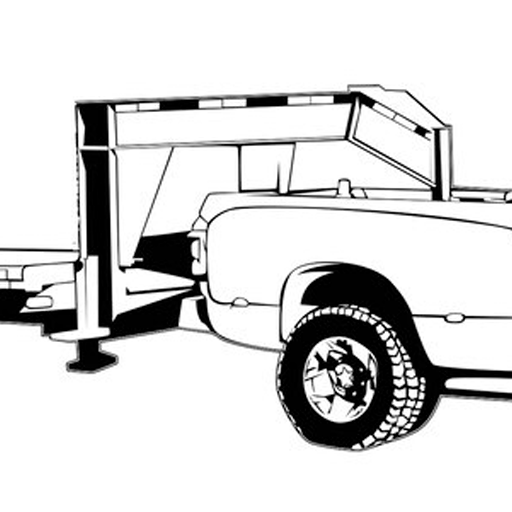
Gooseneck and fifth-wheel trailers are different. Their pin or coupler loads are much higher, and they generally need paired landing gear or purpose-built heavy-duty jacks. Do not try to solve a gooseneck stability problem with a heavier A-frame jack. The wrong design is still the wrong design.
Manual vs. Electric: The Real Trade-Off
The best trailer jack for stability can be either manual or electric. The question is how you use the trailer.
A manual square-tube jack is the better choice for a utility trailer, farm trailer, or equipment trailer that must work with little attention. It has fewer electrical failure points, costs less, and gives you direct feedback when something binds. It is also easier to service after years of rain, dust, and road spray.
An electric jack earns its place on travel trailers and frequently used horse trailers. Repeated hitching, leveling, and weight-distribution hitch setup gets old fast with a hand crank. Look for a model with a weather-protected switch, a manual crank override, a large footplate or removable foot, and enough lift to clear the truck ball without using questionable blocks.
There is a trade-off. Electric jacks add motor weight at the very front of the trailer and rely on battery condition and wiring. Keep the battery maintained, inspect the power lead where it runs along the tongue, and know where the manual override crank is before you need it in the rain after dark.
Mounting and Ground Contact Matter More Than Fancy Features
A premium jack mounted to a weak or cracked tongue is not a premium setup. Before installing a replacement, inspect the A-frame jack plate and the tongue members around it. Look for cracked welds, egg-shaped mounting holes, rust that has thinned the steel, or movement when the trailer is being raised.
Bolt-on swivel jacks are practical on many utility and boat trailers, but they are generally less stable when deployed than a well-mounted fixed A-frame jack. That is not a defect. It is the price of having a jack that folds or swings out of the way. Choose a swivel jack when clearance and convenience are the priority, but select a fixed square-tube A-frame jack when front-end steadiness matters most.
The foot is another overlooked detail. A narrow wheel works well when you need to move a light trailer by hand on concrete, but it is not the most stable choice on dirt or gravel. A flat footplate spreads load better. For soft ground, place that footplate on a solid pad instead of letting it punch into the surface.
A Stable Jack Does Not Stabilize the Whole Trailer
This is where trailer owners get into trouble. Even the best jack cannot prevent a trailer from rocking if the tires can move or if the rear of the trailer is unsupported. Before unhitching, chock both sides of the trailer wheels. On a slope, use chocks placed on the downhill side first, then secure the opposite side as needed.
For a travel trailer, use dedicated stabilizer jacks at the rear and, when equipped, at the front corners after the tongue is leveled. They should be snug enough to limit movement, not cranked hard enough to lift the trailer off its suspension. For enclosed trailers that see people, ATVs, or cargo moving inside, properly rated jack stands may be the better answer when the trailer will remain parked and loaded.
Never crawl under a trailer supported only by its tongue jack. Use correctly rated stands on firm ground, and keep the truck connected when the job calls for additional security. Stability is not one product. It is a system built from the jack, the ground, the chocks, and the way the trailer is supported.
What We Would Buy
For a serious bumper-pull trailer, buy a quality 5,000-pound square-tube A-frame jack with a drop leg. Choose manual operation if reliability, simplicity, and rough-service durability are the priority. Choose an electric model with manual override if you hitch often and want less work at every stop.
If your current jack feels unstable, do not automatically shop by price or lift speed. Measure how far it extends, inspect the mounting, verify tongue weight, and improve the footing and wheel chocks first. A properly sized jack kept short with a drop leg will outperform a flashy upgrade installed on a loose plate or parked on a sinking pad.
The right jack makes hitching safer, but the disciplined setup around it is what keeps a trailer steady when the truck is gone. Visit our store at Store.MrTruck.com for towing equipment selected for real trailer work.