

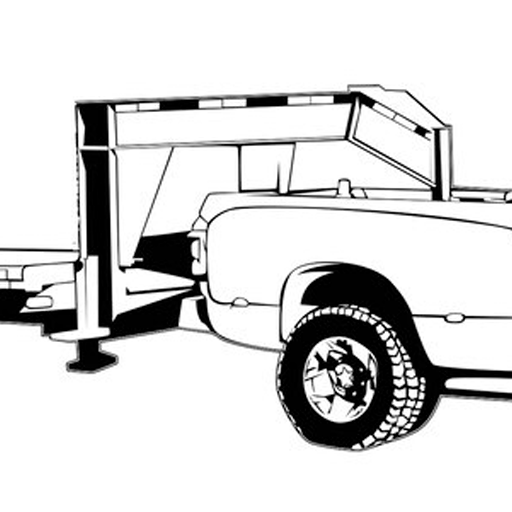
A truck camper vs fifth wheel decision is not just about how many beds you get or which RV looks better on the dealer lot. It decides what truck you need, where you can camp, how you handle mountain grades, and whether your rig still works when the RV is parked. Both can be excellent tools. The right one depends on how you actually travel and how honestly you match weights to your pickup.
A fifth wheel gives you the closest thing to a small home on wheels. A truck camper gives you a compact, go-anywhere rig that can still pull a boat, horse trailer, or utility trailer behind it. That difference matters more than brochure square footage.
Truck Camper vs Fifth Wheel: Start With Your Use
If your ideal trip involves established RV parks, long stays, a big kitchen, and room for family or guests, the fifth wheel is usually the better fit. You unhitch the truck at camp, use it for errands, and return to a real living area with more storage, taller ceilings, and a larger bathroom.
If you prefer public land, tighter forest roads, fishing access, hunting camps, or a weekend where you may move every night, a truck camper has the edge. There is no trailer to back into a cramped site, no long pivot point to manage at a fuel station, and no separate tow vehicle sitting unused once you arrive.
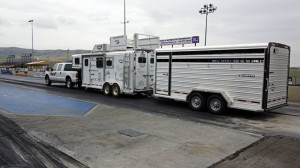
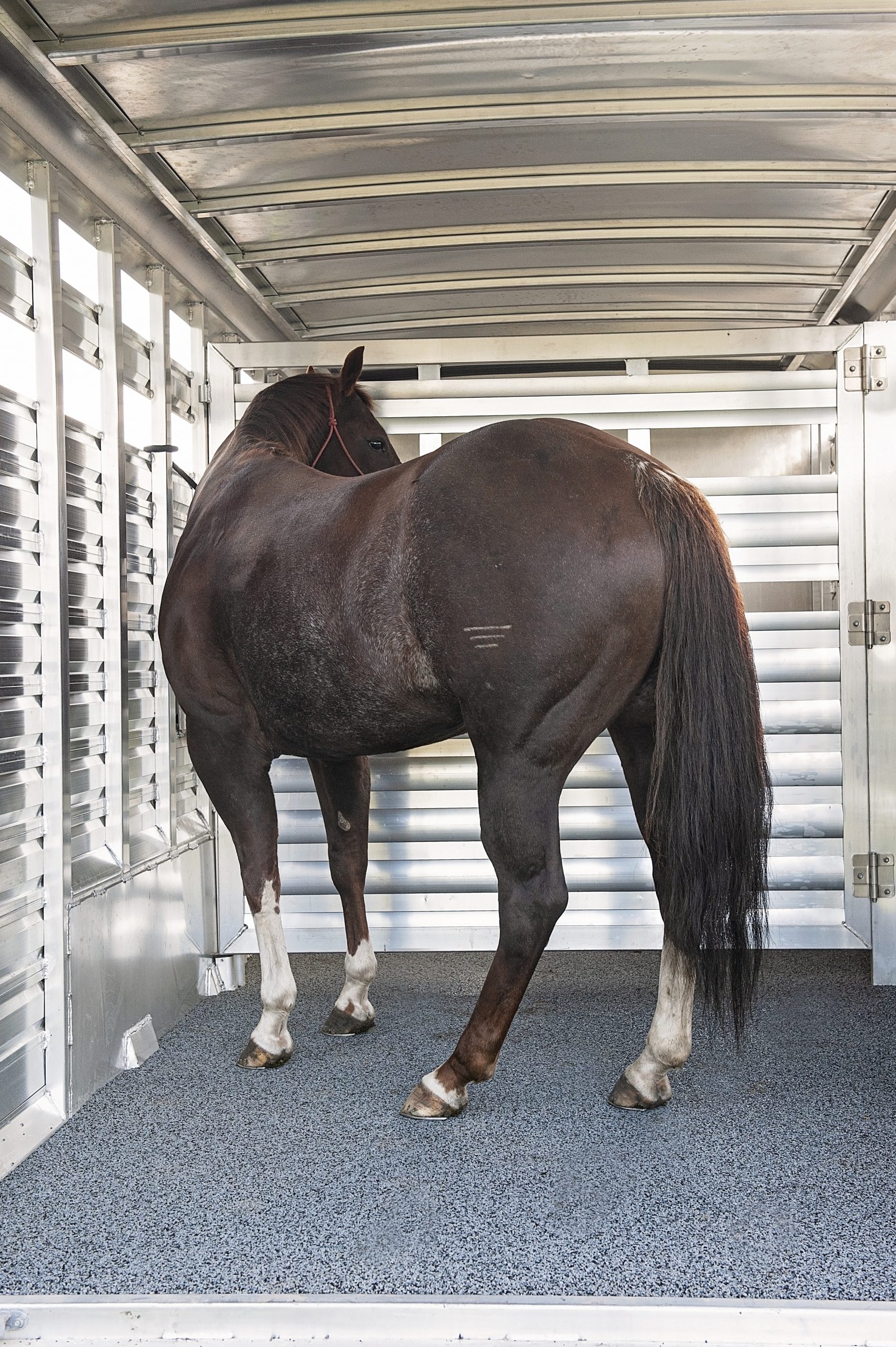
Truck campers also make sense for owners who need their truck to do more than carry an RV. A properly matched camper can leave a receiver hitch available for a small cargo trailer, boat, or horse trailer. Be realistic, though: towing behind a loaded truck camper adds length, tongue weight, and another layer of weight-management responsibility. It is not a shortcut around payload limits.
The Truck Is the First Buying Decision
Too many RV purchases start with the trailer or camper. Start with the door-jamb payload sticker on the truck you own or plan to buy. That yellow payload label is a better starting point than a glossy tow-rating advertisement.
Fifth-wheel weight is about pin weight
A fifth wheel transfers a meaningful share of its loaded weight into the truck bed. A practical planning range is often 15 to 25 percent of the fifth wheel’s actual loaded weight, although floorplan, tank location, cargo, and hitch position all change the number. A 12,000-pound fifth wheel can put 2,000 pounds or more on the truck before you add passengers, a hitch, tools, fuel, and a bed full of gear.
That is why many mid-size fifth wheels quickly become heavy-duty truck territory. A three-quarter-ton pickup may be a solid match for some models, but many larger fifth wheels fit a one-ton single-rear-wheel or dual-rear-wheel truck far better. The stable truck is the one that leaves room in its payload and axle ratings after the rig is loaded for a real trip.
Truck-camper weight is all payload
A truck camper puts nearly its entire loaded weight directly on the pickup. Dry camper weight is only the opening number. Add water, propane, batteries, food, clothing, camping gear, optional air conditioning, solar equipment, passengers, and tie-down hardware. A camper advertised at 3,000 pounds dry can easily be hundreds of pounds heavier when ready to travel.
Do not assume a half-ton truck can carry a hard-side camper just because it physically fits in the bed. Many cannot do it within their rated payload. Even some three-quarter-ton trucks are better suited to lighter pop-up or short-bed campers than large hard-side models. For a heavy camper, a one-ton truck is commonly the sensible baseline, and dual rear wheels can add a valuable margin of tire capacity and lateral stability.
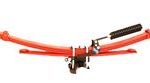
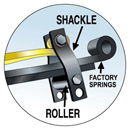
Suspension upgrades can improve ride quality and reduce sag, but they do not increase the factory payload, axle, tire, or wheel ratings. Air springs, helper springs, sway bars, and quality shocks are useful tools after the weight match is correct. They are not permission to overload the truck.
Living Space and Daily Comfort
This is where the fifth wheel wins without much argument. It has more room for separate sleeping areas, a larger refrigerator, a residential-style bathroom, and storage that keeps gear out of the walking path. For retirees spending weeks or months on the road, or families traveling in poor weather, that extra room changes the experience.
A truck camper asks you to live efficiently. You will have a smaller galley, limited counter space, tighter wet-bath or dry-bath layouts, and less storage. Four-season campers can be impressively capable, but compact living is still compact living. If two adults already feel crowded in a hotel room, do not expect a truck camper to feel spacious after three rainy days.
On the other hand, the truck camper’s smaller footprint can be a feature. It takes less time to clean, less time to set up, and less effort to keep organized. For one or two people who spend their daylight hours outside, the simplicity is often worth more than a large slide-out living room.
Towing, Handling, and Setup
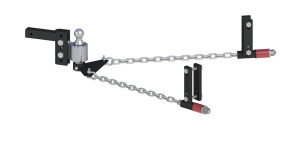
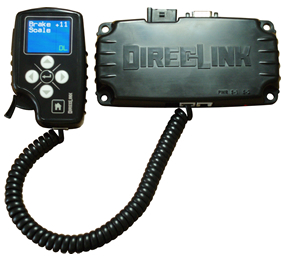
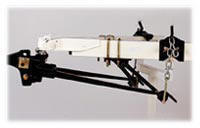
A fifth wheel is generally easier to tow than a bumper-pull trailer of similar length because its hitch weight sits over or just ahead of the rear axle. That improves stability, especially in wind and when being passed by big trucks. But it is still a large trailer. You need to plan turns, fuel stops, campgrounds, bridge clearances, and backing maneuvers. A properly installed fifth-wheel hitch and a correctly adjusted trailer brake controller are not optional details.
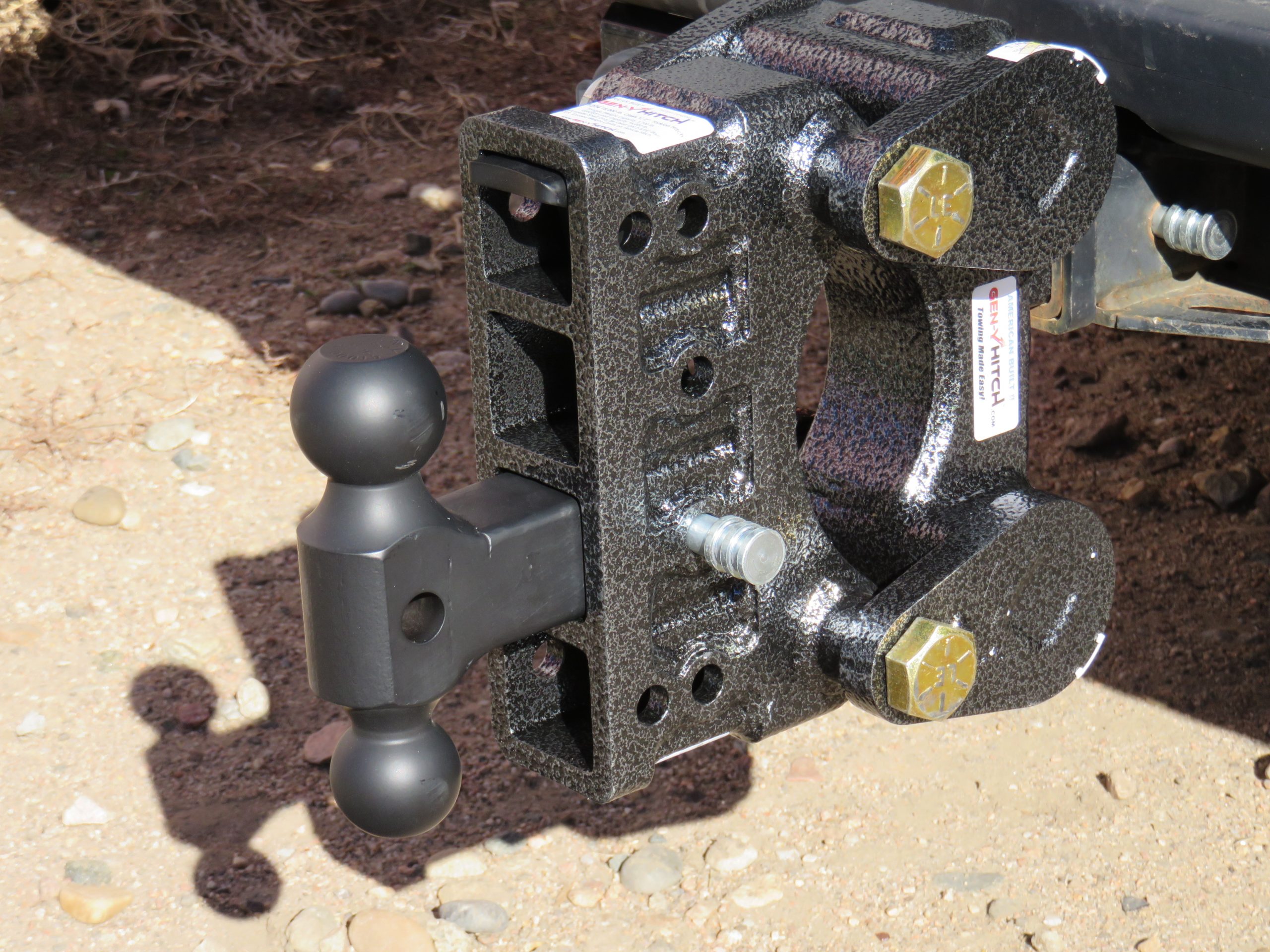
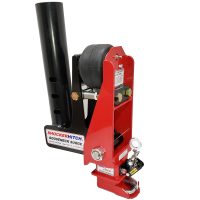
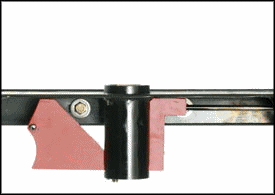
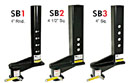
Short-bed truck owners must pay close attention to cab clearance. Depending on the trailer’s front cap and hitch setup, a sliding hitch or an appropriate pivoting-pin-box system may be needed to prevent the trailer from contacting the cab during tight turns. Never guess at this. Measure and use equipment designed for the truck and trailer combination.
A truck camper is easier to park and maneuver than a fifth wheel, but it changes the truck’s center of gravity. You feel it in crosswinds, on crowned roads, and during emergency lane changes. Quality camper tie-downs, correct turnbuckles, proper tire pressures, and a truck with adequate tire and axle capacity are the foundation. A rear sway bar and upgraded shocks can make a well-matched camper noticeably more controlled, particularly on winding roads.
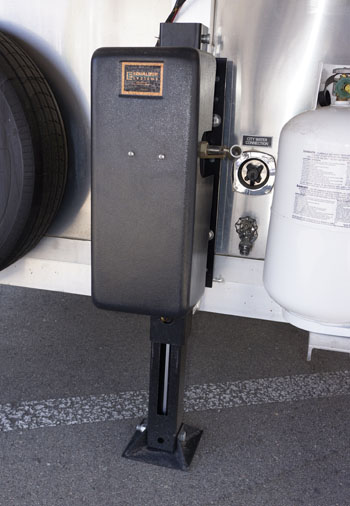
Setup is another real-world divider. With a fifth wheel, you level, unhitch, stabilize, connect utilities, and then have your truck free for local travel. With a truck camper, setup can be quick, but your transportation is also your campsite. You can unload the camper at camp, but it takes level ground, stable jacks, time, and confidence. Most owners leave it on the truck for shorter stays.
Costs You Need to Count
Fifth wheels cover a wider range of prices, but the overall investment can climb fast once you include the right truck, hitch, maintenance, storage, insurance, and campground needs. Larger fifth wheels also use more fuel and may push you toward a diesel one-ton truck, which brings its own purchase and maintenance costs.
Truck campers can be expensive for their size, especially premium hard-side and four-season models. Their advantage is that you are not buying and maintaining a second set of trailer tires, axles, brakes, and suspension. They also tend to fit in more driveways and storage spaces, though a tall camper can create garage-clearance issues.
Neither option is automatically cheaper. Compare ready-to-camp numbers, not just the advertised RV price. Include the truck, hitch or tie-down system, suspension needs, batteries, generator or solar options, and the gear required to travel safely.
Which One Should You Buy?
Choose a fifth wheel if your priority is living space, longer stays, family comfort, and the convenience of unhitching your truck at camp. It is the stronger choice for travelers who want an RV that feels like a destination.
Choose a truck camper if you value mobility, smaller campsites, off-pavement access, and the ability to tow another smaller trailer behind the truck when your ratings allow it. It is the stronger choice for travelers who see the campsite as a base camp, not a living room.
The safest purchase is rarely the biggest RV your truck can technically move. It is the rig that stays within payload, axle, tire, and hitch ratings with full fuel, people, water, and gear aboard. Buy for the trip you will take most often, not the once-a-year trip shown in the brochure.
Before you hook up or load up, make sure the equipment supporting your truck is equal to the job. For proven towing, suspension, tire-monitoring, and trailer-security gear, Visit our store.