

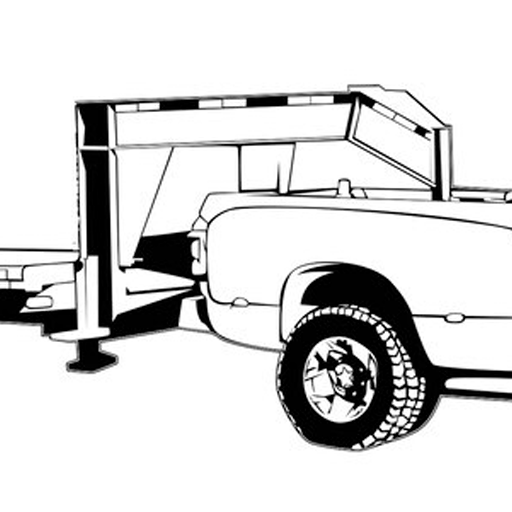
A loaded truck that squats, wallows, or pounds the bump stops is telling you something. The question in the Sumo Springs vs Timbrens debate is not which product has the flashier sales pitch. It is which helper spring matches how your pickup is actually used: empty on weekdays, loaded with a truck camper, pulling a horse trailer, or carrying pin weight from a fifth-wheel.
Both products replace or supplement factory bump stops with load-supporting springs. Both are simple, maintenance-free alternatives to air bags for owners who do not want compressors, air lines, pressure checks, or another system to maintain. But they do not feel exactly alike, and selecting the wrong kit can leave a lightly loaded truck riding harder than it needs to.
What Sumo Springs and Timbrens Actually Do
Neither Sumo Springs nor Timbrens changes your truck’s legal payload rating. They do not increase axle, tire, wheel, hitch, or frame ratings, either. What they can do is reduce squat, resist bottoming, steady the truck under a concentrated load, and help maintain a more controlled ride when factory suspension travel is being used up.
That matters when a trailer puts real tongue weight on the truck. It also matters with slide-in campers, bed-mounted equipment, salt spreaders, service bodies, and heavy cargo carried behind the rear axle. Less rear-end sag can improve headlight aim and preserve front-axle steering feel, but it is not a substitute for loading the trailer correctly or using a properly adjusted weight-distribution hitch when one is appropriate.
Sumo Springs are made from microcellular urethane foam. They compress progressively, meaning resistance builds as the load increases. Depending on the vehicle-specific kit, they may sit close to the axle or contact it at rest.
Timbren Suspension Enhancement Systems use hollow rubber Aeon springs. They also have a progressive rate, becoming firmer as they compress. Many Timbren kits are set up to engage under load, although fitment and the gap between the spring and axle vary by application.
The shared idea is straightforward: add support only when the truck needs it, without asking the driver to adjust anything first.
Sumo Springs vs Timbrens: The Real Ride Difference
The biggest practical difference is often empty-truck ride. Sumo Springs commonly have a more cushioned feel when they begin to engage. For pickup owners who split time between commuting, errands, and moderate towing, that progressive urethane character can be a good fit. They are popular with RV owners who want support for a consistent load without turning every unloaded drive into a rough ride.
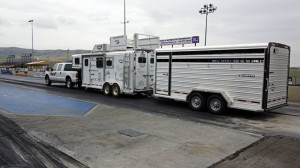
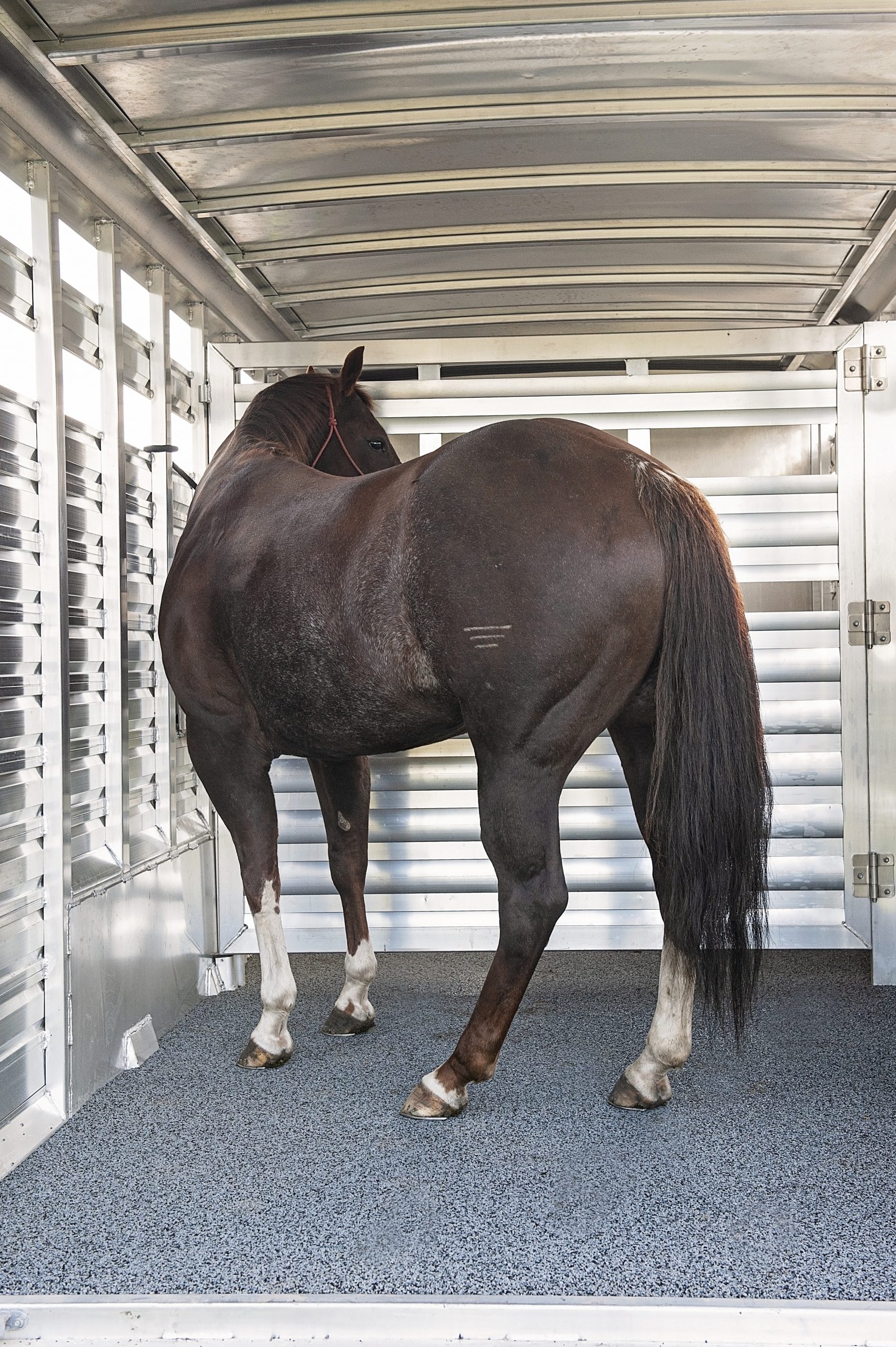
Timbrens tend to bring a firmer, more work-oriented character once engaged. That is not a knock. For trucks that regularly carry heavy bed loads or pull substantial trailers, firmer engagement can be exactly what keeps the rear suspension from collapsing into the factory bump stops. A ranch truck with a loaded stock trailer every week has different priorities than a half-ton that tows a travel trailer six weekends a year.
Do not judge either system by material alone. The specific kit, the truck’s suspension design, tire pressure, cargo placement, and whether the spring contacts the axle at rest all affect ride quality. A well-matched Timbren kit can work very well on a daily-driven truck, while a Sumo Springs kit that is continually compressed under a heavy camper may not be the best answer for an owner seeking maximum control.
When Sumo Springs Are the Better Choice
Sumo Springs are usually the better starting point for owners who want noticeable support with the least change to unloaded ride. They make sense for a truck that alternates between empty driving and moderate loads, particularly when the goal is to soften bottoming and limit sag rather than create a stiff work-truck feel.
They are also a strong choice for many travel trailer and fifth-wheel owners who have their hitch setup correct but still want the truck to settle less under pin or tongue weight. If the rear of the pickup occasionally hits the bump stops on uneven roads, bridge joints, or campground entrances, a progressive helper spring can make those moments far less abrupt.
For camper owners, the decision depends on camper weight and how constantly it stays in the bed. A lighter or midweight camper can pair well with Sumo Springs. For a large, always-mounted camper that keeps the suspension heavily loaded, compare the available spring capacities carefully and consider whether an adjustable system better suits your needs.
When Timbrens Are the Better Choice
Timbrens deserve a hard look when the truck works for a living or spends much of its time near the upper end of its rated payload. They are a common answer for repeated heavy loads where preventing excessive squat and bottoming matters more than preserving the softest unloaded ride.
They are especially worth considering for contractors, farm operators, horse owners, and owners of trucks with service bodies or recurring bed cargo. They can also be a sensible choice for a truck that handles heavy fifth-wheel pin weight and needs added rear support without the upkeep of air bags.
The trade-off is simple: if a Timbren kit engages early or remains in frequent contact, you may feel more impact from sharp bumps when unloaded. Some drivers barely notice it. Others, especially those with lighter half-ton pickups, prefer a little more separation between the helper spring and axle during everyday driving.
Do Not Use Helper Springs to Cover Up a Towing Problem
A helper spring supports the truck. It does not fix a trailer that is loaded tail-heavy, a weight-distribution hitch that has not been adjusted, overloaded tires, or a hitch receiver beyond its rating. If your steering gets light, the trailer sways, or the truck feels unstable, stop treating suspension support as the only answer.
For conventional trailers, proper tongue weight and weight distribution come first. For fifth-wheels and goosenecks, check pin weight, tire capacity, rear axle loading, and the truck’s payload sticker with the trailer fully loaded for travel. A suspension upgrade can improve control, but the scale ticket is still the truth.
It is also smart to inspect shocks. Worn shocks can make any truck feel loose and unsettled, even with new helper springs installed. If the truck bounces repeatedly after a dip or feels uncontrolled on rough pavement, quality shocks may be part of the real repair.
Installation and Fitment Matter More Than Most Owners Expect
One reason both systems are popular is that installation is generally much simpler than adding air bags. There are no air lines to route, no compressor brackets to mount, and no pressure to monitor. Many kits use factory bump-stop locations and can be installed with basic hand tools.
Still, verify the exact year, make, model, drivetrain, bed configuration, lift height, and suspension package before ordering. A two-wheel-drive and four-wheel-drive version of the same truck may not use the same kit. Lifted trucks need special attention because altered axle-to-frame distance changes when the helper spring engages.
After installation, load the truck as you actually use it. Hook up the trailer, load the horses or equipment, and check clearance, stance, and handling in a safe area. If you use a weight-distribution hitch, set that hitch with the truck loaded and the helper springs installed. Do not assume previous chain or bar settings remain correct.
Our Straight Answer
Choose Sumo Springs if your truck is a mixed-use vehicle and unloaded ride quality is high on your list. Their progressive urethane design is often the more comfortable route for occasional towing, moderate bed loads, and RV use where you want support without much fuss.
Choose Timbrens if the truck sees recurring heavy loads and you want firm, dependable resistance to squat and bottoming. They are especially well suited to hard-working pickups, heavy trailers, and owners who would rather accept a firmer unloaded feel than let the rear suspension give up under load.
The best kit is the one sized for your truck and your real scale weights, not the one chosen because a friend uses it on a different pickup. Start with the load, verify the ratings, and let the truck’s job determine the suspension upgrade. For proven towing and suspension equipment selected for serious truck owners, visit the MrTruck store.