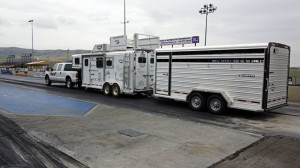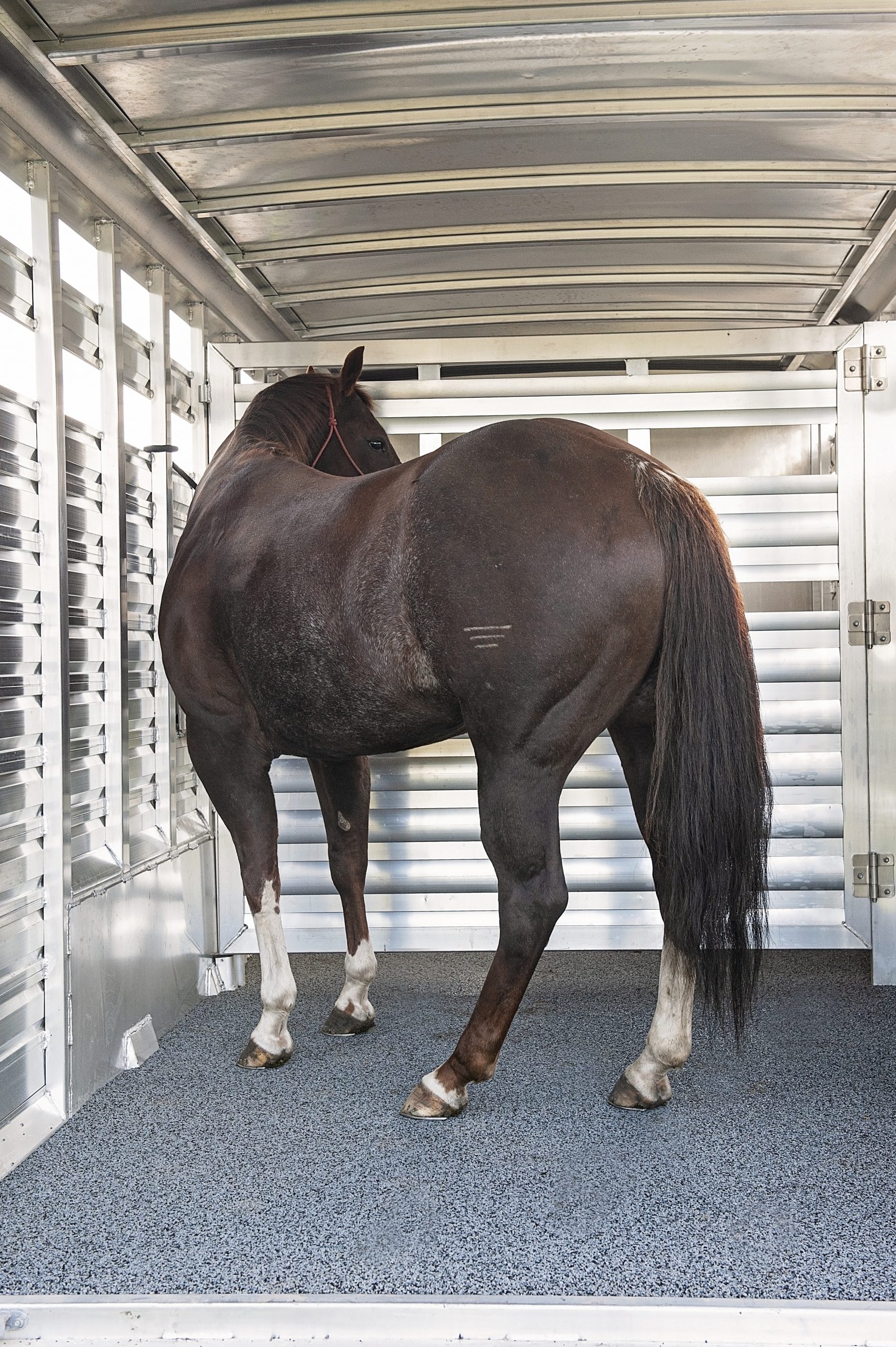

A trailer can disappear faster than most owners expect. Thieves do not need a full shop or a tow truck with flashing lights. They need a few quiet minutes, a vehicle with a receiver hitch, and a trailer left with only a basic coupler lock standing in their way. Learning how to prevent trailer theft means thinking beyond one lock and building enough delay, noise, and inconvenience that a thief moves on.
That matters whether you pull a utility trailer on weekends, haul horses across state lines, park an RV at a storage lot, or depend on an equipment trailer for work. The trailer itself is expensive, but the real loss often includes tools, tack, equipment, schedules, insurance headaches, and time you cannot get back.
How to Prevent Trailer Theft With Layered Security
The best trailer security setup uses layers. No lock is invincible against a determined thief with time, power tools, and privacy. Your job is to eliminate easy opportunities and make the trailer difficult enough to steal that it is not worth the risk.
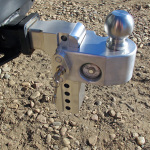
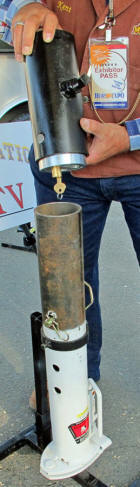
Start at the coupler. A quality coupler lock prevents someone from simply dropping the trailer onto a hitch ball, but it should fit tightly and fully block access to the coupler latch. Cheap universal locks can leave enough room for a thief to manipulate the mechanism or use an oversized ball. Buy a lock designed for your coupler style and size, whether it is a standard ball coupler, lunette ring, gooseneck, or fifth-wheel setup.
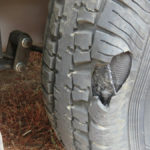
Then add a second physical barrier. A wheel lock or wheel boot is especially effective because it makes the trailer visibly inconvenient to move. Even if a thief defeats the coupler lock, they still have a disabled wheel to deal with. For tandem-axle trailers, a heavy-duty wheel chock lock that secures two wheels together can be an excellent choice. It is bulky, which is exactly why it works.
For high-value trailers, use both. A coupler lock protects the connection point; a wheel lock prevents rolling. These devices solve different problems, and combining them is far better than relying on either one alone.
Do not forget safety chains and spare tires
Safety chains are not theft protection. A thief can often hook chains to a vehicle and pull a trailer without properly coupling it, especially over a short distance. Secure chains so they cannot be quickly used as a backup towing connection.
Spare tires also get stolen. Use a locking spare-tire cable or a lockable carrier if the spare is mounted externally. It is a smaller loss than the trailer, but an exposed trailer spare is an easy target and can leave you stranded when you need it most.
Park Like Someone Is Watching
Where and how you park may matter more than the lock you buy. A trailer sitting behind a fence with poor lighting and no traffic can be easier to steal than one parked in a busy driveway. Theft thrives on privacy.
At home, park the trailer where it is visible from the house whenever possible. Motion-activated lighting helps, but lighting alone is not security. A camera aimed at the hitch area and license plate provides a useful deterrent and may help identify the tow vehicle if someone does make off with the trailer.
If the trailer must be stored beside a building, back it into a tight space so the coupler faces a wall, fence, or other obstruction. Blocking access to the tongue makes it harder to hook up quickly. You can also park another vehicle directly in front of the trailer, provided you do not create a situation where you cannot move the trailer quickly in an emergency.
At a storage lot, choose visibility over convenience. A space near the entrance, manager’s office, cameras, or regular traffic is generally a better choice than a remote back row. Ask the facility whether access is controlled, whether cameras actually record, and how long recordings are retained. A gate code without cameras or active management is not much of a security plan.
Remove What Makes the Trailer Easy to Tow
A thief wants to connect, roll, and leave. Remove or disable any part that makes that process fast.
For bumper-pull trailers, take off the ball mount when the truck is parked and do not leave a matching ball mount hanging on the trailer. This will not stop a thief who brings their own equipment, but it eliminates one easy shortcut.
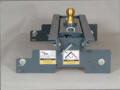
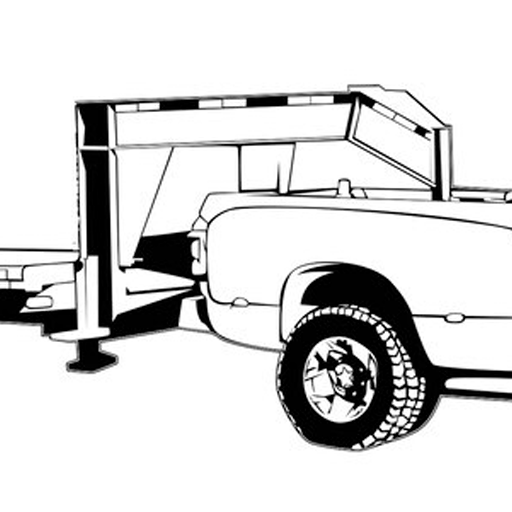
For gooseneck trailers, consider a purpose-built kingpin or coupler lock that prevents connection to a truck bed hitch. Gooseneck and fifth-wheel trailers require security equipment made for their specific coupling systems. A standard coupler lock will not do the job.
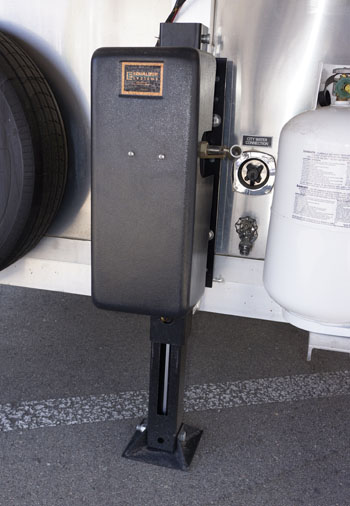
If your trailer has removable ramps, load-leveling equipment, stabilizer jacks, or expensive accessories, secure or remove them. Thieves often take what is easiest first. A trailer with its ramps, generator, tools, and batteries exposed can attract attention even if the trailer itself is locked down.
Use Alarms and Tracking for the Right Job
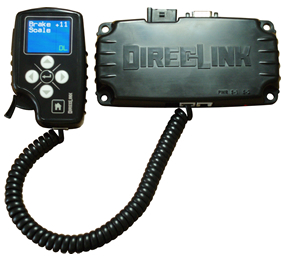
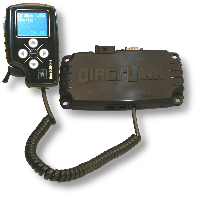
Electronic security is valuable, but it works best alongside physical security. An alarm can alert you when a trailer moves or when the coupler is disturbed. A GPS tracker can help law enforcement locate the trailer after a theft. Neither device physically stops a thief from towing away, so do not treat electronics as a replacement for locks.
A GPS tracker should be concealed, hardwired when practical, and checked regularly. Battery-powered trackers can work well, but they are only useful if the battery is charged and the device has a signal. Consider a tracker with movement alerts and geofencing, which notifies you when the trailer leaves a designated area.
Do not mount a tracker in an obvious tongue box. A thief who finds it can remove it in seconds. Use a discreet location that remains protected from road spray, heat, and routine maintenance. If the trailer is worth enough to justify it, a second hidden tracker gives you a backup if the first one is found.
Make Your Trailer Easy to Identify and Harder to Resell
Recovery begins before a theft occurs. Record the VIN, license plate, make, model, year, tire size, and any unique options. Photograph all four sides of the trailer, the hitch, wheel areas, interior, decals, serial-number tags, and cargo. Store those photos somewhere other than inside the tow vehicle.
Marking your trailer and equipment gives law enforcement and buyers another way to identify stolen property. Engraving or using a permanent marking system on less visible areas can discourage resale. Put identifying information in more than one place. A thief may remove a decal, but removing several concealed markings is harder.
Keep registration, title information, purchase records, and photos organized. If the trailer is stolen, you will need accurate details immediately. The first few hours matter, particularly if the trailer is still moving through your area.
Avoid the Security Mistakes Thieves Count On
The biggest mistake is assuming a small padlock on the coupler makes the trailer secure. It may deter casual meddling, but experienced thieves recognize weak locks quickly. Another common mistake is using a lock that does not fit correctly. A loose lock can often be defeated faster than no lock because it gives the thief something to pry against.
Do not leave keys, spare hitch pins, registration paperwork, or garage-door remotes in the trailer or tow vehicle. A thief who gets access to one item should not receive everything needed to leave with the trailer and enter your property.
Also consider your routine. If neighbors see the trailer sitting untouched for months, thieves may notice too. Check stored trailers regularly, verify locks are still in place, and inspect tires, batteries, and tracking devices. Security equipment only helps when it is actually being used.
A Practical Setup for Most Trailer Owners
For a typical utility, equipment, horse, or travel trailer, start with a high-quality fitted coupler lock and a wheel lock. Add visible parking, motion lighting, and camera coverage at home. Keep photos and VIN information on your phone and in a separate secure file. For trailers carrying valuable equipment or parked away from home, add a hidden GPS tracker and choose a storage location with controlled access and real surveillance.
The right level of protection depends on the trailer’s value, where it is parked, and how long it sits unattended. A $2,000 landscape trailer in a locked residential yard needs a different plan than a loaded enclosed contractor trailer or a high-end horse trailer stored at a remote facility. But every trailer deserves more protection than a hope-and-prayer padlock.
A good security setup does not have to be complicated. It has to make your trailer a harder target than the one parked nearby. For proven trailer locks, wheel security, and towing equipment selected for real-world use, [Visit our store] https://store.mrtruck.com/.