


A truck that squats under trailer tongue weight is telling you something. The rear suspension is carrying more load than it can comfortably manage, and headlights, steering feel, braking balance, and trailer control can all suffer. In the airbags vs helper springs decision, the right answer depends less on advertising claims and more on how you use your truck when it is loaded and when it is not.
Neither option turns a half-ton into a one-ton, and neither raises the truck’s legal payload, axle rating, tire rating, or towing rating. What they can do is help the truck carry an appropriate load level, improve its stance, and make a properly matched trailer feel more controlled.
Airbags vs Helper Springs: The Real Difference
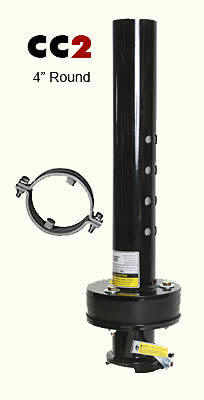
Airbags are inflatable rubber springs mounted between the frame and axle, usually at the rear. Add air and they provide more support. Let air out, down to the manufacturer’s minimum operating pressure, and the truck returns closer to its unloaded suspension behavior. That adjustability is their main advantage.
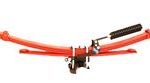
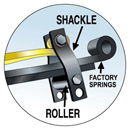
Helper springs are additional leaf-spring support. They may be an add-a-leaf, a progressive leaf pack, an overload spring system, or another steel spring arrangement that works alongside the factory leaf springs. They are always there. Some designs engage gradually as the truck settles under weight; others provide support sooner and more firmly.
Put simply, airbags are adjustable support for changing loads. Helper springs are mechanical support for consistent loads. Both can be excellent, but they solve the same squat problem in distinctly different ways.
When Airbags Make the Better Choice
Airbags make sense for the owner whose truck works different jobs through the week. Maybe it pulls a travel trailer on Friday, carries a slide-in camper a few times a month, then spends the rest of its time empty. Being able to run lower pressure unloaded and add pressure for a trailer is valuable.
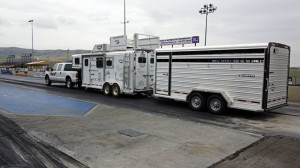
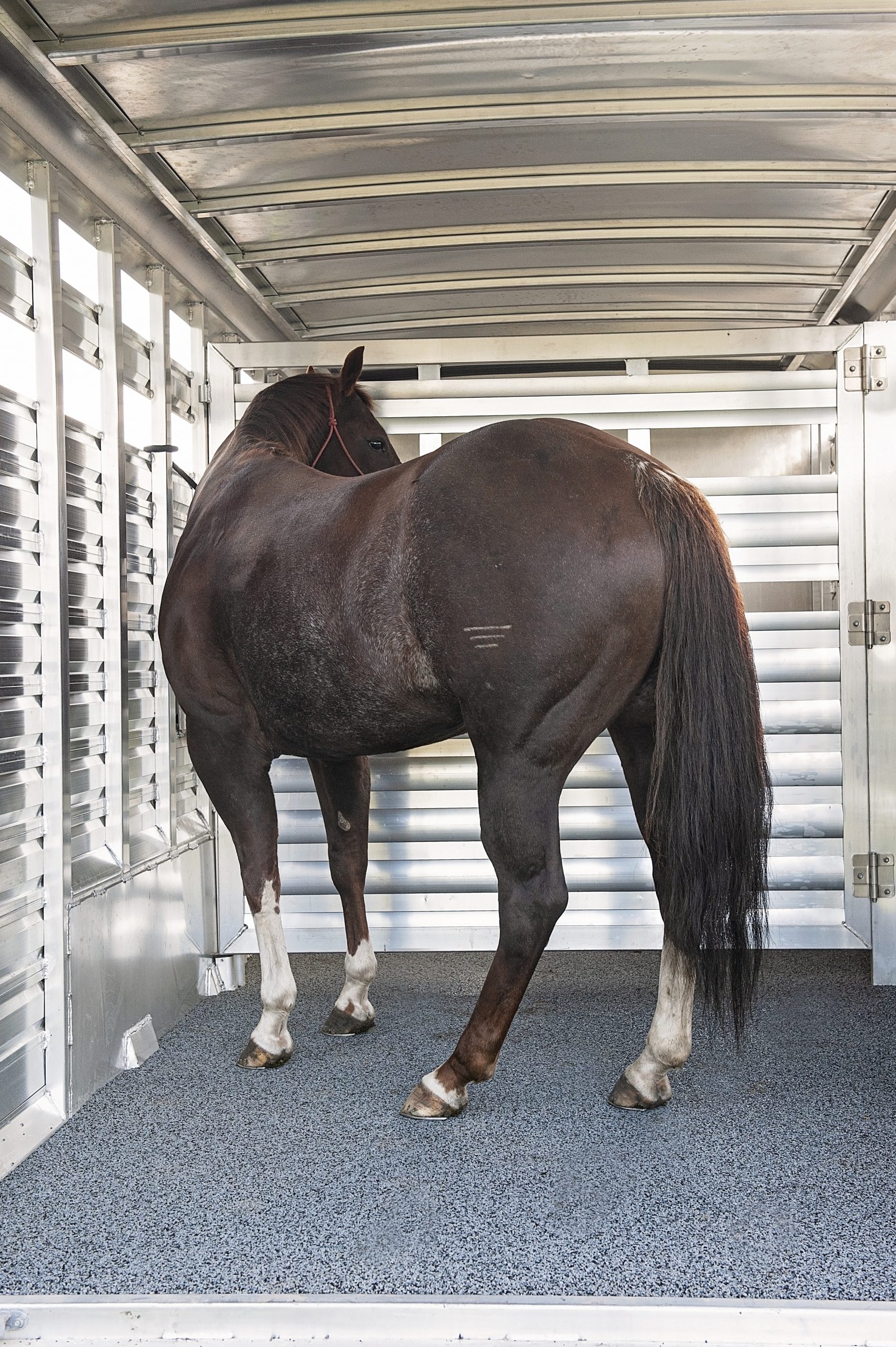
They are especially useful when side-to-side loads change. A truck camper with a heavy refrigerator, generator, water tank, or storage compartment on one side can lean even when the truck is within its ratings. Separate left and right airbag circuits let you make small corrections. That is also useful for certain horse trailers, where the loading arrangement can vary from trip to trip.
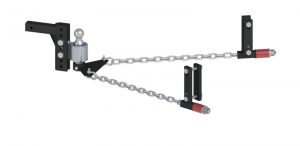
Airbags are not a substitute for correct trailer setup. If a bumper-pull trailer has inadequate tongue weight or the weight-distribution hitch is not adjusted correctly, pumping up the rear bags can mask the symptom while leaving the real problem untouched. In fact, adding too much bag pressure before setting a weight-distribution hitch can reduce the hitch’s ability to transfer weight back to the front axle and trailer axles.
The practical way to use airbags is to load the truck and trailer first, set the hitch correctly, then add only enough air to bring the truck back toward a level, controlled stance. More pressure is not automatically better. An overinflated bag setup can make the rear ride sharp and can reduce the suspension’s ability to work naturally over uneven pavement.
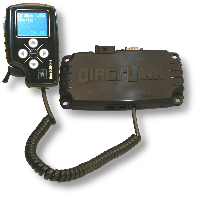
Airbags also bring a few ownership considerations. Air lines, fittings, and compressors add installation complexity. A manual-fill system is simple and dependable, but it requires checking pressure before a trip. An onboard compressor with an in-cab controller is more convenient for frequent adjustments, though it adds cost and more components to maintain. Inspect air lines regularly, keep them away from heat and moving parts, and do not ignore a slow leak.
When Helper Springs Are the Better Answer
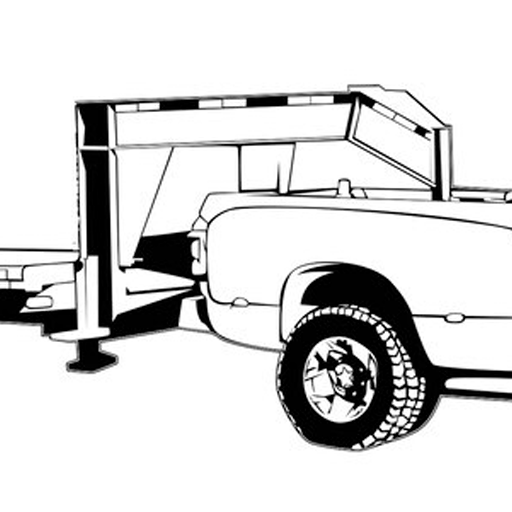
Helper springs are often the better long-term answer for a truck that carries a steady load. Ranch trucks with regular bed cargo, service pickups, work trailers, heavy goosenecks, and dedicated truck campers are good examples. If the truck is loaded the same way most of the time, a steel spring solution gives dependable support without needing air checks, switches, or compressors.
A well-designed progressive helper spring system can be particularly good for towing. It allows the factory suspension to handle lighter bumps, then adds support as the truck settles under tongue or pin weight. The result is often a more planted feel with less rear-end wallow, especially on rolling roads and when passing trucks create pressure changes around the trailer.
The trade-off is empty ride. Depending on the design and how much support is added, helper springs can make an unloaded pickup feel firmer. That may not bother a truck used mainly for work, but it matters to an owner who drives an empty truck every day. This is where product selection and installation matter. A helper spring that engages progressively is usually more civilized than a setup that makes the rear suspension stiff from the first inch of travel.
Steel helper springs are also simple. There are no air lines to rub through and no pressure to monitor. For owners who want to hook up, load up, and go without adjustment, that simplicity is hard to beat.
Match the Support to Your Towing Pattern
Start by being honest about the load, not just the trailer’s brochure weight. A fifth-wheel’s pin weight, a loaded horse trailer’s tongue weight, passengers, fuel, tools, firewood, and cargo in the bed all count against payload. Weigh the truck and trailer when loaded for a typical trip. Guessing is how owners end up trying to fix an overloaded truck with suspension accessories.
Choose airbags if your load changes substantially, if you need occasional leveling help, or if side-to-side adjustment would be useful. They are a strong fit for mixed-use pickups and owners who are willing to manage air pressure correctly.
Choose helper springs if you carry substantial weight regularly and want a set-it-and-forget-it solution. They are a strong fit for work trucks, dedicated campers, and frequent heavy haulers that benefit from consistent rear support.
Some serious towing rigs use both. Helper springs can provide the baseline support, while airbags handle small changes in load or side-to-side correction. That combination can work well, but it should be selected carefully. Stacking support systems without understanding how they affect ride height and suspension travel can create a truck that rides poorly or is difficult to set up with a weight-distribution hitch.
Do Not Forget the Rest of the Towing Setup
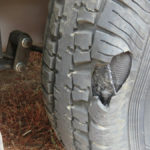
Rear support is one piece of the towing system. Tires must have adequate load capacity and proper inflation. Shocks need to control the added spring force, especially on a truck with many miles on the factory dampers. A worn shock absorber can make a properly supported truck bounce and porpoise, which many owners mistakenly blame on the trailer.
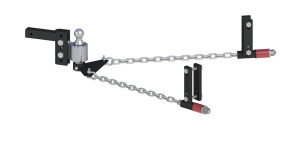
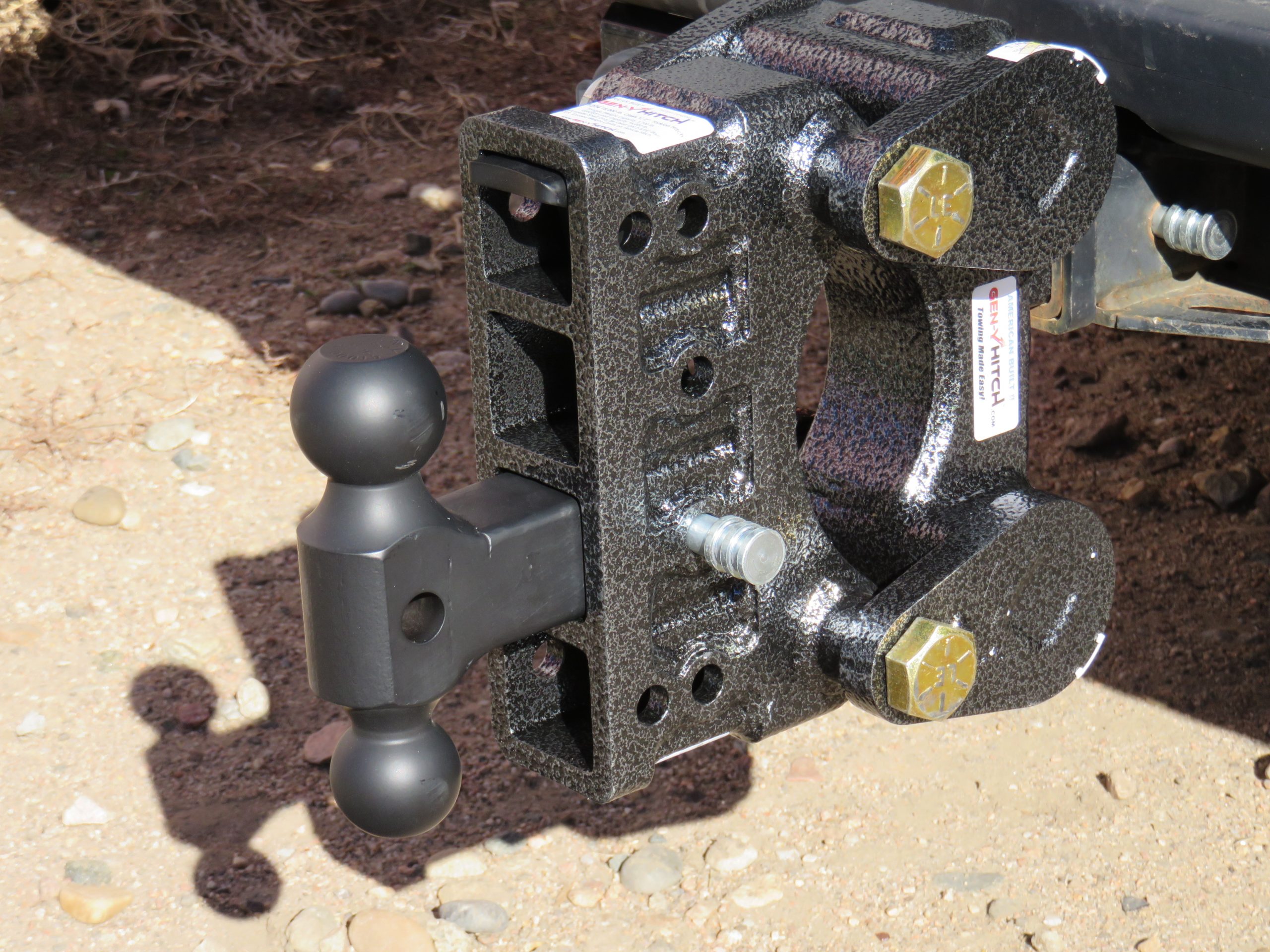
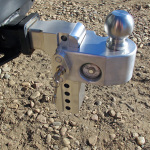
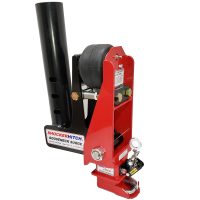
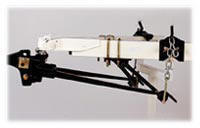
For bumper-pull trailers, verify that the weight-distribution hitch is matched to actual loaded tongue weight and adjusted with the truck loaded. For fifth-wheels and goosenecks, confirm the hitch, bed structure, tire capacity, and rear axle rating are appropriate for the real pin weight. If steering feels light or the truck is still nose-high after support is added, stop and reassess the setup.
The Straight Answer
Airbags are the better tool for changing loads and fine-tuning ride height. Helper springs are the better tool for steady, repeatable loads and owners who value mechanical simplicity. The best system is the one that supports a properly rated truck without disguising an overloaded or poorly balanced combination.
MrTruck carries towing suspension equipment chosen for real pickup, RV, livestock, and work-trailer use. Shop the MrTruck store for proven support options that fit the way you actually haul.
A level truck is useful, but a safe towing combination is the real goal: correct ratings, correct hitch setup, good tires, and suspension support that works with the load instead of merely hiding it.