


A trailer that makes the rear of your truck squat, lightens the steering, and starts pushing around in crosswinds is not telling you to buy a bigger truck right away. It may be telling you that you need the best weight distribution hitch for the load you actually tow. Properly selected and adjusted, a weight distribution hitch puts weight back where your truck needs it, improves control, and makes a long day behind the wheel far less tiring.
This is not an accessory to buy by the trailer’s empty weight or because a package claims it fits “up to” a certain number. A weight distribution hitch is a safety component. Get the tongue-weight rating, trailer setup, and adjustment right, and it can transform a nervous towing combination. Get them wrong, and it can create a rough ride, poor handling, or undue stress on the truck and trailer.
What Makes the Best Weight Distribution Hitch?
Andersen Weight Distributing Hitch: Full Product Review and Exclusive Sales
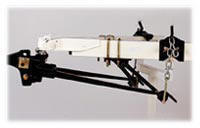
The best setup is the one matched to your loaded tongue weight, your tow vehicle’s ratings, and the type of roads you travel. For many conventional travel trailers, enclosed trailers, and horse trailers, an integrated sway-control hitch is the right answer. It distributes load across the axles while resisting the trailer’s tendency to steer the truck in wind, passing traffic, downhill curves, and uneven pavement.
There is no single hitch that wins for every owner. A half-ton pulling a 28-foot travel trailer on interstate trips has different needs than a three-quarter-ton truck pulling a loaded stock trailer over rural roads. The right choice comes down to capacity, sway control, clearance, noise, ease of hookup, and how often the trailer is used.
The basic job is straightforward. The hitch transfers part of the trailer’s tongue weight from the truck’s rear axle toward the front axle and the trailer axles. That helps restore steering response and braking balance. It does not increase your truck’s payload, hitch rating, rear-axle rating, or maximum trailer rating. It simply helps your existing, properly rated combination work as intended.
Start With Loaded Tongue Weight, Not Trailer Brochure Weight
This is where too many hitch purchases go sideways. Trailer dry weight is not the number that matters. Once you add propane, batteries, water, tools, hay, camping gear, tack, food, and personal cargo, the actual weight on the hitch can be hundreds of pounds higher.
For a conventional bumper-pull trailer, loaded tongue weight commonly falls in the 10 to 15 percent range of loaded trailer weight. A 7,000-pound loaded trailer may carry 700 to 1,050 pounds on the hitch. Some trailers, especially those loaded front-heavy, can exceed that range. The only dependable answer is to weigh the loaded truck and trailer, or at minimum measure tongue weight with suitable equipment.
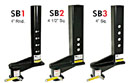
Choose spring bars based on real tongue weight, including anything mounted behind the truck’s rear axle. A heavy cargo rack, generator tray, or bed load can affect the hitch’s working load. Spring bars rated far below the actual load will not transfer enough weight. Bars rated far above the load can make the combination harsh and may prevent proper adjustment.
A good target is a hitch whose tongue-weight range covers your normal loaded condition with room for reasonable variation. Do not select a 1,400-pound-bar system because it sounds tougher if your real tongue weight is 650 pounds. Bigger is not automatically better in towing.
Best Weight Distribution Hitch Types for Real-World Towing
Four-point integrated sway control
For most travel trailer owners, this is the proven all-around choice. Systems such as the Equal-i-zer style of four-point sway control create friction at the head and spring-bar brackets, resisting sway before it develops into a serious event. There is no separate friction bar to remove before backing up, and the system works in both directions.
This style is especially well suited to RVs, enclosed trailers, and general-purpose trailers that see highway miles, gusty conditions, and passing semis. The trade-off is that these hitches can be noisy during tight turns and require careful initial setup. A little groaning at a campsite turn is normal. A hitch that binds badly, drags brackets, or does not return to center deserves inspection and adjustment.
Blue Ox-style sway control
A Blue Ox SwayPro-style hitch uses spring bars and bracket geometry to provide weight distribution and built-in sway resistance without relying on classic friction points. Many owners appreciate its quieter operation and straightforward hookup. It is a strong choice for towing families who use their trailers frequently and want solid control without extra steps every time they connect.
Like any hitch, it must be sized correctly and adjusted with the trailer loaded. It is not a substitute for proper tire pressure, proper loading, or adequate truck capacity. No hitch can fully correct a trailer with too little tongue weight or a truck already overloaded in the rear.
Chain-and-trunnion systems with separate sway control
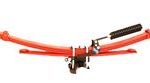
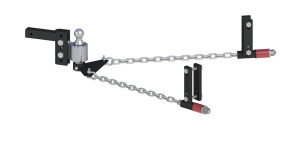
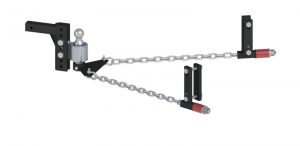
Traditional chain-style weight distribution hitches remain common, and they can distribute weight effectively when installed and adjusted correctly. Some use round bars, while others use trunnion bars that offer better ground clearance and are often preferred on lower trailers or uneven driveways.
A basic chain system may need an add-on sway-control bar for higher-speed towing. That can be an economical solution for a smaller utility trailer used occasionally, but it is generally not our first pick for a long, tall travel trailer that sees regular interstate travel. Separate friction bars require more attention, may need removal for backing or slick conditions, and do not offer the same integrated control as premium systems.
Sway Control Helps, But Loading Comes First
A weight distribution hitch can reduce sway, but it cannot repeal physics. Load the trailer with its center of gravity low and as close to the axle area as practical. Keep enough weight forward to maintain stable tongue weight, but do not pile every heavy item into the front storage compartment. Secure cargo so it cannot shift.
Trailer tires deserve just as much attention. A trailer on aged, underinflated, or overloaded tires can become unstable quickly. Verify tire condition, wheel bearing service, brake operation, suspension components, and coupler hardware before blaming the hitch for every handling issue.
If sway begins while towing, do not jerk the wheel or stab the truck brakes. Hold the wheel steady, ease off the accelerator, and apply the trailer brakes manually if your brake controller allows it. Then stop when safe and find the cause. Continuing down the road after a serious sway event is gambling with your truck, trailer, and everyone around you.
Proper Setup Is Where Performance Is Won
Installation instructions matter, but the basic process is consistent. Start on level ground with the trailer loaded as it will be towed. Measure the truck’s front and rear fender heights before coupling, then couple the trailer without the spring bars engaged. That shows how much the load has changed the truck’s stance.
After engaging the weight distribution system, the goal is generally to restore a meaningful portion of the front-end rise caused by the trailer. Follow the truck manufacturer and hitch manufacturer guidance, because newer trucks can have specific front-axle load restoration limits. The rear should settle, but the truck should not be forced into an unnatural nose-down attitude.
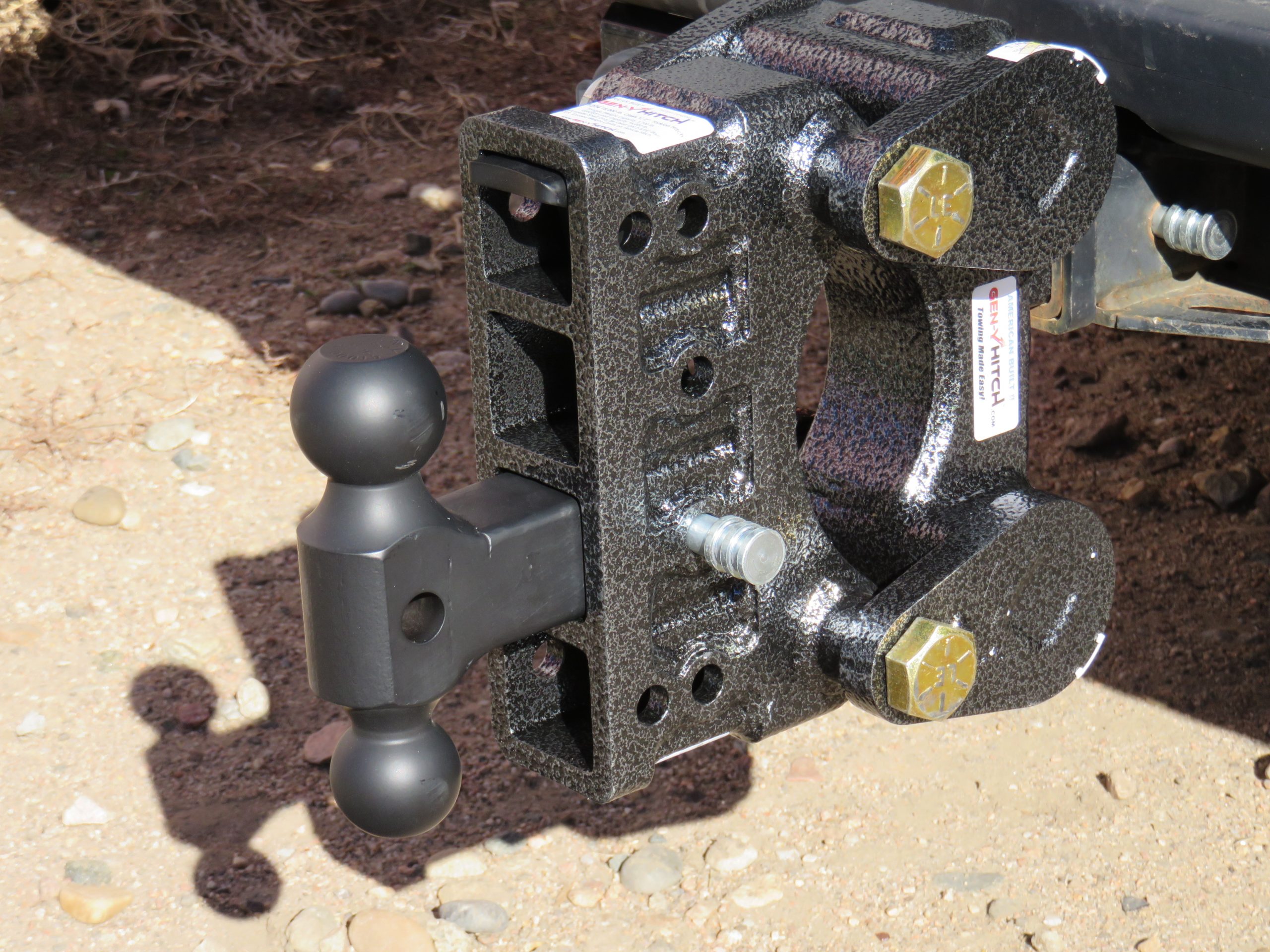
The hitch head angle, number of chain links or bracket position, and [trailer ball height] (https://mrtrailer.com/genysale.htm) all affect the result. A trailer should ride level or very slightly nose-down when loaded. Nose-high trailers are a common source of poor handling and can reduce braking effectiveness on some trailer designs.
After the first short test drive, recheck every fastener, bracket, coupler connection, safety chain, breakaway cable, and spring-bar connection. Then recheck after the first several towing trips. New hardware settles, paint compresses, and an adjustment that looked right in the driveway may need a small correction after road testing.
When You May Not Need Weight Distribution
Not every trailer needs it. A light utility trailer behind a properly sized pickup may tow better without spring bars. Some vehicle and trailer manufacturers restrict or prohibit weight distribution with certain receivers, unibody vehicles, or trailer couplers. Some heavy-duty trucks pulling modest trailers have enough wheelbase, suspension, and axle capacity that weight distribution adds little benefit.
The decision should be based on the owner’s manuals, actual scale weights, and handling, not on appearances alone. If your truck stays level, retains front-axle load, and handles properly without distribution, forcing a hitch into the setup may not improve anything. But if the truck squats, steering feels vague, or the trailer becomes unsettled at highway speed, it is time to address the setup before the next trip.
A properly sized weight distribution hitch should make towing feel calm, not merely tolerable. Measure the load, respect every rating, and take the time to adjust the system before you head out with the family, horses, equipment, or camper behind you.
Need proven towing equipment and straight answers before you buy? [Visit our store] (https://Store.MrTruck.com).