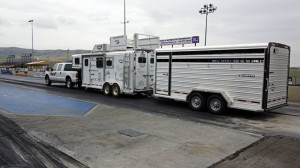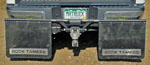

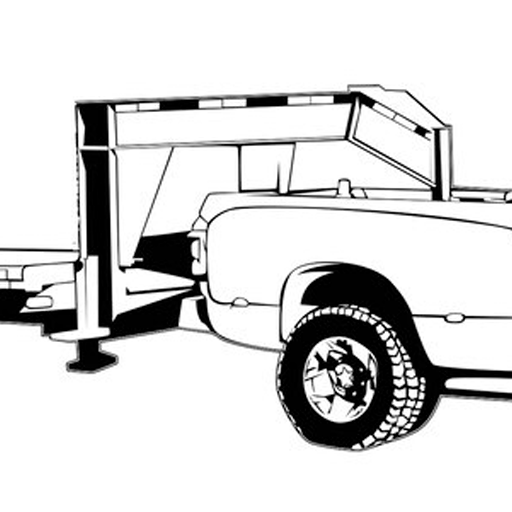
Back into a fifth-wheel hitch with a stock pickup tailgate a few times, and the problem gets obvious fast. The best fifth wheel tailgate gives you more clearance at the hitch, makes hookup less fussy, and cuts the chances of denting an expensive factory tailgate when you are lining up a trailer on uneven ground.
This is one of those truck accessories that looks simple until you actually need it. Then it becomes a real convenience item, especially for RV owners, horse trailer haulers, and anyone who hooks and unhooks often. A good V-cut or louvered fifth-wheel tailgate can save time at every stop, but not every truck owner needs one, and not every model fits or works the same.
What makes the best fifth wheel tailgate?
The short answer is clearance, fit, and day-to-day usability. If a tailgate gives you a wide enough center opening to back under the pin box without crowding the truck, that is doing the main job. But the best fifth wheel tailgate also needs to latch cleanly, sit straight, resist rattles, and hold up to weather and regular use.
Material matters more than some buyers expect. Steel models usually feel solid and can match the truck’s factory character better, but they are heavier and more prone to rust if the finish gets chipped. Aluminum models are easier to handle and resist corrosion better, which matters if you tow in wet climates, on winter roads, or around livestock facilities where equipment gets washed often.
Fit is where cheap tailgates start to show their weaknesses. A fifth-wheel tailgate should be built specifically for your truck’s year, make, and model, not treated like a universal piece that sort of works. Bad fit leads to uneven gaps, latch issues, shaking, and frustration every time you use the truck.
Why a fifth-wheel tailgate helps in the real world
If you tow only a couple of weekends a year, you may be able to get by with your OEM tailgate and careful hookup habits. But if you use your hitch regularly, the value shows up fast.
The biggest advantage is simpler trailer hookup. The V-shaped opening gives the pin box room as you back under the trailer, so you are not trying to thread the needle with a full-width stock tailgate in the way. That is especially helpful when the campsite is off-level, the ground is soft, or you are hooking up before daylight.
There is also less worry about tailgate damage. Factory tailgates are expensive, and newer trucks make that worse with cameras, sensors, power operation, and premium trim pieces. One bad angle during hookup can turn a simple mistake into a costly repair.
A fifth-wheel tailgate can also improve rear visibility a bit when the truck is unloaded. It will not turn your pickup into an open-bed flatbed, but the open center section can make backing and lane changes feel less blocked than a full-height factory gate.
Best fifth wheel tailgate styles to consider
There are two common designs most truck owners look at. The first is the classic V-gate, which uses a center cutout for pin-box clearance. This is the most familiar style and usually the best choice for straightforward towing use. It is simple, proven, and easy to understand.
The second is the louvered or vented style. These can reduce wind drag slightly and often have a more finished aftermarket look. Some owners like them for appearance as much as function. That said, the styling does not matter if the latch quality or truck fit is poor.
Some models include built-in locks, rotary latches, or hardware designed to reuse factory mounting points. Those are not gimmicks if they are done right. A tailgate that installs cleanly and locks securely is worth more than one with flashy features and sloppy tolerances.
Best fifth wheel tailgate materials
Steel tailgates
Steel is still a good option for owners who want a traditional feel and do not mind extra weight. It often gives a solid close and can feel more like original equipment. For work trucks and older pickups, that can be a good match.
The downside is handling and corrosion. If you remove the gate often, steel gets old in a hurry. And once powder coat or paint is damaged, rust can start, especially in road salt country.
Aluminum tailgates
Aluminum is the better fit for many towing owners today. It is lighter, easier to install, and much easier to remove when needed. That can make a real difference for solo owners who switch between towing duty and normal truck use.
The trade-off is that some aluminum gates can feel less substantial than a heavy steel unit, depending on design. Build quality matters more than material alone. A well-built aluminum gate beats a poorly made steel one every time.
How to choose the best fifth wheel tailgate for your truck
Start with the truck, not the tailgate. You need exact year, make, model, and sometimes trim details. That matters because tailgate cables, hinge points, backup camera provisions, and latch geometry vary more than many buyers realize.
If you own a newer truck with integrated cameras or electronic locking features, do not assume an aftermarket fifth-wheel tailgate will duplicate all of them. In many cases, it will not. That is not necessarily a deal breaker, but you should know what you are giving up before replacing the factory gate.
Bed length matters too, though maybe not in the way people think. A fifth-wheel tailgate does not solve short-bed turning clearance by itself. That is a hitch and trailer geometry issue. The tailgate helps during hookup and bed access around the pin box, but it is not a substitute for a proper sliding hitch or other short-bed towing solution when you need one.
You should also think about how often the truck runs without the trailer. Some owners leave the fifth-wheel tailgate on full-time and like the convenience. Others swap back to the factory gate for daily driving, either for appearance, security, or to keep camera functions. If you plan to switch back and forth, lighter weight and easier hardware become more important.
Common mistakes when buying a fifth-wheel tailgate
One mistake is buying on appearance alone. A sharp-looking gate is fine, but latch quality and fit are what you will live with. If it rattles, sits crooked, or needs a hard slam every time, the newness wears off quickly.
Another mistake is ignoring finish quality. Tailgates live in rough conditions – rain, dust, road salt, UV exposure, feed lots, campgrounds, and gravel roads. A weak finish will start showing age sooner than expected.
The last big mistake is expecting every truck owner to need one. If your trailer stays hooked for long stretches, or you rarely unhook, the benefit may be smaller. A fifth-wheel tailgate is most valuable for people who hitch frequently and want easier day-to-day use.
Is the best fifth wheel tailgate worth it?
For many towing owners, yes. If you pull a fifth-wheel RV, horse trailer, or other gooseneck-style setup on a regular basis, this is one of the more practical upgrades you can make. It does not add horsepower, and it will not fix a poorly matched hitch setup, but it does make the truck easier to use where it counts.
That is the right way to judge it. Not as a flashy accessory, but as a tool that reduces hassle and lowers the risk of damaging a costly stock tailgate. For serious haulers, that is enough reason.
The best fifth wheel tailgate is the one that fits your truck correctly, gives proper pin-box clearance, uses quality hardware, and matches how often you tow. Buy for function first. If it also looks good on the truck, that is a bonus.
If you want help choosing a proven towing setup and accessories that actually work together, visit our store at https://Store.MrTruck.com. A good tailgate should make every hookup easier, and the right one usually pays for itself the first time it saves your factory gate.