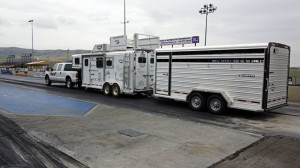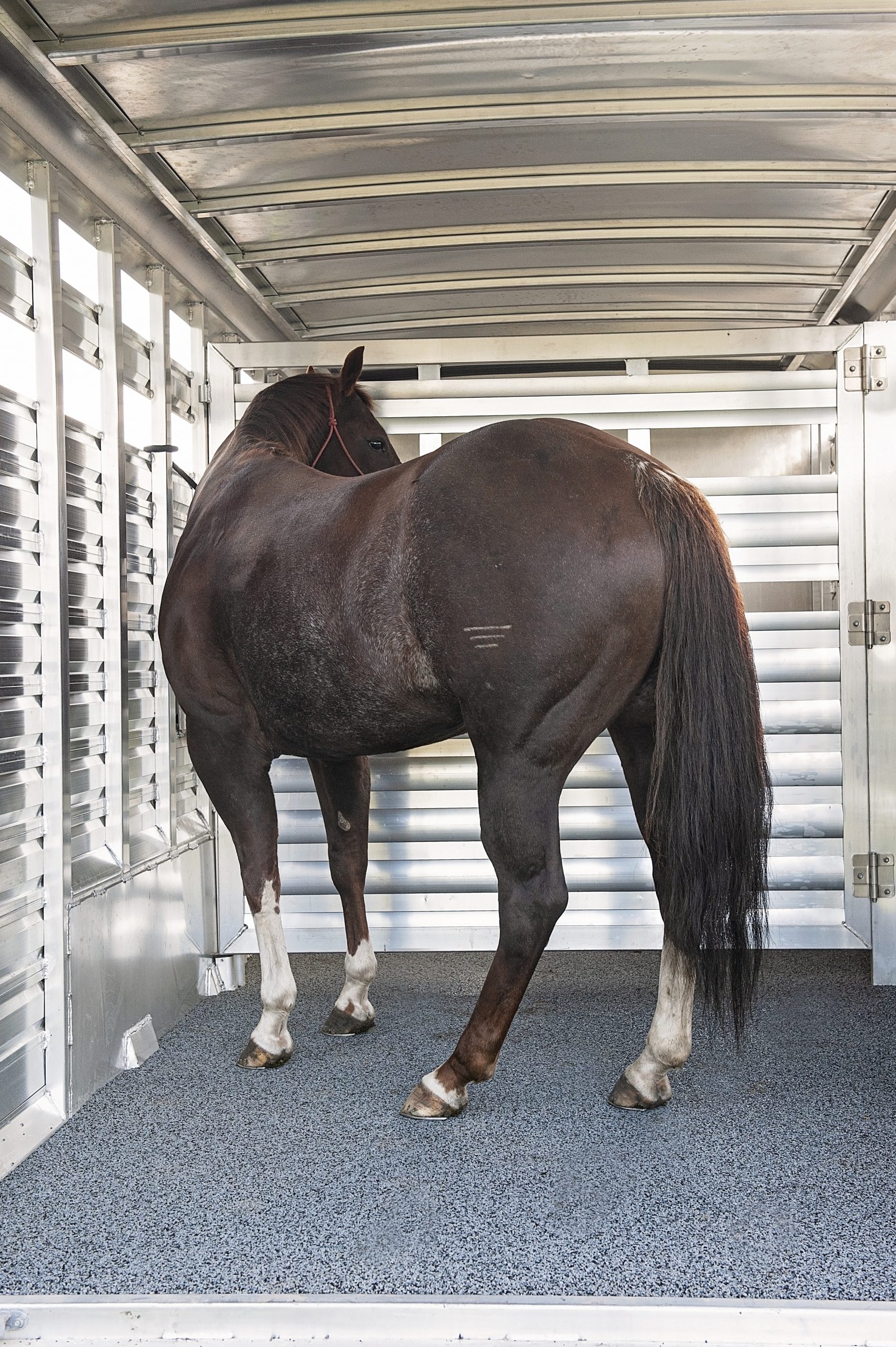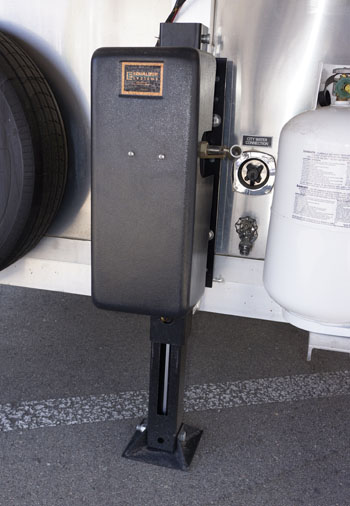



A trailer tire that wears out on one edge is not asking for a new tire. It is reporting a problem. Trailer tire wear is one of the clearest warning signs a hauler gets, and ignoring it can turn an inexpensive correction into a roadside tire failure, damaged suspension parts, or a ruined trip with horses, RV gear, or equipment sitting on the shoulder.
Unlike truck tires, trailer tires do not steer and usually do not show their trouble through a wandering steering wheel. You have to inspect them. Run your hand across the tread before a trip, look at both shoulders, and compare every tire on the trailer. The wear pattern matters more than the remaining tread depth.
Read the Trailer Tire Wear Pattern First
Start with the trailer parked on level ground and the tires cool. Look at the tread from directly behind each wheel, then run your palm across it in both directions. A healthy tire wears relatively evenly from shoulder to shoulder. Minor differences happen, especially on multi-axle trailers that scrub tires during tight turns, but pronounced patterns point toward a mechanical or loading issue.
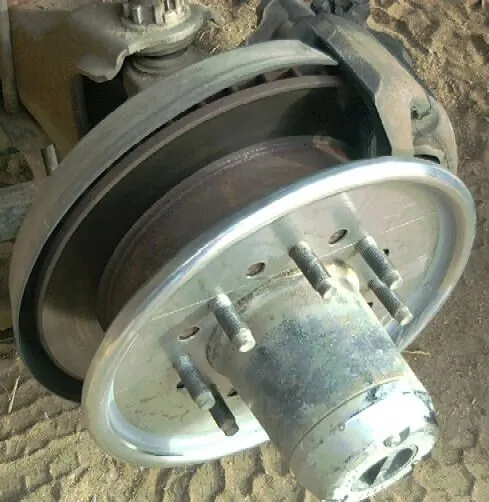
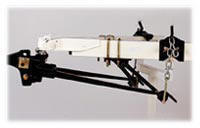
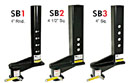
#image_Centramatic
Wear concentrated in the center of the tread usually means overinflation. The tire is riding on its crown because there is too much air for the load it is carrying. This is common when owners use maximum sidewall pressure without confirming whether that pressure matches the tire and axle manufacturer’s recommendation for the actual trailer load. Some specialty trailer tires are designed to run at their listed maximum pressure, so do not guess. Check the tire placard, axle information, and tire manufacturer guidance.
Both outside shoulders wearing faster than the center usually indicates underinflation or overloading. The tire flexes too much, builds heat, and rolls onto its shoulders. Underinflation is particularly hard on trailer tires because trailers often sit for weeks, then go directly into a heavy loaded pull at highway speed. A tire can look acceptable while parked and still be well below the pressure it needs.
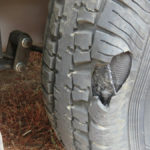
Wear on only the inside or outside edge is more serious. That pattern usually points to an alignment problem, a bent axle, a worn suspension component, or a hub and bearing issue allowing the wheel to run out of true. One-sided wear is not something a new set of tires will cure.
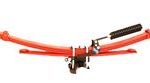
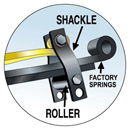
Cupping, scalloping, or repeating dips around the tread often means the wheel is bouncing instead of staying planted. Weak shocks on an RV or utility trailer, loose wheel bearings, a damaged tire, an out-of-balance wheel, or worn equalizers and bushings can all contribute. On leaf-spring trailers, do not overlook broken center bolts, worn spring eyes, and sloppy shackle bolts.
Inflation Is the First Thing to Verify
Pressure should be checked with a quality gauge when the tires are cold, before the trailer has been pulled or has been sitting in direct sun. Check every tire, including the spare. A good-looking spare that has lost half its pressure is not much help on the side of the road.
The correct pressure depends on the tire’s load range, the actual load on each axle, and the trailer manufacturer’s specification. The trailer’s certification label is your starting point, but a scale ticket tells the real story. A horse trailer with two animals loaded on one side, an RV with a full fresh-water tank, or a utility trailer with a compact tractor positioned too far forward can load individual tires very differently.
Do not lower pressure simply to soften the ride. Trailer tires need enough pressure to carry their share of the load without excessive sidewall flex. Heat is the enemy here. A tire that runs hot is more likely to separate, lose tread, or fail completely. If you tow regularly, a tire pressure monitoring system is cheap insurance because it warns you about pressure loss or abnormal temperature before a small problem becomes a blowout.
Alignment Problems Are More Common Than Owners Think
Trailer axles get bent by potholes, curbs, overloaded trips, and backing mishaps. A hard impact can change camber or toe enough to eat a tire edge in a few thousand miles. It may not look bent to the naked eye.
On a tandem or triple-axle trailer, axle alignment also determines whether the tires are rolling straight behind the truck. If one axle is skewed, its tires are dragged slightly sideways down the road. That creates fast feathering, shoulder wear, and unnecessary rolling resistance. You may also notice the trailer does not track cleanly behind the tow vehicle.
A competent trailer shop can measure axle alignment, spindle angles, and axle position relative to the trailer frame. This is the right move when one tire wears dramatically faster than its mate or when a new tire begins feathering soon after installation. Alignment is not a cosmetic service. It protects tires, bearings, suspension parts, and fuel economy.
Check Bearings and Hubs Before Blaming the Tire
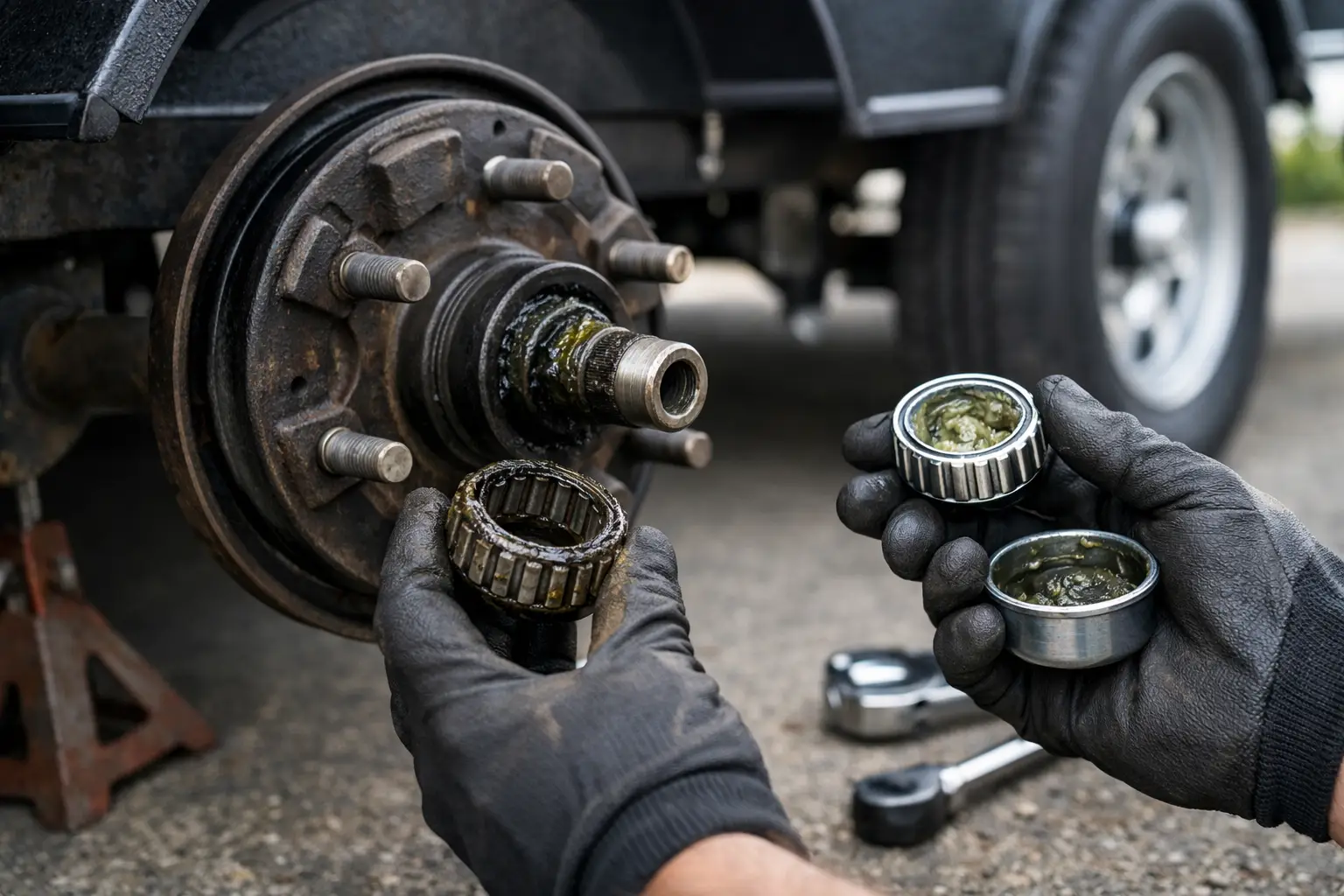 Grab the top and bottom of each tire with the trailer safely supported and try to rock it. Noticeable movement may indicate loose or worn bearings. Spin each wheel and listen for roughness or grinding. After towing, cautiously compare hub temperatures with an infrared thermometer. One hub running much hotter than the others deserves immediate attention.
A loose bearing lets the wheel tilt under load, which can produce edge wear. An overtightened or failing bearing generates heat that can damage the grease, seal, hub, and spindle. Either condition can leave you stranded. Repack or service bearings on the schedule recommended for your trailer’s use, not only when a problem appears.
Loading and Suspension Decide How Tires Live
A trailer can be within its gross weight rating and still be poorly loaded. Too much weight behind the axles reduces tongue weight, encourages sway, and can shift load off the front axle. Too much weight forward can overload the front axle, tires, hitch, or truck’s rear suspension. Both situations affect tire wear.
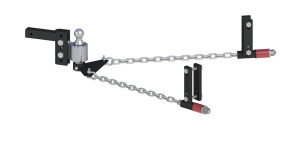
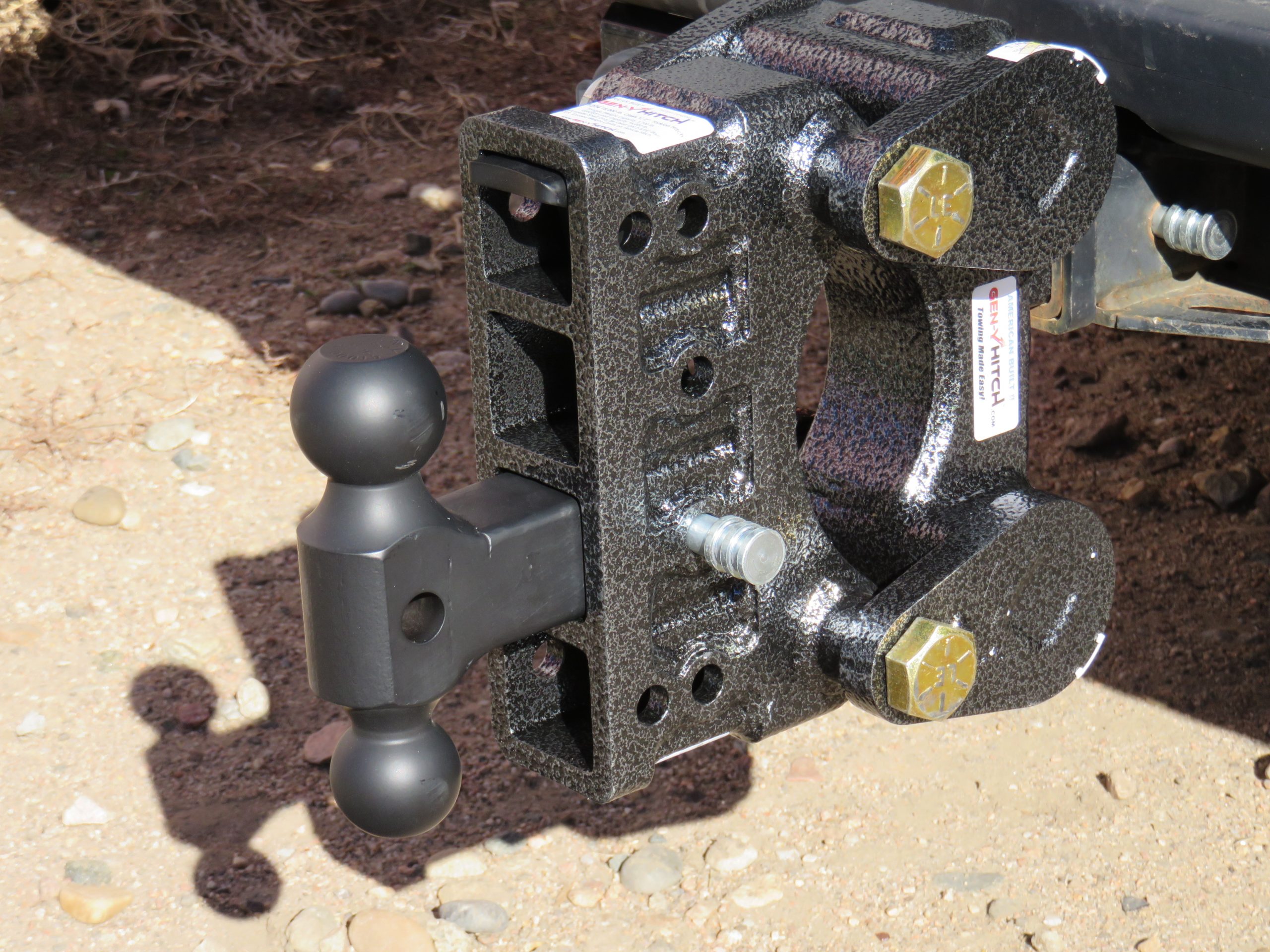
Aim for proper tongue weight, then verify axle weights on a scale. For many bumper-pull trailers, tongue weight commonly falls around 10 to 15 percent of loaded trailer weight, though specific trailer designs and hitch systems can differ. Gooseneck and fifth-wheel trailers place more weight over the truck, but axle loading still needs to be checked. The goal is not a magic percentage. The goal is keeping every axle, wheel, and tire within its rated capacity.
Suspension condition matters just as much. Leaf springs can flatten or crack. Rubber torsion axles can lose their ability to carry load evenly. Equalizers, wet bolts, bushings, and shackles wear out, letting one axle sit differently than the other. When that happens, one set of tires may carry more weight and wear faster.
If your trailer is older or sees rough roads, inspect the suspension with a flashlight at least twice a year. Look for shifted axles, cracked spring leaves, elongated bolt holes, loose U-bolts, and worn bushings. Greaseable suspension hardware is worth considering for trailers that accumulate real miles and heavy loads.
Tire Age Still Matters When the Tread Looks Fine
Trailer tires often age out before they wear out. Sun exposure, long storage periods, ozone, and repeated heat cycles can dry the rubber and weaken the tire internally. Look for sidewall cracking, tread cracks, bulges, and unevenness. Check the DOT date code and follow the tire manufacturer’s age guidance, especially on an RV, horse trailer, or seasonal-use trailer.
Also confirm that all tires match where practical. Mixing tire sizes, load ranges, or significantly different tread diameters on the same axle can make load sharing worse. On tandem axles, mismatched tires can contribute to scrub during turns and place more work on one tire than another.
A Practical Inspection Routine
Before each towing day, check cold pressure, look for cuts and bulges, and make sure lug nuts are properly torqued. Every few trips, inspect tread wear with your hand and compare tire temperatures after a normal highway run. At seasonal service, inspect bearings, brakes, suspension hardware, and axle condition.
When replacing tires, do not simply replace the one that looks worst and call it fixed. Find out why it wore differently. A fresh tire installed on a misaligned axle or loose hub will be the next expensive lesson.
MrTruck owners tow things that matter – families, livestock, business equipment, and hard-earned vacation plans. Give your trailer tires the same attention you give the truck pulling them. For proven tire-monitoring, towing, and trailer-safety equipment, visit the MrTruck store and choose gear that helps you spot trouble before it leaves you on the shoulder.