


A loaded trailer can make a capable pickup look worse than it is. The rear drops, the headlights point high, the steering gets lighter, and every dip in the road feels more dramatic. So, can helper springs improve towing? Yes, when rear-end squat and suspension support are the problem. But they are not a substitute for proper trailer loading, correct hitch setup, or staying within the truck’s ratings.
Helper springs are one of the more practical upgrades for owners who tow regularly. They can bring the truck back toward level, reduce suspension wallow, and make a loaded rig feel more settled. The key is choosing the right type and expecting them to solve the problem they are actually designed to solve.
Can Helper Springs Improve Towing Control?
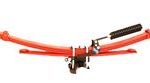
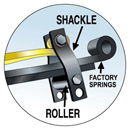
A helper spring adds support to the truck’s rear suspension once cargo or trailer tongue weight compresses the factory leaf springs. On a pickup with a conventional leaf-spring rear suspension, that extra support limits how far the rear settles under load. The result is usually a flatter stance and less body motion over uneven pavement.
That improvement matters because squat changes the truck’s geometry. As the rear sinks, weight comes off the front axle. Less front-axle load can mean less steering authority and reduced braking confidence, especially in a heavy half-ton pulling a travel trailer. Restoring ride height helps preserve a more normal steering feel and keeps the headlight aim from becoming a nuisance to oncoming traffic.
The ride improvement can be just as noticeable. A truck that repeatedly bottoms or bounces on bridge joints is harder to control and harder on the equipment. Properly selected helper springs add reserve capacity to the suspension, so it is not operating at the very end of its travel every time the trailer hits a rough section of road.
There is a limit, though. Helper springs do not increase the truck’s published tow rating, payload rating, rear axle rating, tire rating, or hitch rating. They support the suspension. They do not strengthen the frame, upgrade the brakes, or make an overloaded truck safe.
What Helper Springs Actually Fix
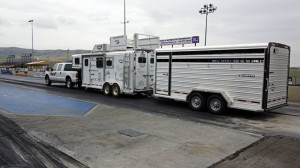
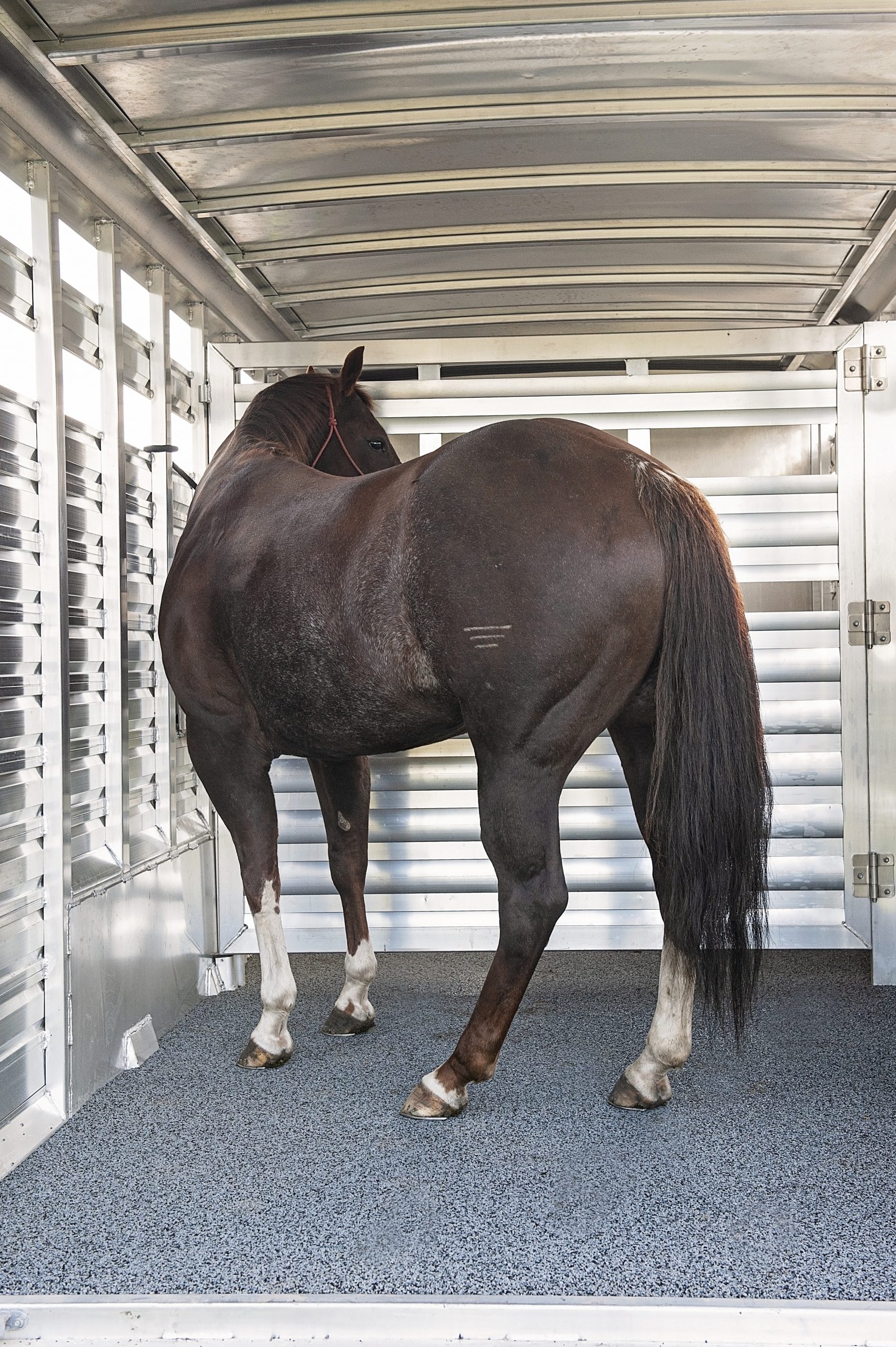
The best candidate for helper springs is a truck that is within its ratings but squats more than it should under a normal, properly loaded trailer. This is common with pickups that are used empty during the week and tow an RV, boat, equipment trailer, or horse trailer on weekends.
They are particularly useful when the truck has a constant load. A service body, slide-in camper, toolbox package, bed-mounted fuel tank, or regular gooseneck trailer use can leave factory springs working hard all the time. In those situations, an add-a-leaf, heavier helper leaf, or stable-load style product can provide dependable support without needing adjustment before every trip.
Helper springs can also reduce the loose, floating sensation that comes from a rear suspension that is too soft for the load. They will not cure true trailer sway, but they can reduce the truck movement that makes a marginal towing setup feel less composed.
What They Will Not Fix
Do not use suspension parts to cover up a hitch or loading problem. If a bumper-pull trailer has too little tongue weight, it can sway even behind a truck with very stiff rear springs. If a travel trailer needs weight transferred back to the front axle, a properly matched weight-distribution hitch is usually the first answer.
Likewise, a gooseneck or fifth-wheel that puts excessive pin weight in the bed can overload the rear axle, tires, or payload capacity while helper springs make the truck look level. A level truck is not automatically a properly rated truck. Scale weights tell the truth.
Worn shocks are another common issue. Springs carry weight, while shocks control motion. If the truck still porpoises, hops, or bounces after the rear is supported, inspect the shocks rather than assuming more spring is the cure.
Choosing Between Helper Springs, Airbags, and a Weight-Distribution Hitch
The right solution depends on how the truck is used and what type of trailer is behind it.
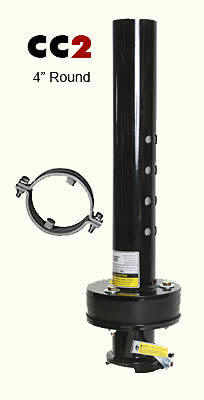
Traditional helper springs are simple and durable. Once installed, they are there every time you hook up. They make good sense for a truck that carries or tows a similar load often. Their downside is that they may make the unloaded truck ride firmer, particularly with heavier add-a-leaf packages.
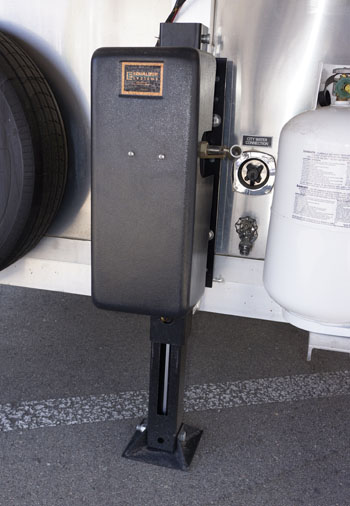
Air springs are more adjustable. They let an owner add pressure for a loaded trailer and reduce pressure for everyday driving. That flexibility is valuable for pickups that alternate between empty commuting and varying trailer weights. Airbags need to be inflated evenly and kept within their specified pressure range. They also add hoses, fittings, and, in many cases, an onboard compressor system that should be installed carefully and checked periodically.
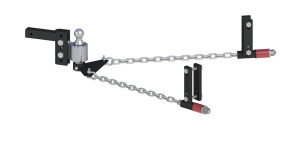
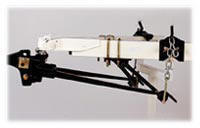
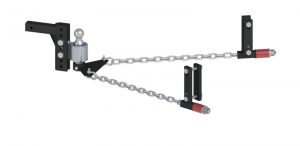
A weight-distribution hitch is different from either option. It uses spring bars to distribute a portion of trailer tongue weight toward the truck’s front axle and the trailer axles. For many travel trailers and heavy bumper-pull trailers, this is the equipment that addresses light steering and poor axle loading most directly. It may be used with helper springs or airbags, but it should be set up based on measured axle weights and manufacturer instructions, not by appearance alone.
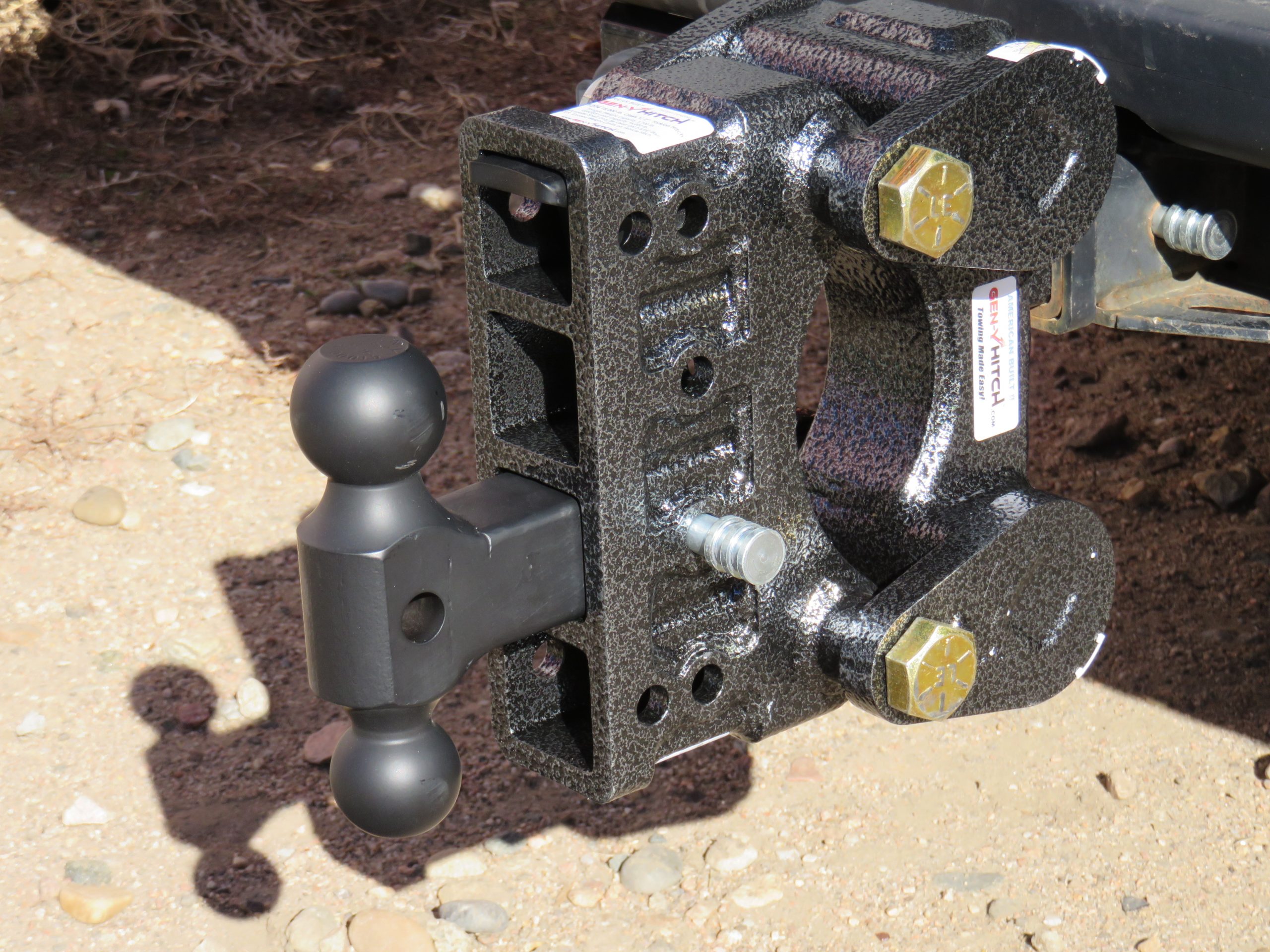
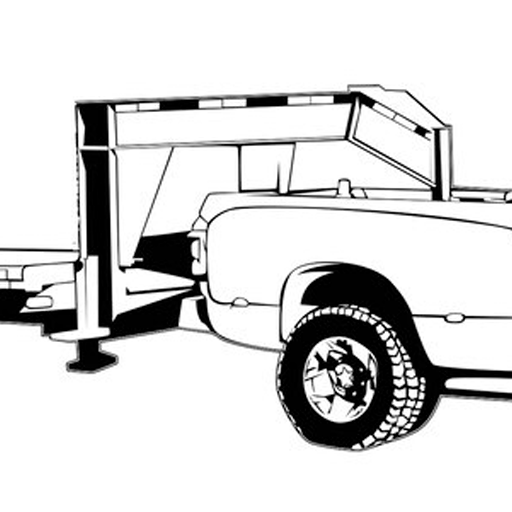
For a fifth-wheel or gooseneck, weight distribution hitches are generally not used. Suspension support, correct pin weight, tire capacity, and hitch placement become the major concerns instead.
How to Tell Whether Your Truck Needs More Rear Support
Start by loading the truck exactly as it travels. Include passengers, tools, fuel, cargo, the hitch, and everything normally carried in the trailer. Then hook up on level ground and look at the truck from the side. Some rear drop is normal. Excessive squat, a nose-high trailer, or a visibly light front end deserves attention.
Measurements are better than guesswork. Measure from the ground through the center of each wheel opening before and after hitching. Also check the trailer frame or body reference point to see whether the trailer is level. A truck that has dropped several inches in the rear may benefit from suspension support, but the amount of drop alone does not determine whether the setup is safe.
The better test is a certified scale. Weigh the truck by itself, then weigh the combined rig with individual axle weights if the scale layout allows it. Compare those numbers to the truck’s front and rear GAWRs, GVWR, tire load ratings, and the trailer’s ratings. This tells you whether you have a suspension comfort issue or a real capacity problem.
Installation and Setup Matter
Most bolt-on helper spring systems are within reach of an experienced do-it-yourself owner, but towing equipment deserves careful work. U-bolts, brackets, and fasteners need to be installed exactly as specified and re-torqued after the initial break-in period. Clearance around tires, brake lines, wiring, and exhaust components matters.
After installation, take a short test drive with the trailer before heading out on a long trip. Check for unusual noises, verify that the truck and trailer sit properly, and make sure the ride is controlled rather than harsh. If the truck feels stiff and skittish when unloaded, the helper spring package may be too aggressive for how the truck is used.
The Straight Answer for Serious Towing
Helper springs can improve towing when they are used to support a properly loaded, properly rated truck. They reduce squat, help maintain ride height, and can make a working pickup feel more stable on rough roads and through long highway miles. That is worthwhile for RV owners, horse haulers, and anyone carrying steady trailer weight.
Just do not confuse a better stance with extra legal or mechanical capacity. Fix loading first, confirm weights, use the right hitch for the trailer, and then add suspension support to improve how the truck carries the job. That approach keeps the improvement real when the road turns rough and the trailer is fully loaded.
For proven towing suspension support, hitch equipment, and practical help choosing the right setup, Visit our store.