

A trailer jack gets your attention when it fails at the worst possible time: at a crowded campground, in a muddy livestock lot, or on the shoulder with a loaded trailer. The electric jack vs manual jack decision is not about whether one is modern and the other is old-fashioned. It is about matching the jack to your trailer weight, how often you hitch up, and how much you value speed versus simple mechanical dependability.
For a light utility trailer used a few weekends each year, a manual jack can be the sensible choice. For a travel trailer, enclosed car hauler, or horse trailer that gets hooked and unhooked constantly, a quality electric tongue jack can save time, effort, and aggravation. The right answer depends on the job.
Electric Jack vs Manual Jack: The Real Difference
A manual trailer jack uses a hand crank and gears to raise or lower the coupler. It has few components, needs no trailer battery power, and can keep working for years if its gears are protected and lubricated. You supply the effort.
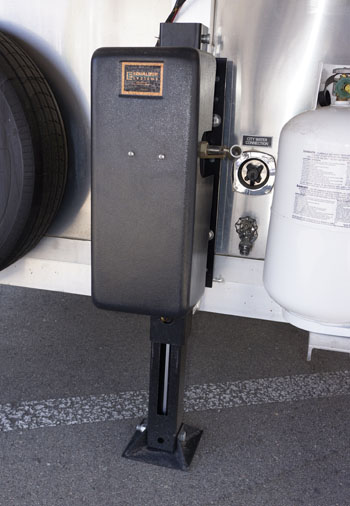
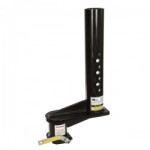
An electric tongue jack uses a 12-volt motor, typically powered by the trailer battery, to raise and lower the trailer at the push of a switch. Most include an integrated work light, and many have a manual override crank for emergencies. It is a major convenience upgrade, but it adds wiring, a motor, a switch, and electrical connections that all need to be kept in good shape.
Neither type is intended to lift a trailer for tire service or get underneath it. A tongue jack supports the front of the trailer while hitching, leveling, or parking. Use properly rated jack stands on solid ground whenever you are working under a trailer.
Where an Electric Jack Earns Its Keep
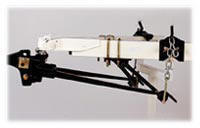
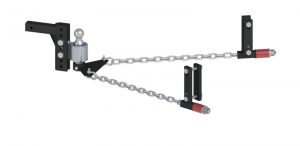
The strongest argument for an electric jack is repetition. If you tow every week, make several stops on a trip, or regularly hook up alone, cranking a heavy tongue load gets old fast. An electric jack makes hitching easier because you can make small height adjustments while watching the coupler and hitch ball. That control is especially useful with weight distribution hitches, where the truck and trailer often need to be raised together before you can install or remove spring bars.
It also helps owners who cannot comfortably crank a jack due to shoulder, back, or hand problems. There is no prize for making setup harder than it needs to be. A dependable electric jack can turn a tedious, sweaty chore into a quick part of your departure routine.
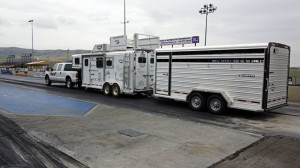
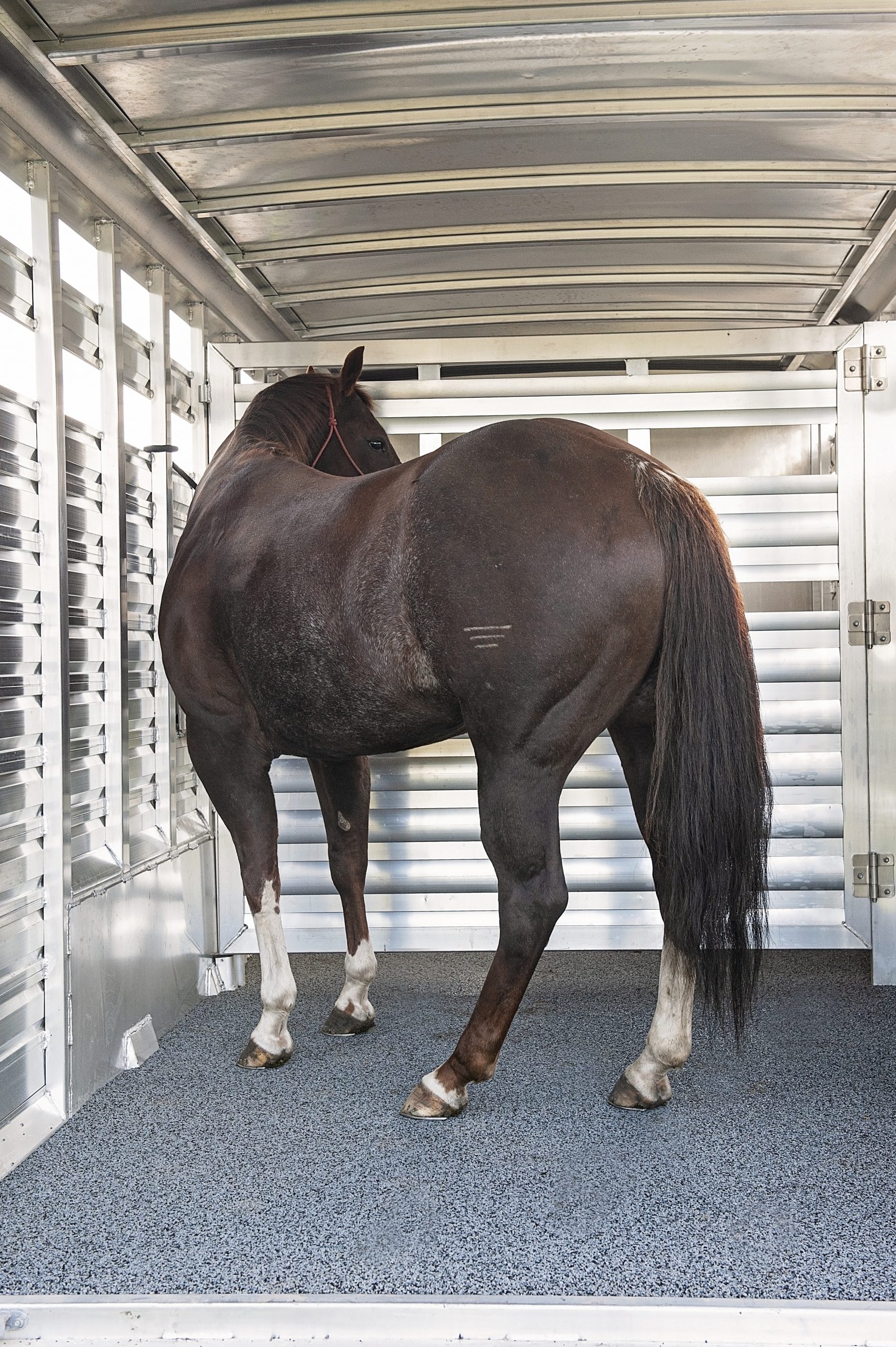
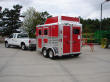
Electric models are particularly well suited to travel trailers, fifth-wheel auxiliary trailer setups, horse trailers, enclosed trailers, and larger utility trailers. A horse trailer owner may hitch before daylight or after a long event. A built-in light and push-button operation are practical features, not luxuries. The same goes for an RV owner setting up after a full day on the road.
Still, speed is not the only consideration. Electric jacks can draw a meaningful amount of current under load. A weak trailer battery, corroded ground, undersized wiring, or poor connection can leave you with a jack that moves slowly or does not move at all. That is why the manual override should be accessible and why battery condition belongs on your regular trailer maintenance list.
What to Look for in an Electric Tongue Jack
Start with lift capacity, but do not buy based on the biggest number alone. The jack needs to handle your actual tongue weight with margin, not your trailer’s gross vehicle weight rating. A loaded 10,000-pound trailer might carry 1,000 to 1,500 pounds or more on the tongue, depending on its design and loading. Most quality electric tongue jacks have ample rated capacity for common bumper-pull trailers, but a properly loaded trailer still matters.
Lift range matters just as much. A jack that does not extend high enough can make hitching difficult on uneven ground or with a lifted truck. A drop leg can reduce the amount of powered travel needed, which saves time and reduces wear. Look for a weather-resistant housing, a sturdy footplate, a protected switch, and a manual crank that does not require removing half the jack to reach it.
Do not overlook the battery. If your trailer sits for months without charging, an electric jack may reveal that neglect first. Keep the battery maintained with an appropriate charger or solar system, and inspect terminals and grounds before the towing season begins.
Why a Manual Jack Still Makes Sense
A manual jack is not a compromise when it fits the trailer and the owner. It is straightforward, inexpensive, and independent of battery power. For a small landscape trailer, boat trailer, light equipment trailer, or utility trailer that is moved only occasionally, that simplicity is hard to beat.
Manual jacks also appeal to owners who work far from electrical help. If the jack is maintained and the crank handle is intact, it will operate whether the trailer battery is dead, the wiring is damaged, or the breakaway battery needs attention. That kind of mechanical certainty has value on a ranch, at a remote hunting camp, or in a work fleet where trailers see rough use.
The downside is obvious after a few turns. Heavy tongue weight and long travel take time and physical effort. Cranking is also less convenient when using a weight distribution hitch. You may be raising the truck and trailer high enough to unload the spring bars, and doing that by hand can be a workout before the trip even starts.
A manual jack can also be slower to make fine adjustments when you are trying to line up a coupler on uneven ground. That is not a safety defect, but it is one more reason frequent haulers often move to electric.
Reliability Is About Maintenance, Not Just Jack Type
Owners sometimes assume manual means reliable and electric means troublesome. The truth is more useful: a neglected jack of either type will let you down. Manual models need grease where the manufacturer specifies, protection from road spray, and occasional checks for bent tubes, damaged gears, and loose mounting hardware. Electric models need all of that plus clean electrical connections and a healthy battery.
Water is a common enemy. A jack mounted on the trailer tongue lives in the path of rain, road grime, de-icing chemicals, and pressure-washer overspray. Keep the top cover intact, inspect the wiring where it enters the housing, and do not allow exposed connectors to corrode. If your trailer is stored outside, a jack cover can help, provided it does not trap moisture.
Also pay attention to the ground beneath the jack. Soft dirt, hot asphalt, gravel, and wet grass can allow the foot to sink. A wide jack pad or properly sized wood block spreads the load and reduces strain on the jack. Never stack unstable blocks or use cracked lumber under a loaded tongue.
The Cost Question: Buy for Your Actual Use
Manual jacks cost less up front and are easy to replace. That makes them a good fit where convenience is not worth paying for. But an electric jack is often one of the most appreciated upgrades on a trailer that is used regularly. The value is not just faster lifting. It is less physical strain, easier solo hitching, and fewer rushed decisions at the start or end of a trip.
Think about your last ten towing days. If you cranked the jack once, a manual model may be all you need. If you cranked it repeatedly while adjusting a weight distribution hitch, moving between campsites, loading horses, or switching trailers for work, electric power starts making a strong case.
Do not buy a bargain electric jack simply because it has a high capacity claim printed on the box. Look at construction quality, warranty support, override access, mounting fit, and how well the unit is protected from weather. A trailer jack is small compared with the value of the truck, trailer, cargo, and people depending on it, so this is not the place to gamble on questionable hardware.
A Practical Recommendation for Trailer Owners
Choose a manual jack if your trailer is light, infrequently used, and typically parked on level ground. Choose an electric tongue jack if you tow often, handle a heavier bumper-pull trailer, use weight distribution equipment, or want easier setup for RV, horse, or work-trailer duty.
Whichever jack you run, keep a manual backup plan. For an electric unit, know where the override crank is and confirm it works before you need it. For a manual unit, inspect the crank and gears before the first big trip. A few minutes in the driveway beats being stuck with a loaded trailer and no way to unhitch.
A good jack does not make towing glamorous. It makes the beginning and end of every trip safer, calmer, and easier to manage. For proven towing equipment selected for real trailer use, shop https://store.mrtruck.com/.