

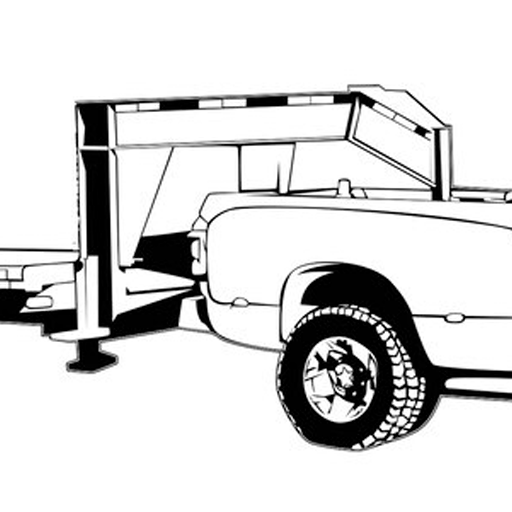
If you have ever watched a heavy trailer start pushing a truck around on a downhill curve, you already know the hitch matters. A gooseneck hitch is popular for one simple reason – when the trailer is loaded right and matched to the right truck, it gives you a more stable, more controlled towing setup than a bumper-pull can offer.
That does not mean it is automatically the right answer for every owner. We have seen plenty of people buy a trailer first, ask questions second, and then find out their bed, payload, or turning clearance is not what they thought. The smart move is to understand where a gooseneck shines, where it creates compromises, and what has to line up before you install one.
What a gooseneck hitch does differently
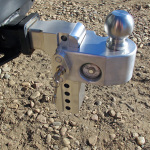
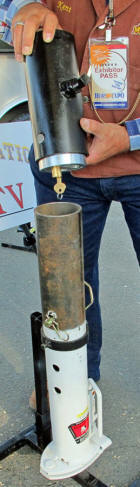
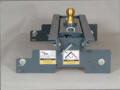
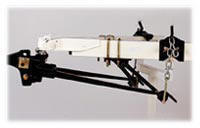
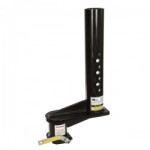
A gooseneck hitch mounts in the bed of the truck, usually above or slightly forward of the rear axle. Instead of putting trailer tongue weight behind the truck like a receiver hitch does, it places the load over the truck where it belongs. That changes the way the whole rig behaves.
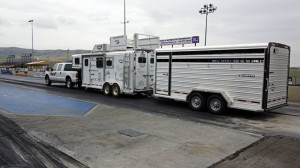
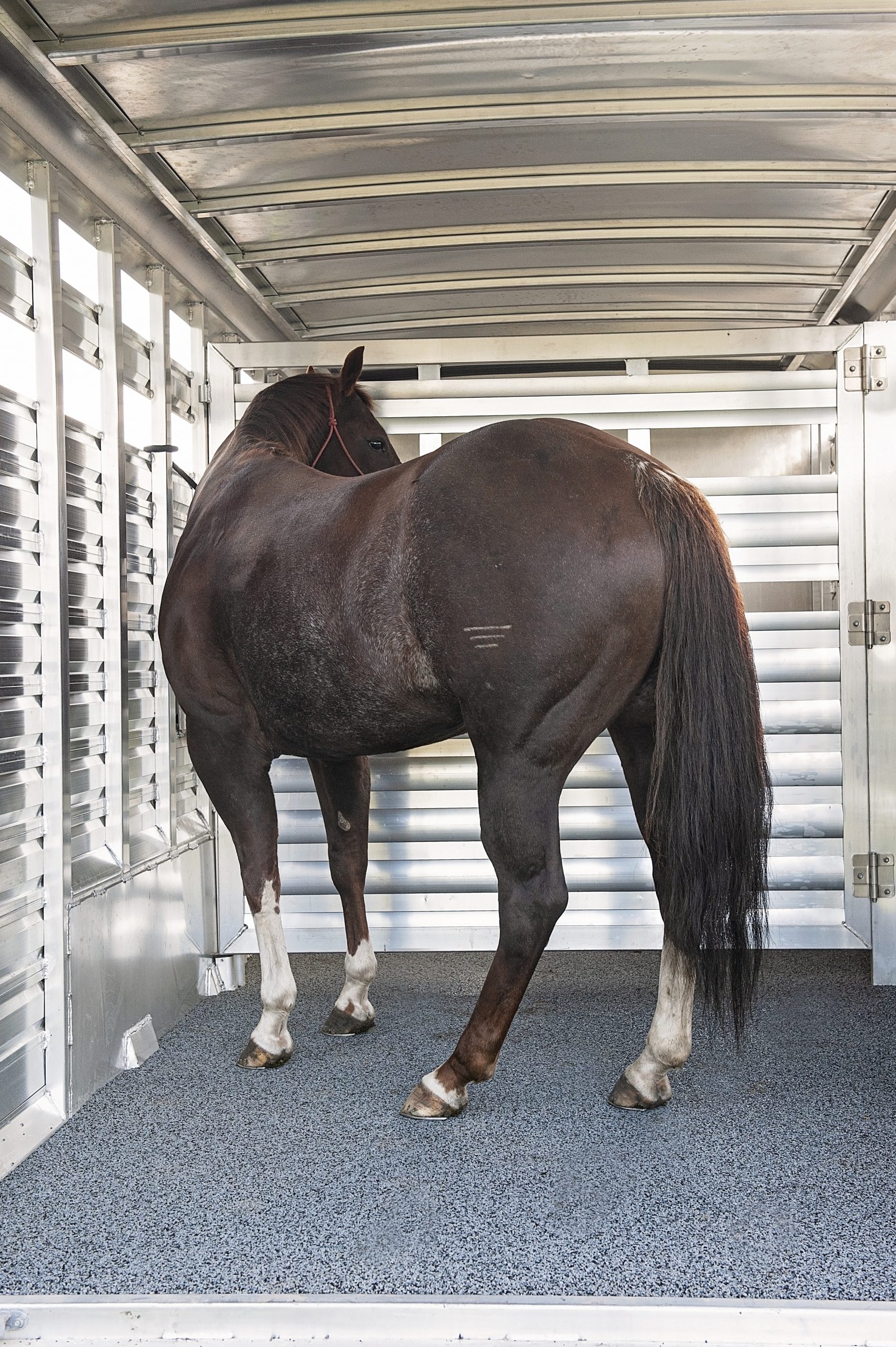
The biggest gain is stability. By moving the coupling point into the bed, a gooseneck reduces leverage on the truck and helps control trailer sway. It also improves tracking through corners and rough roads, especially with longer and heavier trailers. For ranch use, equipment hauling, and horse trailers, that matters every mile.
The other advantage is capacity. Gooseneck systems are built for serious weight, and many are paired with trucks that are already set up for heavy payload and towing duty. If you are hauling livestock, a flatbed, a large cargo trailer, or a multi-car setup, this style of hitch is often the practical choice.
Gooseneck hitch vs. fifth-wheel
This is where a lot of buyers get mixed up. Both hitches mount in the truck bed. Both put weight over the axle. Both are used for heavy trailers. But they are not the same.
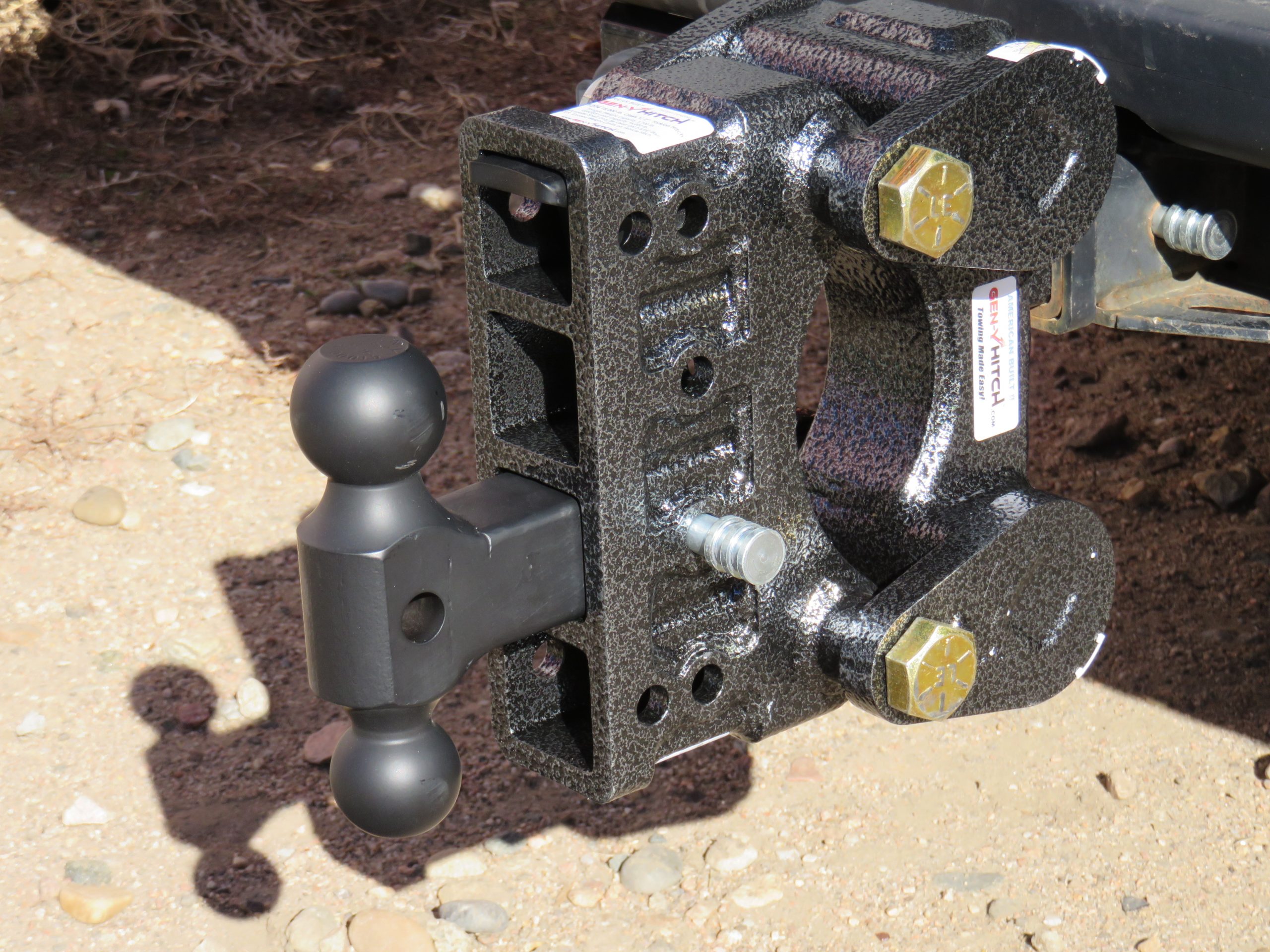
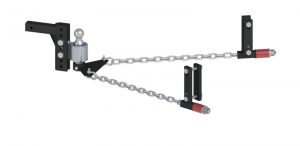
A gooseneck hitch uses a ball, similar in concept to a conventional trailer ball but much heavier duty. A fifth-wheel uses a kingpin and plate system, more like a semi tractor setup. In general, gooseneck hitches are more common in work and agricultural towing, while fifth-wheel hitches are common with RVs.
A gooseneck usually gives you a cleaner bed when the ball is removed or flipped over, depending on the design. That is a big plus if the truck still has to do truck duty during the week. A fifth-wheel often gives a smoother coupling experience and can feel more forgiving for some RV owners, but it takes up more bed space.
It depends on the trailer, the truck, and how you use it. If your trailer is built with a gooseneck coupler, your decision is made for you. If you are choosing between trailer styles, think about whether your truck is a daily work truck, a dedicated tow rig, or something in between.
Who should consider a gooseneck hitch
If you tow heavy and tow often, a gooseneck hitch deserves a hard look. That includes horse trailer owners, contractors hauling equipment, ranch and farm operators, and truck owners moving large utility or cargo trailers across long distances.
It also makes sense for owners who need bed access when they are not towing. Many modern systems are designed to leave the bed mostly clear when the hitch ball is not in use. That is a practical advantage over bulkier setups.
On the other hand, if you tow a light trailer a few weekends a year, installing a gooseneck may be overkill. It is also not the best fit for every truck. Half-ton pickups generally are not where you want to start for serious gooseneck work. Even some three-quarter-ton trucks can run out of payload before they run out of advertised tow rating. Payload is often the real limiter, not the headline towing number from the brochure.
The truck matters as much as the hitch
A lot of gooseneck problems are really truck setup problems. The hitch can be rated high, but the truck still has to carry the pin weight, control the trailer, and stop the load safely.
Start with payload. The loaded vertical weight from a gooseneck trailer can be substantial, and that weight sits in the bed along with passengers, tools, fuel, and anything else you carry. Rear axle rating, tire capacity, and wheel ratings all matter too. If you are close to the edge on paper, real-world use will not make that better.
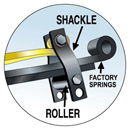
Suspension is another piece of the equation. Air springs, helper springs, or upgraded shocks can improve ride control and level the truck, but they do not increase the truck’s legal weight ratings. They are support parts, not magic. They help a properly matched setup work better. They do not turn an undersized truck into a heavy-hauler.
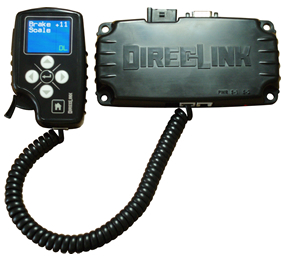
Brake controller performance matters too. A stable hitch is only part of safe towing. If trailer braking is inconsistent, delayed, or poorly adjusted, you will feel it right away.
Gooseneck hitch installation and bed fitment
Most gooseneck hitch systems require bed drilling and frame-mounted brackets. Some trucks are easier than others, and some newer models have factory puck or prep systems that simplify the process. Either way, this is not a place to guess.
Fitment depends on truck make, model, bed length, frame design, fuel tank placement, and whether other accessories are already installed underneath. We have seen owners run into trouble with in-bed toolboxes, aftermarket air systems, and even spare tire clearance.
Short-bed trucks need extra attention. Cab-to-trailer clearance can become an issue in tight turns, especially with certain trailer nose designs. Some combinations work fine. Some do not. You need to know before you hook up, not after you crunch a cab corner.
A clean install also matters for long-term durability. A hitch that is not torqued correctly or is mounted with poor hardware alignment can create wear, noise, and unsafe load distribution. This is one area where quality hardware and tested fitment are worth paying for.
Choosing the right gooseneck hitch
Not every hitch in this category is equal. Some are built for easy ball access and a flat bed floor. Others focus on maximum capacity or easier installation. The right choice depends on how the truck is used when it is not towing.
Look closely at rated capacity, ball design, safety chain connection points, corrosion protection, and how the hitch handles bed clearance when removed or stowed. If the truck sees mud, livestock work, road salt, or construction debris, that finish and latch design matter more than a nice catalog photo.
You also want a hitch that matches the trailer coupler height and your truck’s ride height. A trailer that tows nose-high or nose-low can hurt stability, braking, and tire wear. Height adjustment on the trailer side can often fix that, but only if the whole setup is considered together.
Common mistakes with a gooseneck hitch
The most common mistake is buying by rating alone. Owners see a big weight number and assume they are covered. They are not if the truck’s payload, axle ratings, tires, or bed clearance are wrong.
The second mistake is ignoring real trailer weight. Empty weight is only part of the picture. Water, hay, tack, tools, equipment attachments, and livestock add up fast. Horse trailer owners know this well, but even experienced haulers sometimes underestimate what a fully loaded trailer really weighs.
The third mistake is treating hitch choice like a stand-alone purchase. A gooseneck setup works best when the truck, tires, brake controller, suspension support, and trailer brakes are all doing their jobs. If one piece is weak, the whole towing experience suffers. https://mrtruck.com/popup.htm
Is a gooseneck hitch worth it?
For the right truck and trailer, absolutely. A good gooseneck hitch can give you better control, better load handling, and a more confident towing feel under heavy weight. That is why so many serious haulers stick with them year after year.
But the best setup is not the heaviest-looking one or the one with the biggest advertised number. It is the one that matches your truck, your trailer, and the way you actually tow. If you get those three things right, a gooseneck is one of the most effective towing upgrades you can make.
If you want proven towing gear and expert help picking the right setup, visit our store at https://Store.MrTruck.com.
A good hitch should make every mile feel more controlled, not more complicated.