


A horse that walks into the trailer quietly is not necessarily ready to haul safely. The real test is whether the horse can stand balanced, has enough room to ride correctly, and is secured in a trailer that is hitched and loaded for the road. This horse trailer loading guide focuses on the routine that protects both your horse and everyone handling the trip.
Loading should never become a wrestling match or a race against daylight. If the horse is anxious, the trailer setup is wrong, the footing is slick, or the handler is applying too much pressure, stop and correct the issue before leaving the driveway. A rushed load can turn into a dangerous unload at the first fuel stop.
Horse Trailer Loading Guide: Start Before the Ramp
The safest load begins with a trailer inspection. Open every door, lower the ramp or check the step-up entrance, and look at the space as your horse will see it. A dark, hot, cluttered trailer is an invitation for hesitation. So is a ramp with loose matting, poor traction, or a sharp edge at the ground.
Check the floor from above and below when possible. Soft spots, rust around fasteners, lifted mats, and damp wood are not minor maintenance items in a horse trailer. The floor supports a moving live load, and a failure can be catastrophic. Rubber mats should lie flat with no curled edges that can catch a hoof.
Ventilation matters before the truck ever moves. Open roof vents and windows as conditions allow, but avoid creating a hard crosswind directly in the horse’s face. In hot weather, a parked trailer can become uncomfortable fast. In cold or wet weather, do not seal it up so tightly that moisture and ammonia build inside.
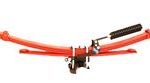
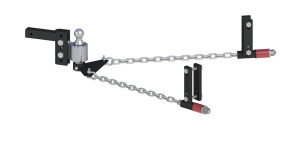
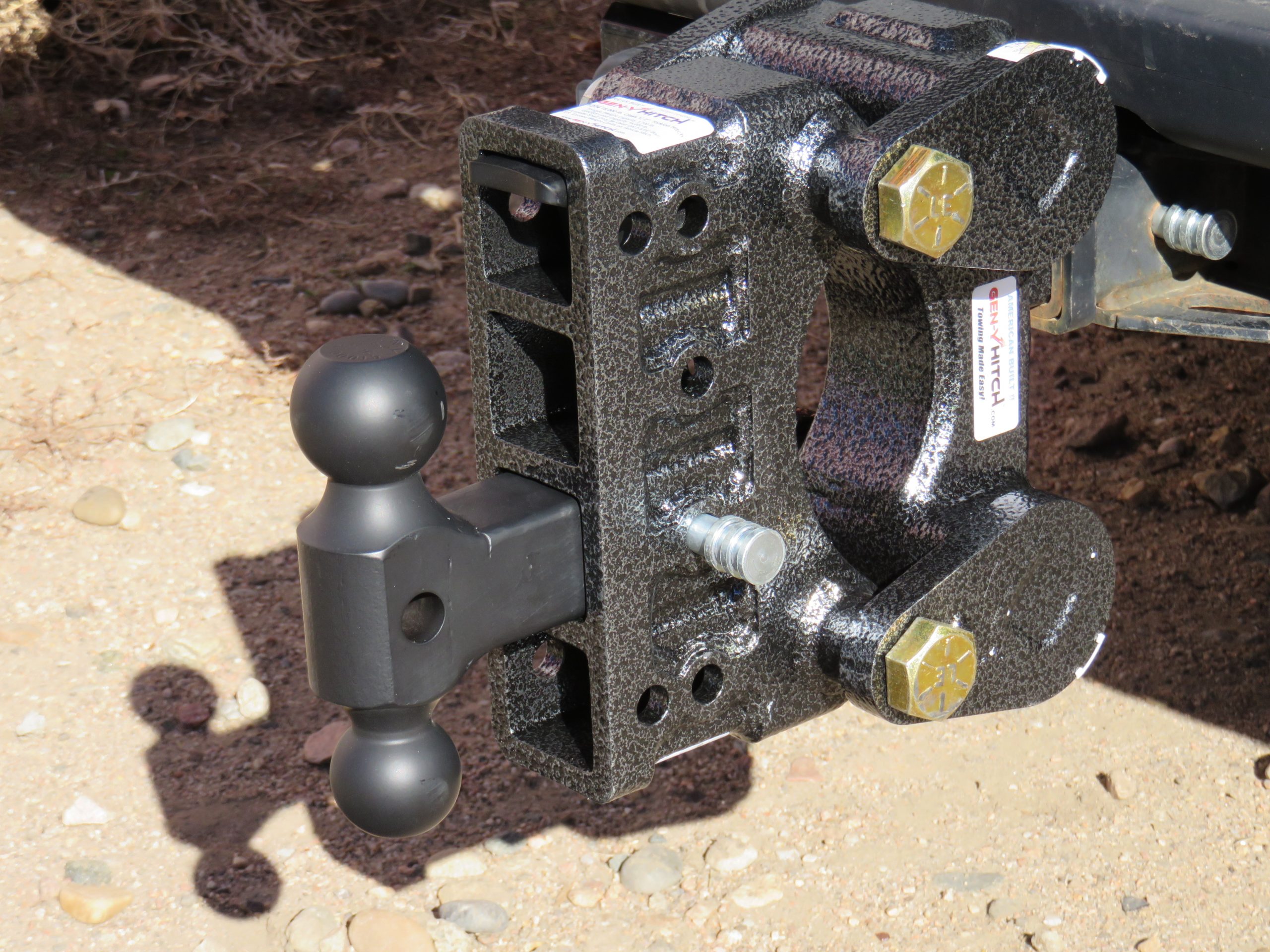
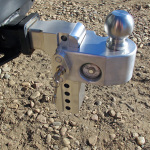
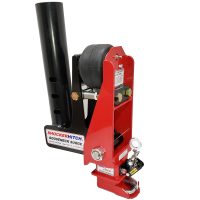
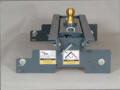
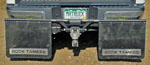
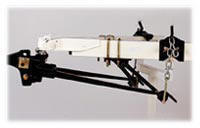
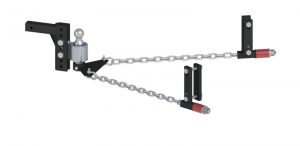
Make sure the trailer is level enough for loading. A trailer coupled to a truck with excessive rear sag can put the ramp at an awkward angle and make a step-up trailer feel higher than it should. Proper hitch height, correct ball size, securely latched coupler, safety chains, breakaway cable, and a working trailer brake system are part of loading preparation, not a separate chore for later.
Use a Calm, Repeatable Loading Routine
A horse should be led toward the trailer, not dragged into it. Give the horse a chance to look, sniff, and step forward with steady direction. The handler should stay out of the kick zone and avoid wrapping a lead rope around a hand or wrist. Gloves are a smart choice, especially with a young horse, a studdy horse, or any animal that has learned to pull back.
The goal is forward confidence, not speed. If the horse stops at the ramp, keep your position, maintain light forward encouragement, and allow it to think. Pulling hard on the halter often causes the horse to brace backward. Excessive pressure from behind can cause a jump forward, a slip, or panic once the horse is inside.
For a horse that regularly resists loading, do not assume the problem is bad behavior. Consider whether the trailer is too narrow, too dark, poorly ventilated, noisy, or associated with a previous bad ride. A horse that loads well at home but refuses after an event may be tired, sore, overheated, or reacting to unfamiliar surroundings. Those are different problems and need different answers.
A trained helper can be useful, but too many people around the entrance can make things worse. One experienced handler at the head and one calm, knowledgeable person positioned safely to assist is usually plenty. Keep children, dogs, and spectators well clear of the loading area.
Load the right horse in the right position
How you place horses depends on the trailer layout, total weight, and whether you are hauling one or more animals. In a two-horse straight-load trailer, loading the first horse on the driver’s side is common because it helps offset the driver’s weight and can support proper road balance. But trailer design varies, and owners should follow the trailer manufacturer’s loading guidance.
With a single horse in a larger trailer, placement is not automatic. Some trailers have designated single-horse positions. Others may need the horse centered or placed on a particular side to maintain balance. Do not simply choose the roomiest-looking stall. Consider the divider design, axle position, and how the trailer is built to carry weight.
In a slant-load trailer, give each horse enough room to stand naturally and brace through turns. Large horses, long-bodied horses, and horses that travel with their heads low may need more space than a standard stall provides. A divider that presses into a horse’s shoulder or hip is not a good fit just because the door closes.
Secure the Horse Without Restricting Balance
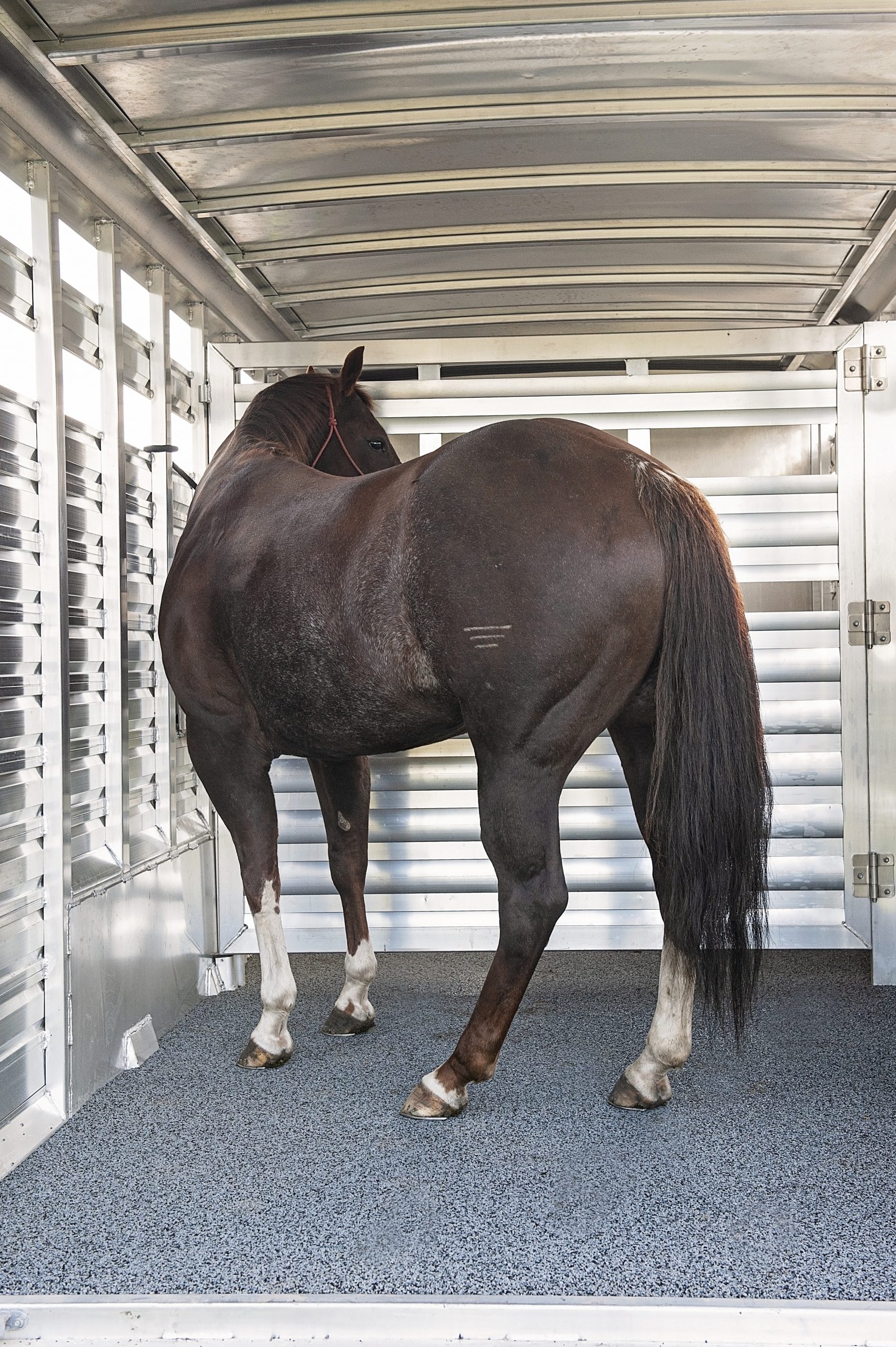
Once the horse is in position, close the butt bar, rear chain, or divider before tying the horse. This order matters. If the horse backs unexpectedly while being tied, the rear restraint is already there to help prevent an exit.
Use a proper trailer tie, ideally one with a panic-release feature, and tie at a height that limits the horse from getting a leg over the rope. The tie should be short enough to prevent turning around, but not so short that the horse cannot lower its head somewhat for balance and normal airway clearance. There is no universal length because horse size, tie point location, and trailer design all matter.
Avoid tying directly to a weak ring, a sharp metal edge, or an improvised attachment point. Also avoid leaving excess rope where it can tangle around a leg. Quick-release knots are useful only if everyone handling the horse knows how to operate them under pressure.
If you use shipping boots, standing wraps, or protective leg gear, introduce it before travel day. A horse that has never worn boots may spend the ride trying to remove them. Protection can be worthwhile for horses that step on themselves or haul in close quarters, but it is not a substitute for proper footing, a good fit, and careful driving.
Hay can help some horses settle during a trip, but use common sense. A hay bag must be mounted high enough and secured well enough that it cannot become a leg hazard. Dusty hay in a poorly ventilated trailer is a bad combination. Water needs depend on trip length, weather, and the individual horse. For longer trips, plan safe stops and bring water the horse recognizes if it tends to refuse unfamiliar water.
Close Up Methodically, Then Check It Again
After each horse is secured, close and latch the rear doors or ramp completely. Confirm divider latches are fully engaged, escape doors are latched, and no lead rope, tail, blanket, or hay net is caught in a door. Walk around the trailer before pulling away.
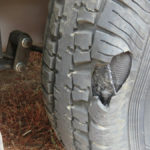
That walk-around should include tire condition, tire pressure, wheel bearing heat if you have just traveled, working lights, safety chains, breakaway cable, and the electrical plug. Trailer tires can look fine and still be underinflated. Underinflation creates heat, and heat is one of the fastest ways to ruin a trailer tire on the highway.
Inside the truck, set your brake controller before you need it. The trailer brakes should apply firmly enough to help control the load without locking up. Test them at low speed in a safe area. A loaded horse trailer does not behave like an empty utility trailer. The horses shift weight, react to noise, and need smooth inputs from the driver.
Accelerate gently, leave more following distance, and take turns wider and slower than you think you need to. Sudden braking and sharp lane changes are hard on tires, suspension, hitch equipment, and horses. Good hauling is boring by design.
Check the Load During the Trip
Stop early on a long trip, especially after the first 20 to 30 miles. Check hitch hardware, tires, lights, and the horses. Listen for unusual movement or pawing, but remember that some shifting is normal as horses balance. If a horse is sweating heavily, scrambling, hanging on a divider, or acting distressed, do not keep driving and hope it settles down.
At fuel stops, park where you have room to inspect safely. Do not unload on the shoulder or in a busy lot unless there is an immediate emergency and you can do it without creating a greater risk. Keep an emergency kit in the truck with a sharp knife or emergency cutter, spare lead rope, flashlight, basic first-aid supplies, and contact information for your veterinarian and roadside assistance.
The best loading routine is the one your horse sees often enough to trust. Practice when you are not under a deadline, maintain the trailer before something breaks, and use towing equipment that keeps the truck and trailer stable. That preparation pays off every time the ramp comes down.
For proven towing, trailer safety, and horse-hauling equipment, visit https://store.mrtruck.com/