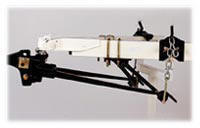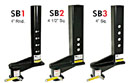


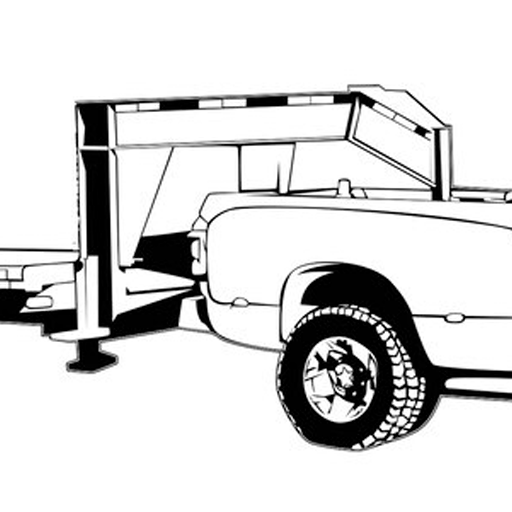
A lot of fifth wheel hitch mistakes start before the first mile. The truck looks capable, the trailer specs seem close enough, and the hitch gets picked by price or brand name. That is usually where trouble begins. If you are trying to figure out how to choose fifth wheel hitch equipment that actually fits your truck, your trailer, and the way you tow, you need to slow down and match the whole setup, not just the weight rating on the box.
A good fifth wheel hitch should tow quietly, couple cleanly, and give you confidence every time you pull out. A bad match can leave you fighting cab clearance, rough chucking, poor bed access, or a hitch that is overrated in one area and wrong in another. The right answer depends on your bed length, your truck’s tow ratings, the trailer’s true loaded pin weight, and whether you want a traditional rail system, OEM puck mount, or a removable under-bed setup.
How to choose fifth wheel hitch for your truck
Start with the truck, because the trailer does not care what marketing says about your hitch. It cares whether the hitch is mounted correctly in a truck that can handle the load.
Bed length matters first. If you have a long-bed truck, usually an 8-foot bed, your choices are simpler. A fixed fifth wheel hitch is often the best fit because you already have the clearance needed for normal turning. Fixed hitches are usually lighter on moving parts, less expensive than sliders, and easier to live with over the long haul.
If you have a short bed, things get more complicated. In a 6-1/2-foot bed, and especially in anything shorter, cab-to-trailer clearance becomes a real issue during tight turns. That is where a sliding hitch or a rotating pin box design can make sense. Some short-bed owners can get by with a fixed hitch if the trailer has a tapered front cap and the geometry works out, but that is not something to guess at. One bad backing angle can put the trailer into the cab.
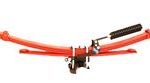
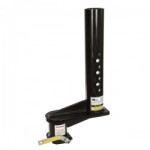
Your truck’s factory prep package also changes the decision. If your truck came with OEM puck mounts, using a hitch built for that system is usually the cleanest solution. It installs cleaner, removes easier, and avoids the extra height and hardware of some adapter setups. If you do not have factory pucks, then you are choosing between above-bed rails and under-bed mounting systems. Above-bed rails cost less and are proven. Under-bed systems give you a cleaner bed when the hitch is out, but they cost more and take more planning.
Match the hitch to real trailer weight
This is where a lot of buyers get lazy, and it costs them later. Do not shop by dry trailer weight alone. Dry numbers are rarely how you actually travel. Water, batteries, propane, tools, feed, tack, generators, and personal gear all add up fast.
What matters most is loaded pin weight and loaded trailer weight. Fifth wheel pin weight often runs around 15 to 25 percent of trailer weight, depending on floorplan and loading. A trailer that weighs 14,000 pounds ready to camp or work may put 2,800 to 3,200 pounds or more on the hitch. That means you need a hitch rating that comfortably exceeds the real-world load, not one that barely clears the brochure number.
There is no prize for buying a hitch that is barely big enough. At the same time, bigger is not automatically better if it means a heavier unit you cannot remove, or a taller setup that creates bed-rail clearance issues. The goal is a hitch with enough capacity for the trailer you actually tow, plus some margin, while still fitting the truck properly.
Also keep your truck’s payload in view. Many owners focus on max tow rating and forget that payload usually gets them first with a fifth wheel. The hitch itself, passengers, cargo in the cab, tools in the bed, and the trailer’s pin weight all count against payload.
Fixed, slider, or puck-mounted?
If you want the short version, long-bed trucks usually do well with a fixed hitch. Short-bed trucks often need a slider or another clearance solution. Trucks with factory puck systems usually benefit from a direct-fit puck-mounted hitch.
That said, there are trade-offs.
A fixed hitch is usually the most straightforward. Fewer moving parts can mean less noise and less maintenance. It is also usually the best value. For a long-bed owner towing a conventional fifth wheel, fixed is often the smart choice.
A manual slider gives a short-bed truck needed turning clearance, but it also adds weight and another step before backing into tight spots. If the driver forgets to slide it when needed, the protection is worthless. An automatic slider solves that problem by moving as you turn, but it costs more and adds complexity.
Puck-mounted hitches are popular because they drop right into factory mounting points and leave the bed cleaner when removed. That is a real advantage for truck owners who use the bed for work. The downside is cost. Direct-fit puck hitches are often more expensive than standard rail models.
Jaw design and ride quality matter more than people think
A fifth wheel hitch is not just a weight bracket. The head design affects how the trailer feels behind the truck.
Look closely at the jaw mechanism. A wraparound jaw generally gives a tighter connection around the king pin than a slide-bar style. That tighter fit can reduce noise, slop, and some of the clunking that shows up during starts and stops. For serious towing, especially with heavier RVs and horse trailers, that matters.
The head should also pivot well enough to make coupling easier on uneven ground. If you have ever tried to hitch up on a slope or in a rough gravel lot, you know why a good articulating head is worth paying for. Some hitches are simply easier to couple and uncouple in the real world.
Ride quality is another area where price alone does not tell the story. Some hitches transfer more chucking and fore-aft shock into the truck. Others use better head geometry or cushioning to smooth things out. If you tow long distances, or haul livestock where smoother movement matters, that difference gets old fast if you choose poorly.
How to choose fifth wheel hitch mounting style
Mounting style affects bed access, installation cost, and how easy the hitch is to remove.
Above-bed rails are still common because they work, they are widely available, and they keep cost down. If your truck is mainly a tow rig and you do not mind rails in the bed, they are a sensible choice.
Under-bed systems appeal to owners who want a cleaner bed floor. When the hitch comes out, the truck is closer to normal bed use. That is especially useful for ranch, farm, and contractor customers who switch between towing and hauling cargo. The trade-off is higher install cost and sometimes more model-specific hardware.
Factory puck systems are often the best of both worlds if your truck already has them. The install is simple, the fit is clean, and bed usability is better once the hitch is removed. If you are ordering a new truck for fifth wheel use, factory prep is usually money well spent.
Don’t ignore bed height and trailer clearance
Modern 4×4 pickups sit taller than older trucks, and that has created fitment headaches. You need enough clearance between the underside of the trailer overhang and the top of the truck bed rails, generally around 6 inches or more as a working target. Too little clearance can mean bed-rail contact on dips and uneven terrain.
At the same time, you want the trailer to ride level or close to it. If the nose is too high, axle loading and handling can suffer. If it is too low, you create other clearance problems. Hitch height adjustment helps, but only within limits. Sometimes the trailer suspension or pin box position also needs to be considered.
This is one reason it pays to think of the hitch as part of the full towing geometry, not a standalone purchase.
A few buying mistakes that keep showing up
The most common mistake is buying only by gross trailer weight and ignoring pin weight, payload, and bed length. Right behind that is assuming every short-bed truck can tow every fifth wheel with a fixed hitch. Another one is choosing the cheapest rail kit or adapter without thinking about bed height, removal weight, or long-term use.
There is also a practical mistake that older owners notice quickly – some hitches are just too heavy or awkward to remove without help. A hitch can be excellent on the road and still be the wrong choice if you need your truck bed open every week and cannot wrestle a 200-pound unit out of it.
What a smart choice looks like
If you have a long-bed pickup, a properly rated fixed hitch with a good jaw design is often the cleanest answer. If you have a short bed, plan around turning clearance first, then choose the best slider or compatible clearance solution for your trailer design. If your truck has factory pucks, a direct-fit hitch is usually worth it. And if you use the truck bed for more than towing, removal weight and mounting style deserve real attention.
The best hitch is the one that fits the truck, handles the true loaded pin weight, gives proper trailer clearance, and makes hookup predictable every time. That is the kind of decision that pays you back mile after mile, not just at checkout.
If you want help sorting out the right fifth wheel hitch for your exact truck and trailer, shop the proven towing gear at https://Store.MrTruck.com . A good match now saves a lot of regret later.