

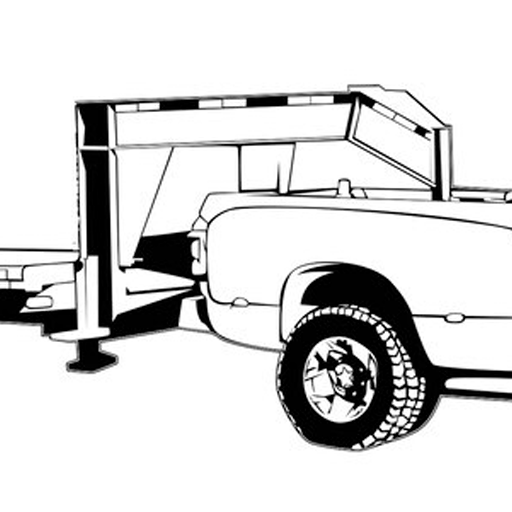
A trailer can disappear faster than most owners expect. A thief does not need to defeat every possible safeguard – they need one easy path to hook up, cut a lock, or roll away before anyone notices. Knowing how to secure a parked trailer means making that fast, quiet theft difficult enough that they move on to an easier target.
The best approach is layered security. One light-duty coupler lock may discourage an opportunist, but it is not the same as protecting a loaded equipment trailer, horse trailer, RV, or work trailer left in a remote lot. Start with a physical barrier that prevents towing, then add a wheel-based deterrent, smart parking, and a way to recover the trailer if the worst happens.
How to Secure a Parked Trailer With Layers
Think about the thief’s job in order: access the trailer, connect it to a tow vehicle, release the brakes or wheel restraint, and leave unnoticed. Your security equipment should interrupt more than one of those steps.
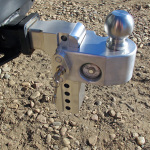
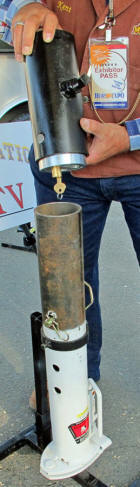
A good coupler lock is the first line of defense. It blocks the trailer coupler so a ball mount cannot be inserted and locked into place. For a bumper-pull trailer, use a purpose-built lock that fits the actual coupler size and style. A loose universal lock with exposed hardware is better than nothing, but a tight-fitting, hardened steel model is harder to defeat and less likely to rattle apart or corrode into uselessness.
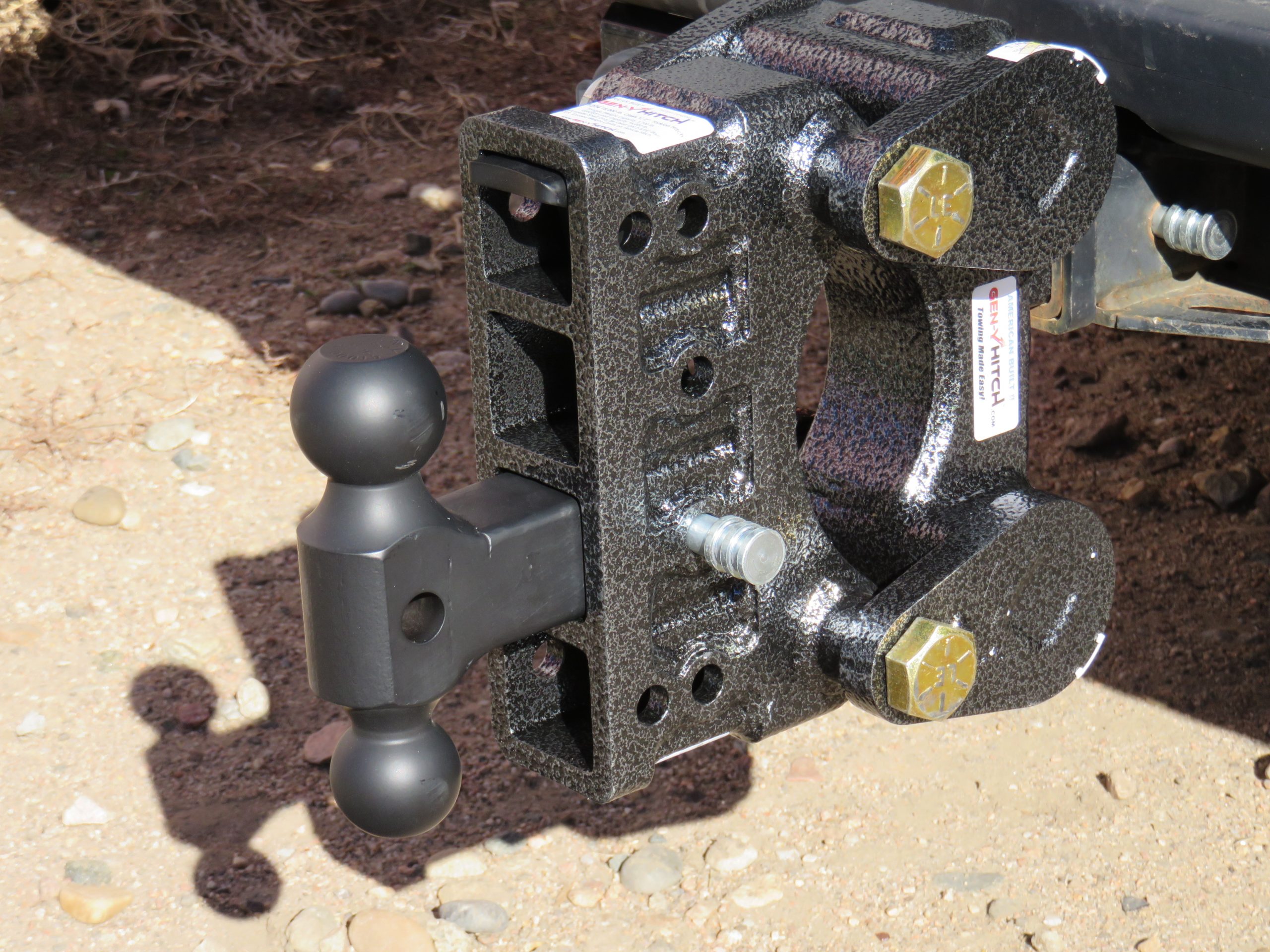
Do not confuse a pin lock with a coupler lock. A locking hitch pin secures a ball mount to the receiver on your truck. It does little to protect a trailer once it is disconnected. When the trailer is parked, the coupler itself needs protection.
For higher-value trailers, add a wheel lock or wheel clamp. This is especially worthwhile at storage facilities, job sites, fairgrounds, trailheads, and rural properties where a thief may have time to work. A visible clamp makes a trailer much harder to roll away, even if someone has defeated the coupler lock or brought the right hitch equipment.
A heavy security chain can add another obstacle when it is run through a wheel or axle component and anchored to a fixed point. Use a hardened chain and a protected-shackle lock, not the inexpensive chain and padlock combination commonly used on gates. Keep the lock body off the ground where it can be attacked more easily, and avoid routing a chain where it can damage brake lines, wiring, or tires.
The point is not to make theft physically impossible. Given enough time, tools, and privacy, almost any lock can be beaten. Your job is to add time, noise, and effort until stealing your trailer is no longer the low-risk choice.
Start With the Right Coupler Lock
The coupler lock is the security item every trailer owner should own. Choose one based on the trailer’s coupler type, not simply the lowest price on the shelf. A lock should fully block the ball socket, have a hardened locking mechanism, and fit without leaving large gaps around the coupler.
Before buying, identify whether your trailer has a standard ball coupler, an adjustable channel-mounted coupler, a lunette ring, or a different specialty setup. Gooseneck and fifth-wheel trailers need a lock designed for the kingpin or gooseneck coupler. A bumper-pull lock will not secure them properly.
Check the lock every time you park. Dirt, road salt, and rain can seize a mechanism that looked fine last season. Keep the keyway clean, use an appropriate lock lubricant, and carry the spare key somewhere other than the trailer’s toolbox. A lock that cannot be opened when you need to move the trailer creates its own expensive problem.
Use a Wheel Clamp for Storage and Long Stops
A wheel clamp is not always convenient for a quick overnight stop in your own locked driveway. For a trailer stored for weeks or months, though, it is one of the most obvious deterrents available. Visibility matters. Thieves generally prefer equipment they can connect and pull away quickly.
Clamp a wheel where the device is easy to see but difficult to access with a cutting tool. Follow the clamp maker’s instructions so it contacts the tire and wheel as intended, without crushing a valve stem or damaging an aluminum wheel. If your trailer has tandem axles, securing one wheel still creates a serious obstacle, but a second restraint adds protection for a high-value rig.
Do not rely on wheel chocks as theft protection. Chocks are for safe parking and should always be used when appropriate, especially on grades, but they can be kicked aside or removed in seconds.
Park Like Someone Is Watching
Where and how you park can be as effective as the lock itself. Park with the coupler facing your house, garage, fence, or another obstacle when possible. This limits room for a tow vehicle to line up and makes the tongue harder to reach. Backing a trailer into a narrow side yard may be inconvenient on pickup day, but it can make a theft attempt far more obvious.
At home, use lighting and camera coverage. Motion lighting is useful because it draws attention to activity around the trailer. Cameras are valuable for identification and documentation, but do not treat them as a substitute for physical security. A camera may record a theft. A lock and wheel clamp can prevent one.
At a storage lot, choose a space visible from a main drive aisle, office, camera, or occupied area rather than the darkest corner of the property. Ask whether the gate access system records entries and whether there is active video coverage. A locked gate alone is not enough. Many trailer thefts happen inside storage facilities because thieves gain access as renters or follow another vehicle through the gate.
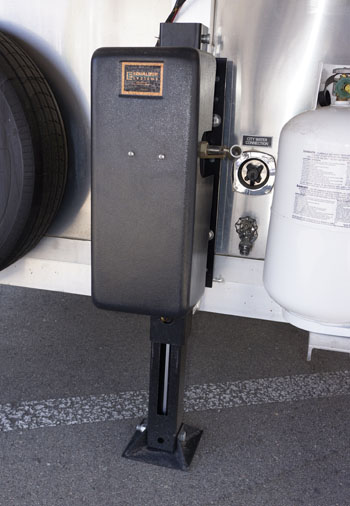
If you park at a campground, event, or job site, remove valuable portable gear from open racks and exterior compartments. Generator cables, propane bottles, batteries, ramps, tools, and spare tires attract attention. Locking them down is worthwhile, but storing them out of sight is better when practical.
Do Not Advertise What Is Inside
An enclosed trailer marked with expensive equipment, race-team graphics, or contractor branding can be an easy target. You may need your business name on the trailer but avoid leaving a detailed inventory visible through windows or open vents. Cover tools and equipment, lock side doors and rear doors separately, and do not leave a trailer hitched to a truck overnight unless you have a specific reason and secure parking.
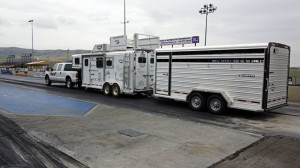
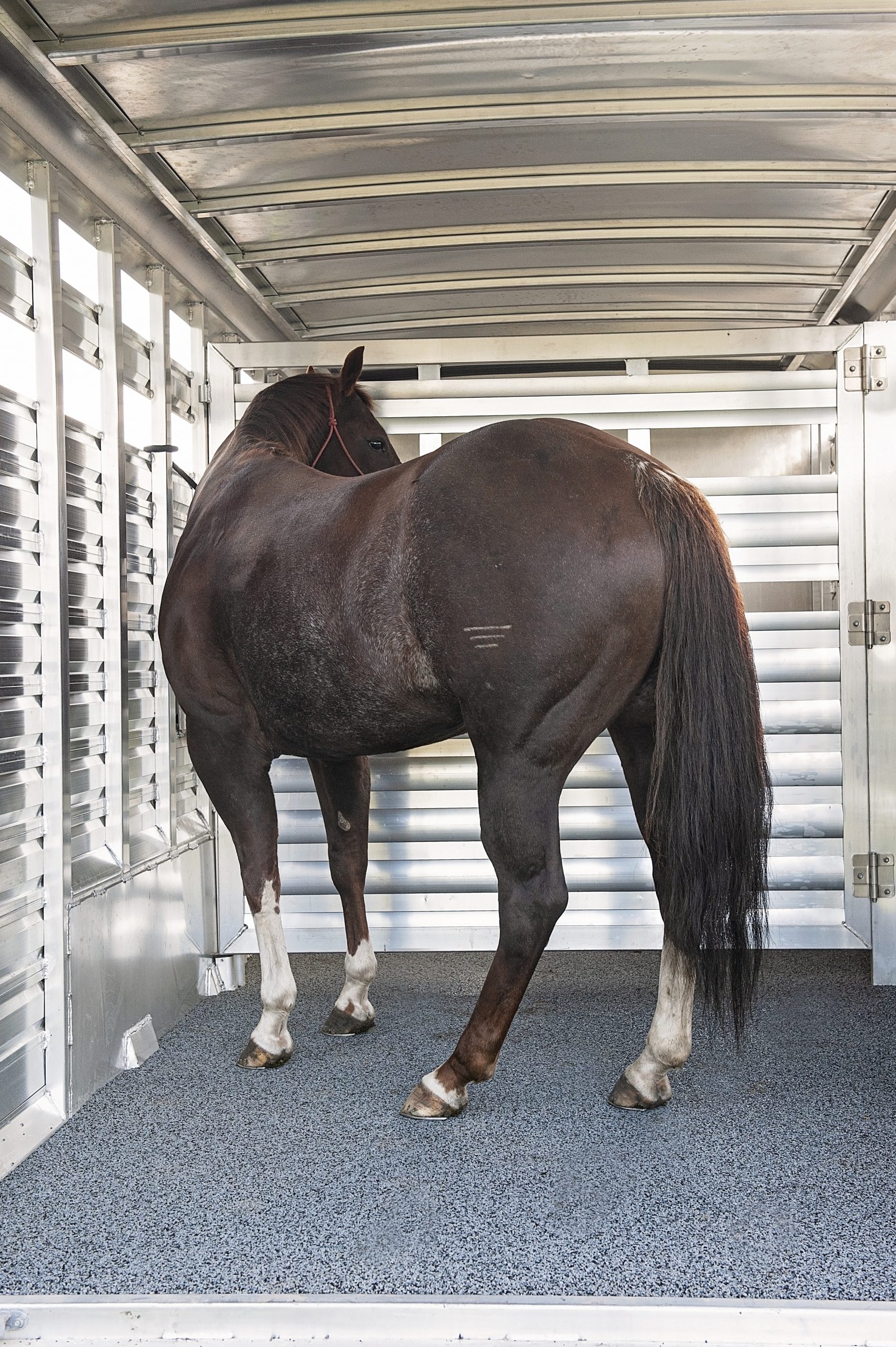
A loaded trailer deserves extra attention. Equipment trailers, cargo trailers, and horse trailers can carry enough value that the trailer itself is only part of the loss. If possible, unload compact tools, ATVs, generators, saddles, and electronics before long-term storage. If livestock is involved, never leave animals unattended in a parked trailer as a security workaround.
Add Tracking and Identification
Physical locks deter theft. Tracking improves the odds of recovery. A concealed GPS trailer tracker can alert you when the trailer moves and provide location information to law enforcement. It needs a dependable power source, a protected mounting location, and a plan for monitoring alerts. A tracker that sends notifications to an old phone or has a dead subscription is not much help.
Record the trailer VIN, license plate, make, model, tire size, axle details, and unique modifications. Photograph all four sides, the coupler, interior, serial-number plates, and any custom work. Keep those records in a cloud account or another location that is not inside the trailer.
For valuable trailers, consider discreet identification markings in more than one location. A clearly marked VIN plate can be removed. Secondary markings can help prove ownership after recovery and make it harder for a thief to pass the trailer off as clean.
Avoid Security Mistakes That Create Bigger Problems
Never block required lights, breakaway components, or emergency access with a security device when the trailer is being transported. Remove wheel clamps, chains, and tongue locks before towing, then do a complete walk-around. More than one owner has damaged a tire, fender, or suspension because a wheel restraint was left in place.
Do not attach a chain to the safety chains and assume it is secure. Safety chains are designed for towing emergencies, not as hardened theft anchors. They can also be removed or cut more easily than a properly selected security chain.
Finally, keep the trailer maintained. Flat tires, weak batteries, missing breakaway cables, and neglected brakes make a trailer look abandoned and can complicate recovery. A trailer that is clearly owned, regularly checked, and visibly protected is a less attractive target.
Security works best when it is routine: lock the coupler, secure a wheel for longer stops, park with purpose, and keep your ownership records current. When you are ready to equip your trailer with proven towing and security gear, visit the MrTruck store for equipment selected for owners who expect it to hold up in the real world. https://store.mrtruck.com/