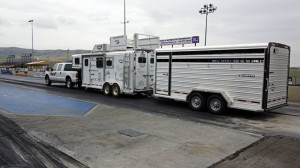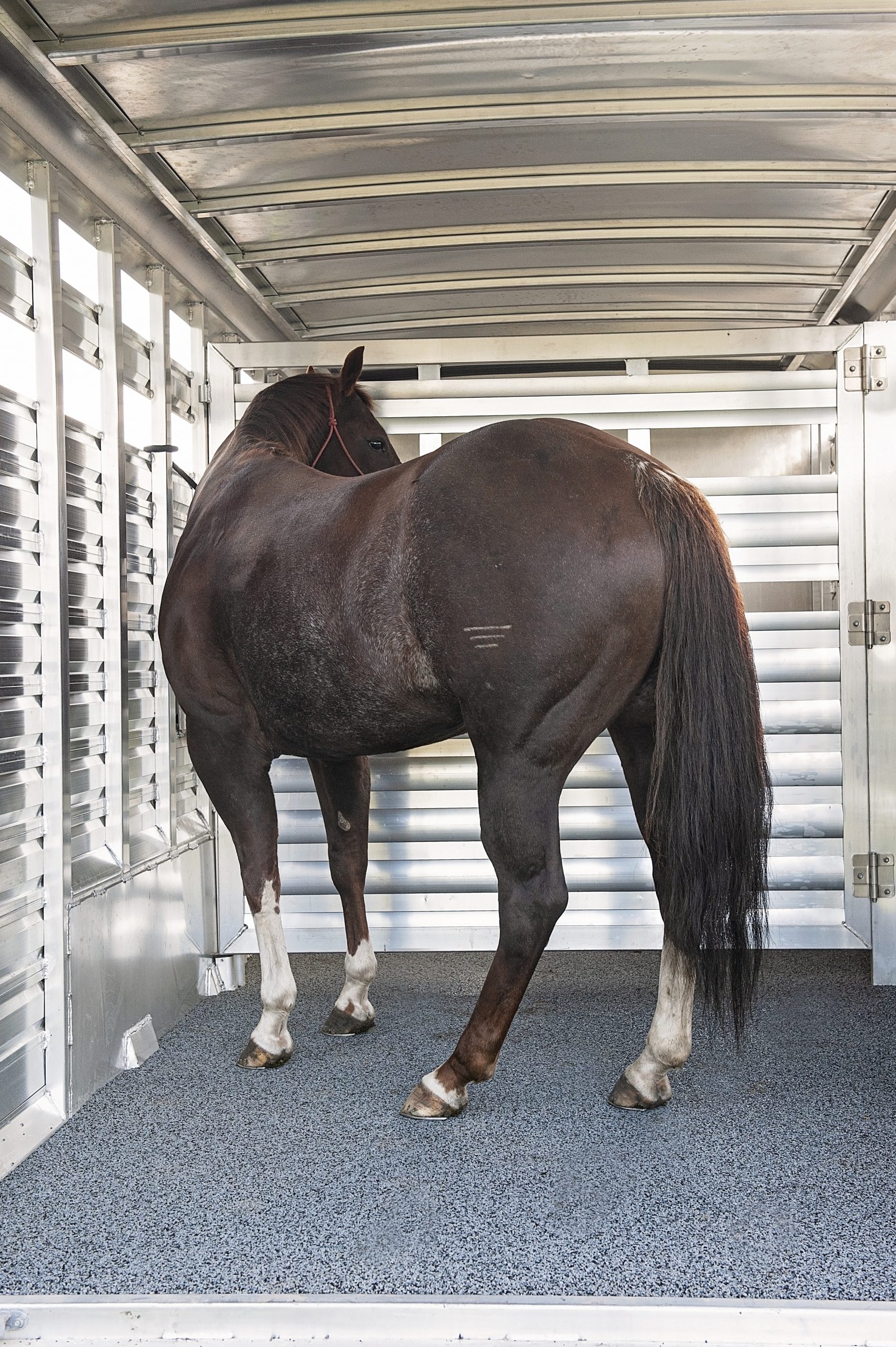


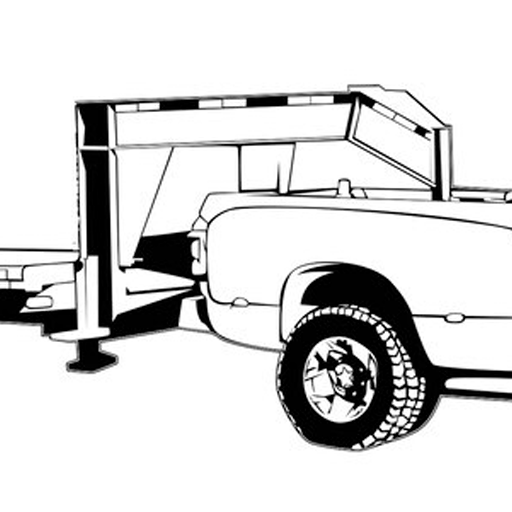
A horse trailer is not just another load. It carries live cargo that shifts weight, reacts to noise and motion, and depends on you to make every stop, turn, and downhill grade predictable. Learning how to tow horse trailer safely starts before the truck moves. The right equipment matters, but so does the routine you follow every time you hitch up.
Too many owners focus on whether their truck can pull the trailer. Pulling is only half the job. A safe tow vehicle also needs enough payload for hitch weight, enough braking control for the total combination, proper tires, and a setup that remains stable when a horse moves or crosswinds pick up.
Start With the Right Truck and Ratings
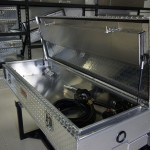
Read the truck’s towing guide, door-jamb payload sticker, and trailer information separately. Do not assume a truck with a big advertised tow rating is automatically suitable for your horse trailer. That headline number can shrink quickly once you add passengers, a bed-mounted toolbox, tack, feed, water, and the trailer’s loaded tongue weight.
For a bumper-pull trailer, tongue weight commonly lands around 10 to 15 percent of the loaded trailer weight. A gooseneck usually places more weight in the truck bed, often 15 to 25 percent. That hitch weight counts against payload. A three-quarter-ton pickup may have the engine to move a loaded trailer with ease but still run short on payload when carrying a heavy gooseneck and a family in the cab.
Check the truck’s gross combined weight rating as well. This is the maximum allowed weight of the truck, trailer, cargo, people, and animals together. Also verify the receiver hitch rating for a bumper-pull rig or the hitch and bed mounting system for a gooseneck. The lowest-rated component sets the limit.
Match the Hitch to the Trailer
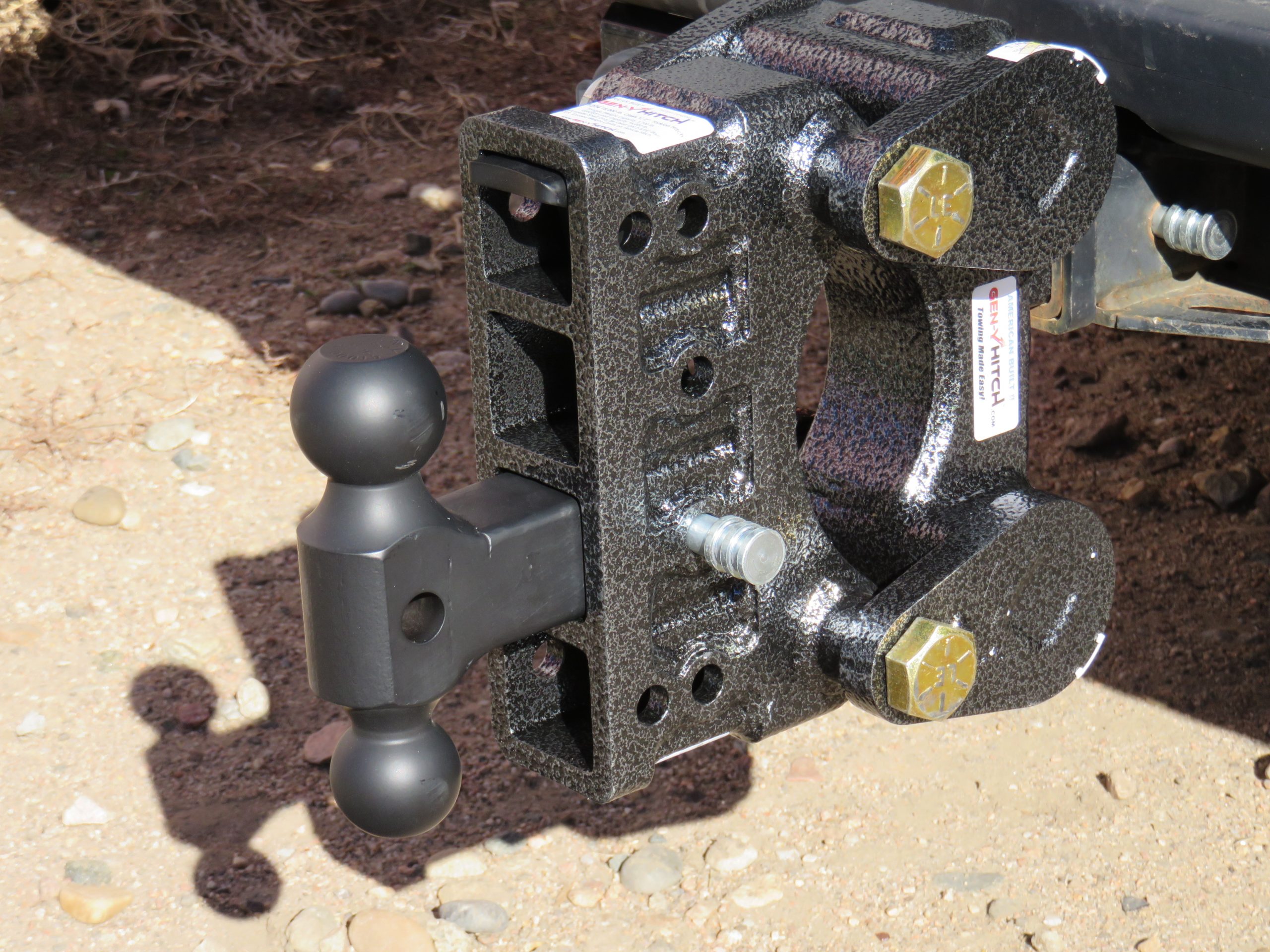
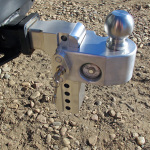
A properly sized ball and coupler are basic, but they are not the entire hitch setup. Confirm the ball diameter stamped on the coupler, make sure the ball mount is rated for the load, and inspect the receiver pin and safety-chain attachment points. The trailer should ride level or close to level when fully loaded. A nose-high trailer can reduce weight on the trailer axles and encourage sway. A nose-low trailer can overload the truck’s rear axle and make the rig harder to control.
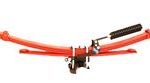
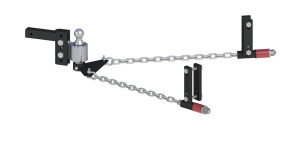
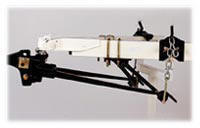
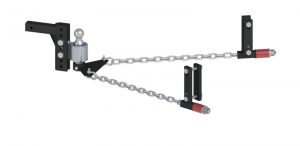
With a bumper-pull horse trailer, a weight-distribution hitch may be a good choice when tongue weight is substantial and the truck squats enough to unload the front axle. Properly adjusted spring bars return useful weight to the truck’s front axle and trailer axles. They are not a cure for an overloaded truck or a poorly balanced trailer.
Sway control can help on certain bumper-pull setups, particularly with longer trailers or lighter tow vehicles. But no friction sway device or advanced hitch can overcome bad loading, worn trailer tires, or reckless speed. Fix the cause first.
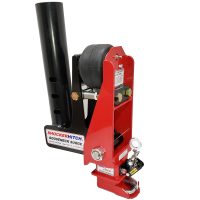
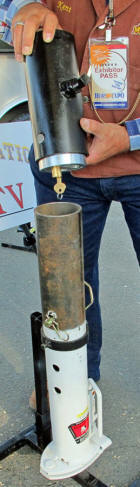
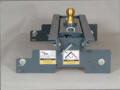
For gooseneck trailers, make sure the hitch is mounted correctly and rated for the trailer. Inspect the safety chains, breakaway cable, latch mechanism, and coupler height. Short-bed truck owners should pay particular attention to cab clearance in tight turns. A trailer with a properly designed offset coupler or an approved turning solution can prevent an expensive encounter between the trailer nose and truck cab.
Load Horses and Gear for Stability
Weight distribution is where many horse-trailer problems begin. Load the heaviest items low and as close to the trailer axles as practical, while following the trailer maker’s loading guidance. Tack trunks, water containers, portable generators, hay, and feed can add hundreds of pounds before a horse steps aboard.
If you are hauling one horse in a multi-horse trailer, use the position recommended by the trailer manufacturer. The goal is not merely to make the trailer look balanced. You need adequate tongue or pin weight without putting too much load on one side or behind the axles. Horses themselves can shift during travel, which is another reason to leave a sensible safety margin in truck ratings.
Secure every loose item. A loose shovel, water bucket, or tack box can become a dangerous projectile in a hard stop. Close and latch all doors, windows, roof vents, and escape-door hardware. Check that interior dividers are locked in their travel positions.
Inspect Tires, Brakes, Lights, and the Breakaway System
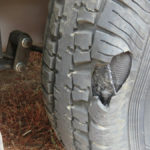
Trailer tires age out before they necessarily wear out. Sun exposure, long periods of sitting, and underinflation are hard on them. Check the DOT date code, sidewalls, tread, valve stems, and wheel-lug torque. Inflate tires to the pressure listed on the trailer tire placard or tire manufacturer’s load chart, not by guesswork. Do the same for the truck tires, using pressures appropriate for the actual load.
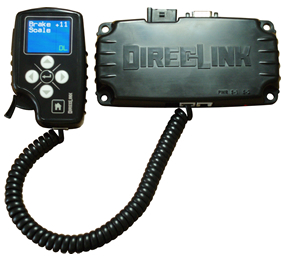
Before every trip, walk around the whole combination. Test brake lights, turn signals, running lights, and reverse lights. Plug in the trailer and use the brake controller’s manual control at low speed to verify that the trailer brakes engage. Set the controller so the trailer contributes meaningful braking without locking its wheels under normal stops. Fine-tune it with the trailer loaded, because an empty trailer and a loaded horse trailer do not brake the same way.
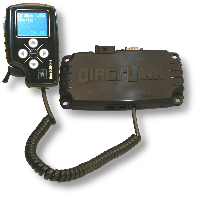
The breakaway system deserves special attention. Its battery must be charged, the cable must be attached directly to the truck, and the cable needs enough length for turns without dragging on the ground. Never hook it to a safety chain. If the trailer separates, the breakaway switch needs to activate the trailer brakes immediately.
How to Tow a Horse Trailer on the Road
The first rule is simple: drive for the trailer, not for the speed limit. Horse trailers have more wind resistance, longer stopping distances, and a higher center of gravity than most utility trailers. A speed that feels routine in an unloaded pickup may be too fast when hauling animals.
Leave a much larger following distance than you normally would. Look well ahead, come off the throttle early, and brake smoothly. Sudden braking can upset the horses and transfer weight forward quickly. On long downhill grades, downshift early and let engine braking do part of the work. Riding the brakes builds heat, and overheated brakes fade when you need them most.
Make turns wider than you think you need to, especially at fuel stations and tight intersections. Watch the trailer tires in your mirrors so they do not climb curbs or cut across obstacles. Change lanes gradually. If crosswinds or passing trucks move the trailer around, reduce speed, hold the wheel steady, and avoid sharp steering corrections.
Backing takes practice, and there is no prize for doing it fast. Use a spotter whenever possible. Agree on hand signals before starting, keep the spotter visible in your mirror, and stop immediately if you lose sight of them. Small steering inputs are usually enough. If the trailer starts going wrong, pull forward and reset rather than forcing the correction.
Build a Pre-Trip Routine You Will Actually Use
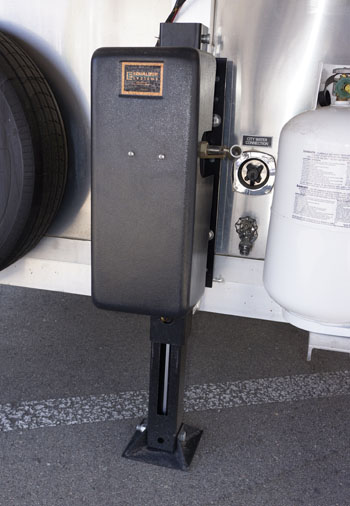
The safest haulers are not lucky. They are consistent. A repeatable walk-around catches the simple failures that create roadside trouble. Before leaving, confirm that the coupler is locked, the jack is fully raised, chains are crossed under a bumper-pull tongue, electrical connections are secure, brakes work, tires are properly inflated, and every door is latched.
Then check again after the first few miles. Pull into a safe area, feel cautiously near each wheel for unusual heat without touching hot components, inspect the hitch, and make sure the load has settled normally. On longer trips, stop periodically to offer care for the horses and inspect the rig again.
Know When to Upgrade the Setup
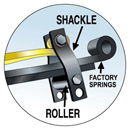
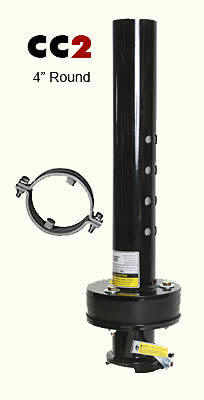
If your truck squats heavily, wanders in wind, struggles to stop, or runs near its ratings on every trip, do not treat that as normal horse hauling. It may be time for a better hitch setup, upgraded rear suspension support, brake-controller adjustment, trailer brake service, tire-pressure monitoring, or a more capable truck. Suspension helpers can improve ride height and handling, but they do not increase factory payload or axle ratings.
The best towing setup feels uneventful. The trailer tracks straight, the truck remains composed, braking is controlled, and the horses arrive without being rattled around. That is the standard worth building toward, one careful inspection and one properly matched component at a time.
For proven towing equipment and practical help choosing what fits your truck and horse trailer, Visit our store.