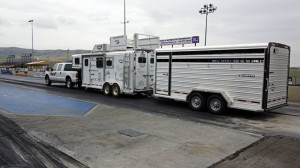



A half-ton can look great on a dealer lot and still disappoint the first time you hook up a travel trailer in a crosswind. That is where light truck reviews need to do more than repeat brochure specs. If you tow, haul, or spend your weekends with a trailer behind you, the truck has to be judged under load, not just on horsepower charts and touchscreen size.
Too many reviews treat light trucks like commuter vehicles with a bed. That misses the point for a big part of the market. Owners who pull horse trailers, RVs, equipment trailers, and work rigs need answers about stability, braking feel, payload reality, hitch setup, rear suspension control, and how the truck behaves after 200 miles, not just the first 20.
What good light truck reviews should actually cover
A useful review starts with the truck’s job. A basic daily driver that occasionally hauls mulch should be judged differently than a half-ton set up to tow a 9,000-pound camper every month. One truck can feel smooth and refined empty, then get pushed around once tongue weight hits the hitch. Another may ride stiffer unloaded but become the better tow vehicle because it stays flatter, calmer, and more predictable.
That is why the best reviews separate marketing claims from working performance. Maximum tow rating sounds impressive, but it does not tell you how quickly payload disappears when you add passengers, a hitch, toolboxes, and cargo. It also does not tell you whether the truck feels settled on rough pavement or starts hobby-horsing on expansion joints.
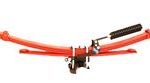
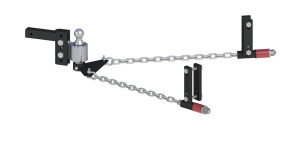
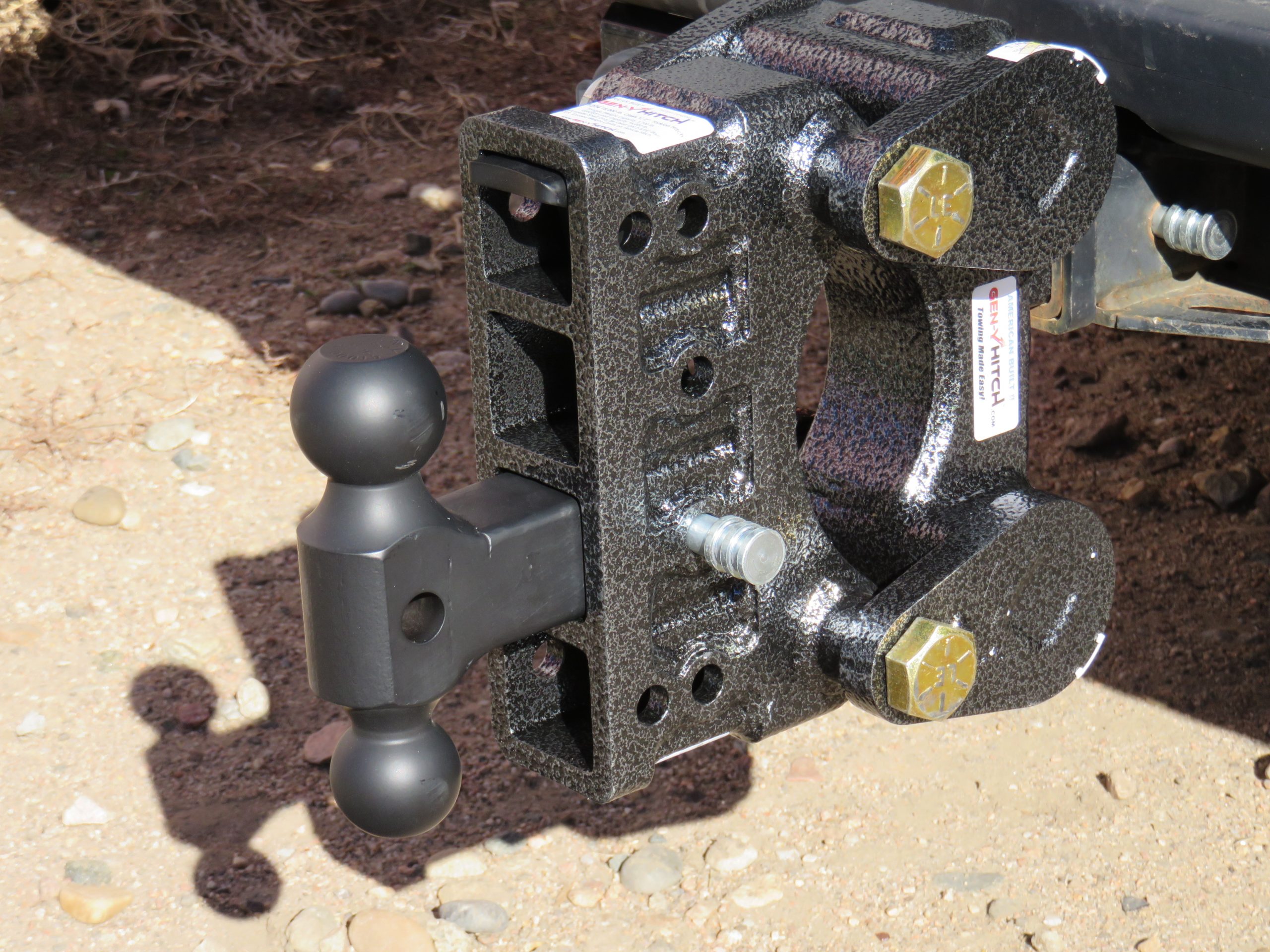
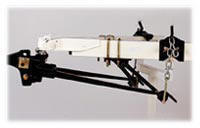
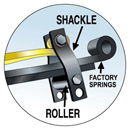
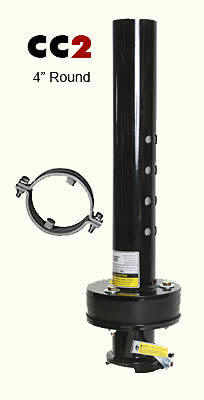
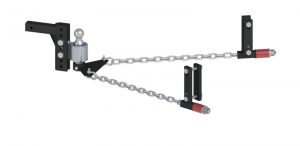
A real review should discuss engine response under load, transmission behavior on grades, brake confidence, steering correction in wind, and rear suspension squat. It should also explain whether factory tow packages are enough as delivered or whether the truck really benefits from suspension support, better tires, or sway control equipment.
Light truck reviews: the towing tests that count
For towing owners, several test areas matter more than the usual magazine checklist. The first is launch and low-speed control. A truck that pulls cleanly from a stop with a trailer attached, especially on an incline, inspires confidence right away. Gear spacing, torque delivery, and throttle calibration all matter here.
Next comes highway stability. This is where some light-duty trucks separate themselves quickly. A truck can have good power and still feel too soft in the rear or too light in the steering when trailer weight starts moving around. Good light truck reviews should describe whether the truck tracks straight, how often correction is needed, and whether the suspension settles the trailer or lets the whole combination get busy.
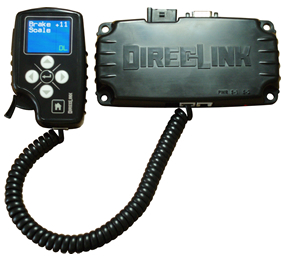
Braking is another area where paper specs do not tell the whole story. Pedal feel, trailer brake controller integration, downshift logic, and confidence on long descents all matter. A truck with a strong engine and flashy tow rating is not much use if the braking experience feels vague and overworked.
Then there is cooling and driveline management. Pulling in summer heat, climbing grades, and dealing with stop-and-go traffic can reveal weaknesses fast. A proper review should note transmission temperature behavior, fan noise, engine strain, and whether the truck hunts between gears.
The biggest mistake buyers make with half-ton pickups
The most common mistake is buying from the top-line tow rating down instead of from payload and real use up. Plenty of owners shop for the biggest advertised trailer number and never notice that the truck’s payload sticker may be the limiting factor long before the engine runs out of muscle.
This matters most with family towing. Add two adults, kids, a hitch, cargo in the bed, maybe a generator or cooler, and available payload can shrink in a hurry. If the trailer has healthy tongue weight, you may already be closer to the truck’s practical limit than expected.
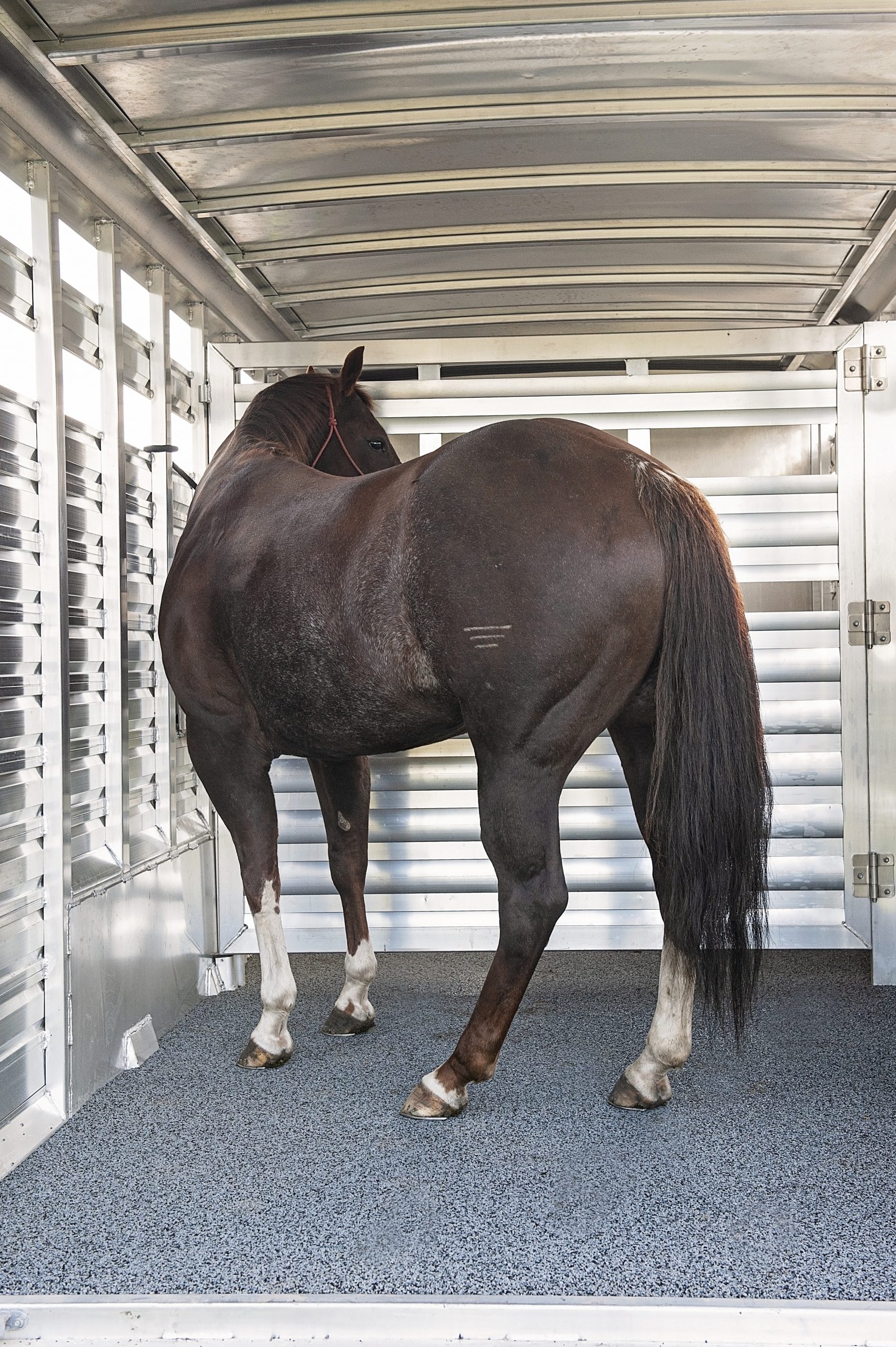
That does not mean half-tons are poor tow vehicles. Many are excellent within the right setup. It means reviews should be honest about use case. A light truck that works well for a moderate camper may not be the right answer for a loaded horse trailer, high-profile enclosed trailer, or frequent mountain towing.
What separates a good light truck from a great one
The trucks that earn respect over time usually get the basics right. They have predictable steering, a transmission that stays in the right gear, mirrors you can actually use, and suspension tuning that does not fall apart under tongue weight. They also tend to have better seat comfort, clearer camera views, and controls that make sense when you are backing to a trailer in the dark.
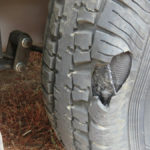
Wheelbase plays a bigger role than many buyers think. A longer wheelbase often tows better because it adds stability and reduces the trailer’s leverage on the truck. Tire choice matters too. Passenger-rated tires may help ride comfort empty, but they can feel softer and less controlled when towing. Depending on the truck and load, upgrading to a more suitable tire can sharpen the whole setup.
Rear suspension is another dividing line. Coil spring, leaf spring, and newer multi-link designs each have strengths. Some deliver a nicer empty ride, while others hold up better under load. There is no one-size-fits-all answer. The better truck is the one that matches your actual work.
Power is easy to sell, control is harder to fake
Manufacturers love horsepower wars because big numbers are easy to market. But for towing, control wins. A truck with less peak power but better gearing, calmer suspension, and smarter brake integration can be the superior choice in the real world.
Turbocharged engines can tow very well, especially at altitude, but some buyers still prefer the feel and simplicity of a naturally aspirated V8. That is a fair debate. The right answer depends on trailer weight, terrain, service expectations, and how long you plan to keep the truck.
Ride quality depends on whether the bed is empty or working
This is where reviews often get lazy. A soft, plush empty ride may impress during a quick test drive, but add 800 to 1,200 pounds of real-world load and the ranking can change. Some trucks improve when loaded. Others start to wallow, squat, or lose steering confidence.
Owners who tow regularly should pay attention to how the rear suspension handles sag and rebound. If the truck needs help, that is not always a deal breaker. Well-chosen suspension upgrades can make a major difference. The key is knowing whether you are fixing a small weakness or trying to compensate for buying too little truck.
How to read truck reviews without getting misled
Start by filtering out reviews that never tow anything meaningful. If the reviewer spent more time talking about ambient lighting than towing manners, it is not the review you need.
Look for specifics. Did they mention trailer weight, tongue weight, road conditions, wind, grade, and distance? Did they discuss payload sticker numbers or only quote brochure maximums? Did they describe brake feel and stability, or just say the truck was “capable”? Vague praise is not helpful when you are spending serious money.
Also pay attention to trim level. A truck tested in a luxury trim with 22-inch wheels, soft tires, and a short bed may behave differently than a work-oriented version with a longer wheelbase and better payload. Reviews should make those differences clear.
The right truck is the one that leaves margin
The best tow vehicle is rarely the one operating at the edge of every rating. Margin matters. A truck that tows your trailer comfortably, with room left in payload and stable manners on bad roads, is worth more than one that barely qualifies on paper.
That is especially true for RV and horse trailer owners. Crosswinds, emergency maneuvers, rough pavement, and hot weather all expose weak setups. When reviews talk honestly about those situations, they become useful. When they focus only on acceleration and luxury features, they become entertainment.
If you are comparing light trucks, think hard about your real trailer, your real cargo, and your real routes. Be honest about how often you tow, how far you go, and whether future upgrades could add weight. Buying a truck with some breathing room usually costs less than replacing a marginal setup later.
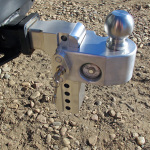
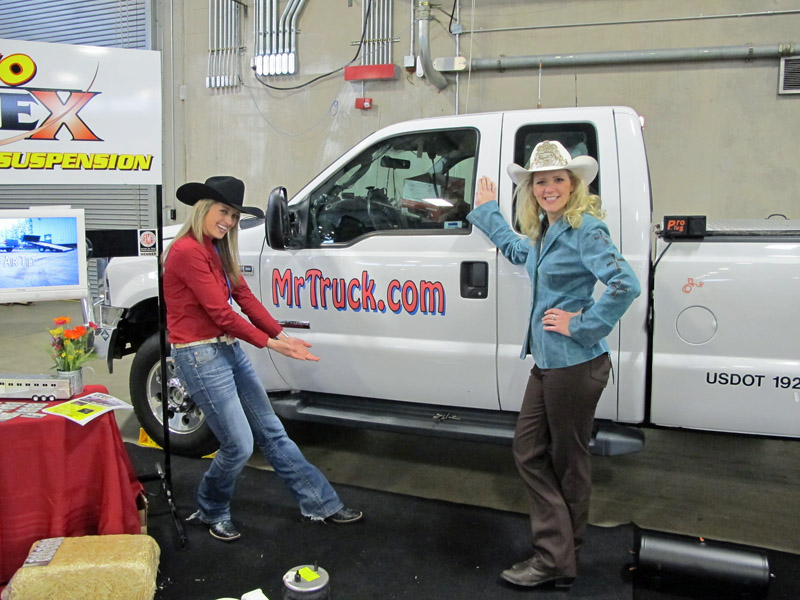
The smartest light truck reviews do not just tell you which pickup is newest or fastest. They tell you which one stays composed when the trailer starts talking back. If you need proven towing accessories, suspension help, hitch solutions, or gear that actually works in the field, visit www.Store.MrTruck.com .