

A trailer can start talking to a modern pickup before you leave the driveway. It can report tire pressure, confirm lights, show its blind side on the center screen, and help the truck apply trailer brakes. That does not mean every new feature deserves your money. The pickup towing technology trends worth watching are the ones that reduce a real risk, make setup more repeatable, or give the driver better information before a minor problem becomes a dangerous one.
For RV owners, horse haulers, equipment contractors, and families pulling a travel trailer, the best towing technology still begins with the fundamentals: correct truck and trailer ratings, proper tongue or pin weight, sound tires, a correctly adjusted hitch, and a trailer that is maintained. Electronics can support good towing practice. They cannot repair poor weight distribution or make an overloaded truck safe.
Pickup Towing Technology Trends With Real Value
The biggest change is not one magic towing feature. It is the way truck systems are beginning to work together. Cameras, brake controls, onboard scales, trailer profiles, and driver-assistance systems now share information through the truck’s display. Used properly, that can take some guesswork out of hook-up and departure.
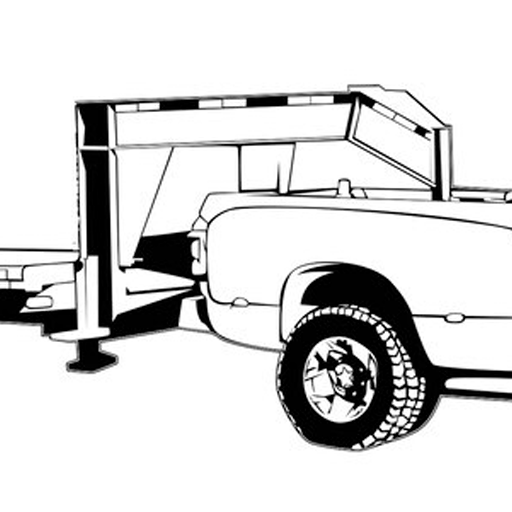
The catch is that factory systems vary widely by truck brand, trim level, and trailer. A feature that works well with a newer production RV may have limited usefulness with an older stock trailer, a flatbed equipment trailer, or a custom-built gooseneck. Before choosing a truck for its towing tech, ask whether it supports the trailers you actually own.
Camera systems are becoming a pre-trip tool
A rear camera used to be mainly for backing into a parking spot. Now, multi-view camera systems can make hitching easier, show the bed around a fifth-wheel or gooseneck connection, and provide side views while turning. Some truck-and-trailer combinations offer a rear-facing trailer camera view, which is especially useful when changing lanes or watching livestock and cargo during a stop.
The practical benefit is visibility at low speed. A camera can help align a ball under a coupler, verify that a fifth-wheel kingpin is centered, or spot a loose strap before it gets caught under a tire. It is also helpful for checking trailer clearance at fuel islands and tight campgrounds.
But cameras have limits. Rain, road spray, dust, and glare can make a camera view nearly useless. A camera also cannot judge every corner of a trailer or replace a walk-around inspection. Treat it as an extra set of eyes, not your only set.
Trailer brake controls are getting smarter, but still need testing
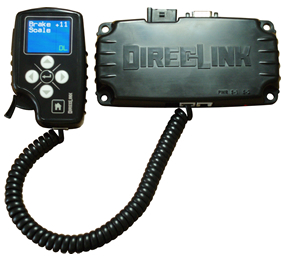
Integrated trailer brake controllers have become far better than the old basic units. Many can save separate trailer profiles, apply proportional braking, display connection status, and provide manual brake control at the dash. Some trucks can recognize a connected trailer and load a saved profile automatically.
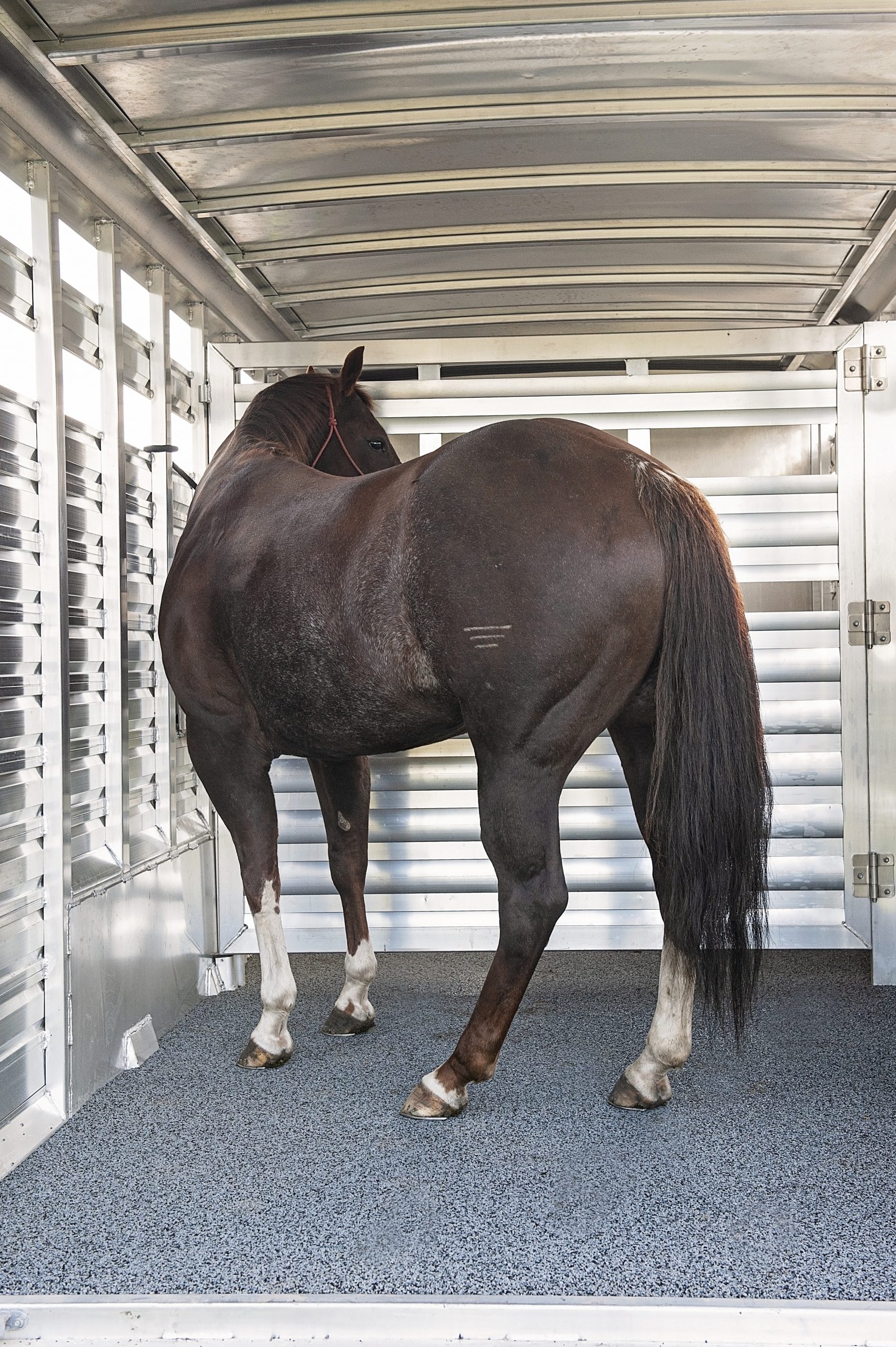
That convenience is welcome when you switch between a light utility trailer, a travel trailer, and a loaded car hauler. Yet a stored profile is not a substitute for a brake test. Trailer weight changes, brake condition changes, and road conditions change. A horse trailer with two horses aboard does not behave like the same trailer empty.
Every departure should include a low-speed brake check in a safe area. Use the manual control to verify the trailer brakes engage smoothly and adjust gain as needed. If the trailer pushes the truck under normal braking, do not trust the screen message saying everything is connected. Find the problem.
Onboard scales help, but they do not replace certified weights
More pickups are offering bed-load or onboard payload estimates. These systems can be useful for showing how much cargo and hitch weight the truck is carrying, especially when loading a heavy fifth-wheel pin weight or adding equipment to the bed.
Their best use is as an early warning. If the truck shows a heavy rear axle load before you have added passengers, tools, fuel, and a generator, you know it is time to stop guessing. Proper scale weights remain the final answer because they show truck axle weight, trailer axle weight, combined weight, and the effects of your loaded setup.
This matters because towing problems often come from payload, not advertised maximum tow rating. A truck may be rated to pull a large trailer yet run out of payload once a heavy hitch, passengers, cargo, and pin or tongue weight are added. Technology can make that truth easier to see, but it cannot change the truck’s door-sticker ratings.
Tire Monitoring Is Moving From Nice-to-Have to Essential
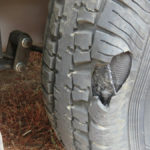
Trailer tire pressure monitoring systems are one of the strongest aftermarket towing upgrades available. A good TPMS gives the driver early warning of a pressure loss or an overheating tire before a failure tears up fenders, wiring, brake lines, or the trailer floor.
This is particularly valuable on tandem- and triple-axle trailers. A tire can lose pressure and still leave the trailer feeling almost normal for a while, especially on a wide, stable RV or horse trailer. By the time the driver notices a pull or sees debris in the mirror, the damage may be expensive.
The best systems monitor both pressure and temperature, use reliable sensors, and give an alarm loud enough to be noticed with the radio on. External cap sensors are easy to move between trailers, while internal sensors are protected from theft and damage but require tire service to install. Either style is better than relying on a visual kick of the tire at the fuel stop.
A TPMS does require maintenance. Replace sensor batteries on schedule, confirm the warning thresholds make sense for your tire pressures, and check readings against a dependable hand gauge. Electronics work best when the owner pays attention to them.
Hitch Technology Is Focusing on Control, Not Just Capacity
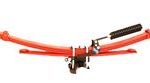
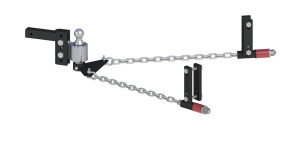
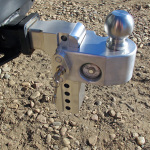
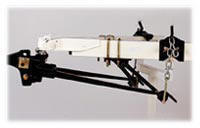
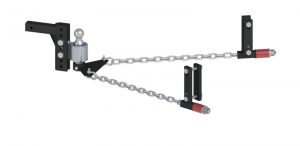
The basic job of a weight-distribution hitch has not changed: return some load to the front axle and improve truck-and-trailer balance. What has improved is the adjustment range, built-in sway control, and ease of dialing a hitch into a specific trailer.
For bumper-pull travel trailers and cargo trailers, integrated sway control remains a major safety benefit. The right hitch setup can make the difference between a truck that feels settled in crosswinds and one that constantly needs steering correction. It must be matched to actual loaded tongue weight, not the trailer’s empty brochure number.
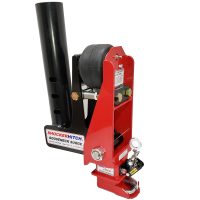
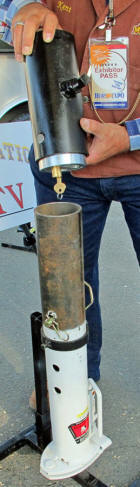
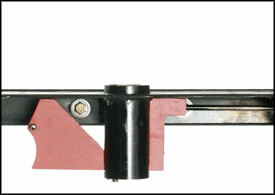
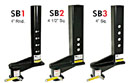
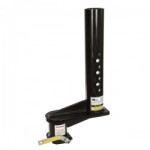
Gooseneck and fifth-wheel owners are also seeing better options for short-bed clearance, air-assisted ride control, and coupler connection visibility. An air-ride hitch can reduce some chucking and shock transfer, but it will not cure an improperly loaded fifth-wheel or worn trailer suspension. Likewise, a turning or offset solution may help short-bed maneuvering, but it has to be compatible with the trailer and truck manufacturer’s guidance.
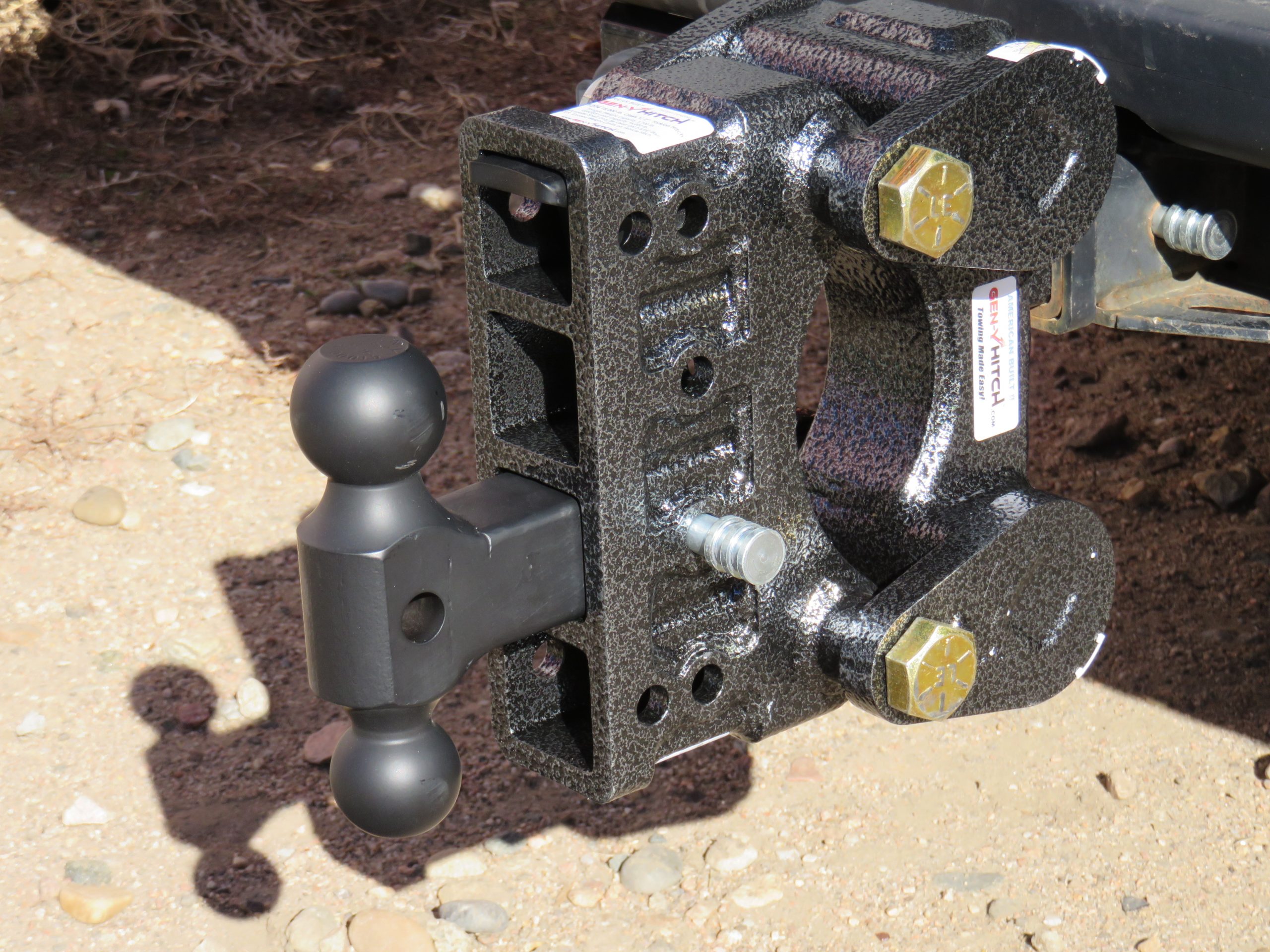
The trend worth following is adjustability. Towing equipment that can be correctly set up for your real loads is more useful than a gadget with a flashy claim.
Driver Assistance Needs a Towing Mindset
Adaptive cruise control, blind-spot monitoring, rear cross-traffic alerts, and lane-keeping systems can make long highway days less tiring. Some current pickups extend blind-spot coverage to account for trailer length, which is a meaningful step forward when pulling a wide RV or enclosed trailer.
Still, towing changes how these systems behave. A truck needs more room to stop with a trailer behind it. Lane-centering systems can make unnecessary steering corrections on narrow roads or in heavy crosswinds. Adaptive cruise may brake harder than an experienced driver would prefer on a downhill grade.
Use the features that help you maintain awareness, but stay responsible for speed, following distance, and gear selection. On long descents, select tow/haul mode and the proper gear early. Do not wait for the service brakes to get hot and then expect electronic assistance to save the day.
Build a Smarter Towing Setup in the Right Order
If you are upgrading an older truck or trailer, do not chase every factory feature you see advertised. Start with equipment that protects the trip: properly rated tires, dependable trailer brakes, a correctly adjusted hitch, working lights, and a tire monitoring system. Then consider cameras, suspension support, security equipment, and convenience upgrades based on how and where you tow.
The right technology should make you more deliberate, not more complacent. A camera should prompt you to inspect the connection. A TPMS alarm should prompt you to pull over safely. An onboard payload estimate should prompt you to get scale weights when the numbers are close.
MrTruck recommends choosing towing equipment the same way experienced haulers choose a route: know the load, understand the weak points, and leave yourself a margin. When you are ready to improve the safety and control of your own combination, contact the MrTruck store team for proven towing equipment and straight answers before you buy.