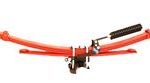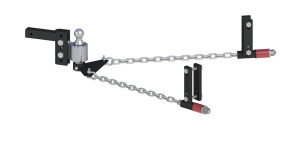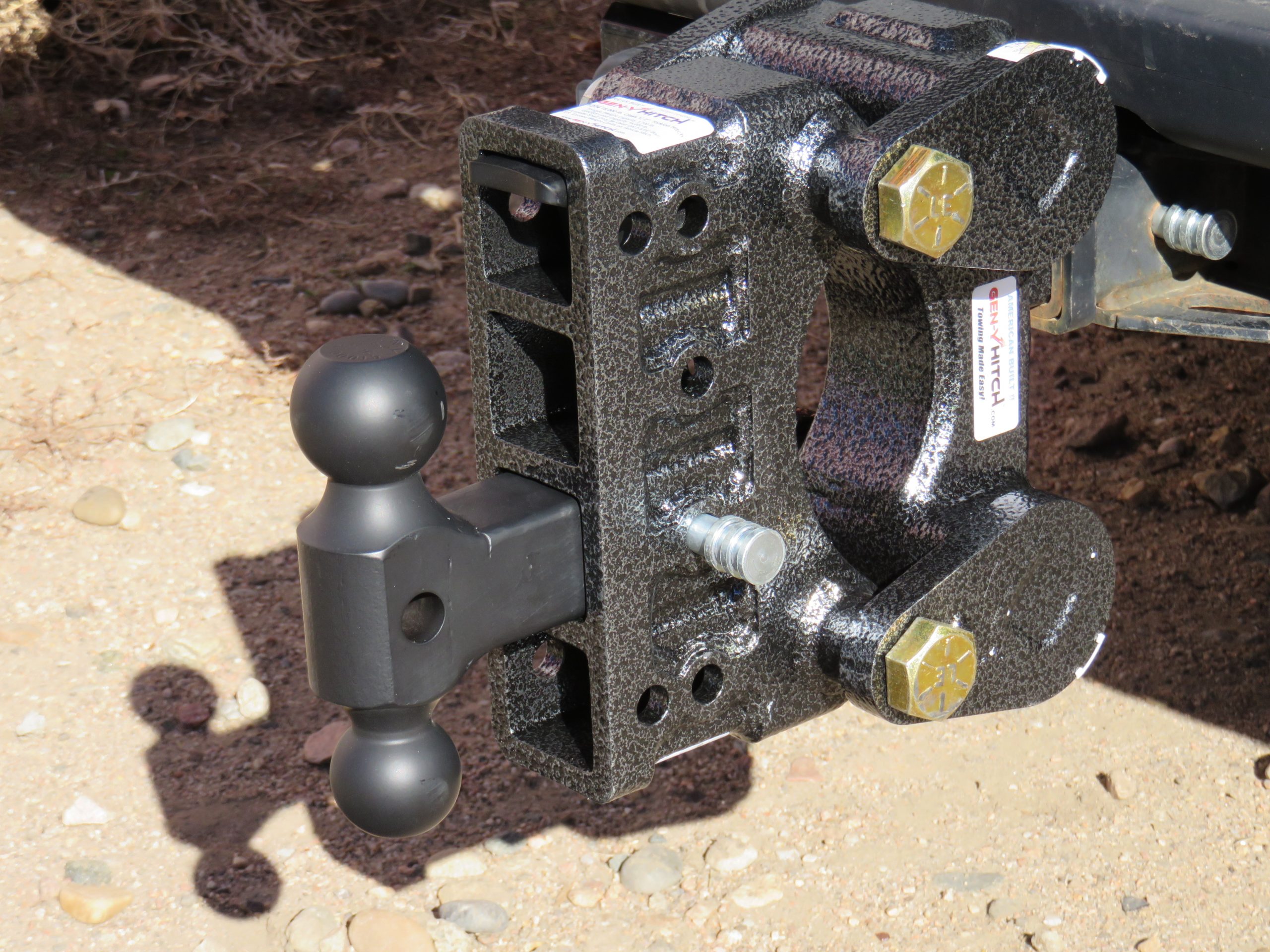



Short-bed owners usually figure this out the hard way. You hook up a gooseneck, start into a tight turn, and suddenly the front corner of the trailer is a lot closer to the cab than you like. That is where a popup hitch gooseneck trailer extension for short bed trucks starts making sense – not as a gimmick, but as a real clearance fix for the right trailer and truck combination.
The catch is that not every short-bed truck needs one, and not every extension is a smart answer. In towing, the wrong fix can create a second problem while trying to solve the first. If you are hauling horses, equipment, or an RV with a short-bed pickup, you need to know what a gooseneck extension actually changes, what it does not, and whether your setup is a good candidate.
What a popup hitch gooseneck trailer extension really does
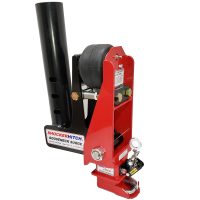
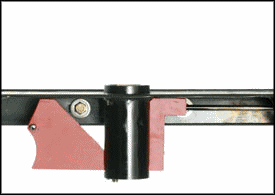
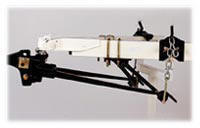
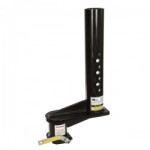
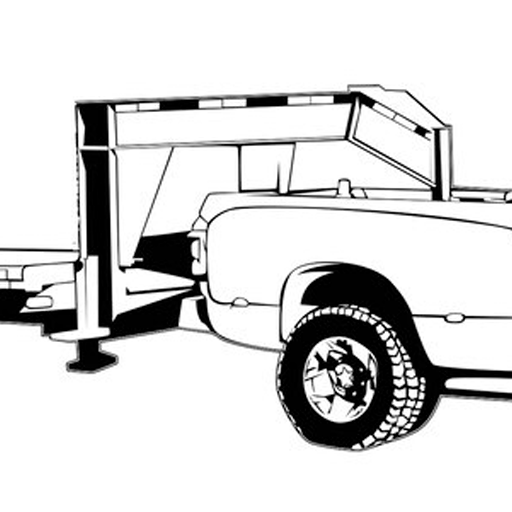
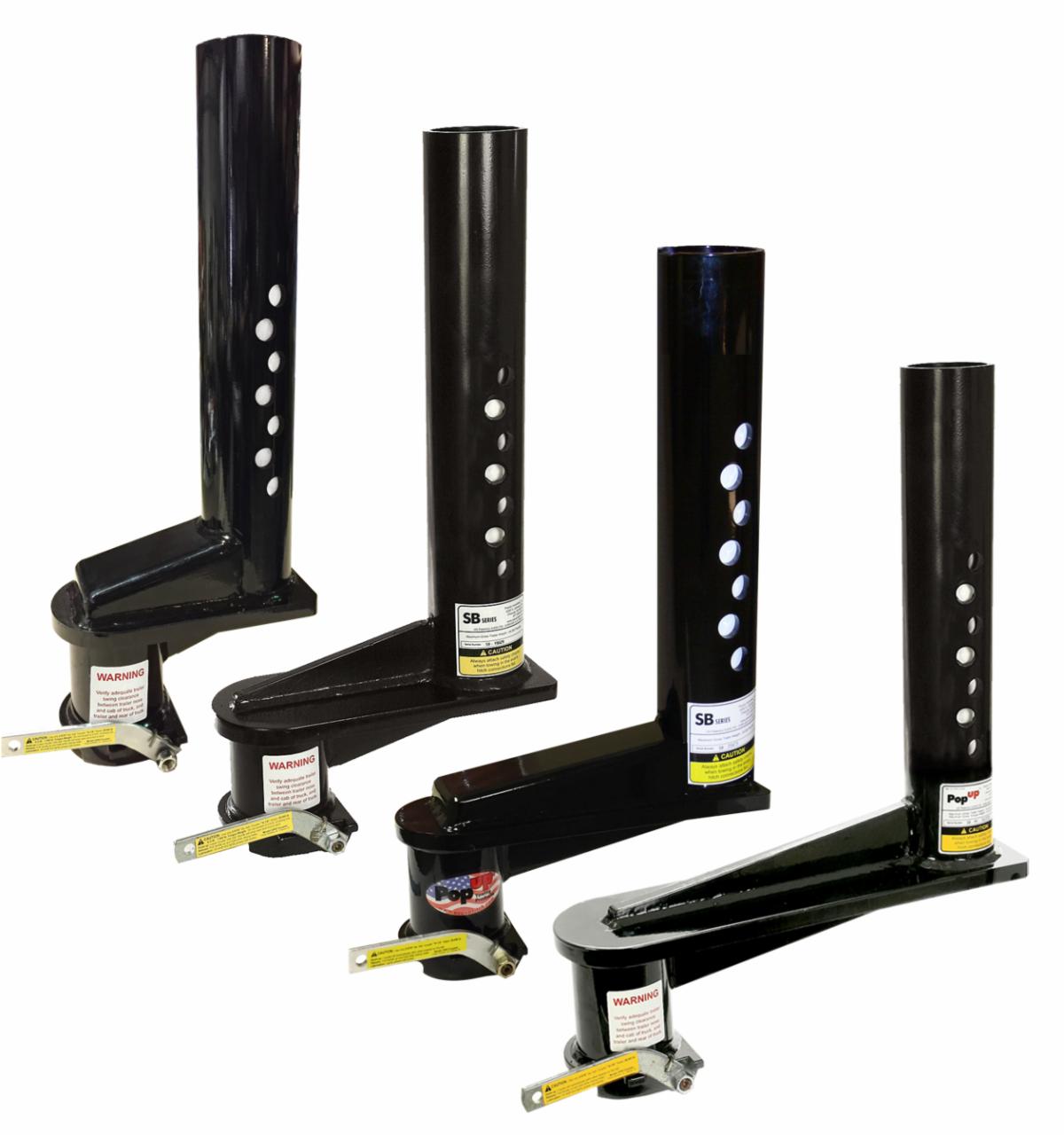 A gooseneck extension changes the relationship between the hitch ball and the front of the trailer. In plain terms, it moves the trailer coupler point farther away from the truck cab so the trailer can swing through a tighter angle before contact becomes a problem.
That matters most with short-bed trucks because they give up some turning clearance compared with a long-bed pickup. On a long bed, the cab sits farther forward from the hitch point, so there is simply more room before the trailer nose gets close. On a short bed, every inch counts.
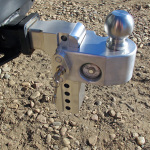
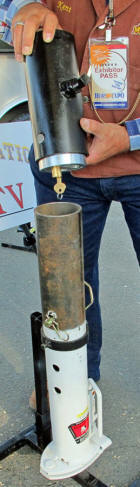
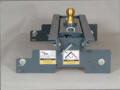
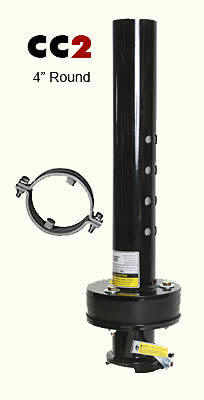
A popup hitch style setup is appealing because many owners want bed access when they are not towing. They do not want a bulky fixed hitch dominating the bed floor all year. A pop-up or fold-down ball system can keep the bed more usable, while the extension side of the system helps deal with short-bed geometry.
When a popup hitch gooseneck trailer extension for short bed trucks makes sense
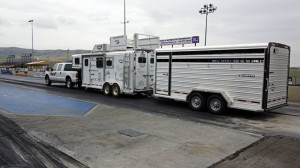
If your trailer has a wide or squared-off nose, clearance problems show up faster. Horse trailers, some stock trailers, and older gooseneck designs can be especially unforgiving in a turn. Newer trailers with tapered or notched front ends often do better, but that does not automatically mean they clear every short-bed truck.
The truck itself matters too. Bed length is only part of the equation. Cab shape, rear window angle, hitch position, suspension squat, tire size, and even whether the trailer rides nose-high can all affect cab clearance.
That is why the right answer is often, it depends. If you only make wide, gradual turns on open ground, you may never need extra offset. If you back into tight horse trailer spots, snake through fuel stations, or maneuver around barns and gates, the extra room can be worth a lot.
The trade-off most owners overlook
Moving the coupler point rearward for clearance can also change leverage. That means more stress on parts if the extension is poorly designed, overloaded, or used outside its rating. A good extension is not just a chunk of steel that sticks out farther. It has to be engineered for the trailer weight, tongue load, and real-world shock loads that come with towing.
This is where cheap solutions get people in trouble. A short-bed clearance problem feels simple, so some owners assume any extension will do. That is a bad assumption. With gooseneck towing, the loads are heavy, the forces are dynamic, and the consequences of a bad match are serious.
The other trade-off is handling. A setup that improves cab clearance may slightly change how the trailer behaves under certain conditions. Usually the effect is manageable if the system is rated properly and the truck and trailer are matched correctly, but it is still something experienced towers pay attention to. Clearance is important, but not at the expense of stability or structural margin.
Popup hitch systems are convenient, but convenience is not the main reason to buy
A lot of truck owners first look at a popup hitch because they want a clean bed. That is fair. If you use the truck for work during the week and tow on weekends, bed access matters.
Still, convenience should come second to fit and rating. The best popup hitch setup for a short bed is the one that gives you the right ball location, proper bed structure support, and enough capacity for the trailer you actually tow. If it also folds away neatly, that is a bonus.
The worst buying mistake is choosing strictly on appearance or bed convenience, then trying to fix clearance later with adapters and add-ons. Start with the trailer weight, the truck bed length, and the clearance you need in real turns. Then choose the hitch system around that.
How to tell if you need more clearance
The smart way is to measure, not guess. Hook the trailer on level ground and look at where the front corners of the trailer sit relative to the back of the cab. Then think about your sharpest realistic turn, not just highway driving.
If your current setup already shows tight clearance while straight or mildly angled, that is a warning sign. If you have witness marks, dent history, or you avoid certain backing situations because you know the trailer will get too close, you already have your answer.
One thing experienced haulers understand is that suspension movement changes everything. Enter a driveway at an angle, drop one rear wheel in a rut, or back uphill while turning, and the geometry shifts. Clearance that looked acceptable on a flat parking lot can disappear quickly in the real world.
Installation and fitment are as important as the hitch itself
A popup hitch gooseneck trailer extension for short bed trucks is only as good as the way it is installed. Bed corrugation, frame bracket placement, under-bed clearance, and truck-specific hardware all matter. So does the exact ball location over or just forward of the rear axle, depending on the system design.
Poor installation can create bed damage, odd load transfer, or a hitch that never feels right under load. That is why truck-specific fit matters so much. A universal approach may sound economical, but towing is not the place to get casual about mounting structure.
You also want to think beyond the hitch. If the truck squats badly under pin or tongue weight, that can change front axle loading and alter how the combination tracks and steers. In some cases, suspension help belongs in the conversation right alongside hitch selection.
Short bed truck owners should think about the whole towing package
No hitch extension fixes an overloaded truck. No popup ball system compensates for weak tires, poor trailer brakes, or an improperly balanced trailer. If your setup feels nervous, porpoises, or needs too much steering correction, that is a package problem, not just a hitch problem.
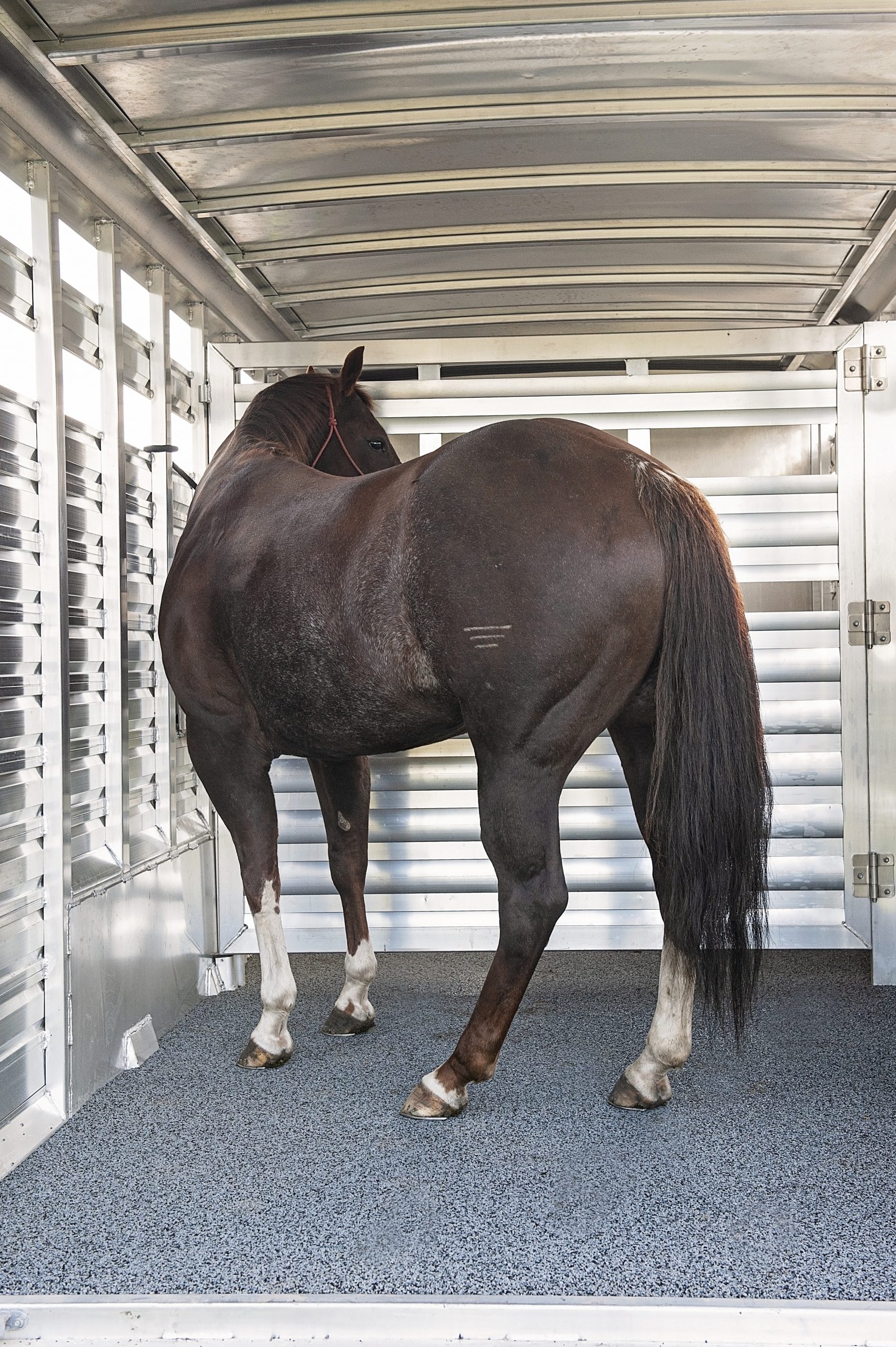
For horse owners especially, smooth control matters. Livestock shifts. Emergency lane changes happen. Uneven rural roads are common. You want enough clearance to avoid cab contact, but you also want a system that keeps the trailer planted and predictable. https://mrtruck.com/popup.htm
RV owners have similar concerns, especially when fuel stops and campground maneuvering force tight turns. The best setup is one that lets you use the truck confidently without wondering whether the next back-in angle will cost you a rear window.
What to ask before you buy
Before you buy, know your bed length, trailer GVWR, loaded pin weight range, trailer nose shape, and how you really use the truck. A ranch truck that spends its life around corrals and tight gates has different needs than a pickup that mostly tows on open highways.
You should also ask whether the extension and hitch are rated together as a system, whether the truck-specific install kit is designed for your exact model, and whether the setup preserves the strength and bed usability you want. Those are better questions than asking which one is cheapest.
In our experience, the right towing gear costs less than one body repair, one broken component, or one ruined trip. That is especially true when you are hauling valuable horses, expensive equipment, or a family RV.
The bottom line on clearance and control
A popup hitch gooseneck trailer extension for short bed trucks can be the right answer when cab clearance is tight and the truck-trailer combination is otherwise a good match. But it needs to be chosen like towing equipment, not like a cosmetic accessory. Ratings, fit, geometry, and installation all matter.
If you are unsure, get advice from people who work with towing setups every day and understand how these systems behave outside a showroom. The right equipment should let you turn, back, and haul with less drama and more confidence.
If you need help choosing proven towing gear, visit our store at Store.MrTruck.com. A little expert guidance up front is cheaper than learning clearance lessons with your cab corner or rear window.
Comments